Key Takeaways
-
Braces removal should only be done by an orthodontist; never try to pop off brackets or snip wires at home, as you could chip a tooth, hurt your gums, or undo your progress.
-
Removal is usually not very painful; most people feel pressure or a pulling sensation, and any tenderness or sensitivity typically fades on its own within a short time.
-
Braces removal starts the retention phase, not the end of treatment, because teeth can drift; wear your retainer exactly as your orthodontist directs.
-
Expect the appointment to include wire and bracket removal, cleanup of leftover bonding material, polishing, and a retainer discussion, with retainers sometimes fitted the same day or later.
-
Keep up brushing twice daily with fluoride toothpaste, flossing once a day, and regular checkups, and store your retainer in its case, never in a napkin.
-
Call your orthodontist right away if your retainer is lost, cracked, painful, or feels tight, since a tight retainer can signal that your teeth are shifting.
The day your braces come off is a big one. You have waited months, maybe years, for it. You may feel excited, a little nervous, and ready to chomp into some popcorn (more on that later!). If you are curious about what actually happens in the chair, you are in the right place.
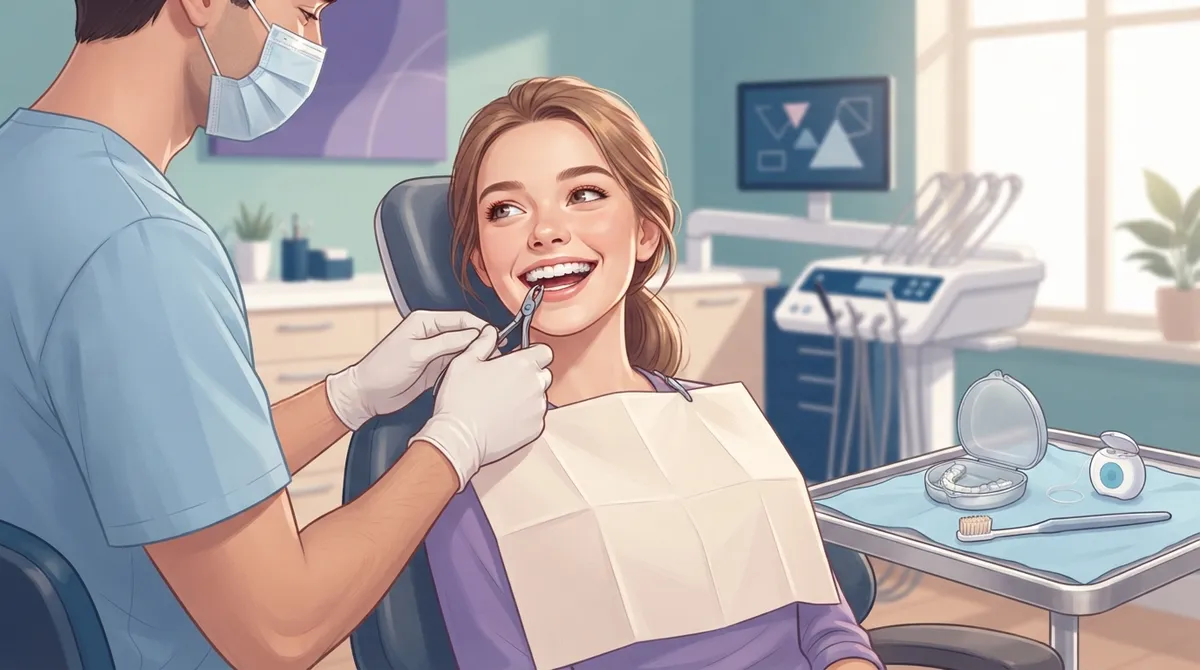
The braces removal process is a planned visit with your orthodontist. It is usually quick and much easier than most people expect. Your care team gently takes off the brackets, cleans your teeth, and talks with you about keeping your new smile in place.
Whether you are a parent helping a child get ready, a teen counting down the days, or an adult who has juggled braces with a busy career, this guide walks you through each step. We will cover what happens, how it feels, and what comes next. Let’s get you ready to smile!
What Is the Braces Removal Process?
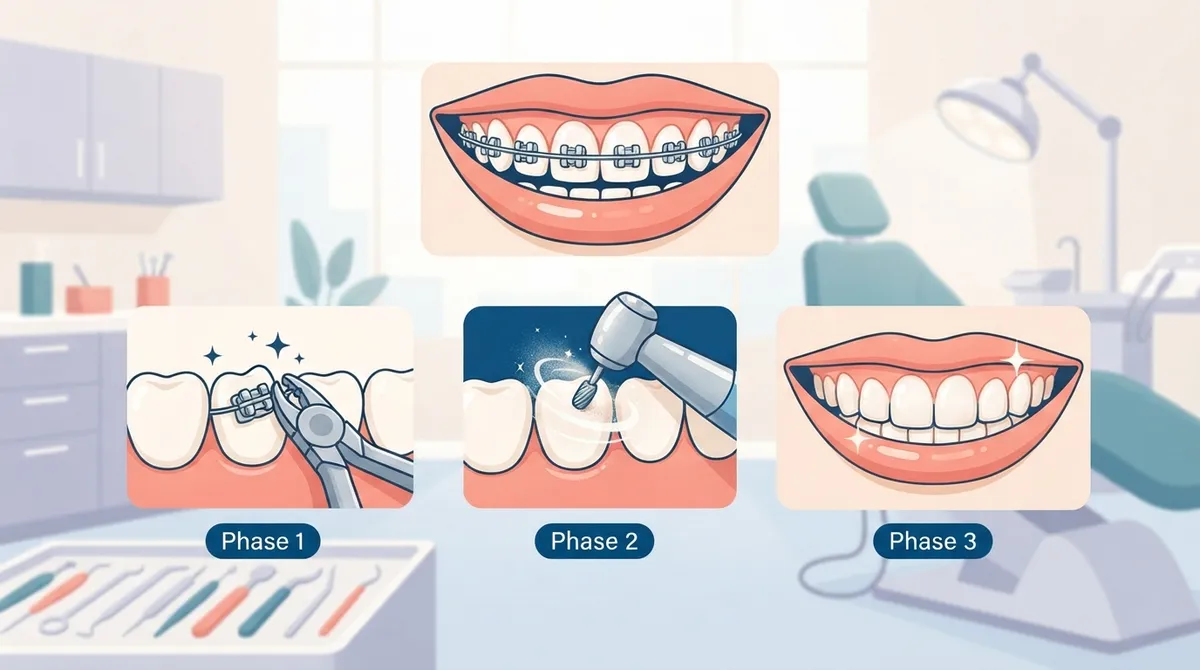
The braces removal process is the final step of active orthodontic treatment. Your orthodontist takes off the brackets and wires. Then they clean your teeth and set you up with a retainer plan.
This visit is often called “debonding” or “debanding.” Do not worry about the fancy words. It simply means the glue holding the brackets is released and the hardware comes off.
Here is the most important rule: braces should only be removed by an orthodontic professional. Never try to pop off a bracket or snip a wire at home. You could chip a tooth, hurt your gums, or undo the progress you worked so hard for.
When Are You Ready to Have Braces Removed?
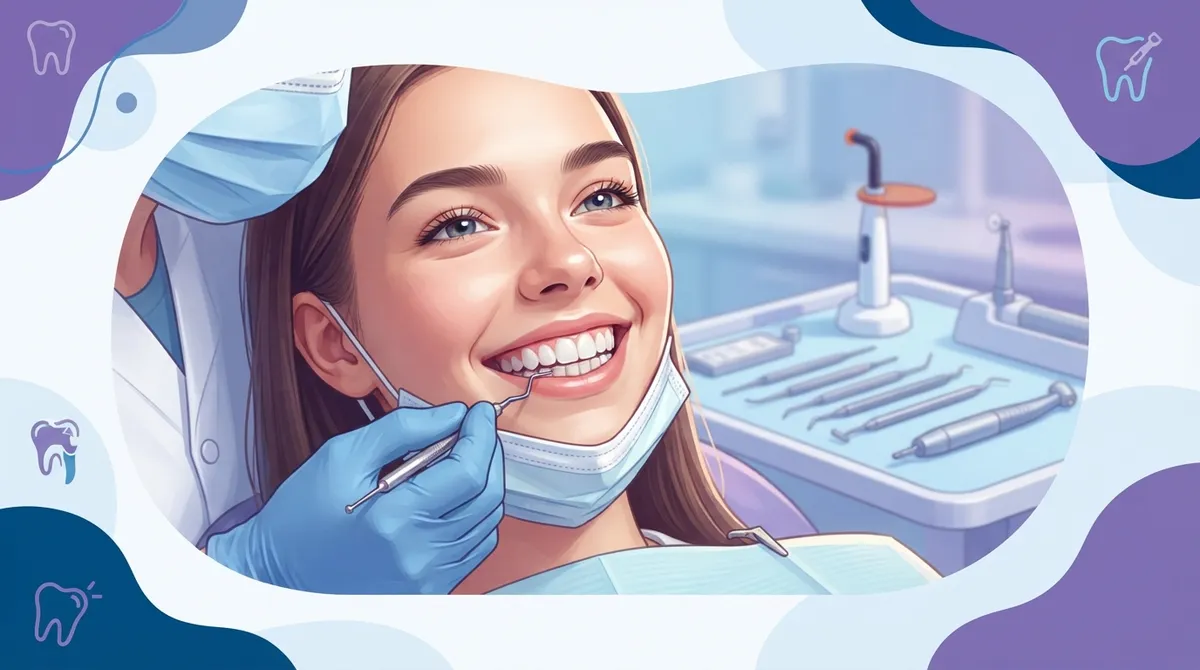
Your orthodontist decides when the time is right. They check that your teeth have moved where they should and that your bite works well. There is no one-size-fits-all timeline, because every smile is different.
Before scheduling removal, your orthodontist may look at a few things:
- Whether your teeth are straight and spaced as planned
- How your upper and lower teeth fit together when you bite
- Whether your gums look healthy
- Whether your retainer plan is ready to go
If you are curious how long the full journey might take, our guide on how long braces treatment takes can help you plan.
Step-by-Step: What Happens at Your Braces Removal Appointment
Every office does things a little differently, and every smile is unique. Still, most removal visits follow a similar path. Here is what you can usually expect:
- A quick check-in. Your orthodontist looks at your teeth and confirms you are ready. They may also review your bite.
- Wires come off. The archwire is released from the brackets and gently taken out.
- Brackets are removed. Special tools break the bond between each bracket and your tooth. You may feel pressure or a slight pulling feeling.
- Leftover glue is cleaned away. A small amount of bonding material stays on the tooth after the bracket is gone. Your orthodontist carefully removes it.
- Teeth are polished. Your teeth get a smooth, clean polish so they feel fresh.
- Retention is discussed. You learn about your retainer, how to wear it, and when to come back for follow-ups.
Some patients receive their retainers the same day. Others have impressions or scans taken and pick up the retainers later. In some offices, retainers are fitted later the same day or even the next day, so ask your orthodontist what to expect.
How Long Does Braces Removal Take?
There is no single answer that fits everyone. The length of the visit depends on your case. It also depends on whether your retainer is fitted at the same appointment.
Many patients find the removal itself goes faster than they imagined. If retainer impressions or fittings happen during the same visit, plan for a bit of extra time. When you book, ask the front desk how much time to set aside. That way you can plan your school or work schedule with less stress.
Does Getting Braces Removed Hurt?
This is the question we hear most! The good news is that braces removal is usually not very painful. Most people describe it as pressure or a pulling feeling rather than real pain.
Your teeth and gums may feel a bit tender for a short time afterward. That is normal. Experiences vary from person to person, so if you tend to have sensitive teeth, let your orthodontist know. They can go at a comfortable pace and help you feel at ease.
If you have felt sore during treatment before, you might enjoy reading what Dr. Chacon shares about braces discomfort. Removal day is often much gentler than adjustment days.
What Will Your Teeth Feel Like After Braces Come Off?
Get ready for a funny feeling! Your teeth may feel unusually smooth and slippery. Your tongue will probably keep exploring them. This is totally normal.
You may also notice that your bite feels different. That is because the brackets and wires are no longer in the way. Here is what is commonly reported right after removal:
- Teeth feeling smooth, almost “naked”
- Mild sensitivity to hot, cold, or pressure
- A new feeling when biting or chewing
- Extra tongue curiosity (you may keep touching your teeth!)
Mild sensitivity usually settles down on its own. If something feels off or the discomfort does not fade, call your orthodontist.
Why Retainers Matter After Braces
Here is something that surprises many patients: removing braces is not the end of treatment. It is the start of the retention phase. Teeth can drift after braces, especially while the bone and tissues around them settle into their new positions.
That is why retainers are a standard part of orthodontic care. The American Association of Orthodontists notes that many patients need long-term retention, and the exact wear schedule is different for each person. Your orthodontist will recommend the best plan for you.
Common Retainer Types
| Retainer Type | How It Works | Good to Know |
|---|---|---|
| Clear removable tray | A clear plastic tray that fits over your teeth | Nearly invisible; take it out to eat and clean |
| Hawley retainer | Acrylic plate with a metal wire across the front teeth | Removable and adjustable by your orthodontist |
| Fixed (bonded) retainer | A thin wire bonded behind the front teeth | Always in place; needs careful brushing and flossing |
Want to learn more about your options? Take a look at our guide to retainer types every orthodontic patient should know. You can also read about keeping your smile straight for life with retainers.
Caring for Your Teeth After Braces
Now that your braces are off, caring for your smile gets easier. Brushing and flossing are simpler without brackets in the way. Still, good habits matter more than ever.
Keep up these simple routines:
- Brush twice a day with fluoride toothpaste
- Floss once a day
- Keep regular dental checkups
- Clean your removable retainer as your orthodontist directs
- Always store your retainer in its case, never in a napkin
Many people also think about whitening after braces. Brackets can leave behind small lighter patches, and a brighter smile can really complete the look. Learn more about professional teeth whitening after orthodontic treatment to see if it is right for you.
Can You Eat Normally Right After Braces Removal?
Yes, in most cases you can enjoy a much wider menu! The foods you avoided for months, like corn on the cob, caramel, and crunchy apples, are usually back on the table. Your teeth might feel a little sensitive at first, so you may want to start with softer foods for a day or two.
Always follow any special advice from your orthodontist. If your teeth feel sore, give them a little time. Then dive into that celebration meal!
Braces Removal Tips for Every Age
For Parents of Younger Kids
Kids may feel nervous, so talk about the visit ahead of time. Explain that it feels like pressure, not sharp pain. Remind them how well they have done! Celebrate with a smoothie or a favorite soft snack. Kids also need reminders to wear their retainers, so build it into the nightly routine.
For Teens
Teens often want to know how soon they can show off their new smile. The answer is right away! Plan a fun photo after your visit. Just be careful with retainers around sports and school. A sturdy case in your backpack will save you from lost or broken retainers.
For Adults
Busy professionals can plan removal around work schedules. Ask how much time to set aside, and consider whether you will need any time to pick up retainers. If you are curious about adult treatment, explore orthodontic treatment for adults.
For Bilingual Families
At Chacon Orthodontics, our team offers care in both English and Spanish. That means every family member can ask questions and understand the retainer plan in the language they feel most comfortable with.
What If Something Goes Wrong With Your Retainer?
Retainers get lost, bent, and chewed by pets more often than you would think! Do not panic. Call your orthodontist if any of these happen:
- You lose your retainer
- Your retainer cracks or breaks
- Your retainer hurts to wear
- Your retainer feels tight or no longer fits
A retainer that feels tight can mean your teeth have started to shift. Quick action helps protect your results. Do not try to force it on or fix it yourself.
Braces Removal at Chacon Orthodontics
At Chacon Orthodontics, Dr. Omar Chacon is a board-certified orthodontist who treats children, teens, and adults. Our team uses advanced technology and a personalized approach so each patient feels comfortable and informed. We serve families in Westchase and Brandon, Florida, and we are proud to guide you from your first visit all the way to your retainer plan.
Want to see what other patients say? Visit us on Google — Chacon Orthodontics Brandon and read reviews from our Brandon community. You can also follow our smile stories on Instagram and Facebook, or connect with Dr. Chacon on LinkedIn.
Your Smile Journey Does Not End at Removal
The braces removal process is a happy milestone. Your orthodontist takes off the hardware, cleans your teeth, and sets you up with a retainer plan to protect your new smile. Expect a little pressure, a smooth new feeling, and plenty of reasons to smile.
Remember to wear your retainer as directed, keep up your brushing and flossing, and call your orthodontist if anything feels wrong. If you are in the Brandon or Westchase area and are thinking about starting treatment or have questions about getting your braces off, we would love to meet you. Schedule your free consultation today, or contact us with any questions. Your best smile is closer than you think!
FAQs
Q: What happens during the braces removal appointment?
A: Your orthodontist takes off the wires and brackets, removes any leftover glue, and polishes your teeth. They also check your bite and explain your retainer plan. It is usually a calm, simple visit.
Q: Does getting braces removed hurt?
A: Most people feel pressure or a slight pulling sensation, not sharp pain. Your teeth may feel a little sensitive afterward, but that usually fades on its own. Everyone is different, so tell your orthodontist if you feel uncomfortable.
Q: Do I need a retainer after braces, and how long do I wear it?
A: Yes, retainers are a standard part of treatment because teeth can shift after braces come off. The wear schedule depends on you, and many patients need long-term retention. Your orthodontist will give you a plan that fits your smile.
Q: Can I eat normally right after braces removal?
A: In most cases, yes! You can enjoy many foods you avoided during treatment, though your teeth may feel a bit sensitive at first. Start with softer foods for a day or two if needed, and follow your orthodontist’s advice.
Q: What should I do if my retainer feels tight or no longer fits?
A: Call your orthodontist right away. A tight or ill-fitting retainer can be a sign your teeth have started to shift. Do not force it on, and let your care team help you get back on track.