Key Takeaways
-
Teeth can drift back toward their old positions after braces, so retainers are a long-term part of orthodontic care, not a short-term step.
-
Follow the wear schedule your orthodontist gives you, since many patients start with full-time wear and later move to nighttime wear.
-
Remove removable retainers for meals and for any drink other than plain water to prevent trapped sugar, stains, and cavities.
-
Clean your retainer by rinsing it each time you remove it and brushing gently once a day, avoiding hot water that can warp clear plastic.
-
Always store the retainer in its protective case when it is out of your mouth to prevent loss, breakage, or damage from pets.
-
Call your orthodontist promptly if the retainer is lost, cracked, or suddenly feels tight, and never force it into place.
You did it! The braces are off, your teeth look amazing, and you can finally smile for photos without hesitation. But here is a little secret every orthodontist wants you to know: the journey is not quite over. Braces retainers are the quiet heroes that protect all your hard work. Without them, teeth can slowly drift back toward their old spots.
Whether you are a parent helping a child through treatment, a teen juggling school and sports, or a busy adult who just wants a low-fuss routine, retainers matter. The good news is that wearing them does not have to be hard. A few simple habits go a long way.
In this friendly guide, we share 14 practical tips about braces retainers, from picking the right type to cleaning, storing, and troubleshooting. Think of it as a chat with your favorite orthodontic team. Let’s keep that smile looking great!
Why Braces Retainers Matter So Much
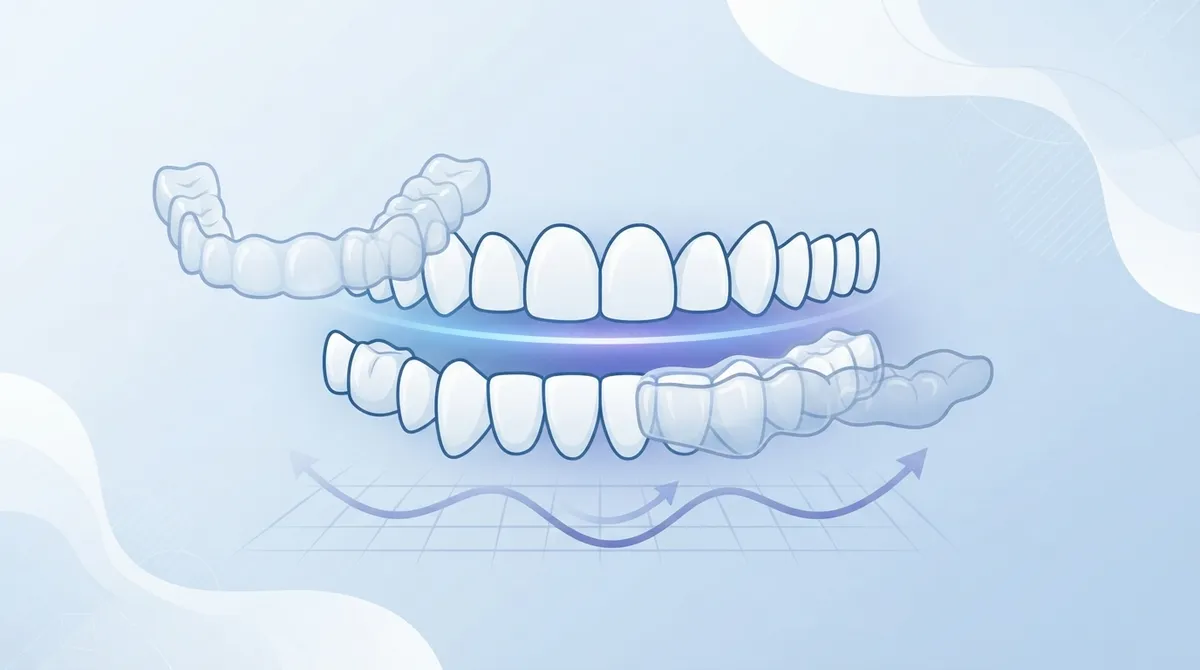
Teeth are not set in concrete. After braces or aligners, the bone and gum tissue around your teeth need time to settle. Retainers are orthodontic appliances that help hold teeth in their corrected positions and reduce unwanted movement, often called relapse.
Teeth can shift over time, even years after treatment. That is why retention is generally seen as a long-term part of orthodontic care. According to the American Association of Orthodontists, many patients wear retainers at night long term, and stopping can allow teeth to move.
If you want to learn the basics first, check out what dental retainers are and why you need one. Now, on to the tips!

Part 1: Choosing the Right Retainer
1. Know the Three Main Retainer Types
Not every retainer looks or feels the same. The three most common options are:
- Clear plastic retainers (Essix-style): Thin, see-through trays that fit snugly over your teeth.
- Hawley retainers: An acrylic plate that sits against the roof or floor of your mouth, with a wire across the front teeth.
- Fixed (bonded) retainers: A thin wire glued to the back surfaces of your teeth.
Each one has its own strengths. Your orthodontist will help you decide which fits your bite and lifestyle.
2. Compare Your Options Side by Side
Here is a quick snapshot to help you see how the types differ:
| Retainer Type | Removable? | Appearance | Good to Know |
|---|---|---|---|
| Clear plastic | Yes | Nearly invisible | Avoid hot water; can distort |
| Hawley | Yes | Visible wire and acrylic | Durable and often adjustable |
| Fixed (bonded) | No | Hidden behind teeth | Needs extra care when cleaning |
For a deeper dive, our guide to types of retainers for teeth that actually work breaks it down even more.
3. Let Your Orthodontist Pick What Fits You
The best braces retainers depend on your bite, your treatment, and the way your teeth moved. A teen who plays sports may need something different from an adult who travels for work. Your orthodontist looks at all of this before making a recommendation.
At Chacon Orthodontics, Dr. Omar Chacon offers clear and wire retainers and tailors the plan to each patient. You can also explore 11 retainer types every orthodontic patient should know to feel more prepared for your visit.
4. Think About Cost and Comfort Before You Decide
Budget matters, and so does comfort. Some people find clear retainers more comfortable and discreet, while others like the sturdy feel of a Hawley. If price is on your mind, take a look at Hawley vs. clear retainers and which one costs less.
Part 2: Wearing Your Retainer the Right Way
5. Follow Your Own Wear Schedule
Here is where many people get confused. There is no single timetable that fits everyone. Many orthodontists start with more frequent wear, even full-time for a short period, and later move to nighttime wear. Some health guidance describes nightly wear for the first year, followed by reduced or ongoing wear.
These are examples, not rules for everyone. The best plan is the one your orthodontist gives you, so follow those instructions closely.
6. Make Nighttime Wear a Habit
Habits stick when they are easy. Try these tricks to make nightly retainer wear automatic:
- Keep your retainer case next to your toothbrush.
- Put your retainer in right after brushing and flossing.
- Set a gentle phone reminder for the first few weeks.
- Pack a spare case in your travel bag or gym bag.
Soon it will feel as normal as turning off the lights.
7. Plan on Long-Term Wear
Many orthodontic providers advise continued or even indefinite retainer use if you want to keep your results. Think of it like a small lifetime gift to your smile. After all the time and effort you put into braces, a few minutes each night is a small price to pay.
Curious about how teeth settle and why they move? Read how to understand teeth positioning and fix alignment issues.
8. Take It Out for Meals and Sugary Drinks
Removable braces retainers should come out when you eat. They should also come out for any drink other than plain water, unless your orthodontist says otherwise. Sugary or colored drinks can get trapped under the retainer and stain it or lead to cavities.
A quick rule of thumb: water is fine, everything else means retainer out.
Part 3: Cleaning and Storing Your Retainer
9. Clean It Regularly
A clean retainer is a happy retainer. Gentle brushing with cool water or mild soap is commonly advised. Guidance differs on whether toothpaste is a good idea, so use the cleaning method your orthodontist recommends.
Keep these habits in mind:
- Rinse your retainer every time you take it out.
- Brush it gently once a day.
- Keep brushing and flossing your teeth as usual.
- Give extra attention around a fixed retainer, where food can hide.
Need a refresher on brushing around hardware? Our article on how to brush and floss with braces effectively has helpful ideas that also apply to fixed retainers.
10. Skip the Hot Water
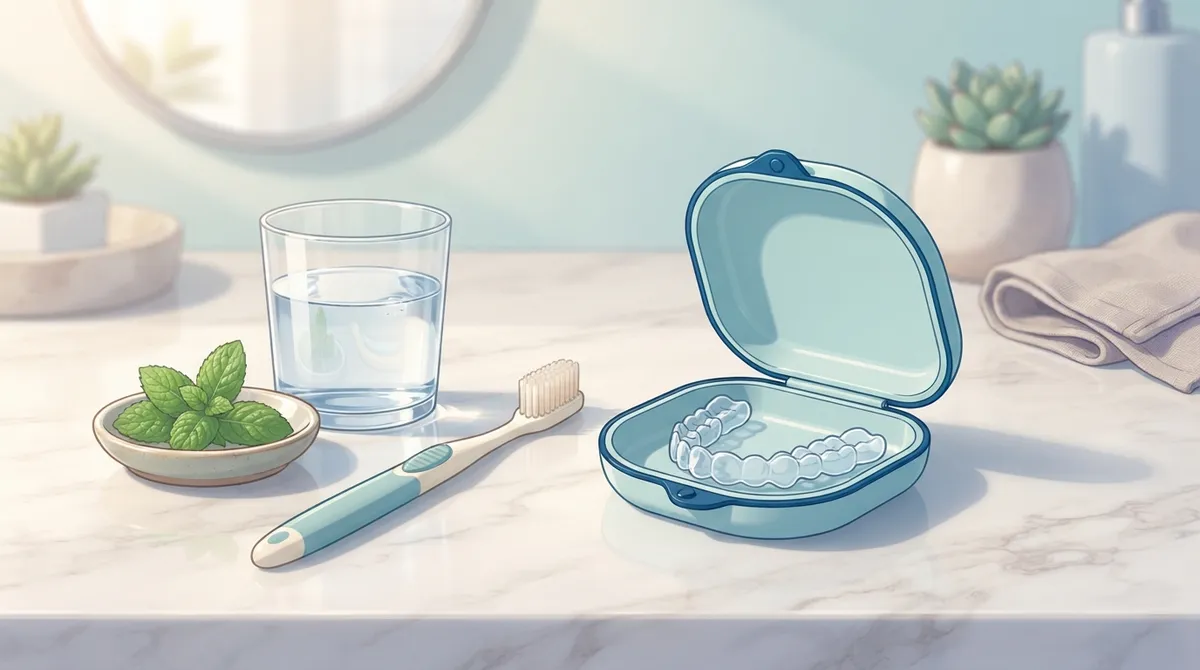
This one is a big deal. Hot water can warp clear plastic retainers, and a warped retainer will not fit right. Stick with cool or lukewarm water when you rinse. Also, never leave your retainer in a hot car or near a heater.
11. Always Use a Protective Case
Here is a fun fact that is not so fun: many retainers end up wrapped in a napkin and thrown away at lunch. Always put your retainer in its case when it is out of your mouth. Dogs also love to chew retainers, so keep that case closed and out of reach!
Part 4: Troubleshooting and Long-Term Care
12. Know What to Do If It Is Lost or Broken
It happens to the best of us. If your retainer is lost, cracked, distorted, or loose, call your orthodontist promptly. Waiting too long can let teeth move, and a replacement is easier to make before major shifting happens.
If something feels urgent, our guide on orthodontic emergencies and when to call Dr. Chacon can point you in the right direction. You can also contact us anytime with questions.
13. Pay Attention If It Feels Tight
A retainer that suddenly feels tight can be a sign that your teeth have started to move. Do not force it into place. And if you have a fixed retainer that feels loose or looks bent, do not try to fix it yourself.
Here is a simple checklist of signs to call your orthodontist:
- The retainer no longer fits comfortably.
- You see cracks, warping, or sharp edges.
- A bonded wire feels loose or rough.
- Your gums look red or swollen near a fixed retainer.
14. Keep Up With Regular Checkups
Retainers are not a set-it-and-forget-it tool. Regular dental checkups help your team look at the retainer, your teeth, and the gums around any bonded wire. A quick visit can catch small problems before they grow.
If you live near Westchase, you can visit us on Google — Chacon Orthodontics West Chase to read what our patients say and find directions. For local retainer support, see our guide to retainers in Westchase and how to keep your smile straight for life.
Quick Tips for Every Member of the Family
Retainer care looks a little different depending on who is wearing them. Here are a few ideas to make life easier.
For Parents of Children
Younger kids may need a little help staying on track. Make retainer time part of the bedtime routine, like brushing and storybooks. A fun case in their favorite color can make it feel special. Not sure when your child should start treatment? Read about early signs you need braces and what parents should look for.
For Teens
Teens are busy, and retainers can feel like one more thing to remember. Keep a case in your backpack, your sports bag, and your nightstand. If you wear a mouthguard for sports, ask your orthodontist how to handle both. Our guide on how a Tampa Bay orthodontist helps teens smile with confidence shares more teen-friendly ideas.
For Adult Professionals
Adults often love the low-profile look of clear retainers. Wearing them at night means no one at work ever sees them. Keep a travel case in your carry-on so your routine does not slip on business trips. If you are thinking about treatment later in life, see orthodontic treatment for adults and what you need to know.
For Bilingual Families
At Chacon Orthodontics, care is available in both English and Spanish, so every family member can ask questions in the language they feel most comfortable using. Clear communication makes it easier to follow the retainer plan at home. Hablamos español, and we are happy to walk you through each step.
Retainer Do’s and Don’ts at a Glance
| Do | Don’t |
|---|---|
| Wear your retainer as your orthodontist instructs | Skip nights because you feel fine |
| Store it in a protective case | Wrap it in a napkin or leave it on a tray |
| Rinse with cool water | Use hot water or boiling water |
| Call right away if it breaks or feels tight | Force it into place or try to adjust it yourself |
| Keep brushing and flossing daily | Eat or drink anything but water while wearing it |
Keeping Your Smile Bright After Braces
Once your teeth are straight, you may want to brighten them too. Many patients ask about whitening after treatment. Learn more in how to get professional teeth whitening after orthodontic treatment. Chacon Orthodontics also offers professional whitening options for in-office or at-home use.
Want to see how our community shares its experience? You can follow us on Instagram for smile stories, connect with us on Facebook for updates, or learn more about Dr. Chacon’s background on LinkedIn.
Final Thoughts: Protect the Smile You Worked For
Braces retainers might look small, but they do a big job. They help protect the time, effort, and investment you put into your smile. With the right type, a steady wear routine, good cleaning habits, and regular checkups, your results can last for years.
Remember, your orthodontist knows your teeth best. Follow your personal plan, ask questions whenever you need to, and do not hesitate to call if something feels off. Your smile is worth the extra care.
Ready to talk retainers, braces, or clear aligners with a friendly team? Schedule your free consultation with Chacon Orthodontics today. We serve families in Westchase and Brandon and would love to help you keep your smile confident for life.
FAQs
Q: Do you need to wear a retainer after braces?
A: Yes, in most cases! Retainers help keep your teeth in their new positions so they do not drift back. Your orthodontist will recommend the type that fits your smile best.
Q: How long should I wear my retainer after braces?
A: It depends on your case, so always follow your own orthodontist’s plan. Many people start with more frequent wear and then move to nighttime wear. Many orthodontic providers also suggest long-term wear if you want to keep your results.
Q: Can I eat or drink while wearing my retainer?
A: Take removable retainers out for meals and for any drink besides plain water, unless your orthodontist tells you otherwise. This keeps food and sugar from getting trapped and helps protect your retainer from damage.
Q: What should I do if I lose my retainer or it no longer fits?
A: Call your orthodontist as soon as you can. A tight or ill-fitting retainer may mean your teeth have moved, so do not force it into place. The sooner you get help, the easier it is to get back on track.
Q: Can teeth shift if I stop wearing my retainer?
A: Yes, teeth can move when you stop wearing your retainer, even years after braces. That is why long-term retention is such a big part of orthodontic care. A few minutes each night helps protect your smile.