Key Takeaways
-
Schedule braces adjustments about every 4 to 12 weeks during active treatment, since missed or delayed visits can pause progress and make treatment last longer.
-
Brush after meals and floss daily, using floss threaders, interdental brushes, or water flossers to clean around brackets and wires where plaque hides.
-
Avoid hard, sticky, and chewy foods like ice, nuts, caramel, and whole raw apples, which can break brackets or bend wires.
-
Keep seeing your regular dentist at least every six months, since orthodontist visits do not replace general dental cleanings and cavity checks.
-
Call your orthodontic office instead of fixing loose brackets or broken wires yourself, and wear your retainer as instructed after braces come off to prevent teeth from shifting back.
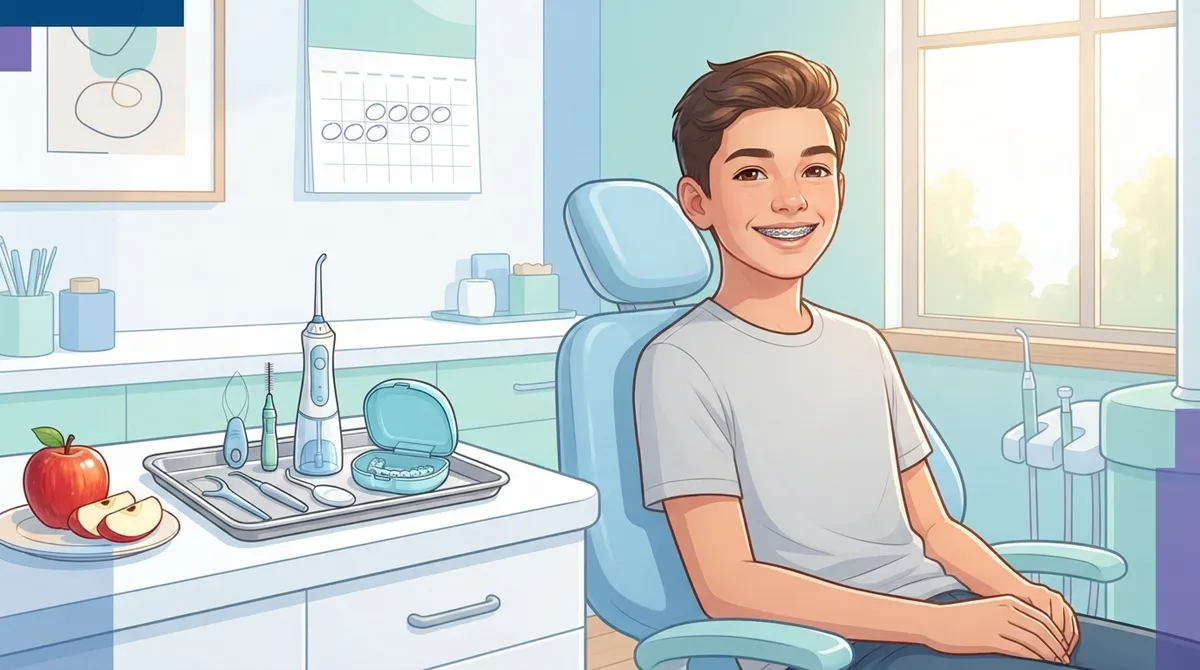
Getting braces is exciting. You leave the office with a brand-new appliance and big plans for a straighter smile. But here is the part many families do not think about right away: what happens next? Braces follow up care is what turns that first appointment into a finished, lasting result.
Think of braces like a garden. Planting the seeds is just the start. You still need to water, trim, and check in often. In the same way, your teeth need regular visits, daily cleaning, smart food choices, and a good plan for after the braces come off.
Whether you are a parent guiding a child, a teen balancing school and sports, or an adult juggling work and life, this guide is for you. We will walk through appointments, home care, quick fixes for common problems, and retainers. Let’s make the road to your best smile smooth and stress-free.
Why Braces Follow Up Care Matters So Much
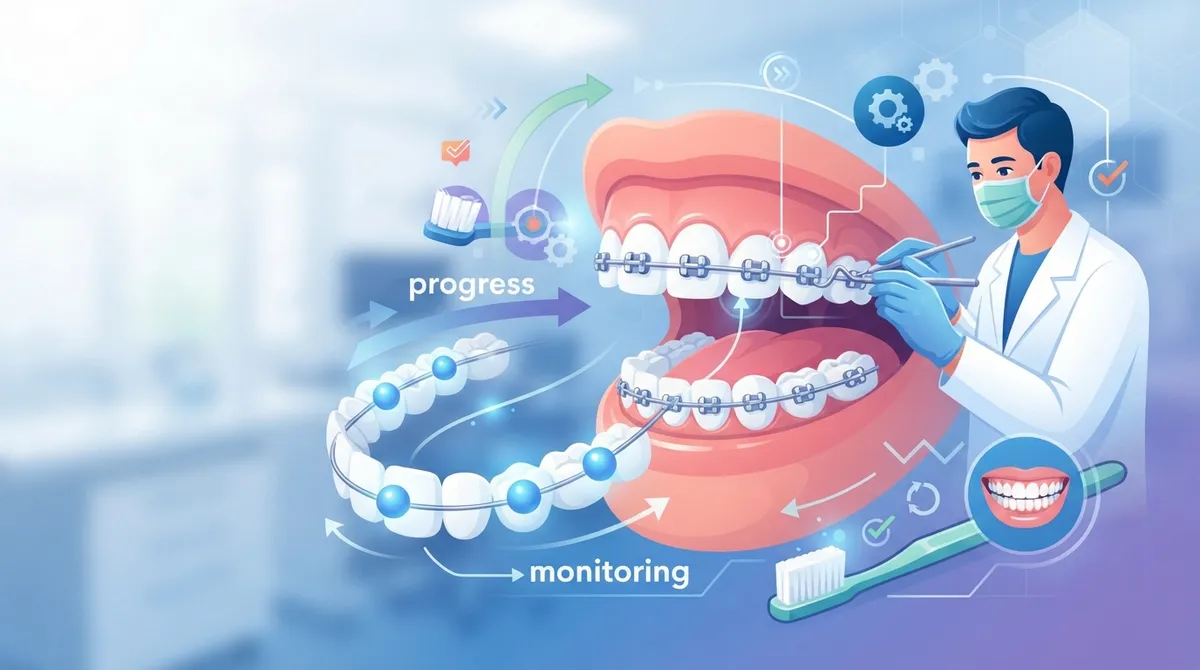
Braces do not move teeth all at once. They work slowly, with gentle pressure over many months. Follow up visits let your orthodontist check how your teeth are moving and make changes to keep things on track.
Good follow up care also protects your health. Braces create tiny spots where food and plaque like to hide. Without careful cleaning, you may see cavities, sore gums, or white marks on your enamel after the braces come off.
Here is what solid braces follow up care can do for you:
- Keep treatment on schedule so you are not in braces longer than needed
- Catch small problems early before they turn into big ones
- Protect your teeth and gums while the appliance is on
- Lock in your results once the braces are removed
If you are still learning the basics, our guide to braces 101 is a great place to start.
How Often Are Braces Follow Up Appointments?
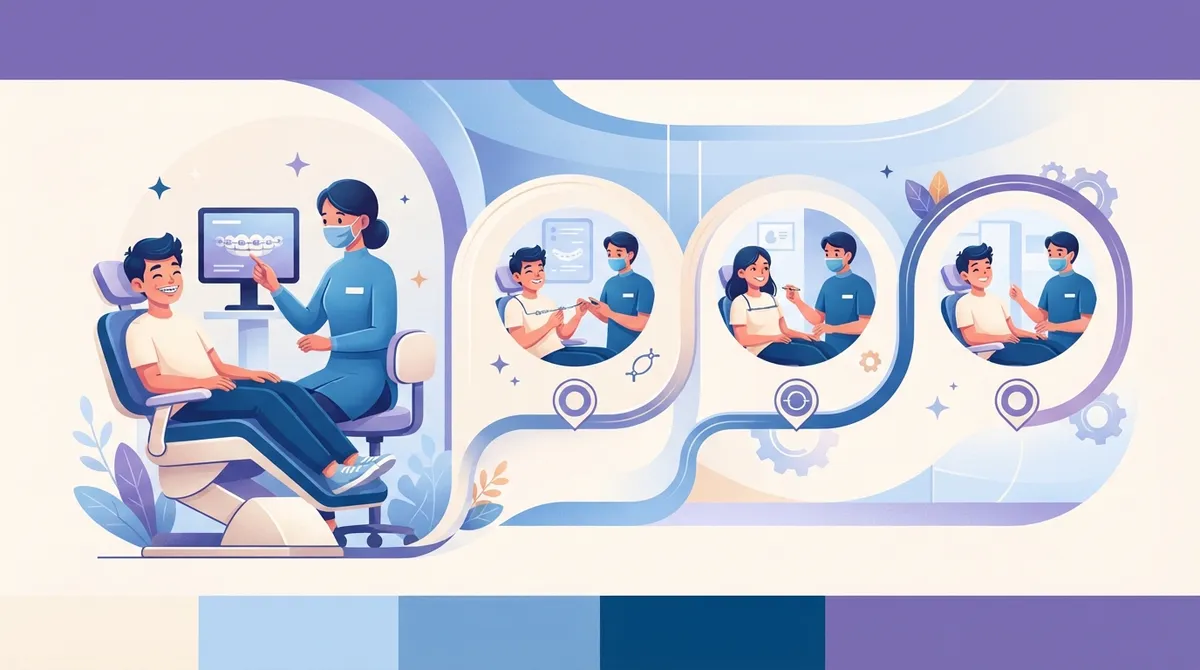
This is one of the most common questions we hear. The honest answer is: it depends on your treatment plan. According to the American Association of Orthodontists (AAO), visits during active treatment happen about every 4 to 12 weeks. Its everyday care guidance describes about 6 to 10 weeks as a typical gap.
Your orthodontist picks the schedule that fits your teeth, your type of braces, and your goals. Some patients need to come in a little more often. Others can go longer between visits.
| Stage of Care | Typical Timing | What Happens |
|---|---|---|
| Active braces adjustments | About every 4–12 weeks | Progress check, wire changes, appliance adjustments |
| Routine dental cleanings | At least every 6 months | Professional cleaning and cavity check |
| Early retainer phase | As your orthodontist advises | Fit check and wear review |
| Long-term retention | Periodic checks | Make sure teeth are staying in place |
Timing is just one piece of the puzzle. If you want to see how long the whole journey may last, read how long braces treatment takes.
What Happens at a Braces Adjustment Visit?
Many new patients feel a little nervous before their first adjustment. Good news: these visits are usually quick and friendly. Here is what to expect, step by step.
- Check-in and review. The team asks how you have been feeling and if anything has felt off.
- Cleaning and inspection. Your orthodontist looks at your teeth, gums, and brackets to see how things are going.
- Progress check. They look at how your teeth are moving compared to the plan.
- Adjustments. Wires or bands may be changed or tightened to keep teeth moving in the right direction.
- Home care tips. You get fresh advice for brushing, flossing, and any special instructions.
- Next visit planned. You leave knowing exactly when to come back.
You may feel mild soreness for a day or two after an adjustment. That is normal. Our post, what really happens during braces tightening, breaks it down even more.
Why You Should Not Skip Visits
It can be tempting to skip an appointment when life gets busy. But missed or delayed visits can pause your progress and may make treatment last longer. A broken appliance can also slow things down or let teeth drift where you do not want them.
If you need to change a visit, call the office as soon as you can. Parents, a quick reschedule is much better than a long gap. Our bilingual team at Chacon Orthodontics is happy to help in English or Spanish.
Daily Cleaning: Your Best Braces Follow Up Care Habit
What you do at home matters just as much as what happens in the chair. Between visits, you are the main caretaker of your smile. The good news is that a simple routine goes a long way.
Brushing With Braces
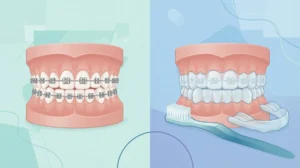
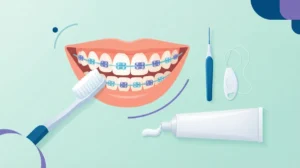
Brush with fluoride toothpaste, and take your time. The AAO suggests brushing after meals or snacks when you can. Angle your brush toward the gumline, then clean the tops of the brackets and the spaces underneath the wires.
Flossing and Extra Tools
Floss every day. It takes a little extra patience with braces, but it makes a real difference. Interdental brushes and water flossers can help you reach tricky spots around brackets and wires.
Need a full walk-through? Check out how to brush and floss with braces effectively and our tips on cleaning your teeth with braces every day.
Here is a quick daily checklist you can stick on the bathroom mirror:
- Brush after meals and snacks when possible
- Floss once a day, using a floss threader or water flosser if needed
- Rinse well to clear loose food
- Check your brackets and wires in the mirror for anything loose
Keep Seeing Your Regular Dentist, Too
Here is something that surprises many families. Your orthodontist visits do not replace your regular dental care. They work as a team. AAO guidance says check-ups and cleanings are generally needed at least every six months, or more often if your dentist suggests it.
Braces make it easier for plaque to build up, so professional cleanings are extra helpful. Your dentist can spot early cavities or gum trouble that are hard to see with brackets in the way.
What to Eat and Drink While Wearing Braces
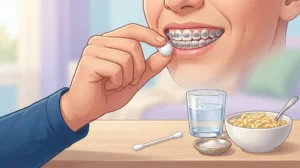
Food is one of the biggest parts of braces follow up care. Hard, sticky, and chewy foods can bend wires or pop brackets loose. Sugary and acidic snacks and drinks can feed plaque and lead to cavities or enamel marks around your brackets.
| Foods to Avoid or Limit | Why | Smarter Swap |
|---|---|---|
| Hard candy, ice, nuts | Can break brackets or bend wires | Soft fruit, yogurt |
| Caramel, taffy, gum | Sticks to braces and is hard to clean | Smooth chocolate melted on a spoon, pudding |
| Whole raw apples, corn on the cob | Biting can pop brackets | Sliced apples, corn cut off the cob |
| Soda and sports drinks | Sugar and acid weaken enamel | Water |
For more ideas, see our lists of foods to avoid with braces and braces-friendly snacks. Teens, this one is for you: your team snack game just got a glow-up.
What to Do If Something Breaks or Feels Off
Even careful patients run into hiccups. A loose bracket, a poking wire, or a sore spot can happen. The key is to stay calm and call your orthodontic office for advice. Please do not try to fix things yourself, since that can cause more harm.
Here is a simple way to decide what to do:
- Small issue, no pain. A slightly loose bracket may sometimes wait until your next scheduled visit. Call to confirm.
- Poking wire or sore cheek. Call the office. They can tell you how to ease the irritation until you are seen.
- Significant pain, injury, or a broken appliance. Contact the practice promptly, especially if it happens soon after a procedure.
Always follow the instructions from your treating team. If you are unsure whether something counts as urgent, read orthodontic emergencies: when to call Dr. Chacon or learn what to do about a broken braces bracket. For soreness, our tips on managing braces pain can bring quick relief.
Braces Follow Up Care After the Braces Come Off
The day your braces come off is a big celebration. But it is not the finish line just yet. Follow up care continues with retainers, which help keep your teeth from shifting back.
Teeth have a natural memory. Without a retainer, they can slowly drift toward their old spots. That is why wearing your retainer exactly as instructed is so important.
Retainer Do’s and Don’ts
- Do wear your retainer as often as your orthodontist tells you
- Do clean it daily and store it in its case
- Do go to any retainer check-ups
- Don’t wrap it in a napkin at lunch (a classic way retainers get lost!)
- Don’t ignore a tight, cracked, or ill-fitting retainer
Long-term or even lifelong retention may be recommended for many patients. If your retainer is lost, broken, or no longer fits, call your orthodontist right away. Learn more in retainers in Westchase: how to keep your smile straight for life, or explore 12 orthodontic retainer facts from your orthodontist.
Thinking about a brighter shade once your braces are off? See how to get professional teeth whitening after orthodontic treatment.
Braces Follow Up Care Tips for Every Age
Every patient has different needs. Here is how to make follow up care work for your family.
For Parents of Children
Younger kids may need a little help with brushing and flossing. Make it a family routine, maybe even a fun two-minute song. Keep a small orthodontic kit in the backpack with wax and a travel toothbrush. Not sure where to begin? See what to expect at your child’s first visit.
For Teens
School, sports, and friends keep teens busy. Wear a mouthguard during sports, keep up with appointments, and carry a retainer case at all times. Our post on choosing braces for teenagers offers more guidance.
For Adult Professionals
Busy work calendars can make appointments tricky. Book your next visit before you leave the office, and keep a travel toothbrush at your desk for after lunch. Adults can learn more in orthodontic treatment for adults.
For Bilingual Families
Clear instructions make all the difference. At Chacon Orthodontics, care instructions are available in English and Spanish, so every family member feels confident about what to do between visits.
Get Support From a Team You Trust
The best follow up care comes from an orthodontist who knows you and your goals. Dr. Omar Chacon is a board-certified orthodontist who uses advanced technology and a personalized approach for kids, teens, and adults. You can learn more about Dr. Omar Chacon and why a board-certified orthodontist makes all the difference.
You can also see how our team stays connected with families on Instagram, Facebook, and LinkedIn. Want to hear from real patients? Visit us on Google — Chacon Orthodontics Brandon to read reviews from our Brandon neighbors.
Your Smile Is Worth the Care
Braces follow up care is really about teamwork. You show up for your appointments, keep your teeth clean, choose braces-friendly foods, call us when something feels off, and wear your retainer when the braces come off. We handle the rest with expert guidance every step of the way.
Every small habit adds up to a healthier, more confident smile that lasts for years. If you have questions about your treatment or are thinking about starting, we would love to meet you. Book a free consultation today, or contact us with any questions. Your best smile is closer than you think.
FAQs
Q: How often should I have follow up appointments while wearing braces?
A: Most patients visit every 4 to 12 weeks during active treatment, with about 6 to 10 weeks being common, according to the American Association of Orthodontists. Your exact schedule depends on your treatment plan, so your orthodontist will tell you what fits your smile best.
Q: What should I do if a bracket comes loose or a wire is poking me?
A: Give your orthodontic office a call and follow their advice instead of trying to fix it yourself. A small issue with no pain may sometimes wait until your next visit, but pain, injury, or a broken appliance deserves a prompt call.
Q: Do I still need regular dentist check-ups and cleanings while I have braces?
A: Yes, you do! Orthodontist visits do not replace general dental care. The AAO suggests check-ups and cleanings at least every six months, or more often if your dentist recommends it.
Q: How long do I need to wear a retainer after braces?
A: It depends on your case, but many patients are asked to wear retainers long term, and some for life, to keep teeth from shifting. Wear it exactly as your orthodontist instructs and go to any retainer check-ups.
Q: What should I do if my retainer is lost, broken, or no longer fits?
A: Contact your orthodontist right away so they can help you get a replacement or adjustment. Waiting too long can let your teeth start moving back, so quick action protects all your hard work.