

Key Takeaways
-
Braces adjustment visits typically occur every 6 to 8 weeks, though the American Association of Orthodontists cites a wider range of 4 to 12 weeks depending on your treatment stage.
-
Your teeth don't move during the visit itself; gentle, steady pressure from braces moves them between appointments, and the visit is when your orthodontist checks progress and sets the next step.
-
A routine adjustment usually takes about 15 minutes, per one NHS patient leaflet, though wire changes or bracket repairs can extend the visit.
-
Expect teeth to feel sore for about 2 to 3 days after an adjustment; soft foods, warm salt water rinses, and over-the-counter pain relief as directed can help.
-
If a wire pokes you, cover it with orthodontic wax and call your office; avoid cutting or removing parts yourself, and call promptly for broken or loose brackets.
-
Keep every scheduled visit and reschedule as soon as possible if needed, since skipping appointments can slow progress and extend total treatment time.
If you have braces, you already know the rhythm: a visit, a little soreness, a few weeks of progress, and then back again. Those regular check-ins are called braces adjustment visits, and they are the heartbeat of your treatment. They may feel small, but they keep your smile moving in the right direction.
Maybe you are a parent wondering how often your child needs to come in. Maybe you are a teen who just wants to get in and out between practice and homework. Or maybe you are a busy adult trying to fit appointments around work. Whatever your story, a little prep makes every visit smoother. This guide walks you through what to expect, how to get ready, and how to feel comfy afterward. Let’s make your next appointment a breeze!

What Are Braces Adjustment Visits?
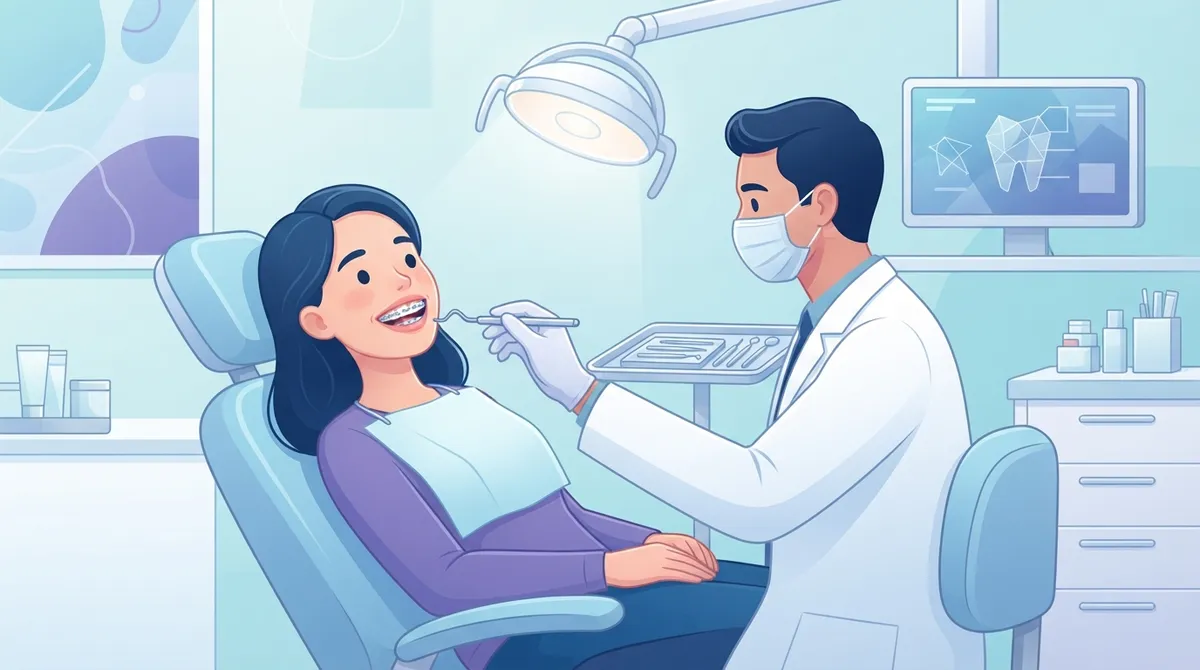
Braces adjustment visits are routine check-ins during active treatment with fixed braces. Your orthodontist looks at how your teeth are moving and checks your oral health. Then they make the next planned change to your braces.
Here is a fun fact that surprises many families. Your teeth do not move all at once during the visit. Your braces apply gentle, steady pressure in the weeks between appointments. The visit is when your orthodontist checks progress and sets up the next stage.
An NHS hospital orthodontic service describes tooth movement at roughly 1 mm per month. That is a general estimate, not a promise for any one person. Every mouth is different, and your timeline depends on your own treatment plan.
How Often Do You Need Braces Adjustment Visits?
Most people visit about every 6 to 8 weeks. That is the common range in NHS patient guidance. But your schedule may look a little different, and that is perfectly normal.
The American Association of Orthodontists describes adjustment visits as happening every 4 to 12 weeks, depending on your stage of treatment. A UK Health Research Authority summary also notes that there is no single agreed interval for everyone. It describes a study that compared 4, 6, 8, and 10 week gaps.
| Source | Typical Interval |
|---|---|
| NHS patient guidance | About every 6 to 8 weeks |
| American Association of Orthodontists | Every 4 to 12 weeks, based on treatment stage |
| UK Health Research Authority study summary | Compared 4, 6, 8, and 10 week intervals |
The takeaway? Your orthodontist sets the schedule that fits your teeth. Early on, you may come in more often. Later, the gaps may stretch out.
What Happens During a Braces Adjustment Appointment?
Knowing what is coming helps calm any nerves. This is especially helpful for younger kids and first-time patients. Here is a typical flow:
- Check-in and a quick chat. The team asks how things have been. Tell them about any sore spots, loose pieces, or questions.
- Removing the old elastic ties or bands. These are the little rubber pieces that hold the wire to each bracket.
- Checking your teeth and gums. Your orthodontist looks at tooth movement and how well you are cleaning around your braces.
- Changing or repositioning the archwire. This is the thin wire that guides your teeth. It may be swapped for a new one or adjusted.
- Placing fresh elastic ties. Many patients love choosing new colors here!
- Planning the next step. You will hear what comes next and when to return.
Some visits include extra steps, like adding elastics (rubber bands) for bite correction. Every plan is personal. At Chacon Orthodontics, our custom braces are designed around your smile, so each adjustment is planned for your case.
How Long Does a Braces Adjustment Visit Take?
Most adjustment visits are pretty quick. One NHS patient leaflet gives about 15 minutes for routine adjustments in its treatment pathway. That is a handy guide, but it is not a rule for every office.
Your visit may run longer if your orthodontist needs to do more. For example, a wire change, a broken bracket repair, or a new set of elastics can add time. A quick look and a retie is usually faster.
If you have a packed schedule, plan a little wiggle room. Teens may want to avoid booking right before a big game. Working adults can often pick early morning or late afternoon times to protect their workday.
How to Prepare Before Your Adjustment Visit
A few small habits make your appointment faster and more comfortable. Think of this as your pre-visit checklist.
Clean Your Teeth Well
Brush and floss before you go. Clean teeth let your orthodontist see everything clearly. It also feels nicer for you during the visit. Need a refresher on technique? Our guide on how to brush and floss with braces effectively has you covered.
Make a Quick List of Questions
It is easy to forget things once you are in the chair. Jot down questions on your phone. You might ask about foods, retainers, or how much longer treatment may take.
Note Any Problems
Did a wire poke you? Did a bracket feel loose? Mention it early in the visit. Small fixes are much easier when we know about them.
Bring Your Gear
If you wear elastics, bring any extras. If you use orthodontic wax, bring that too. Kids and teens may want to bring a favorite playlist or headphones if allowed.
Tips for Different Patients
Every patient has a different life. Here is how to make adjustment visits work for you.
- Parents of children: Keep the mood light. Explain that the visit is quick and that a little pressure afterward is normal. A soft snack plan for later helps kids feel taken care of. If your child is just starting out, read what to expect at your child’s first visit.
- Teen patients: Pick appointment times that fit around school and sports. Use the visit to ask about mouthguards and how to protect your braces during games.
- Adult professionals: Book recurring slots early in the day. Short visits can fit into a lunch break or before work.
- Bilingual families: You can ask questions in the language you feel best in. Our team offers care in both English and Spanish, so everyone in the family feels heard.
- Smile seekers: Ask what your next adjustment will change. Seeing the plan helps you feel excited about your progress!
Do Braces Adjustments Hurt?
The visit itself is usually not painful. But your teeth may feel tender afterward. That soreness is a normal sign that your braces are working.
NHS guidance says soreness after braces are fitted or adjusted commonly lasts a few days. One NHS leaflet describes aching for about 2 to 3 days after adjustments. Most people feel better quickly, and it often gets easier as treatment goes on.
Curious about the bigger picture? Dr. Chacon covers it in Are Braces Painful? Dr. Chacon Shares What to Expect.
How to Feel Comfortable After Your Visit
You do not have to tough out the sore days. Try these simple comfort steps.
- Eat soft foods. Think yogurt, soup, mashed potatoes, pasta, scrambled eggs, and smoothies.
- Use over-the-counter pain relief if needed. Always follow the directions on the label and your clinician’s advice.
- Rinse with warm salt water. This can soothe tender gums and any small sore spots.
- Use orthodontic wax. A small piece over a rough bracket can protect your cheeks and lips.
- Keep cleaning your teeth. Be gentle, but do not skip brushing and flossing.
Need ideas for what to eat? Check out these braces friendly snacks. And when you feel better, keep these foods to avoid with braces in mind so you do not break a bracket.
When to Call Your Orthodontist Between Visits
Most of the time, you can wait until your next appointment. But some problems should not wait. Reach out to your orthodontic office if:
- Your pain is severe or lasts longer than a few days
- A bracket breaks or comes loose
- A wire is poking or cutting your cheek or gums
- You have an injury to your mouth
Not sure what counts as urgent? Our guide on orthodontic emergencies and when to call Dr. Chacon explains it clearly. You can also read what to do about a broken braces bracket for step-by-step help.
For a quick fix at home, push a poking wire gently with a pencil eraser, or cover it with wax. Then call the office so we can take care of it properly.
Can You Delay or Miss an Adjustment Visit?
Life gets busy, and we get it. But skipping visits can slow your progress. Your braces need regular check-ins so your orthodontist can guide each stage of movement.
If you must reschedule, call as soon as you can. A short delay is often manageable. A long gap, though, may extend your treatment time. Keeping your schedule helps you finish on time and reach your best result. Curious about the overall timeline? Read how long braces treatment takes.
Why Your Orthodontist Changes Wires and Elastic Ties
You may wonder why we swap things out each time. There is a good reason.
- Elastic ties lose their stretch. Over weeks, they get weaker and can pick up stains. Fresh ones hold the wire snugly.
- Wires guide tooth movement. As your teeth shift, a new or reshaped wire sets the next direction.
- Small changes add up. Each planned step builds on the last, bringing you closer to your goal.
It is a bit like climbing stairs. Each visit is one step up toward a healthy, confident smile.
Make Every Visit Count
Great results come from teamwork. You do your part at home, and your orthodontist does theirs in the chair. Here are a few final habits that help:
- Keep every scheduled appointment
- Wear your elastics exactly as directed
- Brush after meals and floss daily
- Skip hard, sticky, and chewy foods
- Ask questions whenever you are unsure
Want more tips for daily life? Explore our guide on life with braces and see how cleaning your teeth with braces every day keeps your smile healthy. If you are curious about the treatment steps ahead, take a look at the 9 steps in the orthodontic treatment process.
Chacon Orthodontics: Care You Can Count On
At Chacon Orthodontics, Dr. Omar Chacon leads a board-certified practice that treats kids, teens, and adults with personalized care. With locations in Westchase and Brandon, we use advanced tools like 3D digital imaging to plan each step with care. And since we speak both English and Spanish, every family can feel comfortable asking questions.
Want to see what our patients say? Visit our Chacon Orthodontics Brandon location on Google to read reviews. You can also follow our smile stories on Instagram and connect with us on Facebook. Dr. Chacon is also on LinkedIn.
Ready for Your Next Step?
Braces adjustment visits do not have to feel stressful. With a little prep, a soft snack plan, and a friendly team on your side, they become simple stops on the way to a confident smile. Remember to brush well, keep your appointments, and call us when something does not feel right.
Thinking about starting treatment, or want a second opinion on your progress? Book your free consultation and meet the team. Have a quick question first? Contact us anytime. We cannot wait to help you smile with confidence!
FAQs
Q: How often do you need braces adjustment visits?
A: Most people go about every 6 to 8 weeks, though your schedule may be shorter or longer. The American Association of Orthodontists describes a wider range of 4 to 12 weeks depending on your treatment stage. Your orthodontist will set the timing that fits your teeth.
Q: How long does a braces adjustment appointment take?
A: Routine adjustments are usually quick. One NHS patient leaflet lists about 15 minutes for routine visits in its treatment pathway. Visits can run longer if you need a wire change or a bracket repair.
Q: Do braces adjustments hurt, and how long does soreness last?
A: The visit itself is typically not painful, but your teeth may feel tender afterward. Soreness commonly settles within a few days, often around 2 to 3 days. Soft foods, warm salt water rinses, and over-the-counter pain relief used as directed can help you feel better.
Q: What should I do if a bracket breaks or a wire is poking me before my next visit?
A: Cover a poking wire with orthodontic wax and call your orthodontic office so they can guide you. Do not try to cut or remove parts yourself. If a bracket breaks or comes loose, or you have a mouth injury, reach out to the practice right away.
Q: Can I delay or miss a braces adjustment appointment?
A: It is best to keep every visit, since regular check-ins keep your treatment moving on track. If something comes up, call us as soon as you can to reschedule. Long gaps between visits may extend your total treatment time.





