Key Takeaways
-
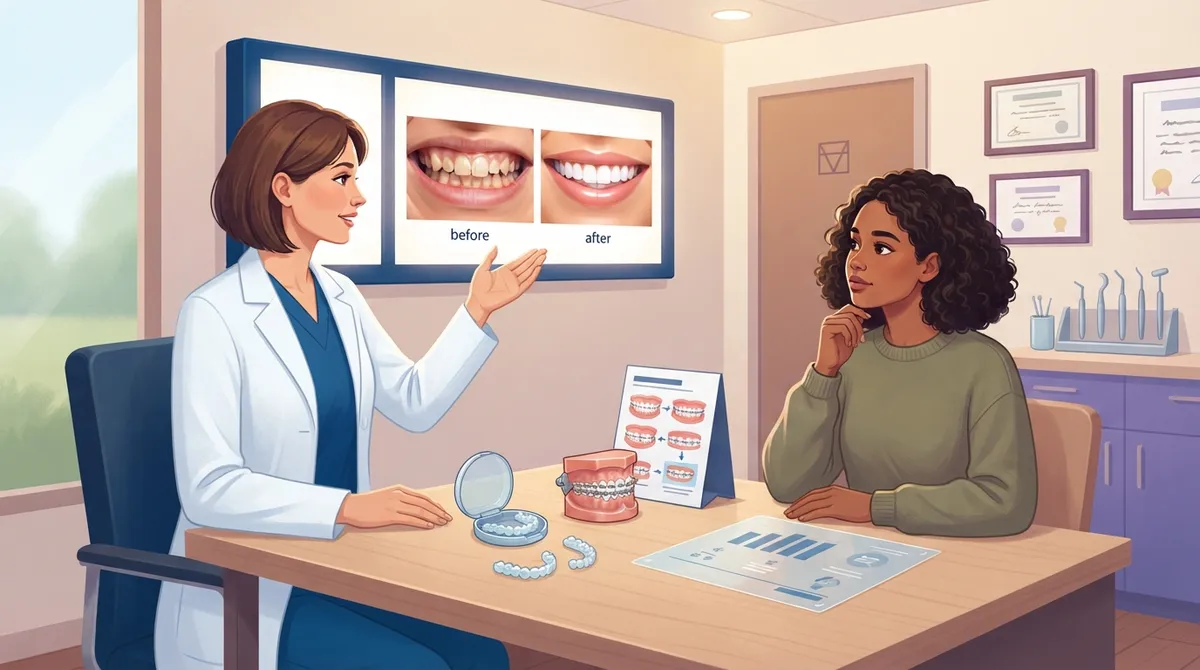
Ask your orthodontist to clearly explain your specific diagnosis, how it affects your bite and oral health, and show before-and-after photos of similar cases they've treated successfully.
-
Verify your orthodontist's credentials by asking if they're board-certified, completed an accredited residency, and have specific experience treating cases like yours to ensure quality care.
-
Understand the complete financial picture upfront: total treatment cost, payment plans available, insurance coverage, and what happens if you need refinements, retainer replacements, or must pause treatment early.
-
Discuss your treatment options in detail and ask your orthodontist specifically which they recommend for you and why, considering factors like complexity, lifestyle, and your ability to commit to daily wear schedules.
-
Ask about the retention phase after active treatment ends, including retainer type, daily wear requirements, and long-term commitment, since teeth can shift even years after treatment completes.
-
Clarify potential risks and side effects upfront such as enamel demineralization, gum recession, or tooth root shortening, and understand what's normal versus when you should contact your orthodontist.
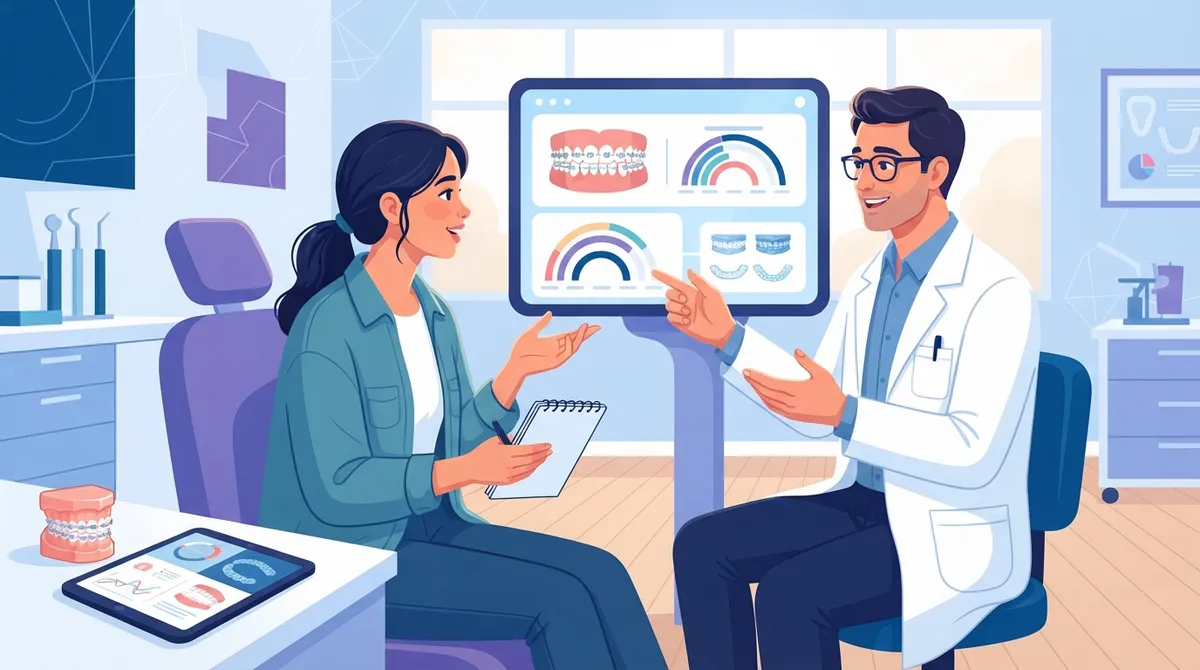
Walking into your first orthodontic consultation can feel a little overwhelming. There are trays, tools, and maybe even a screen showing a 3D image of your teeth. It’s a lot! But here’s the good news: you don’t need a dental degree to have a great conversation with your orthodontist. You just need the right questions in your back pocket.
Knowing what to ask your orthodontist helps you feel confident about your treatment plan, your budget, and your timeline. Whether you’re a parent bringing in your seven-year-old for a first checkup, a teen weighing braces against clear aligners, or an adult professional wondering if you can straighten your smile without anyone noticing, this guide walks you through exactly what to ask. Think of it as your friendly cheat sheet for your next appointment.
Why Asking Questions Matters So Much
Orthodontic treatment is a partnership. You and your orthodontist are working together toward the same goal: a healthy, confident smile. But that partnership only works well when you understand what’s happening and why.
The American Association of Orthodontists points out that every consultation should cover the diagnosis, your treatment options, the goals of treatment, whether extractions are needed, additional dental services required, how long treatment will take, and the cost. That’s a lot of ground to cover, but breaking it into smaller chunks makes it manageable.
At Chacon Orthodontics, families in Westchase and Brandon appreciate having a board-certified orthodontist who takes the time to explain things clearly, in English or Spanish. That kind of open communication is exactly what you should expect and ask for wherever you go.

Questions About Your Diagnosis and Treatment Goals
Before anything else, you want to understand what’s actually going on with your teeth or your child’s teeth. Don’t be shy about asking for specifics.
- What exact problem are you diagnosing, and how does it affect my bite, speech, or appearance?
- How will this issue affect my oral health if I don’t treat it?
- What are the specific goals of my treatment plan?
- Can you show me before-and-after photos of similar cases you’ve treated?
- Will I need any other dental work done first, like fillings or gum treatment?
If you’re unsure whether your child needs braces now or later, our guide on early signs you need braces can help you spot red flags before your visit.
Questions About Treatment Options
Not every case calls for the same appliance. Your orthodontist should walk you through the choices available and explain why one option might work better than another for your specific situation.
| Treatment Option | Best For | Key Question to Ask |
|---|---|---|
| Metal Braces | Complex bite issues, kids and teens | How long will I need to wear these, and what foods should I avoid? |
| Ceramic Braces | Teens and adults wanting a subtle look | Do these stain, and how do I keep them clean? |
| Clear Aligners | Mild to moderate cases, busy adults | Am I disciplined enough to wear these 20-22 hours a day? |
| Retainers | Post-treatment maintenance | How long will I need to wear my retainer? |
Ask your orthodontist directly: “Which treatment do you recommend for me, and why?” Factors like tooth movement needed, jaw growth, gum health, and your lifestyle all play a role. If you’re torn between two options, our article on braces vs clear aligners breaks down the pros and cons for teens and adults alike.
Questions About Extractions, Surgery, or Extra Appliances
Some cases need more than just brackets and wires. Ask whether you might need:
- Tooth extractions to create space
- Jaw surgery for severe bite problems
- Elastics or headgear to guide jaw growth
- Referrals to a general dentist or oral surgeon
Understanding these possibilities upfront prevents surprises later. If jaw alignment is a concern, check out our resource on overbite vs underbite to better understand bite classifications.
Questions About Timeline and Commitment
Treatment length varies a lot from person to person. According to NHS patient guidance, orthodontic treatment typically takes about 18 to 24 months, though simpler cases may finish sooner and complex ones can take longer.
Here’s what to ask:
- How long do you expect my treatment to last?
- What could make my treatment take longer than expected?
- How often will I need appointments?
- What happens if I miss an appointment or break an appliance?
Missed visits, poor brushing habits, and broken brackets can all stretch out your treatment time. Staying consistent really does pay off. If you want a sense of what daily life looks like during treatment, our guide on life with braces offers a realistic preview.
Questions About Risks and Side Effects
Orthodontic treatment is safe and effective, but it’s not entirely risk-free. It’s smart to ask your orthodontist about potential side effects so you know what’s normal and what’s not.
Some things worth discussing:
- Could I develop white or brown spots on my teeth (enamel demineralization)?
- Is there a risk of gum irritation or recession?
- Could my tooth roots shorten during treatment?
- What happens if my bite changes unexpectedly?
Your risk level depends on things like your oral hygiene, diet, and how much movement your teeth need. Asking these questions shows your orthodontist you’re serious about understanding the full picture, not just the exciting parts.
Questions About Retainers and Long-Term Results
Here’s something a lot of patients don’t realize: finishing active treatment isn’t the end of the road. Retention is a lifelong part of orthodontic care.
NHS England guidance notes that the ligament holding your tooth in place takes about 18 months to fully reorganize after movement. That’s why retainers matter so much. Some patients wear removable retainers nightly at first, then scale back to two or three nights a week long-term. Fixed retainers may last four to five years or longer, depending on your case.
Ask your orthodontist:
- What type of retainer do you recommend for me?
- How often do I need to wear it, and for how long?
- How do I clean my retainer properly?
- What happens if I lose or break it, and how much does a replacement cost?
Curious about your options? Our breakdown of retainer types every orthodontic patient should know is a great next read.
Questions to Check Your Orthodontist’s Credentials
You wouldn’t hire a contractor without checking references, right? The same logic applies here. The American Board of Orthodontics recommends asking about education, board certification, and hands-on experience.
| Credential Question | Why It Matters |
|---|---|
| Are you board-certified? | Shows ongoing commitment to advanced training and standards |
| Did you complete an accredited orthodontic residency? | Confirms specialized training beyond dental school |
| How many years have you treated cases like mine? | Gives you confidence in their experience level |
| Will you personally oversee my treatment? | Ensures consistent, quality care throughout |
Dr. Omar Chacon, who leads Chacon Orthodontics, is board-certified with more than a decade of experience treating patients of all ages. Learning why this matters can help you feel more confident in your choice, so take a look at our article on why choosing a board-certified orthodontist makes all the difference.
Questions About Costs and Payment
Money talk can feel awkward, but it’s one of the most important parts of your consultation. Ask for a written treatment plan that spells out every cost.
Key questions include:
- What is the total cost of my treatment, including consultations and diagnostics?
- Do you offer payment plans or financing?
- Does my dental insurance cover any part of this?
- What’s included if I need refinements, retainer replacements, or emergency visits?
- What happens financially if I need to pause or stop treatment early?
Many practices, including Chacon Orthodontics, offer a free consultation so you can get these answers before committing to anything. It’s a low-pressure way to explore your options.
Questions for Parents of Young Children
If you’re bringing in a child, your questions look a little different. You’ll want to focus on growth, timing, and habits.
- Is my child at the right age for an evaluation?
- Should we start treatment now, or wait until more permanent teeth come in?
- Are habits like thumb sucking affecting their bite?
- Will they need two phases of treatment?
Early evaluations, usually around age seven, can catch problems while your child’s jaw is still growing. Our article on early orthodontic treatment explains why timing matters so much.
Questions for Adults Considering Treatment
Adult patients have their own set of concerns, often centered around work schedules, appearance, and existing dental history.
Be sure to mention:
- Any medications you’re taking
- Smoking or vaping habits
- Prior dental work like crowns or implants
- Jaw pain or clicking
- Previous orthodontic treatment as a teen
This information helps your orthodontist create a plan that fits your unique dental history. If you’re weighing discreet options that fit a busy career, check out our piece on why adults are choosing orthodontic treatment later in life.
Questions About Emergencies and Daily Care
Life happens. A wire pokes, a bracket pops off, or your aligner goes missing. Knowing what to do ahead of time saves stress later.
Ask your orthodontist:
- Who do I call if I have a dental emergency after hours?
- What should I do if a bracket breaks or a wire is poking me?
- How do I care for my teeth and appliances day to day?
- What foods should I avoid during treatment?
Our guide on foods to avoid with braces is a handy reference to keep on your fridge.
Putting It All Together
Here’s a quick recap of the main categories to cover during your consultation:
- Diagnosis and treatment goals
- Available treatment options and recommendations
- Possible extractions, surgery, or extra appliances
- Expected timeline and what could extend it
- Risks and side effects
- Retainer plan and long-term maintenance
- Orthodontist credentials and experience
- Total costs, insurance, and payment plans
Bringing a written list of questions to your appointment (or even keeping this article open on your phone) ensures you don’t forget anything important. A good orthodontist will welcome your questions, not rush past them.
Why Local, Bilingual Care Makes a Difference
For many families in Westchase and Brandon, being able to ask questions in their preferred language, English or Spanish, makes a huge difference in feeling comfortable and understood. Clear communication builds trust, and trust makes the entire treatment process smoother for everyone involved.
You can also connect with the practice on Instagram or Facebook to see real patient transformations and get a feel for the office atmosphere before your visit. Dr. Chacon’s professional background is also detailed on LinkedIn if you’d like to learn more about his training and experience.
Want to see what real patients are saying? You can visit us on Google — Chacon Orthodontics West Chase to read reviews from families just like yours.
Ready to Start the Conversation?
Asking the right questions turns a confusing consultation into a clear, confident decision. Whether you’re exploring braces for your child, weighing clear aligners as a busy professional, or simply want a second opinion, being prepared makes all the difference.
If you’re in the Westchase or Brandon area and ready to get your questions answered by a board-certified orthodontist, schedule your free consultation today and take the first step toward a smile you’ll love.
FAQs
Q: What should I ask an orthodontist at my first consultation?
A: Start by asking about your diagnosis, treatment options, expected timeline, and total cost. It also helps to ask about the orthodontist’s credentials and whether they’ll personally oversee your care. A good consultation should leave you feeling informed, not confused, so don’t be afraid to ask follow-up questions until things click.
Q: How do I know if an orthodontist is qualified and board certified?
A: Simply ask! A trustworthy orthodontist will happily share their education, residency training, and board-certification status. Dr. Omar Chacon, for example, is board-certified with over ten years of experience, which he’s always glad to discuss with new patients.
Q: How long will orthodontic treatment take, and what can make it longer?
A: Most treatment plans run about 18 to 24 months, though this varies based on how complex your case is. Missed appointments, poor oral hygiene, and broken brackets can all stretch out your timeline, so staying consistent really pays off.
Q: How long do I need to wear retainers after braces or aligners?
A: Retainers are a long-term commitment, not a quick afterthought. Many patients wear them nightly at first, then reduce to a few nights a week for years afterward, since teeth can shift even after treatment ends.
Q: What happens if I lose my retainer or break my orthodontic appliance?
A: Don’t panic! Call your orthodontist’s office right away to schedule a repair or replacement. Waiting too long can allow your teeth to shift, so it’s best to address broken brackets or lost retainers as soon as possible.