
Key Takeaways
-
Clear aligners offer a discreet, removable option requiring 20-22 hours daily wear with treatment typically completing in 12-16 months, making them ideal for busy professionals and image-conscious adults.
-
Traditional metal braces remain the most reliable choice for complex cases involving severe crowding, gaps, or bite problems, with treatment lasting 18-24 months and requiring checkups every 4-6 weeks.
-
Early interceptive orthodontic treatment for children ages 7-10 can prevent more complicated problems later by guiding jaw growth and creating space for permanent teeth before they become severely misaligned.
-
Digital 3D imaging and treatment planning technology now allows orthodontists to show patients a preview of their future smile before treatment begins, setting clear expectations from day one.
-
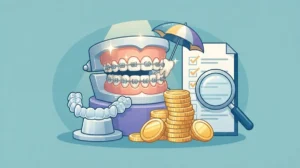
Most dental insurance plans cover approximately 50% of orthodontic treatment up to a lifetime maximum, and flexible payment plans using FSA/HSA funds can make alignment services more affordable for families.
-
Ceramic braces provide a middle-ground option with tooth-colored brackets that blend naturally while maintaining the reliability of traditional braces, appealing to teens and adults concerned with appearance.
Crooked teeth. Gaps. A bite that just feels off. If any of these sound familiar, you’re not alone. Millions of people in the U.S. deal with some form of misalignment, and the good news is that teeth alignment services have never been more comfortable, faster, or easier to fit into a busy life. Whether you’re a parent watching your child’s baby teeth come in crooked, a teen worried about school photos, or a working adult who wants a straighter smile without anyone noticing, there’s a treatment path built for you.
At Chacon Orthodontics, families in Westchase and Brandon, Florida trust Dr. Omar Chacon and his team to guide them through every option, from clear aligners to custom braces. This guide breaks down 15 teeth alignment services and related solutions so you can walk into your next appointment feeling confident and informed. Let’s get started.

1. Traditional Metal Braces
Metal braces remain one of the most reliable teeth alignment services around. They use brackets and wires to apply steady pressure, gradually shifting teeth into their correct spots. Metal braces work well for kids, teens, and adults dealing with crowding, gaps, or bite problems. If you’re curious how they compare to newer options, this guide on traditional braces vs clear aligners breaks down the pros and cons clearly.

2. Ceramic Braces
Ceramic braces work just like metal braces but use tooth-colored or clear brackets. They blend in with your natural teeth, which makes them a popular pick for image-conscious teens and adults. They’re a great middle ground between full metal braces and clear aligners.
3. Clear Aligners
Clear aligners are custom-made, removable trays that gradually shift teeth into place. Most patients wear them 20 to 22 hours a day, only removing them to eat, brush, and floss. Each tray is typically worn for one to two weeks before moving to the next set in the series. If you want to learn more about how these trays actually work, check out this breakdown of removable aligners and how clear trays straighten your smile.
4. Self-Ligating Braces
Self-ligating braces use a special clip instead of elastic bands to hold the archwire in place. This can mean fewer adjustments and sometimes a bit less discomfort. They’re worth asking about during your free consultation if you want low-maintenance treatment.
5. Palatal Expanders
Expanders widen a narrow upper jaw, creating more room for teeth to line up properly. They’re most often used with kids and young teens whose jaws are still growing. Catching these issues early can prevent more complicated treatment later.
6. Retainers
Once your active alignment treatment ends, retainers keep your teeth from drifting back. Clear retainers and wire Hawley retainers are both common choices. Wondering how long you’ll need to wear one? This article on keeping your smile straight for life explains what to expect.
7. Elastics (Rubber Bands)
Elastics connect to brackets to help correct bite issues like overbites and underbites. They apply extra force in specific directions that braces alone can’t achieve. Patients usually wear them full-time and swap them out daily.
8. Archwire Adjustments
Archwires guide the direction and speed of tooth movement throughout treatment. Your orthodontist adjusts or replaces them at regular visits to keep progress moving smoothly. This is a normal part of nearly every braces journey.
9. Early (Interceptive) Orthodontic Treatment
Interceptive treatment targets kids around age 7 to 10, catching alignment problems before they get worse. It can guide jaw growth and create space for permanent teeth. Parents can learn more in this guide to early orthodontic treatment.
10. Adult Orthodontic Treatment
It’s never too late to straighten your smile. Adults now make up a large share of orthodontic patients, often choosing discreet options like clear aligners or ceramic braces. If you’ve been putting off treatment, this piece on orthodontic treatment for adults is a great place to start.
11. Teen-Focused Treatment Plans
Teens have unique needs, from sports mouthguards to school picture day. Many providers now offer treatment plans built around a teen’s social calendar and activities. Options like clear aligners or ceramic braces can help teens feel more confident while still getting results.
12. Bite Correction Appliances
Beyond crooked teeth, alignment services also fix overbites, underbites, and crossbites. Special appliances work alongside braces or aligners to correct jaw positioning. Left untreated, bite problems can cause jaw pain and uneven wear on teeth over time.
13. Digital 3D Imaging and Treatment Planning
Modern orthodontic care relies on advanced technology to map out your treatment before it even begins. Digital scans replace messy molds and let your orthodontist show you a preview of your future smile. This kind of planning helps set clear expectations from day one.
14. Teeth Whitening as a Finishing Touch
Many patients pair their alignment treatment with professional teeth whitening once braces come off. It’s a simple way to complete your smile transformation. Learn more about teeth whitening options available after treatment.
15. Bilingual, Personalized Consultations
Getting started with teeth alignment services should feel welcoming, not confusing. Bilingual families in Westchase and Brandon appreciate being able to ask questions and get answers in English or Spanish. This kind of clear communication builds trust and makes treatment planning much less stressful.
How Braces and Clear Aligners Compare
Choosing between braces and aligners is one of the most common questions patients ask. Both options work well, but they suit different lifestyles and levels of misalignment. Here’s a simple side-by-side comparison to help guide your decision.
| Feature | Traditional Braces | Clear Aligners |
|---|---|---|
| Visibility | Noticeable (unless ceramic) | Nearly invisible |
| Removable | No | Yes, 20-22 hrs/day wear |
| Best For | Complex crowding, bite issues | Mild to moderate cases |
| Diet Restrictions | Yes, avoid sticky/hard foods | None, remove to eat |
| Average Treatment Time | 18-24 months | 12-16 months |
| Checkup Frequency | Every 4-6 weeks | Every 4-8 weeks |
For a deeper dive into which option fits your life, this comparison of braces versus clear aligners for teens covers even more detail.
What Affects Treatment Length
No two smiles are exactly alike, so treatment timelines vary from patient to patient. Several factors play a role in how long your alignment journey will take.
- Severity of misalignment — Mild crowding moves faster than complex bite issues.
- Patient compliance — Wearing aligners as directed speeds up results significantly.
- Age of the patient — Younger patients often see faster tooth movement.
- Type of appliance used — Some cases finish in as little as six months, while others take two years or more.
- Consistency of checkups — Skipping appointments can slow down your progress.
Understanding the Cost and Insurance Picture
Cost is often top of mind for parents and adults alike. Many dental insurance plans cover a portion of orthodontic treatment, often around 50% up to a lifetime maximum, though this varies by plan and sometimes by age. Some providers also note that coverage can reach up to $3,000 for certain treatments, and you can often pay using FSA, HSA funds, or a payment plan. If you want a clearer picture of what to expect, this article on how dental insurance covers orthodontic treatment walks through the details step by step.
Chacon Orthodontics also offers flexible payment plans so cost doesn’t have to stand between you and a straighter smile.
Who Benefits Most From Each Type of Treatment
Not everyone needs the same approach, and that’s a good thing. Here’s a quick breakdown of who tends to benefit most from each major option.
- Children ages 7-10: Often best suited for early interceptive treatment and expanders.
- Teens: Frequently choose ceramic braces or clear aligners for a balance of discretion and control.
- Busy professionals: Usually prefer clear aligners for their low profile and easy removal.
- Patients with complex bite issues: Often need traditional braces for more precise, hands-on correction.
- Bilingual families: Benefit from providers who offer care and communication in both English and Spanish.
What a Typical Treatment Journey Looks Like
Wondering what actually happens once you commit to treatment? Here’s a general step-by-step overview most patients can expect.
- Schedule a consultation to discuss your smile goals and concerns.
- Get digital scans, X-rays, and photos to build your treatment plan.
- Review your options, whether braces, aligners, or another appliance.
- Begin treatment and attend regular checkups every 4-8 weeks.
- Transition to a retainer once your active treatment is complete.
If you’re ready to take that first step, this guide on what to expect at your first orthodontic visit can help ease any nerves before your appointment.
Why Personalized Care Matters
Every smile is different, and cookie-cutter treatment plans rarely deliver the best results. Dr. Omar Chacon brings over a decade of experience to every case, combining advanced technology with a warm, patient-first approach. Families across Brandon and Westchase appreciate having a board-certified orthodontist who takes time to explain every step clearly, in English or Spanish.
You can also connect with the practice and see real patient stories on Instagram or Facebook. Dr. Chacon’s professional background is also featured on LinkedIn, where you can learn more about his training and approach to care.
Signs You Might Need Teeth Alignment Services
Not sure if it’s time to book a consultation? Watch for these common signs.
- Crowded, overlapping, or rotated teeth
- Noticeable gaps between teeth
- Difficulty chewing or biting food comfortably
- Jaw clicking, popping, or soreness
- Speech that seems affected by tooth position
- Teeth that don’t meet properly when you bite down
If any of these sound familiar, this article on early signs you need braces offers a helpful checklist for parents especially.
Choosing the Right Orthodontic Team
The provider you choose matters just as much as the treatment itself. Look for a board-certified orthodontist, transparent pricing, and a team that genuinely listens to your goals. Chacon Orthodontics serves families throughout Brandon and Westchase, and you can see what patients are saying by visiting the practice’s Chacon Orthodontics Brandon location on Google to read real reviews from local families.
Ready to Start Your Smile Journey
Teeth alignment services have come a long way, offering something for every age, lifestyle, and budget. Whether you’re exploring options for your child, considering aligners as a busy professional, or simply curious about what’s possible, the right plan is out there. Dr. Omar Chacon and the team at Chacon Orthodontics are ready to walk you through every step, in the language you’re most comfortable with.
Take the next step toward a smile you’ll love by scheduling your free consultation today, or feel free to get in touch with our team if you have questions before booking. Your straighter, more confident smile is closer than you think.
FAQs
Q: What are teeth alignment services in orthodontics?
A: Teeth alignment services include treatments like braces, clear aligners, retainers, and expanders that straighten crooked or crowded teeth and fix bite problems. They’re designed to improve both how your smile looks and how well your teeth function together. Our team at Chacon Orthodontics tailors each plan to fit your specific smile goals.
Q: What is the difference between braces and clear aligners?
A: Braces use fixed brackets and wires, while clear aligners are removable trays you swap out every one to two weeks. Braces tend to handle more complex cases, while aligners are great for mild to moderate crowding and offer a more discreet look. Both get great results, it really comes down to your lifestyle and needs!
Q: How long do teeth alignment services usually take?
A: Treatment time varies quite a bit, but many patients finish in 12 to 24 months depending on the complexity of their case. Some simpler adult cases wrap up in as little as six months, while more involved bite corrections can take two years or longer. Your orthodontist will give you a personalized estimate at your consultation.
Q: Are teeth alignment services covered by dental insurance?
A: Many dental insurance plans do cover orthodontic treatment, often around 50% up to a lifetime maximum, though this varies by provider and sometimes by age. We’re happy to help you understand your benefits and explore payment plans that make treatment more affordable. Don’t hesitate to ask us about financing options during your visit!
Q: Do adults benefit from orthodontic teeth alignment treatment?
A: Absolutely, it’s never too late to straighten your smile! Many adults choose discreet options like clear aligners or ceramic braces to fit their professional lives without much disruption. We see wonderful transformations in our adult patients throughout Brandon and Westchase every year.