Key Takeaways
-
Verify your orthodontist completed an accredited orthodontic residency and check for board certification through the American Board of Orthodontics, as this specialized training differs significantly from general dentists offering braces.
-
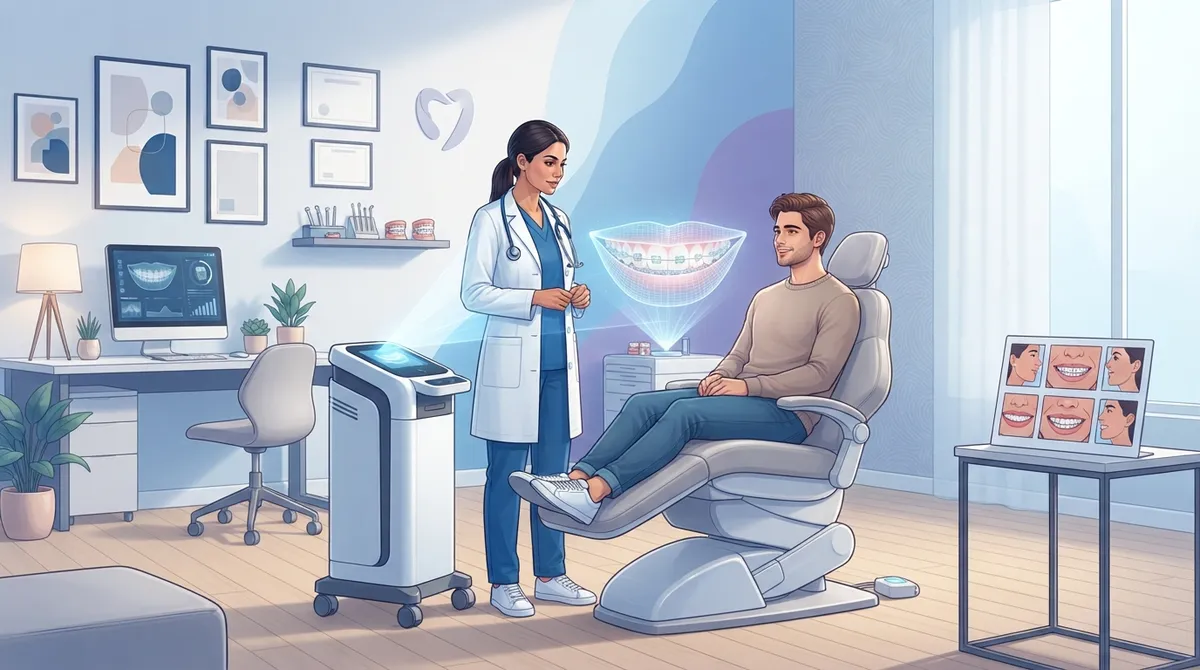
Expect a thorough first consultation including dental history review, hands-on exam, digital imaging, discussion of your goals, and a written treatment plan with cost breakdown before committing to any treatment.
-
Traditional braces cost $4,000-$8,000 and take 18-36 months on average, while clear aligners typically cost $3,000-$9,000 and take 12-18 months; always get a written quote as costs vary by region and case complexity.
-
Ask specific questions during consultation about the orthodontist's credentials, why they're recommending a specific appliance for your case, emergency protocols, payment plans, and retention procedures after treatment ends.
-
Combine online reviews with in-person consultation, before-and-after photos of similar cases, and credential verification rather than relying on reviews alone to assess if an orthodontist is right for your specific needs.
-
For families who prefer non-English communication, seek practices offering bilingual care to ensure clear understanding of treatment steps, costs, and aftercare instructions throughout your entire orthodontic journey.
Finding the best orthodontist for braces can feel like a big decision. Maybe you’re a parent noticing your child’s teeth coming in crooked. Maybe you’re a teen tired of hiding your smile in photos. Or maybe you’re a busy professional finally ready to fix that gap you’ve hated since middle school. Whatever brought you here, you’re not alone, and you’re asking the right question.
Braces are a big investment of time, trust, and money. The good news? You don’t need a magic formula to choose well. You just need to know what actually matters. In this guide, we’ll walk through exactly how to spot a great orthodontist, what questions to ask, and what red flags to watch for. Families across Westchase and Brandon, Florida have trusted Chacon Orthodontics for personalized, bilingual care, and we’ll share what that kind of quality care actually looks like.
Why the Right Orthodontist Matters More Than You Think
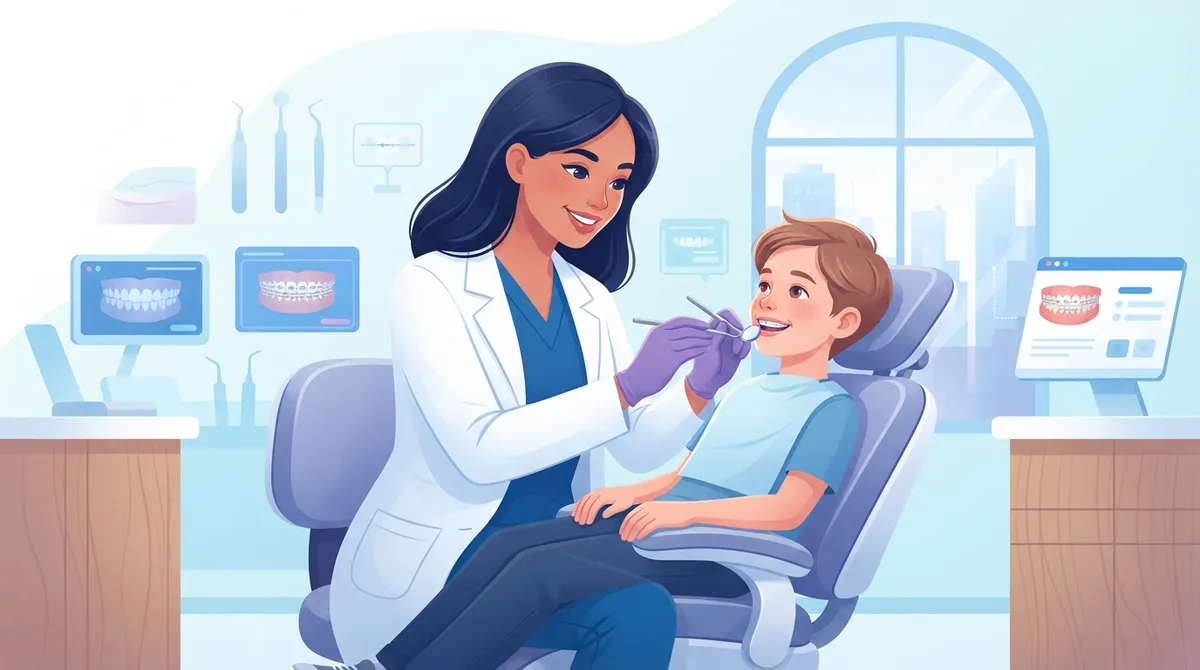
Braces aren’t a one-size-fits-all product. They’re a treatment plan built around your specific teeth, jaw, and bite. The orthodontist you choose will shape how comfortable your treatment is, how long it takes, and how happy you’ll be with the results.
A rushed diagnosis or a cookie-cutter plan can lead to longer treatment times, more office visits, or a smile that doesn’t quite hit the mark. That’s why picking the right specialist from day one saves you time, money, and headaches down the road.
Orthodontist vs. General Dentist: What’s the Difference?
Here’s something many people don’t realize. Not every dentist who offers braces is actually an orthodontist. An orthodontist is a dentist who completed extra years of specialized residency training focused only on straightening teeth and correcting bites.
In the United States, you can verify this training was completed at an accredited program. Some orthodontists go a step further and earn board certification through the American Board of Orthodontics, an extra credential that shows ongoing commitment to skill and quality. Learning to tell the difference between a specialist orthodontist and a general dentist is one of the smartest first steps you can take.
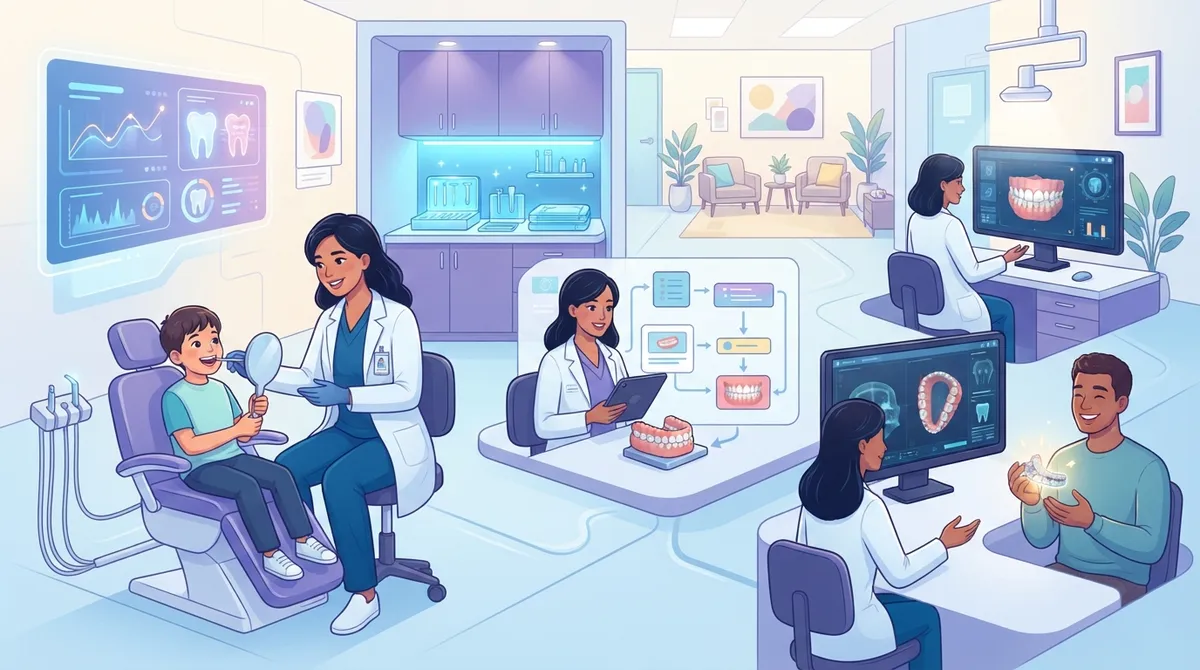
7 Qualities of the Best Orthodontist for Braces
So what actually separates a great orthodontist from an average one? Here are the traits worth prioritizing during your search.
- Specialized training and credentials. Confirm they completed an accredited orthodontic residency after dental school, and check for board certification as a bonus.
- A thorough first exam. A good orthodontist examines your teeth, bite, jaw growth, and facial structure, often using digital scans or X-rays before recommending anything.
- Personalized treatment plans. They should explain why they’re recommending metal braces, ceramic braces, or clear aligners for your specific case, not just push whatever is cheapest or trendiest.
- Clear, honest communication. You should leave your consultation understanding your treatment timeline, costs, and what to expect at each stage.
- Modern technology. Digital imaging and treatment-planning software can improve accuracy and comfort, though they don’t replace clinical experience and judgment.
- Transparent pricing. A written estimate should show the total cost, what’s included, and options for insurance or payment plans.
- Consistent support after treatment. Ask about retainers, emergency visits, and what happens if a bracket breaks or you miss an appointment.
Practices that check every one of these boxes tend to build long-term trust with patients and their families. That’s exactly the kind of care Dr. Omar Chacon aims to provide at both Westchase and Brandon locations.
What Happens During a Quality Consultation
A strong first visit sets the tone for your entire treatment. Here’s what you should expect to happen, step by step.
- A full review of your dental and medical history.
- A hands-on exam of your teeth, gums, jaw, and bite alignment.
- Digital X-rays or 3D imaging, if clinically needed.
- A conversation about your goals, whether that’s straighter teeth, a fixed bite, or a more confident smile.
- A written treatment plan outlining appliance options, estimated timeline, and total cost.
If an office skips several of these steps or pressures you to sign up on the spot, that’s worth noticing. You deserve time to think, ask questions, and even get a second opinion. Many families find it helpful to read what to expect at an orthodontic consultation before their first appointment so nothing feels like a surprise.
Comparing Treatment Options by Age Group
The best orthodontist for braces will tailor recommendations to your age, lifestyle, and specific alignment issues. Here’s a general breakdown of common approaches by life stage.
| Patient Group | Common Treatment Options | Typical Priorities |
|---|---|---|
| Children (ages 7-10) | Early monitoring, limited appliances if needed | Guiding jaw growth, catching issues early |
| Teens | Traditional braces, ceramic braces, clear aligners | Discretion, durability, fitting sports and school life |
| Adults | Clear aligners, ceramic or lingual braces | Low visibility, minimal disruption to work |
| Image-conscious patients | Clear aligners, whitening add-ons | Cosmetic results, confidence boost |
The American Association of Orthodontists recommends kids get their first orthodontic checkup by around age 7, even if they don’t need treatment right away. Early evaluation helps catch early signs that braces may be needed before problems get more complicated. If your child is in this age range, don’t wait for a dentist to mention it. Ask directly.
For Teens: Balancing Confidence and Convenience
Teenagers have a lot going on: sports, school photos, first dates, and social media. The best orthodontist for braces understands this and offers options that fit real teen life. Many teens today are comparing braces versus clear aligners to find what matches their personality and schedule best.
For Adults: Straightening Teeth Without Slowing Down
Adult patients often want low-profile treatment that fits their careers. Clear aligners have become especially popular among working professionals who want results without obvious metal in their smile. If this sounds like you, exploring how clear aligner trays actually straighten teeth can help you decide if they’re the right fit.
Understanding Braces Costs and Treatment Time
Cost is often the first question people ask, and it’s a fair one. According to industry cost estimates, traditional braces in the U.S. typically run about $4,000 to $8,000, while clear aligners often range from $3,000 to $9,000. Ceramic or lingual braces can cost more. These numbers vary widely by region, complexity, and what’s included, so always get a written quote.
As for timing, the American Association of Orthodontists’ 2025 economics survey reported a median treatment length of 22 months, with an average of 21.8 months. Broader industry estimates suggest traditional braces often run 18 to 36 months, while many clear aligner cases wrap up in 12 to 18 months. Keep in mind these are general ranges, not guarantees. Complex cases take longer, and how well you follow instructions matters too.
Here’s a quick summary table for reference:
| Treatment Type | Estimated Cost Range | Estimated Duration |
|---|---|---|
| Traditional metal braces | $4,000 – $8,000 | 18 – 36 months |
| Ceramic braces | Often higher than metal | 18 – 36 months |
| Clear aligners | $3,000 – $9,000 | 12 – 18 months |
If cost is a concern, ask about orthodontic payment plans and whether your dental insurance covers part of treatment. Many practices, including Chacon Orthodontics, offer flexible payment plans to make care more accessible for families.
Questions to Ask Before You Commit
Don’t be shy during your consultation. A confident orthodontist welcomes questions and answers them clearly. Bring this list with you:
- What is your training and are you board-certified?
- Why are you recommending this specific appliance for my case?
- What is the total cost, and what does it include?
- How long do you expect my treatment to take?
- What happens if I have an emergency, like a broken bracket?
- Do you offer payment plans or accept my insurance?
- What does retention look like after my braces come off?
A trustworthy orthodontist will answer these without hesitation and won’t rush you into a decision. If you’re weighing multiple practices, asking your orthodontist the right questions upfront can save you from surprises later.
The Role of Reviews and Real Patient Experiences
Online reviews are a helpful starting point, but they shouldn’t be your only research tool. Reviews are great for learning about communication, punctuality, and billing honesty. But they can’t tell you if a specific treatment plan is right for your bite or if the orthodontist has real experience with cases like yours.
Combine reviews with a real consultation, a look at before-and-after photos of similar cases, and a check of credentials. For a closer look at how communities evaluate their local providers, browsing adult orthodontics reviews from real patients can offer useful context alongside your own consultation notes.
You can also see what real patients say by checking Google reviews directly. Feel free to visit us on Google — Chacon Orthodontics Brandon to read firsthand experiences from families in the area. Following along on Instagram or Facebook can also give you a behind-the-scenes look at daily practice life and patient smiles.
Bilingual Care Matters for Many Families
For many families in Westchase and Brandon, comfortable communication in their preferred language is just as important as clinical skill. Miscommunication about treatment steps, costs, or aftercare can lead to confusion and frustration. Practices offering care in both English and Spanish help remove that barrier entirely, so nothing gets lost in translation.
Dr. Omar Chacon, originally from Puerto Rico and trained in New York City, brings this bilingual approach to every patient interaction. You can learn more about his background through his professional profile on LinkedIn, which highlights his years of orthodontic training and experience.
Life After Braces: Retainers and Long-Term Results
Getting your braces off is a huge moment, but it’s not the finish line. Teeth naturally want to shift back over time, which is why retainers are essential. The best orthodontist for braces will walk you through retainer options and how often to wear them.
Some patients wear clear retainers, others prefer wire-based ones. Either way, skipping this step can undo months or years of hard work. Understanding the different retainer types available helps you plan for the long run, not just the day your braces come off.
Finding the Right Fit Near Westchase and Brandon
If you’re searching for the best orthodontist for braces in the Westchase or Brandon area, location and convenience matter too. You want a practice that’s easy to reach for regular adjustment appointments, offers flexible hours, and treats every age group under one roof.
Chacon Orthodontics serves patients at two convenient Florida locations, offering care for children, teens, and adults with the same attention to detail and personalized planning. Whether you’re exploring options for your child’s first evaluation or considering aligners for yourself, a Free Consultation is a low-pressure way to get real answers and a written plan tailored to you.
Your Next Step Toward a Confident Smile
Choosing the best orthodontist for braces isn’t about finding the cheapest price or the flashiest ad. It’s about finding a trained specialist who listens, explains things clearly, and builds a plan around your unique smile. Whether you’re a parent watching for early signs, a teen ready for a confidence boost, or an adult professional wanting subtle results, the right fit is out there.
Ready to take the next step? Contact us today to schedule your consultation and start your journey toward a smile you’ll love showing off.
FAQs
Q: How do I find the best orthodontist for braces near me?
A: Start by checking credentials, like completion of an accredited orthodontic residency, and look for board certification as a bonus sign of expertise. Then schedule a consultation to see how they explain your treatment plan and whether their communication style feels right for you. Combining online reviews with an in-person visit gives you the fullest picture.
Q: Is a board-certified orthodontist better than a general dentist who offers braces?
A: Board-certified orthodontists complete years of specialized training focused entirely on teeth and bite correction, which general dentists typically don’t have. This extra training often means more experience handling complex cases and a deeper understanding of long-term results. It’s not that general dentists can’t help, but a specialist usually brings more focused expertise to your treatment.
Q: How much do braces cost, and what does the orthodontic fee include?
A: Traditional braces typically cost between $4,000 and $8,000, while clear aligners often range from $3,000 to $9,000, though prices vary by case and location. A good fee should include your initial exam, adjustments, and sometimes even your first retainer, so always ask for a written breakdown. Don’t be afraid to ask what happens if something extra comes up, like a broken bracket.
Q: How long do braces usually take to straighten teeth?
A: Recent industry data shows a median treatment time of about 22 months, though this varies based on how complex your case is. Traditional braces often take 18 to 36 months, while clear aligners frequently finish in 12 to 18 months for eligible cases. Your orthodontist can give you a more personalized estimate after your first exam.
Q: Which is better for my case: metal braces, ceramic braces, or clear aligners?
A: It really depends on your bite, your lifestyle, and how discreet you want treatment to be. Metal braces are durable and often best for complex cases, ceramic braces blend in more while still being sturdy, and clear aligners offer near invisibility for simpler cases. Your orthodontist should walk you through the pros and cons of each option based on your unique smile.