Key Takeaways
-
Verify your orthodontist completed 2-3 years of specialized residency training beyond dental school (approximately 3,700 extra hours), not just general dentistry, to ensure expertise in complex bite and jaw alignment issues.
-
Ask about multiple treatment options including traditional metal braces, ceramic braces, lingual braces, and clear aligners rather than accepting a one-size-fits-all recommendation that may not fit your lifestyle or budget.
-
Request a detailed cost breakdown before treatment begins, including total price, insurance coverage, monthly payment plans, and what happens if treatment extends beyond the estimated 18-24 month timeline.
-
Choose a provider who communicates clearly in your preferred language and takes time to explain your personalized treatment plan in simple terms rather than rushing through consultations.
-
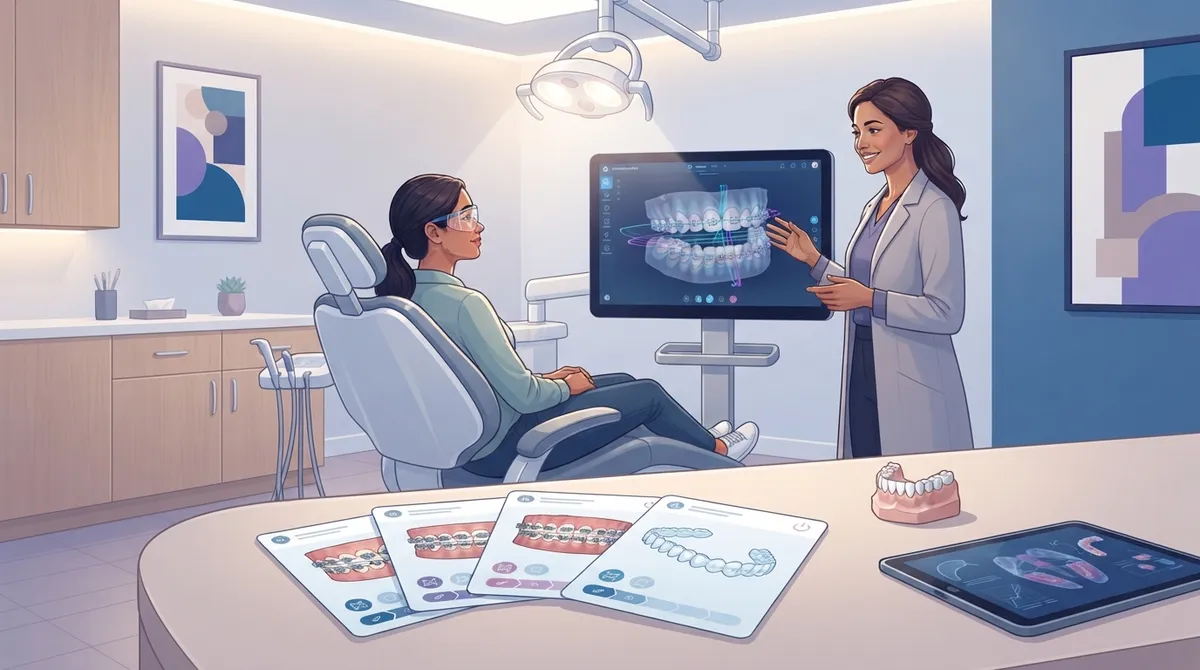
Confirm the practice uses modern 3D digital imaging technology for accurate diagnosis and treatment planning, and verify positive patient reviews from your local community on Google or similar platforms.
-
Schedule your child's first orthodontic evaluation by age seven to catch developing problems early, even if braces won't be needed immediately, as early detection prevents more serious issues.
Picking an orthodontist braces specialist can feel like a big decision. You want someone who knows their stuff, treats you like family, and gives you a smile you’ll love. Whether you’re a parent booking your child’s first checkup, a teen dreaming of a straighter smile, or an adult finally ready to fix your bite, this guide walks you through exactly what to look for. Grab a cup of coffee, and let’s talk about how to find a braces specialist you can truly trust.
At Chacon Orthodontics, families in Westchase and Brandon, Florida, already know how important it is to feel comfortable with your care team. Dr. Omar Chacon and his team treat kids, teens, and adults with warmth, patience, and plenty of know-how. But even if you’re just starting your search, these five signs will help you spot a truly great orthodontist braces specialist near you.
1. They Have Real Orthodontic Specialty Training
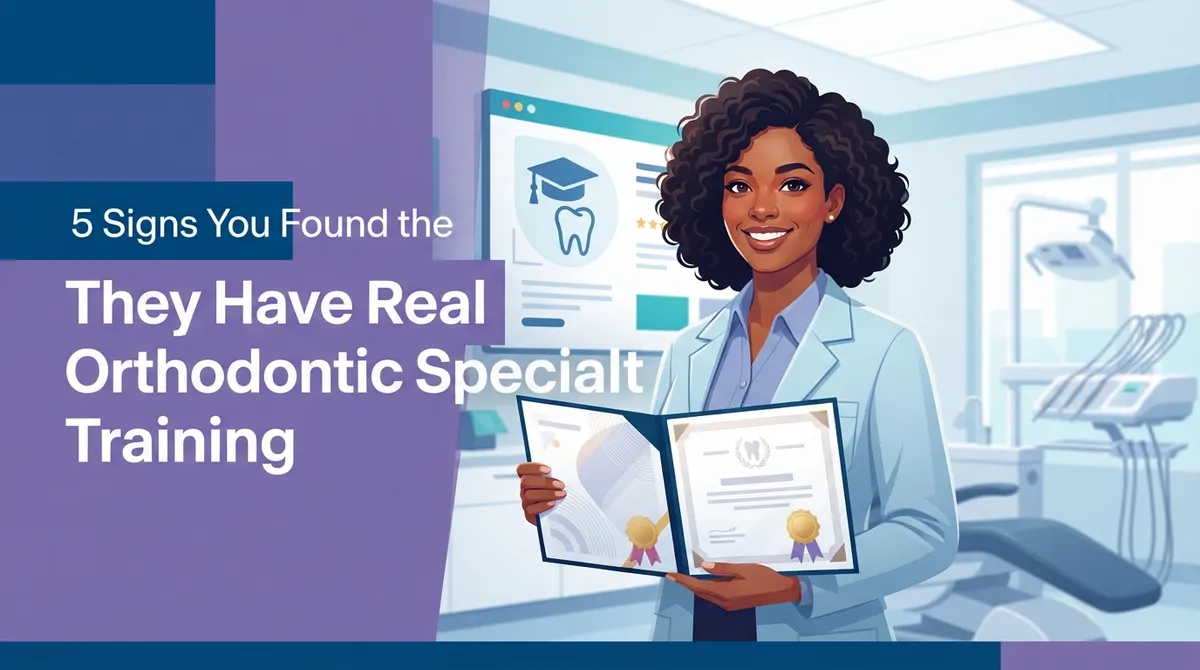
Here’s something a lot of people don’t realize: not every dentist who offers braces is actually an orthodontist. An orthodontist braces specialist completes dental school first, then goes on to finish two to three more years of specialized residency training just for orthodontics. That’s roughly 3,700 extra hours learning how teeth and jaws move, according to the American Association of Orthodontists.
This extra training matters. It means your specialist has studied bite problems, jaw growth, and tooth movement in much greater depth than a general dentist typically does. When you’re comparing providers, don’t be shy about asking where they trained and how long their residency lasted. A confident, board-certified specialist will happily share this information with you. You can learn more about why choosing a board-certified orthodontist makes all the difference before you book your first visit.
Why This Matters for Your Family
Think of it this way: you wouldn’t want a general practice doctor performing heart surgery. The same logic applies here. Complex bite issues, jaw alignment problems, and tricky tooth movement cases deserve a true specialist’s eye. This is especially important if your child has crowding, an overbite, or an underbite that needs careful monitoring over time.
2. They Offer a Variety of Braces and Aligner Options
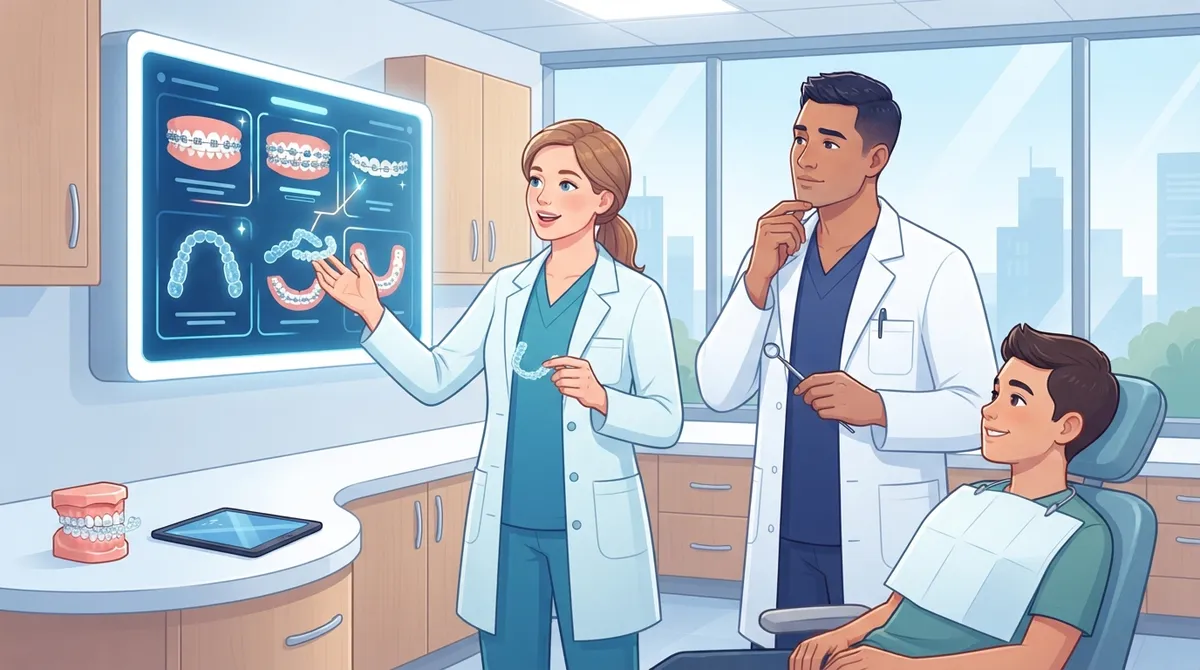
A great orthodontist braces specialist won’t push you toward a one-size-fits-all solution. Instead, they’ll walk you through several options and help you pick what fits your life, your budget, and your smile goals. Here’s a quick look at common choices:
| Treatment Type | Best For | Visibility |
|---|---|---|
| Traditional Metal Braces | Kids, teens, complex cases | Visible |
| Ceramic Braces | Teens and adults wanting less visibility | Low visibility |
| Lingual Braces | Adults wanting hidden treatment | Hidden behind teeth |
| Clear Aligners | Teens and adults with busy schedules | Nearly invisible |
Traditional metal braces use small brackets glued to your teeth, connected by a thin wire. They’re still one of the most reliable options, especially for tricky cases. If you want to compare your choices side by side, check out this breakdown of which braces are right for you: clear vs metal.
For adults who want something more low-key, removable aligners have become a popular pick. These clear trays are nearly invisible and can be taken out for meals, work presentations, or big dates. Many working professionals love this option because it fits their lifestyle without drawing attention.
What About Kids and Early Treatment?
The American Association of Orthodontists recommends that kids have their first orthodontic check-up by age seven. This doesn’t mean your seven-year-old will get braces right away. It simply means a specialist can spot developing problems early, before they become bigger issues. If you’re wondering about timing, this guide on early signs you need braces can help you know what to watch for at home.
3. They Explain Costs, Insurance, and Payment Plans Clearly
Nobody likes surprise bills. A trustworthy orthodontist braces specialist will sit down with you and explain the full cost of treatment before you commit to anything. They should also help you understand what your dental insurance covers and what options exist if you need financing.
Here are a few questions worth asking during your first visit:
- What is the total cost of treatment, including retainers afterward?
- Does my dental insurance cover any part of orthodontic care?
- Are there monthly payment plans available?
- What happens if treatment takes longer than expected?
- Is there a discount for paying in full upfront?
Many practices, including Chacon Orthodontics, offer free consultations so you can get these answers without any pressure. This is a great chance to meet the team, tour the office, and see if you feel comfortable before making any decisions.
4. They Communicate Clearly, In the Language You’re Most Comfortable With
Feeling understood by your healthcare provider isn’t a luxury, it’s essential. For bilingual families in Westchase and Brandon, finding an orthodontist braces specialist who speaks both English and Spanish can make every visit smoother and less stressful. You shouldn’t have to worry about lost-in-translation moments when discussing your child’s treatment plan or your own smile goals.
Dr. Omar Chacon, originally from Puerto Rico and trained in New York City, offers care in both English and Spanish. This means parents can ask questions freely, teens can express concerns comfortably, and adults can fully understand their treatment options without any language barrier getting in the way.
Building Trust Through Communication
Good communication goes beyond language, too. Your specialist should take time to explain your treatment plan in simple terms, answer your questions patiently, and make sure you understand what happens at each stage. If you ever feel rushed or confused during a consultation, that’s a sign to keep looking.
You can also get a feel for a practice’s communication style by checking their online presence. Following a practice on Instagram or Facebook often gives you a peek into how they interact with patients and share helpful tips.
5. They Use Modern Technology and Have Great Patient Reviews
Orthodontic care has come a long way. Today’s best specialists use 3D digital imaging, which creates a precise map of your teeth and bite without messy molds. This technology helps your orthodontist braces specialist plan your treatment more accurately and often speeds up the whole process.
Beyond the tech, patient reviews tell you a lot. Before choosing a specialist, take a few minutes to read what other patients say about their experience. You can visit us on Google — Chacon Orthodontics Brandon to see real feedback from local families who have gone through treatment themselves.
Here’s a simple checklist to help you evaluate any orthodontist braces specialist you’re considering:
- Board certification and specialty residency training confirmed
- Multiple treatment options offered, not just one type of braces
- Clear, upfront pricing and financing options
- Friendly, bilingual staff if language matters to your family
- Modern technology like digital imaging used in diagnosis
- Positive reviews from real patients in your community
- A welcoming, comfortable office atmosphere for kids and adults alike
What Happens During Treatment?
Once you’ve chosen your specialist, treatment typically follows a predictable path. Comprehensive braces treatment usually lasts about 18 to 24 months, though this varies a lot depending on your specific case. Severity of crowding, jaw growth, and how well you follow instructions all play a role in your timeline.
Braces can fix crowding, gaps, overbites, underbites, crossbites, and open bites. Beyond just looking great, straighter teeth are easier to clean and put less stress on your jaw over time. To keep things moving smoothly, you’ll need to:
- Attend regular adjustment appointments
- Brush and floss carefully around brackets and wires
- Avoid sticky or hard foods that can damage appliances
- Wear rubber bands or other tools exactly as instructed
- Wear your retainer faithfully once braces come off
If you want to know more about what daily life looks like once your braces are on, this guide about life with braces covers everything from eating tips to keeping your smile bright.
A Note on Statistics: Braces Are More Common Than You Think
You’re definitely not alone if you’re considering braces. Industry estimates from the American Association of Orthodontists suggest roughly 6.66 million people across the United States and Canada were in orthodontic treatment based on 2024 data. And adults make up a bigger slice of that group than you might expect, roughly one in four orthodontic patients today is an adult.
According to a Medical Expenditure Panel Survey analysis, about 67.6% of orthodontic patients are under 18, while adults aged 18 to 24 make up around 16.8%. So if you’re an adult professional considering treatment, you’re joining plenty of others who’ve decided it’s never too late for a straighter smile. Curious about your own options? This resource on orthodontic treatment for adults answers common questions adults often have.
Finding the Right Fit for Your Family
Choosing an orthodontist braces specialist isn’t just about credentials, though those matter a lot. It’s also about finding someone who makes you and your family feel genuinely cared for. Whether you’re bringing in your seven-year-old for their first evaluation or you’re an adult ready to finally get that smile you’ve always wanted, the right specialist will guide you every step of the way with patience and expertise.
You can also connect with Dr. Chacon’s professional background through his LinkedIn profile, where you’ll find more details about his training and approach to patient care.
Questions to Bring to Your First Visit
Not sure what to ask during your consultation? Here’s a simple list to keep handy:
- What treatment options do you recommend for my specific case?
- How long will my treatment likely take?
- What should I expect during the first few weeks of treatment?
- How do you handle orthodontic emergencies?
- What retention plan do you recommend after braces come off?
Being prepared with these questions helps you feel confident and informed, no matter which specialist you choose.
Ready to Take the Next Step?
Finding the right orthodontist braces specialist doesn’t have to feel overwhelming. With the right questions, a little research, and a practice that puts your comfort first, you’ll be well on your way to a smile you’re proud to show off. Chacon Orthodontics serves families throughout Westchase and Brandon with personalized, bilingual care built around your unique needs and goals.
If you’re ready to explore your options, why not start with a friendly, no-pressure visit? Schedule your free consultation today and take the first step toward a smile that makes you smile back.
FAQs
Q: What does an orthodontist braces specialist do?
A: An orthodontist braces specialist diagnoses bite and alignment problems, then creates a personalized treatment plan using braces or aligners. They monitor your progress at every visit and make sure your smile ends up healthy, functional, and beautiful. Think of them as your smile’s personal coach, guiding you from start to finish!
Q: What is the difference between a dentist and an orthodontist?
A: A dentist handles general oral health like cleanings, fillings, and checkups, while an orthodontist completes two to three additional years of specialized training just for aligning teeth and jaws. Both are important, but if you need braces or aligners, an orthodontist braces specialist has the extra expertise to handle complex movement and bite issues confidently.
Q: At what age should a child see an orthodontist?
A: The American Association of Orthodontists recommends a first evaluation by age seven. Don’t worry, this doesn’t mean braces right away! It simply gives your specialist a chance to spot developing issues early, so small problems don’t turn into bigger ones down the road.
Q: How long do braces take to straighten teeth?
A: Most comprehensive treatments take about 18 to 24 months, though this really depends on your specific case. Things like crowding severity, jaw growth, and how well you follow instructions can all affect your timeline, so your specialist will give you a personalized estimate after your exam.
Q: How should you choose a qualified orthodontist for braces?
A: Look for board certification, specialty residency training, clear pricing, and a range of treatment options like metal braces, ceramic braces, or clear aligners. It also helps to read patient reviews and make sure you feel genuinely comfortable and heard during your consultation, because trust matters just as much as credentials!