Key Takeaways
-
Cover a poking wire with orthodontic wax: dry the spot, roll a pea-sized ball, and press it over the sharp area. It is a temporary barrier, so replace it as needed.
-
Only gently nudge a wire back with a clean cotton swab or pencil eraser if it moves easily. If it feels stiff, stop and use wax instead of forcing it.
-
Never cut or forcefully bend a wire with household tools like nail clippers or scissors. A cut piece can be swallowed or inhaled.
-
Soothe irritated cheeks or lips with a warm salt-water rinse (about half a teaspoon of salt per cup) and stick to soft foods while the area heals.
-
Call your orthodontist for a real repair if the wire is broken or loose, keeps poking, causes a sore, or you cannot get comfortable with wax.
-
Seek urgent care for trouble breathing or swallowing, a suspected inhaled or swallowed wire piece, serious facial injury, or bleeding that won't stop.
You smile in the mirror, run your tongue along your teeth, and ouch. Something sharp is jabbing the inside of your cheek. If you are dealing with braces wire poking your mouth, take a deep breath. You are not alone, and it is almost always fixable.
A poking wire is one of the most common little annoyances of orthodontic treatment. It can happen to a nervous first-week patient, a busy teen between classes, or an adult professional right before a big meeting. The good news is that a few simple steps can bring quick relief at home while you wait to see your orthodontist.
In this guide, we will walk through four fast fixes, explain why wires poke in the first place, and share what you should never do. We will also cover when to call your orthodontist and when a problem needs more urgent care. Whether you are a parent helping a child, a teen managing school and sports, or an adult with a packed schedule, you will find practical, friendly advice here.
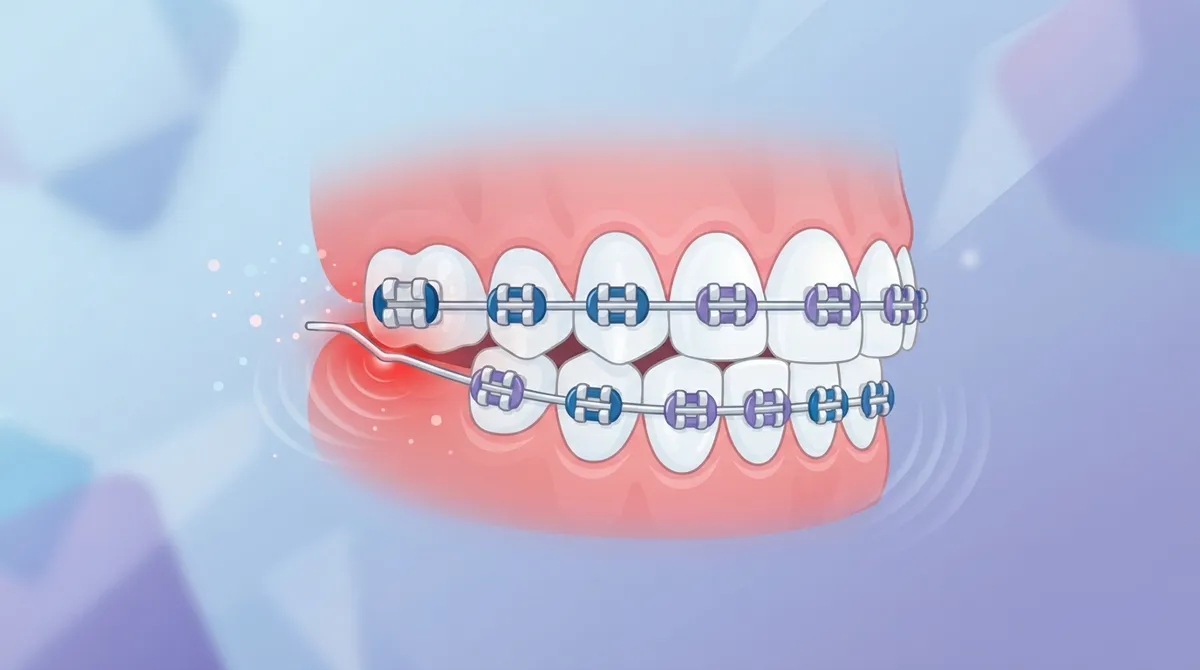
Why Is a Braces Wire Poking You?
Before we jump into the fixes, it helps to know what is going on. Your braces use a thin metal archwire that runs through small brackets on your teeth. As your teeth move, that wire can shift in ways that cause trouble.
Here are the most common reasons a wire pokes:
- The wire shifted as teeth moved. Teeth change position over time, so the end of the wire can slide and stick out.
- The wire rotated or came loose. A wire can pop out of a bracket or the tube on a back tooth.
- A wire became exposed. As teeth straighten, a wire that once sat neatly can end up pressing on soft tissue.
- Hard or sticky food bumped it. Crunchy snacks can nudge a wire out of place.
Most of the time, a poking wire is a small mechanical issue, not a sign that treatment is going badly. If you want a refresher on how treatment works from start to finish, our guide on braces treatment steps from start to finish explains what to expect along the way.
Fix #1: Cover It With Orthodontic Wax
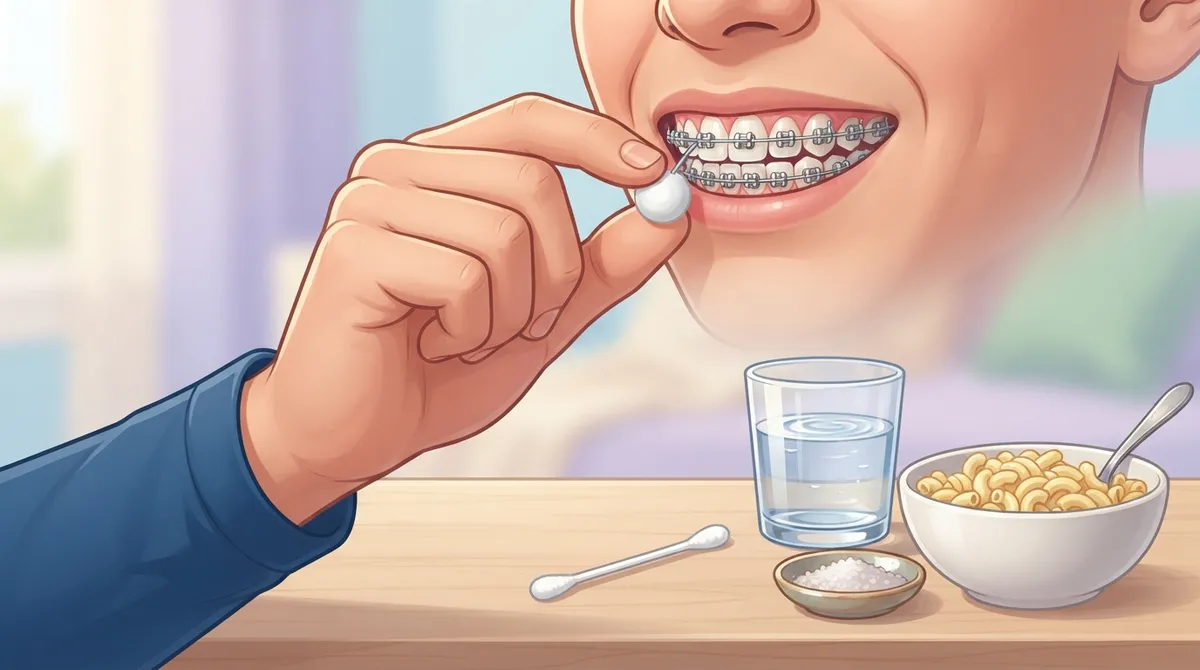
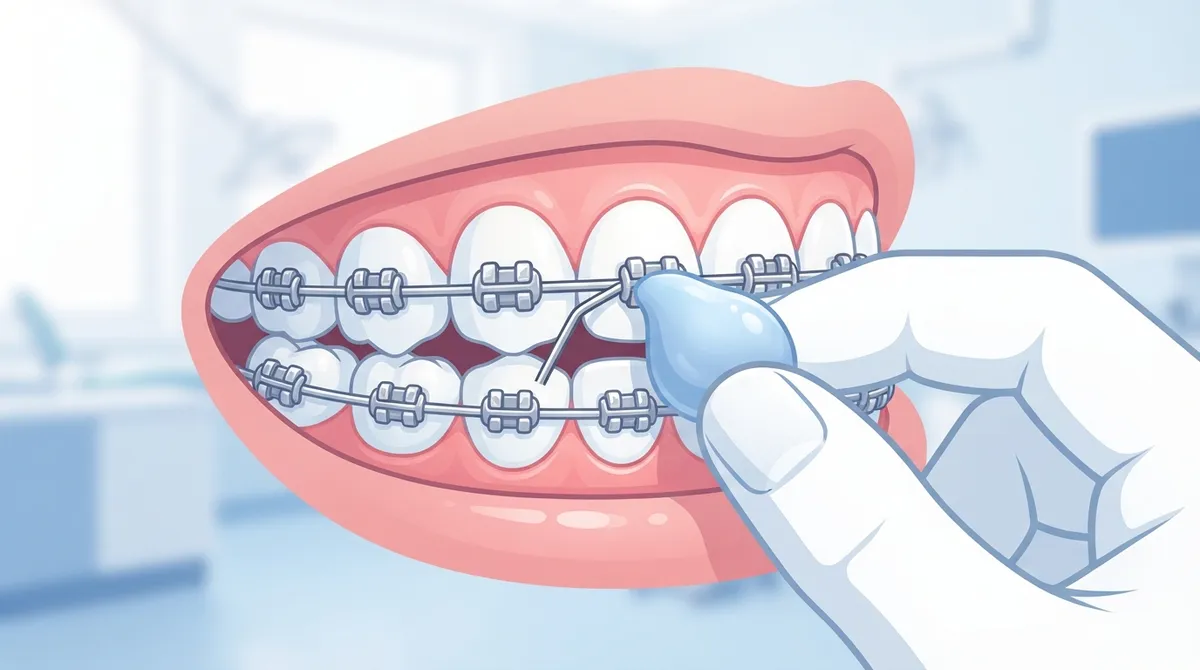
Orthodontic wax is the hero of the braces world. It creates a soft barrier between the sharp spot and your cheek, lip, or gum. Most orthodontic offices hand it out at your first appointment, and it is also easy to find at drugstores.
Here is how to use it, step by step:
- Wash your hands well with soap and water.
- Pinch off a small piece of wax and roll it into a little ball about the size of a pea.
- Dry the poking area with a clean tissue or cotton swab. A dry surface helps the wax stick.
- Press the wax ball gently over the sharp wire or bracket.
- Smooth it down so it feels comfortable against your cheek or lip.
Wax is a temporary barrier, not a repair. It will wear off, especially when you eat, so replace it as needed. If the wire keeps poking, keep wax handy and call your orthodontist. Do not worry if you swallow a tiny bit by accident. The wax is made to be safe in the mouth.
A Quick Tip for Busy Families
Keep a small container of wax in a backpack, purse, gym bag, and car. Teens especially love having a backup at school or practice. A little planning means a poking wire never ruins your day.
Fix #2: Gently Nudge the Wire Back in Place
Sometimes a wire has only slipped a little and can be moved back with light pressure. This works best when the wire moves easily. If it feels stiff, stop right away and use wax instead.
Try this gentle approach:
- Wash your hands and grab a clean cotton swab or a clean pencil eraser.
- Look in a mirror with good lighting so you can see exactly where the wire is.
- Use soft, gentle pressure to guide the wire toward your tooth.
- If it tucks in easily, cover the area with wax for extra comfort.
Be patient and gentle. Forcing a wire can bend it, loosen a bracket, or hurt your gums. If the wire will not budge with light pressure, that is your cue to leave it alone and call your orthodontist.
A lot of families ask whether this is safe to try at home. In most cases, a light nudge is fine when the wire moves freely. The key is to never push hard or use sharp tools. When in doubt, wax and a phone call are the safer choices.
Fix #3: Soothe the Irritated Spot
Even after you cover or nudge the wire, your cheek or lip may feel sore. A poking wire can rub the soft tissue and even cause a small sore. Luckily, a few comfort tricks can help your mouth feel better.
- Rinse with warm salt water. Mix about half a teaspoon of salt in a cup of warm water and swish gently. This can soothe minor irritation, but it does not fix the wire itself.
- Eat soft foods. Think yogurt, mashed potatoes, soup, scrambled eggs, and smoothies while the area heals.
- Skip rough foods. Chips, popcorn, nuts, and chewy candy can make the problem worse.
- Keep brushing gently. Clean teeth help sore spots heal, so keep up your routine.
Speaking of food, it is smart to review what is safe while your braces are on. Our list of braces diet restrictions that protect your smile can help you avoid foods that bend wires and break brackets. And if you need a refresher on cleaning around hardware, take a look at how to brush with braces without irritating sore spots.
What About a Mouth Sore?
Yes, a poking wire can cause a small sore or ulcer on the inside of your cheek or lip. These usually heal on their own once the wire is covered or fixed. If a sore keeps getting worse, looks swollen, or does not improve in a few days, let your orthodontist know.
Fix #4: Call Your Orthodontist for a Real Repair
Home tricks are great for comfort, but the best long-term fix comes from your orthodontist. They can trim the wire, reposition it, or replace it so it stops poking for good. This is a simple, quick visit in most cases.
You should reach out if:
- The wire is broken or has come loose from a bracket.
- You cannot get comfortable even with wax.
- The wire has caused a sore or small wound.
- The same wire keeps poking again and again.
Do not feel shy about calling. Orthodontic teams handle poking wires all the time, and they would much rather help you early than have you suffer for days. If it is after hours, follow your office’s emergency instructions. For more on handling urgent situations, our guide to braces emergency care steps is a great one to bookmark.
At Chacon Orthodontics, Dr. Omar Chacon and the team care for children, teens, and adults in Westchase and Brandon, and they offer bilingual support in English and Spanish. Families in the Brandon area can visit us on Google for Chacon Orthodontics Brandon to find directions and read what other patients say. If a wire is giving you trouble, you can also contact us and we will help you figure out the next step.
What Not to Do When a Wire Is Poking
When something sharp is poking you, it is tempting to grab the nearest tool and fix it yourself. Please resist that urge. Some quick fixes can create bigger problems.
- Do not cut the wire with household tools. Nail clippers and scissors can send a sharp piece flying. A cut piece of wire can be swallowed or even inhaled, and stiff wires are hard to cut safely. Only trim a wire if your orthodontist has specifically shown you how.
- Do not bend it forcefully. You could damage the wire or loosen a bracket.
- Do not ignore it. A wire left alone can cause sores and make eating painful.
- Do not skip your regular visits. A poking wire does not replace your routine follow-up care.
Think of it this way: wax and gentle pressure are safe first aid, while cutting and bending are best left to the professionals.
Quick Comparison of Your Home Options
Not sure which tool to reach for? This simple table breaks down your choices at a glance.
| Option | What It Does | Best For | Keep in Mind |
|---|---|---|---|
| Orthodontic wax | Covers the sharp spot | Almost any poking wire or bracket | Temporary, replace as needed |
| Cotton swab or pencil eraser | Gently nudges the wire toward the tooth | Wires that move easily | Stop if it feels stiff |
| Warm salt-water rinse | Soothes irritated tissue | Sore cheeks, lips, or gums | Comfort only, does not repair |
| Orthodontist visit | Trims or repositions the wire | Broken, loose, or repeat problems | The real, lasting fix |
When Is a Poking Wire an Emergency?
Here is some reassurance: a poking wire is usually a problem for your orthodontic office, not the hospital. Most cases can wait for a quick appointment while you stay comfortable with wax.
That said, a few situations need urgent medical help. Seek care right away if:
- You or your child has trouble breathing or swallowing.
- You think a piece of wire may have been inhaled or swallowed.
- There is a serious injury to the face or mouth.
- Bleeding will not stop.
If a wire or bracket is loose or broken while you wait for help, avoid hard, sticky, or chewy foods. These can make the damage worse. Stick to soft meals until you are seen.
Not sure whether your situation counts as urgent? Call your orthodontic office first. The team can talk you through it and tell you what to do next.
How to Prevent Poking Wires in the Future
You cannot prevent every poking wire, but you can lower the odds. A few simple habits go a long way.
- Follow your food rules. Avoid hard, crunchy, and sticky foods that bend wires.
- Wear a mouthguard for sports. Teens who play sports should ask about a guard made for braces.
- Do not chew pens, ice, or nails. These habits are tough on wires.
- Keep your appointments. Regular adjustments help your orthodontist catch shifting wires early. You can learn more about timing in our post on how often braces are adjusted.
- Carry wax everywhere. It is the easiest insurance policy you can buy.
For parents, a little coaching helps too. Younger kids may not tell you right away that something hurts, so ask them now and then how their mouth feels. Teens may shrug it off, so remind them that fixing a wire takes minutes.
A Note for Parents, Teens, and Adults
Every age group handles braces a little differently, but poking wires happen to everyone.
Parents: Keep wax in your home first-aid kit and show your child how to use it. If your little one is new to braces, practice together so they feel confident.
Teens: A poking wire does not have to wreck your week. Keep wax in your locker or bag, and speak up early so your orthodontist can fix it quickly. You can also follow along with tips and updates on Instagram.
Adults: Busy schedules make it tempting to ignore the problem, but a quick fix is better than a sore mouth during a presentation. Wax in your desk drawer is a lifesaver. If you are weighing treatment options, our post on braces for adults options can help.
If you are just starting your journey, our overview of what to expect with braces gives you an honest look at the ups and downs, including little hiccups like this one. You can also stay connected with our community on Facebook or learn more about Dr. Chacon’s background on LinkedIn.
Ready for Relief? Let Us Help
A braces wire poking your cheek, lip, or gum is annoying, but it is rarely serious. Cover it with wax, nudge it gently if it moves easily, soothe the sore spot, and call your orthodontist for a proper repair. Skip the household tools, and save the emergency room for breathing or swallowing trouble, suspected inhalation, serious injury, or bleeding that will not stop.
If a wire is bothering you right now, do not wait it out. Schedule a free consultation with Chacon Orthodontics and let Dr. Chacon and our friendly bilingual team get you back to smiling comfortably. We are here for kids, teens, and adults in Westchase and Brandon, and we would love to help.
FAQs
Q: Why is my braces wire poking my cheek?
A: Most often, the archwire has shifted, rotated, or slipped out of a bracket as your teeth move. Hard or sticky foods can also nudge a wire out of place. It is a common issue and usually easy for your orthodontist to fix.
Q: How do I stop a braces wire from poking until I can see my orthodontist?
A: Dry the area, then press a small ball of orthodontic wax over the sharp spot. If the wire moves easily, you can first nudge it toward your tooth with a clean cotton swab or pencil eraser. A warm salt-water rinse can also soothe any soreness.
Q: Is it safe to cut a wire that is poking out of my braces?
A: No, please do not cut it with household tools unless your orthodontist has shown you how. A cut piece can be swallowed or inhaled, and stiff wires are hard to cut safely. Use wax and call your orthodontist instead.
Q: Is a poking braces wire an emergency?
A: Usually it is not a hospital emergency, but it is worth a call to your orthodontist. Seek urgent medical help if there is trouble breathing or swallowing, a suspected inhaled wire piece, a serious facial injury, or bleeding that will not stop.
Q: Can a poking braces wire cause a sore or ulcer?
A: Yes, a wire that rubs the inside of your cheek or lip can cause a small sore. Covering it with wax and rinsing with warm salt water usually helps it heal. If the sore gets worse or lingers, let your orthodontist know.