Key Takeaways
-
Braces soreness usually peaks within 24 to 48 hours after fitting or adjustment and typically fades within a few days, though some people feel tender for up to a week.
-
Soreness comes from gentle pressure that remodels the bone around your teeth, so it signals that treatment is working rather than causing harm.
-
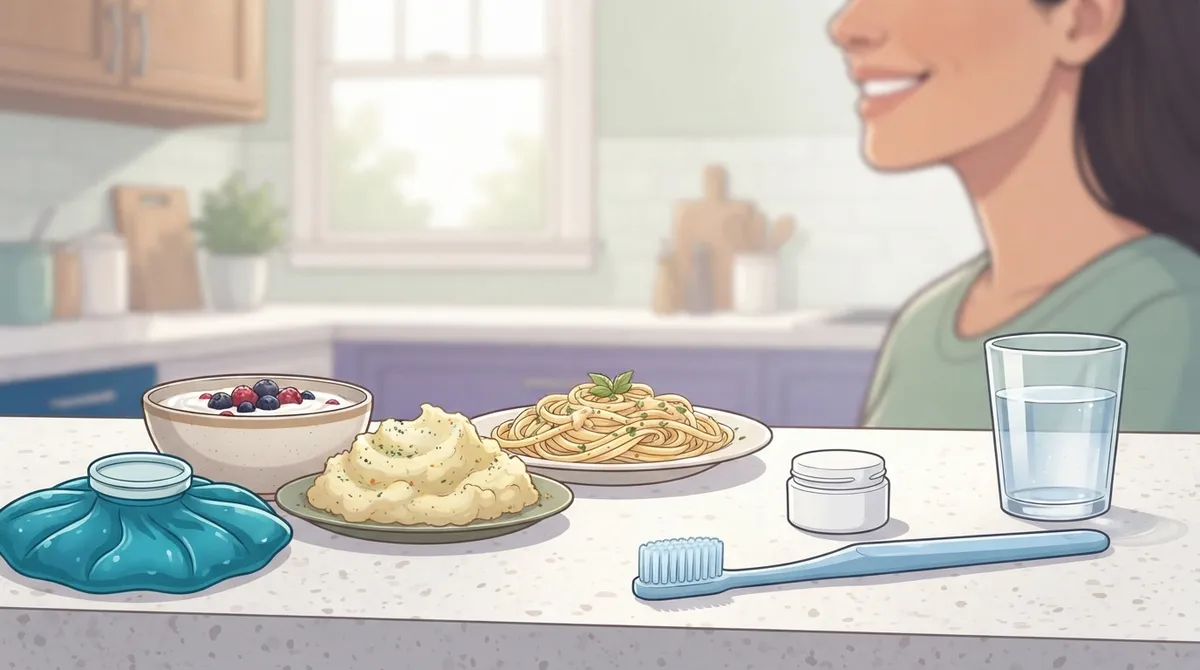
Relieve pressure soreness by eating soft foods like yogurt, mashed potatoes, and pasta, and by using cold foods or a cold compress on your cheek.
-
Cover rubbing brackets or wires with orthodontic wax and rinse with half a teaspoon of salt in warm water to soothe lip and cheek sores.
-
Keep brushing gently with a soft-bristled brush, since skipping cleaning can cause gum swelling that worsens soreness.
-
Call your orthodontist if pain is severe or worsening, lasts beyond a few days, or if a bracket is broken or a wire is poking; never try to repair it yourself.
So you just got your braces, or you just had an adjustment, and now your teeth feel tender. First of all, take a deep breath. You are not alone, and what you are feeling is completely normal. Braces soreness is one of the most common parts of orthodontic treatment, and it almost always fades on its own.
Here is the good news. That achy feeling means your braces are doing their job. Gentle pressure is nudging your teeth toward their new spots. Your teeth, gums, and the tiny ligaments around them need a few days to get used to the change.
In this friendly guide, we will walk you through why braces soreness happens, how long it lasts, and what you can do at home to feel better. Whether you are a parent helping a nervous child, a teen balancing school and sports, or an adult juggling work meetings, these tips will help you get comfortable fast.
Why Braces Soreness Happens
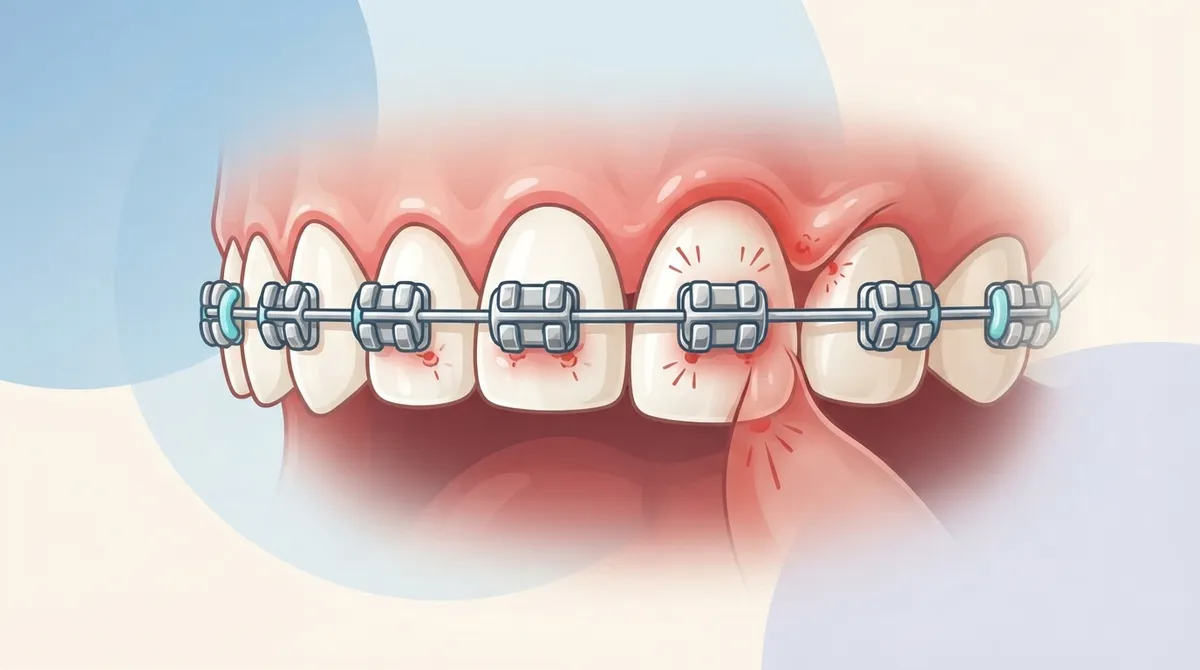
Teeth do not move by magic. Braces apply light, steady pressure, and your body responds by remodeling the bone around each tooth. That process can cause inflammation, and inflammation makes your teeth feel sensitive.
Most people describe braces soreness as a dull ache or tenderness when biting down, rather than sharp pain. Your teeth may feel a little loose or sensitive to touch. That is a normal response to orthodontic pressure.
Soreness can also come from the hardware itself. Brackets and wires can rub against your lips and cheeks. This can cause small, irritated spots until your mouth toughens up.
Two Types of Braces Discomfort
- Pressure soreness: A deep ache in the teeth and gums as they begin to move.
- Rubbing irritation: Tender spots or tiny sores on the lips, cheeks, or tongue from brackets and wires.
Knowing which type you have helps you pick the right fix. Pressure soreness likes soft foods and cold relief. Rubbing irritation loves orthodontic wax.
How Long Does Braces Soreness Last?
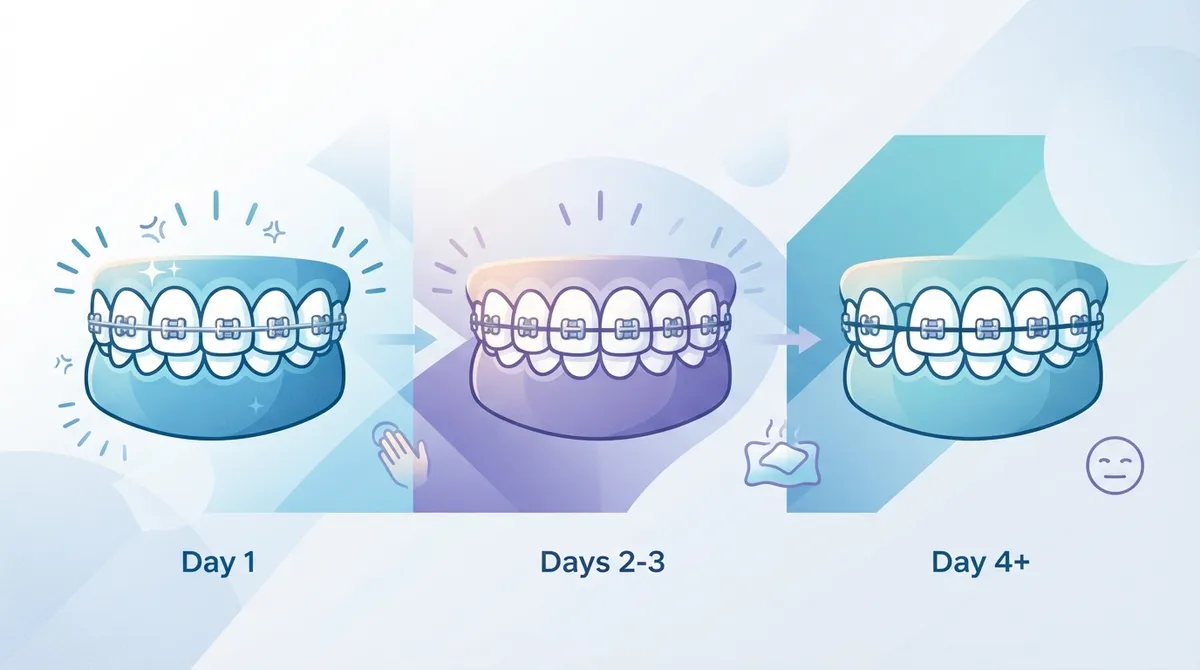
Let’s talk timing, because this is the question everyone asks. Discomfort is usually strongest during the first 24 to 48 hours after your braces are put on or adjusted. After that, it generally eases over the next few days. Some people feel tender for up to about a week.
Research backs this up. A 2026 systematic review of 14 studies involving 1,022 adults found that pain generally peaked around 24 hours after activation and dropped significantly by one week. The review also noted that pain scores at 24 hours varied a lot from person to person, and it rated the overall evidence as low to very low certainty. In plain words, your experience may be different from your friend’s, and that is okay.
| Time After Fitting or Adjustment | What You May Feel | What Helps Most |
|---|---|---|
| First few hours | Mild tightness, little pain yet | Plan a soft meal for later |
| 24 to 48 hours | Peak soreness, tender when biting | Soft foods, cold relief, pain reliever as directed |
| Days 3 to 5 | Soreness fading, mild tenderness | Gradually add firmer (braces-safe) foods |
| Up to 1 week | Little to no soreness for most people | Keep up gentle brushing and cleaning |
If you want to hear how a board-certified orthodontist explains the experience, check out Are Braces Painful? Dr. Chacon Shares What to Expect.
How to Relieve Braces Soreness at Home
Ready for the fun part? Here are simple, practical steps you can start right now. Most of them use things you already have at home.
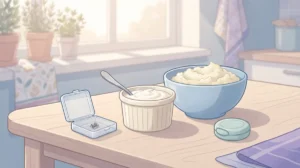
- Switch to soft foods. Think mashed potatoes, yogurt, scrambled eggs, soup, smoothies, and pasta. Chewy or crunchy foods can make tender teeth feel worse.
- Try something cold. Cold foods like ice cream, chilled applesauce, or a cold smoothie can numb the ache. A cold compress held against your cheek can help too.
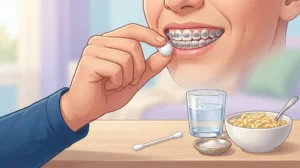
- Use an over-the-counter pain reliever if needed. Follow the label directions. If you are not sure what is right, especially for a child or someone with a medical condition, ask a pharmacist or your doctor first.
- Rinse with warm saltwater. Mix a half teaspoon of salt in a cup of warm water and swish gently. It can soothe minor irritation in your gums and cheeks.
- Cover rough spots with orthodontic wax. Roll a small piece into a ball, press it onto the bracket or wire that is rubbing, and enjoy instant cushioning.
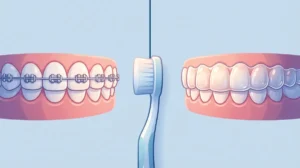
- Keep brushing gently. Skipping cleaning can lead to gum swelling, which adds to the soreness. Use a soft-bristled brush and take your time.
A little self-care goes a long way. Many patients tell us the second day is the hardest, and by day four they have almost forgotten about it.
What to Eat When Your Teeth Are Sore
Eating with sore teeth can feel like a challenge, but it does not have to be boring. A few smart swaps keep your meals tasty and comfortable.
Comfortable Foods to Enjoy
- Yogurt, pudding, and smoothies
- Oatmeal and soft cereals
- Mashed potatoes and soft-cooked veggies
- Scrambled eggs and tender fish
- Soft pasta and rice
- Applesauce and ripe bananas
Foods to Skip for Now
- Hard candy, nuts, and popcorn
- Chewy caramel and taffy
- Crunchy chips and raw carrots
- Whole apples and corn on the cob (cut them up first when you are ready)
Want more ideas? Our guide to Top Braces-Friendly Snacks Every Parent Should Know has plenty of tasty options. You can also review Foods to Avoid With Braces: A Simple Guide From Dr. Omar Chacon to protect your brackets and wires.
How to Handle Sores on Your Lips and Cheeks
Braces can sometimes rub the inside of your mouth, especially in the first couple of weeks. This is very common and usually settles down as the soft tissue toughens up.
Here is a simple routine to follow:
- Dry the rubbing bracket or wire with a clean tissue.
- Apply a small ball of orthodontic wax over it.
- Rinse with warm saltwater a few times a day.
- Avoid spicy, salty, or acidic foods until the area heals.
If a wire is poking out or a bracket has come loose, do not try to fix it yourself. Resist the urge to snip or bend anything. Instead, cover it with wax and call your orthodontist. Our guide on Orthodontic Emergencies: When to Call Dr. Chacon explains what counts as urgent. You can also read What Should You Do About a Broken Braces Bracket? for step-by-step help.
Tips for Parents, Teens, and Adults
Every age group has its own little challenges with braces soreness. Here are some tailored tips.
For Parents of Younger Children
Kids can feel nervous when their teeth ache. Stay calm and positive. Offer a favorite cold treat like a smoothie, and let them know the soreness is temporary. Check in on what they are eating at school, and pack soft lunch options for the first few days. If your child is about to start treatment, you may enjoy Braces for Kids: What to Expect at Your Child’s First Visit.
For Teens
Between practice, homework, and hanging out with friends, you do not have time for a toothache. Keep a small case of orthodontic wax in your backpack or gym bag. Choose soft snacks during the first two days after an appointment. Teens often do well scheduling adjustments for a day when the next day is a bit lighter. Learn more about the benefits of choosing Chacon Orthodontics for braces for teens.
For Adults
Busy professionals can plan ahead too. Book your adjustment appointments for a time when you can have a soft lunch and avoid big client dinners. Keep wax and a travel toothbrush at your desk. Adults often notice soreness a bit more with each new wire, but it stays manageable. If you are exploring options, see How to Choose the Right Adult Braces for Your Lifestyle.
Do Braces Hurt More After Each Adjustment?
Not necessarily. Many patients find the first week of braces is the most uncomfortable, and later adjustments feel milder. Soreness can vary from appointment to appointment depending on how much your orthodontist adjusts the wire and how your teeth respond.
Some visits may feel like nothing at all. Others may bring a day or two of tenderness. That ups and downs pattern is normal. If you want to understand what happens at each visit, read What Really Happens During Braces Tightening? and How to Prepare for Braces Adjustment Visits With Ease.
Is Soreness Different With Clear Aligners?
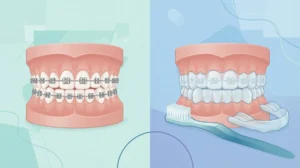
Clear aligners can also cause a feeling of pressure when you start a new set of trays. The sensation is similar to braces soreness, though it often feels more like general tightness. It usually fades within a few days as your teeth settle in. If you are curious about the differences, take a look at Braces vs. Clear Aligners: What’s Best for Your Teen? or Traditional Braces vs. Clear Aligners: Which Treatment Wins?.
When to Call Your Orthodontist
Most braces soreness is harmless, but there are times when you should reach out. The NHS advises contacting your orthodontist if pain continues for more than a few days after fitting or adjustment. We agree, and we would rather hear from you early than have you suffer in silence.
Call your orthodontist if you notice any of these:
- Pain that is severe or keeps getting worse
- Soreness lasting beyond a few days after your appointment
- Very red, swollen, or painful gums
- A broken bracket, loose band, or poking wire
- Sores that do not improve with wax and rinses
Never try to make major repairs yourself. A quick call can save you time, comfort, and extra visits. Chacon Orthodontics offers bilingual support in English and Spanish, so families in Westchase and Brandon can explain their concerns in the language they feel most comfortable using.
Simple Habits That Make Soreness Easier Next Time
A few small habits can make future adjustments smoother.
- Plan your meals. Eat a good meal before your appointment and have soft foods ready at home.
- Keep supplies handy. Stock orthodontic wax, a soft toothbrush, and your preferred pain reliever as directed.
- Stay on schedule. Regular visits keep treatment moving smoothly. Our answers on how often braces are adjusted can help you know what to expect.
- Practice good cleaning. Healthy gums feel better. See How Do You Brush and Floss With Braces Effectively? for easy tips.
For a broader look at everyday comfort, you may also like How to Manage Braces Pain and Feel Comfortable Fast and 8 Ways to Ease Braces Discomfort Fast.
Stay Connected With Our Smile Community
Treatment is more fun when you have friends cheering you on. Follow Chacon Orthodontics on Instagram for smile stories and tips, join the conversation on our Facebook page, or learn more about Dr. Omar Chacon on LinkedIn. You can also see what our Westchase patients say by checking out Visit us on Google — Chacon Orthodontics West Chase.
You’ve Got This
Braces soreness is a short chapter in a much bigger story, and that story ends with a smile you love. Remember the basics: expect the most tenderness in the first day or two, lean on soft foods and cold relief, use wax for rubbing spots, and call your orthodontist if something does not feel right.
Dr. Omar Chacon and the team at Chacon Orthodontics are here to make every step comfortable, from your first fitting to your final retainer. If you have questions about soreness or want to start your journey, schedule your free consultation today, or simply contact us and we will be happy to help.
FAQs
Q: Is it normal for braces to make your teeth sore?
A: Yes, it is completely normal! Braces apply gentle pressure to move your teeth, and that can cause a dull ache or tenderness, especially when biting. It is usually temporary and eases within a few days.
Q: How long does braces soreness last?
A: Soreness is usually strongest during the first 24 to 48 hours after your braces are fitted or adjusted. It then gradually fades over the next few days, though some people feel tender for up to about a week.
Q: What can I eat when my teeth are sore from braces?
A: Stick with soft, easy-to-chew foods like yogurt, mashed potatoes, scrambled eggs, soup, smoothies, and pasta. Cold treats like ice cream can also help soothe the ache while your teeth adjust.
Q: How can I relieve braces soreness at home?
A: Try soft foods, cold foods or a cold compress, and warm saltwater rinses. Orthodontic wax can cushion rubbing brackets, and over-the-counter pain relievers may help when used as directed on the label. Ask a pharmacist or clinician if you are unsure what is right for you or your child.
Q: When should I call my orthodontist about braces pain?
A: Reach out if your pain is severe, getting worse, or lasts more than a few days after an appointment. Also call if you notice very red or swollen gums, or if a wire or bracket is broken or poking you.