Key Takeaways
-
Adults can get braces at nearly any age as long as gums, teeth, and supporting bone are healthy; about 1 in 4 orthodontic patients today is an adult, with 1.91 million treated in 2024 alone.
-
Adult treatment may take longer than children's (several months to 4 years) because jaws have finished growing, but pre-existing gum disease or cavities must be treated first to prepare a solid foundation.
-
Multiple discreet options now exist beyond metal braces, including ceramic braces, lingual braces hidden behind teeth, and nearly invisible clear aligners, allowing adults to choose based on lifestyle and complexity of their case.
-
Proper oral hygiene during treatment is critical for adults to prevent decalcification, cavities, and gum disease, requiring upgraded brushing and flossing routines and continued regular dental visits.
-
Braces can work around existing dental work like crowns and implants, and treatment can sometimes close gaps or create spacing for future implants, though coordination with your dentist is essential.
-
Long-term or lifelong retainer wear is non-negotiable after treatment to prevent teeth from naturally shifting back and undoing months or years of orthodontic work.
Ever caught yourself staring at your smile in a photo, wishing your teeth were just a little straighter? You’re not alone, and here’s the good news: can adults get braces is one of the most common questions we hear at Chacon Orthodontics, and the answer is a resounding yes. In fact, the American Association of Orthodontists reports that about 1.91 million adults were treated by AAO-member orthodontists in the United States in 2024 alone, up from roughly 1.64 million just two years earlier. That’s a lot of grown-ups deciding it’s finally time for their dream smile.
Whether you’re a busy professional in Brandon juggling meetings and family life, or you’ve simply been putting off treatment for years, this guide walks you through everything you need to know. We’ll cover who’s a good candidate, what treatment options exist, how long things typically take, and what it really costs. Let’s get you one step closer to the confident smile you deserve.
Can Adults Get Braces? The Short Answer
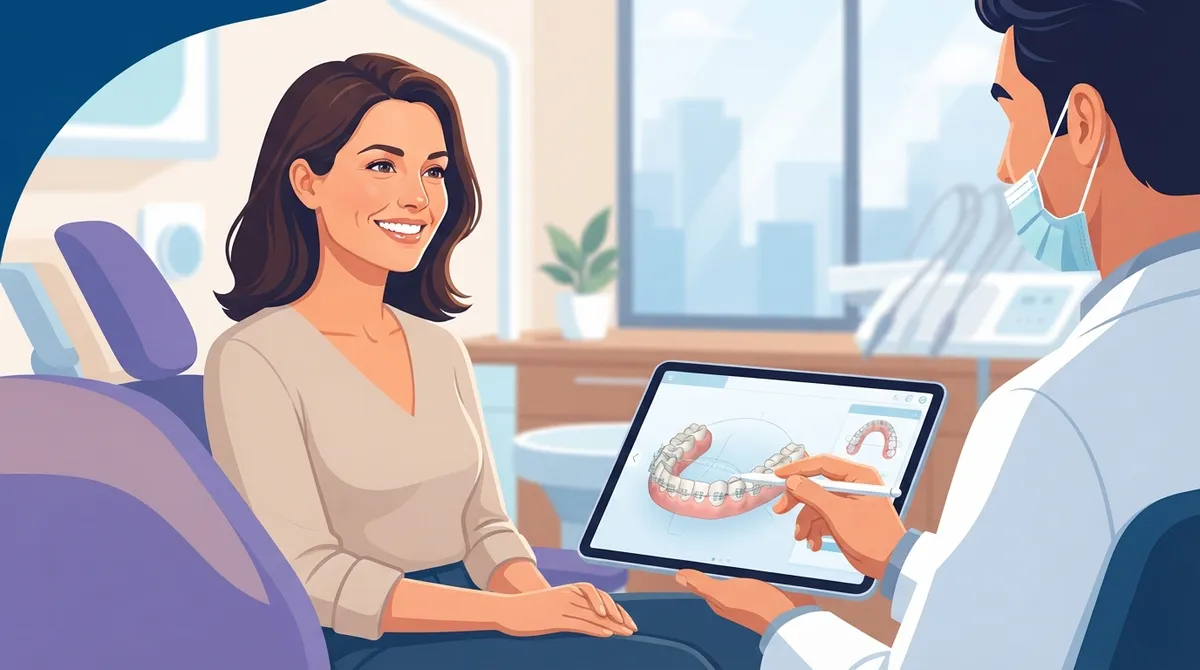
Yes, adults can get braces at almost any age. Your teeth and jaw don’t have an expiration date for orthodontic treatment. As long as your gums, teeth, and supporting bone are healthy enough to handle movement, braces can work beautifully for you.
The real difference between treating a child and treating an adult isn’t age itself. It’s about oral health. Kids are still growing, which can make some corrections easier. Adults have finished growing, so treatment sometimes takes a bit longer or requires extra steps first, like treating gum disease or cavities before braces go on.
Roughly one in four orthodontic patients today is an adult, according to the AAO. So if you’re considering treatment, you’re joining a huge community of people who decided it was never too late to invest in their smile. Curious about the reasons so many grown-ups are making this choice? Take a look at why more adults choose braces later in life for some relatable stories.
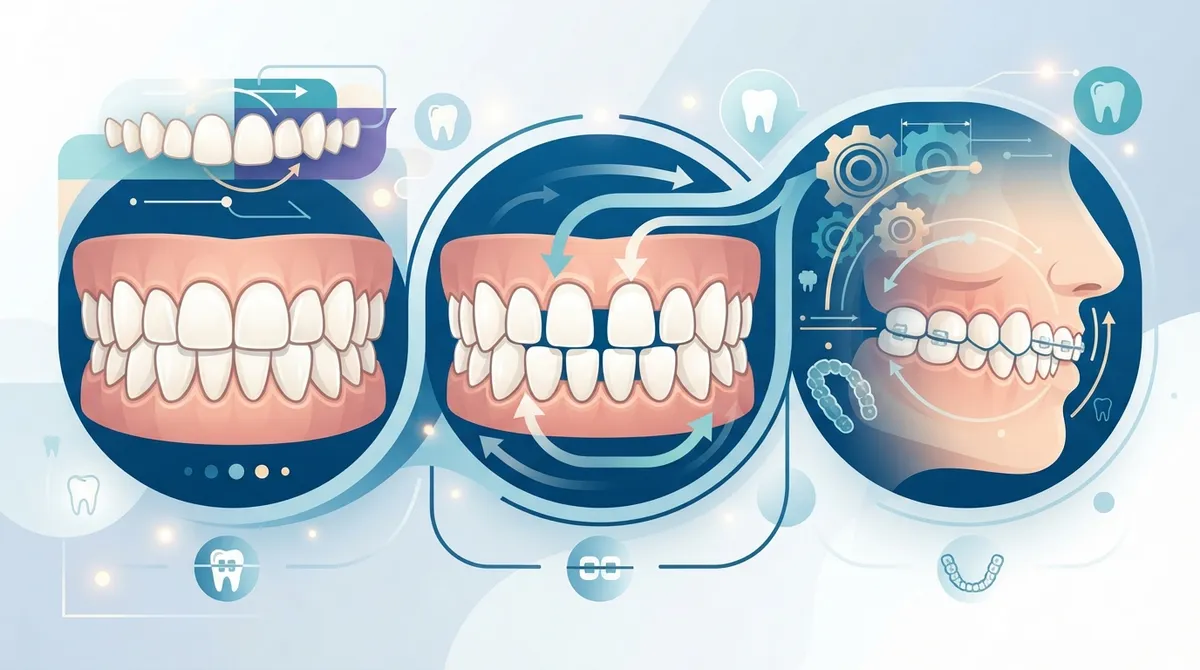
What Problems Can Adult Braces Actually Fix?
You might be surprised how much braces can improve, even for teeth you thought were “just how they are.” Adult orthodontic treatment can correct:
- Crowded or overlapping teeth
- Gaps or spacing issues between teeth
- Overbites, underbites, and crossbites
- Open bites where teeth don’t meet properly
- Shifting that happened after you lost your childhood retainer (we’ve all been there)
An orthodontist needs to evaluate your specific situation to figure out whether braces, clear aligners, or another appliance fits best. Every mouth tells a different story, and your treatment plan should be just as unique as you are. Learn more about understanding teeth positioning and fixing alignment issues to see how these problems develop over time.
Step-by-Step: How the Adult Evaluation Process Works
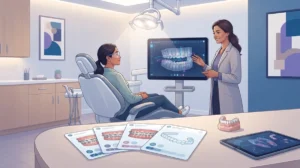
Getting started is simpler than most people expect. Here’s what typically happens during your first visit:
- Clinical exam: Your orthodontist checks your teeth, gums, and jaw alignment.
- Photos and X-rays: Digital scans or X-rays give a full picture of what’s happening below the surface.
- Goals discussion: You’ll talk about what bothers you and what results you’re hoping for.
- Gum and bone assessment: Since adults are more likely to have gum recession or bone loss, this step matters a lot.
- Treatment plan: Your orthodontist recommends the best appliance and gives you a realistic timeline.
If you have cavities or active gum disease, those usually need treatment first. Think of it like prepping a house before renovation. You want a solid foundation before the real work begins. If you’re ready to see this process firsthand, you can schedule your free consultation today.
Braces Options for Adults: Comparing Your Choices
One of the best parts about getting braces as an adult in 2026 is the sheer variety of options. Gone are the days when metal brackets were your only choice.
| Treatment Type | Visibility | Best For | Typical Care Level |
|---|---|---|---|
| Traditional Metal Braces | Most visible | Complex bite issues | Regular cleaning around brackets |
| Ceramic/Clear Braces | Tooth-colored, less noticeable | Adults wanting subtlety with fixed appliances | Similar to metal, slightly more delicate |
| Lingual Braces | Hidden behind teeth | Professionals wanting invisible treatment | Can be trickier to clean |
| Clear Aligners | Nearly invisible, removable | Mild to moderate crowding or spacing | Easy to remove for eating and brushing |
Braces are often recommended when tooth movements are more complex, while aligners work great for straightforward cases. Not sure which fits your lifestyle? Check out braces vs clear aligners to see which orthodontic solution is right for you, or explore how clear trays straighten your smile in more detail.
How Long Does Adult Orthodontic Treatment Take?
This is probably the question we hear the most, right after “can adults get braces” itself. The honest answer? It depends on your specific case.
Since adult jaws have finished growing, treatment sometimes takes a little longer than it would for a growing child. Simple cases might wrap up in several months. More complex bite corrections can take one to four years, according to general NHS orthodontic guidance. Your cooperation matters too. Wearing your aligners as directed or keeping up with appointments every 6 to 10 weeks for adjustments helps keep things on track.
Adults are also more likely to have gum disease, bone loss, missing teeth, or dental work like crowns and veneers. These factors can affect timing, but they rarely rule out treatment altogether. For a deeper dive into what shapes your timeline, read how to plan your life around braces treatment duration.
Oral Hygiene: Your New Best Friend During Treatment
Here’s something we tell every adult patient: braces trap plaque more easily than bare teeth. That means your brushing and flossing routine needs a little upgrade.
Skipping proper cleaning can lead to:
- White or brown spots on your teeth (called decalcification)
- Cavities forming around brackets
- Gum inflammation or gingivitis
- More serious gum disease over time
The good news is that a few small habit changes go a long way. Keep seeing your regular dentist during treatment, use the right tools for cleaning around wires, and don’t skip your orthodontic checkups. For a full walkthrough, check out how to brush and floss with braces effectively.
What About Risks and Side Effects?
Let’s be real for a second. Braces aren’t without some temporary discomfort or rare risks, and it’s fair to know what you’re signing up for.
Common short-term effects include:
- Pressure or soreness after adjustments
- Minor cheek or lip irritation
- Some difficulty cleaning around new appliances at first
Less common but possible risks include root shortening, gum recession, or issues with existing dental work like crowns and veneers. Your orthodontist will monitor these closely with regular checkups and X-rays when needed. If you have questions about existing dental work and braces, our team can walk you through it during your visit. Learn more about what discomfort really feels like in 4 truths about how much braces hurt.
Braces With Crowns, Implants, or Missing Teeth: Is It Still Possible?
Many adults worry that previous dental work rules out orthodontic treatment. The truth is, it usually doesn’t. Braces can often work around crowns, root-canaled teeth, and even implants, though your orthodontist may coordinate with your dentist for the best results.
If you have missing teeth, orthodontic treatment can sometimes help close gaps or create proper spacing for future dental implants. Every case is different, so a thorough evaluation is key. Discover more in dental implants and braces: can you have both?
What Does Adult Treatment Cost, and Does Insurance Help?
Cost is often the deciding factor for many adults. Pricing varies based on the type of appliance, complexity of your case, and length of treatment. Many practices, including ours, offer flexible payment plans to make treatment more manageable on a monthly basis.
Some dental insurance plans offer partial orthodontic coverage for adults, though it’s less common than coverage for children. It’s worth checking your specific plan details. For a clearer breakdown, take a look at how much braces cost with a clear pricing guide for 2026, or explore affordable orthodontic payment plan options.
Life After Braces: Why Retainers Are Non-Negotiable
Once your active treatment ends, the job isn’t quite finished. Teeth naturally want to shift back over time, which is why retainers are so important.
Retention is usually long-term, sometimes lifelong. Your orthodontist might recommend:
- A removable retainer worn nightly
- A fixed retainer bonded behind your front teeth
- A combination of both for maximum stability
Skipping your retainer, even years later, can undo months or years of hard work. Trust us, it’s worth the extra few minutes each night. For more detail, see how to keep your smile straight for life with retainers.
Why Choose Chacon Orthodontics for Your Adult Treatment
At Chacon Orthodontics, Dr. Omar Chacon brings over a decade of board-certified experience to every patient, whether you’re 16 or 60. Our Brandon and Westchase locations offer bilingual care in English and Spanish, so language never gets in the way of clear communication about your treatment plan. We use advanced technology like 3D digital imaging to make your evaluation process smooth and precise.
Many of our adult patients tell us they wish they’d started sooner. If you’re local to the area, visit us on Google — Chacon Orthodontics Brandon to see what our patients are saying about their experience. You can also follow our smile transformations on Instagram or connect with our practice on Facebook for real patient stories and updates.
Frequently Considered: Is Adult Treatment Worth It?
Orthodontic treatment isn’t just about looks, though a confident smile is a wonderful bonus. Properly aligned teeth are easier to clean, which can reduce your risk of cavities and gum problems down the road. Braces can also improve how your bite functions, reducing uneven wear on certain teeth.
That said, braces don’t fix everything. They won’t cure jaw joint disorders on their own or replace treatment for existing cavities and gum disease. But for the right candidate, adult orthodontic treatment offers real, lasting benefits well beyond appearance. According to trusted resources like the American Association of Orthodontists, adult treatment has become a completely normal, common part of dental health today, not an exception.
Ready to Take the Next Step?
So, can adults get braces? Absolutely, and there’s truly no better time than now to explore your options. Whether you’re considering traditional metal braces, ceramic braces, or clear aligners, the team at Chacon Orthodontics is here to guide you with warmth, expertise, and a genuine commitment to your smile goals.
Ready to see what’s possible for your smile? Book your free consultation today and take that first confident step toward the smile you’ve always wanted. You can also learn more about Dr. Chacon’s background and approach on LinkedIn. We can’t wait to meet you.
FAQs
Q: Can adults get braces if they have gum disease or bone loss?
A: It depends on how well-managed the condition is, but many adults with treated gum disease can still get braces safely. Your orthodontist will likely coordinate with your dentist or periodontist first to make sure your mouth is healthy enough for tooth movement. Don’t worry, this is a common situation, and we handle it with care every day.
Q: What is the best type of braces for adults?
A: Honestly, there’s no single best option, it really depends on your goals and lifestyle. Clear aligners are popular for subtlety, while ceramic or lingual braces work well for those wanting more discreet fixed treatment. We’ll help you weigh the pros and cons based on your specific smile goals.
Q: How long do adult braces take to work?
A: Treatment length varies quite a bit, ranging from a few months for simple cases to a few years for more complex bites. Since adult jaws are done growing, treatment can sometimes take longer than it would for kids. Your orthodontist will give you a personalized estimate after your first evaluation.
Q: Are clear aligners better than braces for adults?
A: Not necessarily better, just different! Aligners are great for mild to moderate crowding and offer more flexibility since they’re removable. Braces tend to handle more complex bite issues better, so the right choice really comes down to your unique case.
Q: Do adults have to wear retainers forever after braces?
A: Pretty much, yes, and we promise it’s worth it. Teeth naturally want to shift back over time, so long-term or even lifelong retainer wear helps protect your investment. Think of it as a small nightly habit that keeps your smile looking exactly the way you want it.