Key Takeaways
-
Brush for two minutes after meals and before bed at a 45-degree angle above and below each bracket using fluoride toothpaste with at least 1,350 ppm to prevent cavities and demineralization.
-
Avoid hard, sticky, and chewy foods like ice, caramel, popcorn, and whole apples; cut firm foods into small pieces instead to prevent broken brackets and bent wires.
-
Replace sugary and acidic drinks like soda, sports drinks, and juice with water and plain milk during treatment to prevent enamel erosion and tooth decay.
-
Use floss threaders, interdental brushes, or water flossers daily at night to remove trapped food around brackets and wires that regular floss cannot reach.
-
Cover sharp wires or brackets with orthodontic wax and call your orthodontist promptly for loose brackets or persistent pain; never attempt to cut or bend wires yourself.
-
Schedule regular dental cleanings every three months with your general dentist alongside orthodontic appointments to prevent white spots and maintain treatment progress.
Getting braces is exciting! You’re on your way to a smile you’ll love. But that new hardware in your mouth needs some extra attention. Learning how to care for braces properly can feel overwhelming at first, especially if you’re not sure where to start. Don’t worry, though. We’re here to make it simple.
Whether you’re a parent watching your child navigate their first week with brackets, a teen juggling braces with sports and social life, or an adult professional balancing treatment with a busy schedule, good braces care doesn’t have to be complicated. With a few simple habits, you can protect your investment, avoid painful surprises, and keep your treatment on track. Let’s walk through everything you need to know, from brushing tips to what foods to skip and what to do if something feels off.
Why Caring for Braces Matters So Much
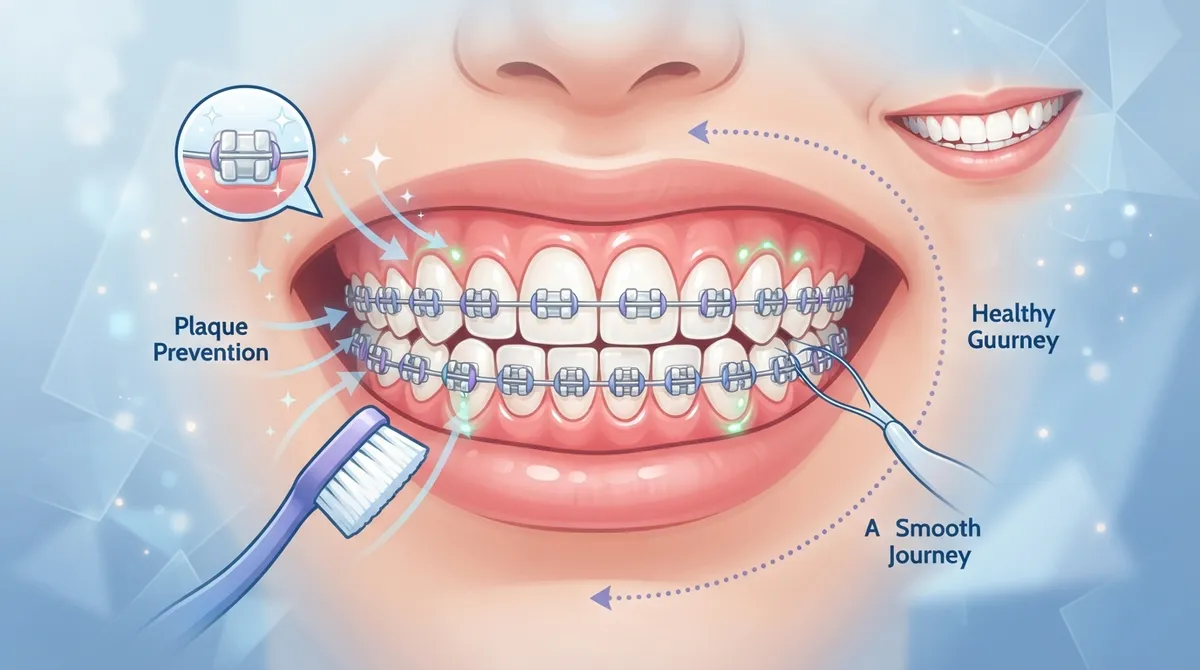
Your braces are working hard every day to shift your teeth into place. But brackets and wires create tiny nooks where food and plaque love to hide. Without proper care, you risk cavities, gum irritation, and even permanent white spots on your teeth called demineralization.
Good habits also protect your treatment timeline. Broken brackets or bent wires often mean an unplanned trip to the orthodontist, which can slow down your progress. Taking care of your braces from day one helps you finish treatment on schedule with a healthier, brighter smile waiting at the end.
Daily Brushing Habits That Actually Work
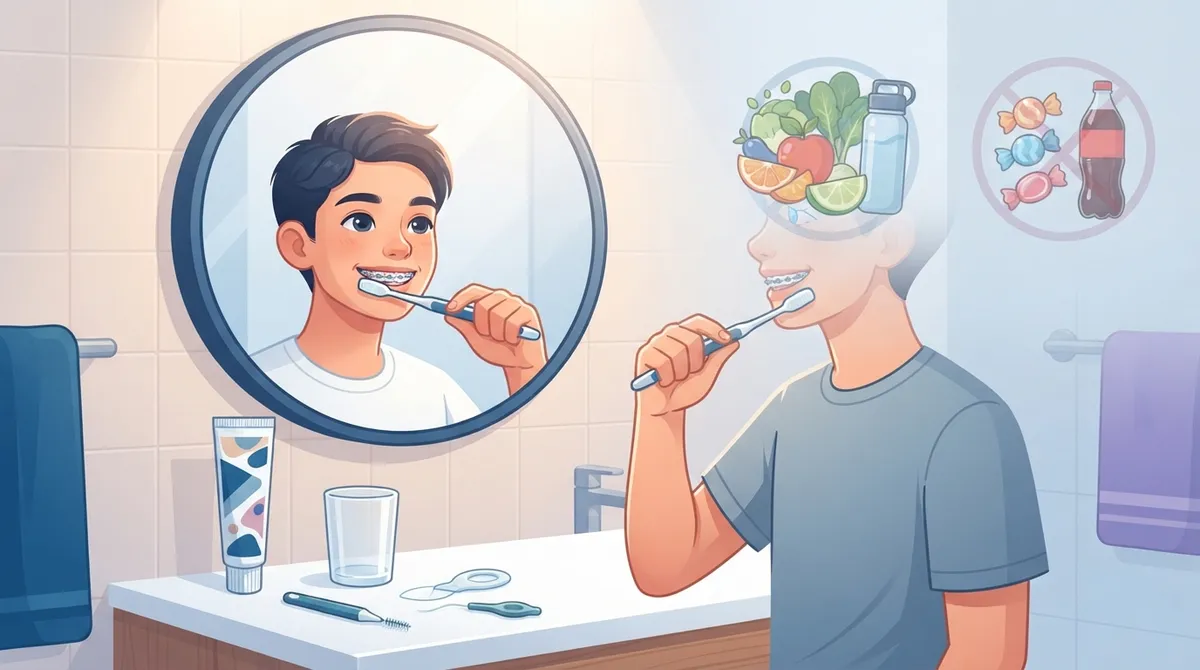
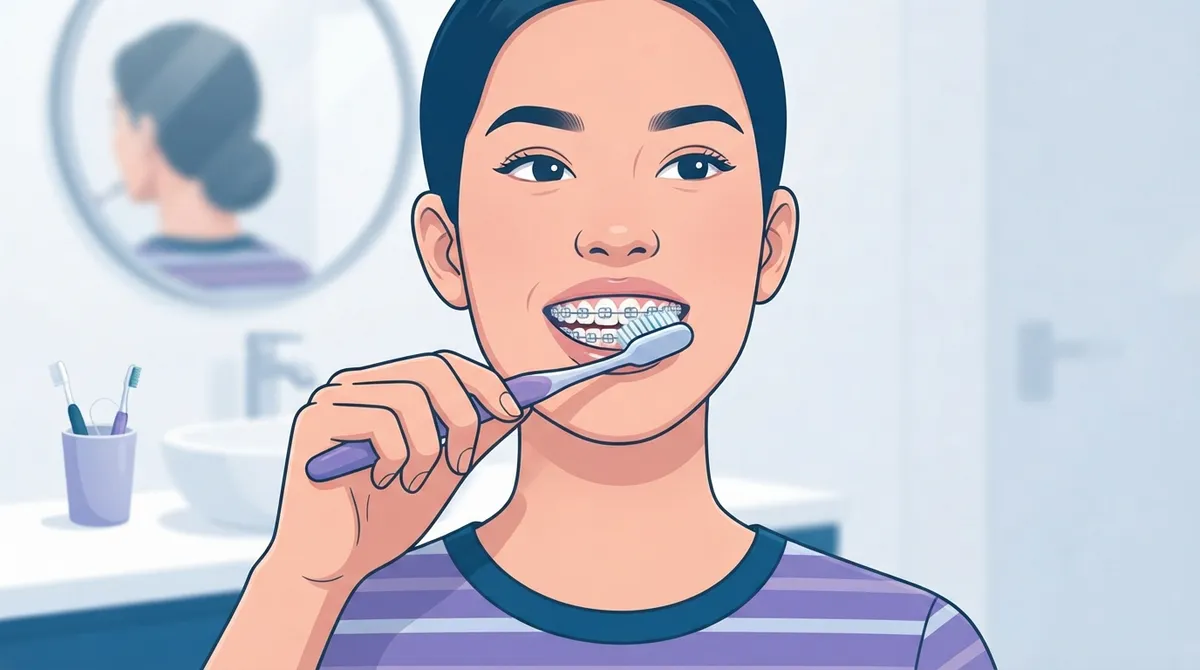
Brushing with braces takes a little more effort than brushing without them, but it’s worth it. The American Association of Orthodontists recommends brushing for about two minutes after meals and snacks, and always before bed. If you can’t brush right after eating, even rinsing with plain water helps until you get to a toothbrush.
Here’s a simple routine to follow:
- Brush at a 45-degree angle above and below each bracket to catch trapped food.
- Use a soft-bristled toothbrush or an electric toothbrush designed for braces.
- Choose fluoride toothpaste, ideally with at least 1,350 ppm fluoride, to strengthen enamel.
- Spend extra time on your back teeth and gumline, where plaque builds up fastest.
- Rinse thoroughly and check your smile in the mirror for any missed spots.
Many orthodontic providers suggest brushing two to three times daily at minimum, though after-meal brushing is ideal whenever you can manage it. If you’re unsure which toothbrush works best for your specific appliance, our team can walk you through it during your next visit or through a free consultation.
Flossing and Interdental Cleaning
Flossing with braces is trickier because the wire blocks the normal path between teeth. That’s where tools like floss threaders, interdental brushes, or water flossers come in handy. A single-tufted brush can also clean tight spots around brackets that regular floss can’t reach.
Try to floss at least once a day, ideally at night after your last brushing session. It takes a bit more patience, but it makes a real difference in preventing gum inflammation and cavities. If flossing feels like a struggle, ask your orthodontist to demonstrate the technique at your next appointment.
Foods to Avoid With Braces
This is probably the part everyone dreads, but it’s not as restrictive as it sounds. The goal is simple: protect your brackets and wires from unnecessary damage. Hard, sticky, or chewy foods are the main troublemakers.
| Food Category | Examples to Avoid | Better Alternatives |
|---|---|---|
| Hard Foods | Ice, hard candy, nuts, raw carrots | Cooked or steamed vegetables, soft fruits |
| Sticky Foods | Caramel, taffy, chewing gum | Yogurt, pudding, smoothies |
| Chewy Foods | Bagels, tough bread crusts | Soft bread, pasta, rice |
| Crunchy Snacks | Popcorn, chips, pretzels | Mashed potatoes, applesauce |
| Whole Fruits | Whole apples, corn on the cob | Sliced apples, cut-off corn kernels |
When in doubt, cut firm foods into small, bite-sized pieces instead of biting directly into them with your front teeth. This simple habit alone prevents a lot of broken brackets. For more detailed guidance, check out our simple food guide from Dr. Omar Chacon or browse our list of braces-friendly snacks every parent should know.
Watch Out for Sugary and Acidic Drinks
Soda, sports drinks, energy drinks, and fruit juice can all contribute to enamel erosion and tooth decay, especially when brackets make cleaning harder. Sipping these drinks throughout the day is worse than drinking them quickly with a meal, since your teeth stay bathed in sugar and acid longer.
Stick to water and plain milk as your go-to drinks during treatment. Your teeth (and your orthodontist) will thank you.
Handling Braces Emergencies With Confidence
Even with the best care, things happen. A wire might poke your cheek, or a bracket could come loose after biting into something you shouldn’t have. Knowing what to do can save you a lot of stress.
- Cover a poking wire or sharp bracket with orthodontic wax until you can see your orthodontist.
- Never try to cut, bend, or remove a wire or bracket yourself.
- Rinse with warm salt water to soothe minor irritation along the gums or cheeks.
- Call your orthodontic office promptly if you notice persistent pain, a loose bracket, or a wire that won’t stay in place.
- Seek urgent medical or dental care for severe swelling, trauma, breathing trouble, or uncontrolled bleeding.
If you experience any of these issues, don’t wait it out. Reach out and contact us right away so we can get you seen quickly. Learn more about handling unexpected issues in our guide on orthodontic emergencies and when to call Dr. Chacon.
Caring for Elastics, Retainers, and Removable Appliances
Not everyone’s treatment looks the same. Some patients wear elastics to correct their bite, while others use expanders or removable aligners. Whatever your appliance, following your orthodontist’s instructions exactly matters more than you might think.
Tips for Elastics and Fixed Appliances
Wear your elastics for the recommended number of hours each day, even if it feels tempting to skip them occasionally. Consistency is what drives results. Swap them out as directed, and always keep a spare set on hand in case one snaps.
Tips for Removable Aligners and Retainers
If you’re using clear aligners or a removable retainer, cleaning is a bit different. Rinse your trays every time you take them out, and brush them gently with a soft toothbrush. Avoid hot water, which can warp the plastic. Store your appliance in its case whenever it’s not in your mouth to avoid losing it or exposing it to bacteria.
Curious whether aligners might be a better fit for your lifestyle? Our page on how clear trays straighten your smile breaks down the details. And once treatment wraps up, proper retainer care becomes just as important; see our tips on how to keep your smile straight for life.
Preventing White Spots and Cavities During Treatment
One of the biggest concerns during orthodontic treatment is decalcification, those chalky white spots that appear when plaque sits too long around brackets. The good news is that this is completely preventable with consistent care.
- Brush thoroughly after every meal, even if it means keeping a travel toothbrush in your bag.
- Use a fluoride mouthwash as directed by your orthodontist, at a different time from brushing so the fluoride from toothpaste isn’t rinsed away too soon.
- Schedule regular cleanings with your general dentist in addition to your orthodontic visits.
- Avoid snacking constantly throughout the day, which gives plaque more chances to build up.
- Ask your orthodontist about additional protective treatments if you’re at higher risk for decay.
Some orthodontic services recommend seeing a dental hygienist every three months during active treatment, alongside your regular dentist visits. This extra layer of cleaning can make a noticeable difference in how your teeth look once your braces come off.
Comparing Care Routines by Appliance Type
| Appliance Type | Cleaning Frequency | Special Care Notes |
|---|---|---|
| Traditional Metal Braces | After every meal, plus before bed | Use interdental brush around brackets and wires |
| Clear Ceramic Braces | After every meal, plus before bed | Avoid staining foods like coffee and berries |
| Clear Aligners | Every time removed and reinserted | Clean trays daily; never eat with them in |
| Retainers | Daily, morning and night | Avoid hot water; store in case when not worn |
No matter which option fits your lifestyle, our team can help you understand the care routine that works best for you. Explore our full breakdown of orthodontic options to see what might suit your needs.
Staying on Track With Appointments
Braces care isn’t just about what happens at home. Regular adjustment appointments let your orthodontist fine-tune your treatment and catch small issues before they become bigger problems. Skipping appointments or delaying repairs can add unexpected time to your treatment plan.
At Chacon Orthodontics, we serve families throughout Westchase and Brandon, Florida, with bilingual care in English and Spanish. Dr. Omar Chacon brings over a decade of experience and a personalized approach to every patient, whether you’re a first-time braces wearer or a parent guiding your child through treatment. You can visit us on Google — Chacon Orthodontics West Chase to see what our patients have to say about their experience.
We also share helpful tips and patient stories on our Instagram and Facebook pages, plus you can connect with Dr. Chacon’s professional background on LinkedIn.
A Quick Checklist for Braces Success
Before we wrap up, here’s a handy list you can keep in mind every single day:
- Brush at least twice daily, ideally after meals, using fluoride toothpaste.
- Floss or use interdental tools every night to remove trapped food.
- Avoid hard, sticky, and overly chewy foods that can damage brackets.
- Choose water over sugary or acidic drinks whenever possible.
- Wear elastics or other appliances exactly as prescribed.
- Contact your orthodontist promptly for any broken parts or persistent discomfort.
- Keep up with both orthodontic adjustments and general dental checkups.
Following these habits consistently is the secret to smooth, on-schedule treatment. It’s not about being perfect every single day, it’s about building routines that stick.
Your Next Step Toward a Confident Smile
Caring for braces might feel like a lot at first, but it quickly becomes second nature. With the right brushing habits, smart food choices, and a little help from your orthodontic team, you’ll protect your smile and stay on track for beautiful results. Every small habit you build now is an investment in the confident smile waiting for you at the end of treatment.
If you have questions about your specific treatment plan or want personalized guidance for your family, we’re here to help. Schedule your free consultation with Chacon Orthodontics today and let Dr. Chacon and our bilingual team support you every step of the way, in Westchase, Brandon, and beyond.
FAQs
Q: How often should I brush my teeth with braces?
A: You’ll want to brush at least twice a day, but brushing after every meal is even better since food loves to hide around brackets. Aim for about two minutes each time with fluoride toothpaste, and don’t forget before bed. If you can’t brush right after eating, a quick rinse with water helps in the meantime.
Q: What foods should I avoid while wearing braces?
A: Steer clear of hard, sticky, and super chewy foods like ice, caramel, popcorn, and hard candy since they can bend wires or pop off brackets. Whole apples and corn on the cob are usually fine once you cut them into smaller pieces first. When in doubt, go softer and smaller, your braces will thank you!
Q: Can I drink soda, sports drinks, or juice with braces?
A: It’s best to limit these since sugary and acidic drinks can lead to enamel erosion and cavities, especially with brackets making cleaning trickier. Water and plain milk are your safest everyday choices. Save the sweeter drinks for occasional treats rather than daily sipping.
Q: What should I do if a bracket comes loose or a wire is poking me?
A: First, don’t panic! Cover the sharp spot with a little orthodontic wax to protect your cheek or gums, then give our office a call so we can get you scheduled. Never try to fix or cut the wire yourself, that’s a job for your orthodontic team.
Q: How can I prevent white spots and cavities during orthodontic treatment?
A: Consistent brushing after meals, daily flossing with the right tools, and regular dental cleanings make a huge difference. Try to avoid constant snacking throughout the day, since that gives plaque more chances to build up around your brackets. A little extra effort now means a brighter, healthier smile once your braces come off.