Key Takeaways
-
Clear aligners are now the fastest-growing orthodontic option, offering nearly invisible treatment that’s removable for eating and cleaning, making them ideal for professionals and socially conscious patients.
-
Digital 3D scanning has replaced uncomfortable putty molds, enabling faster appointments, more accurate treatment planning, and eliminating the gagging experience from traditional impression methods.
-
AI-powered treatment planning now predicts tooth movement step-by-step before treatment begins, helping orthodontists create personalized plans with fewer surprises and often shorter overall treatment timelines.
-
Adult orthodontics is experiencing explosive growth, with discreet options like clear aligners making treatment accessible for busy professionals, and extraction rates dropping from 37.74% to 29.28% over five years.
-
The global orthodontics market is projected to grow from $8.84 billion in 2024 to $43.60 billion by 2035 at a 15.3% annual rate, driving investment in cutting-edge technology and treatment innovations.
-
Accelerated orthodontic techniques combined with better materials are reducing treatment duration while improving outcomes, with average treatment costs now under $2,000 making professional orthodontic care more financially accessible.
Let’s be honest, orthodontics has come a long way from the metal-mouth memories you might remember from your own childhood. If you’re a parent wondering about your kid’s crowded teeth, a teen dreaming of a confident smile for prom, or a busy professional thinking “maybe now is finally my time,” you’re in the right place. This friendly guide breaks down exactly what’s happening in orthodontic care right now, in 2026, and why it matters for your family.
Here at Chacon Orthodontics, we’ve watched this field grow and change in exciting ways. Dr. Omar Chacon and our bilingual team in Westchase and Brandon, Florida, see firsthand how new technology is making treatment faster, comfier, and honestly, kind of fun. So grab a coffee (or a cafecito), and let’s walk through the five biggest things you need to know about orthodontics today.
What Is Orthodontics, Really?
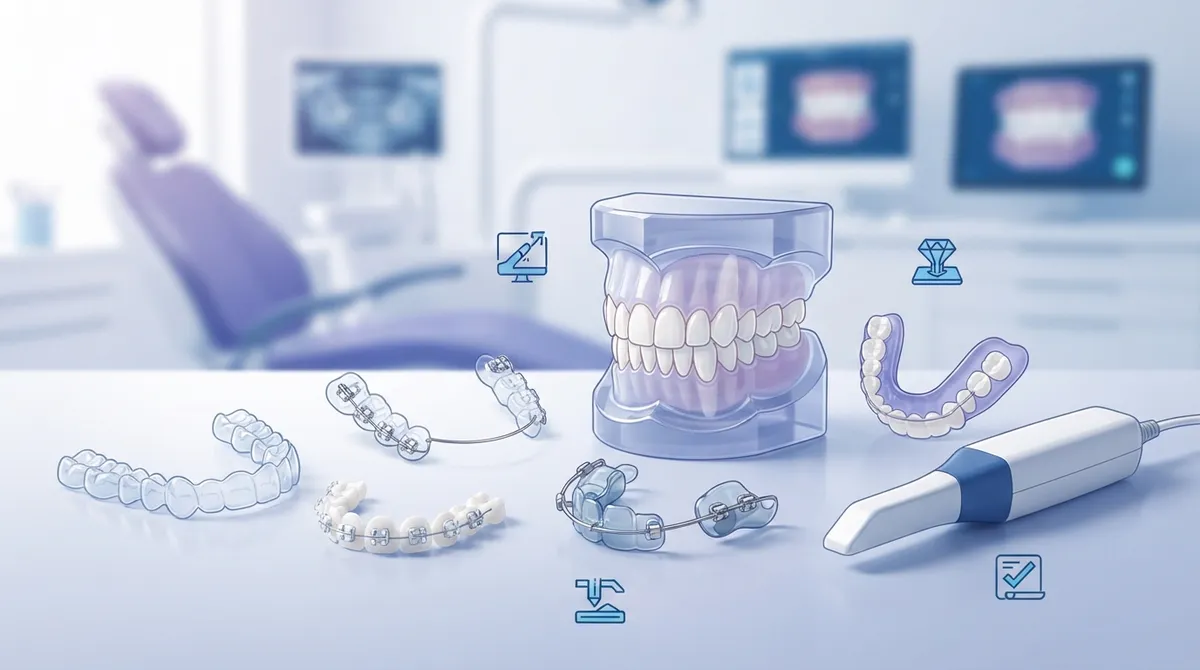
Orthodontics is the branch of dentistry that fixes crooked teeth and bad bites. The technical word for this is “malocclusion,” but don’t worry, you don’t need to remember that one. Orthodontists are dentists who go on to complete years of extra specialty training after dental school. That extra schooling means they’re experts in guiding teeth and jaws into healthy, beautiful positions.
Think of an orthodontist like a specialist coach for your smile. A general dentist keeps your teeth healthy day to day. An orthodontist steps in when teeth need to move, shift, or align better. This could mean anything from a simple gap to a more complex bite issue affecting how you chew or speak.
Now let’s dig into the five biggest trends shaping orthodontic care this year.
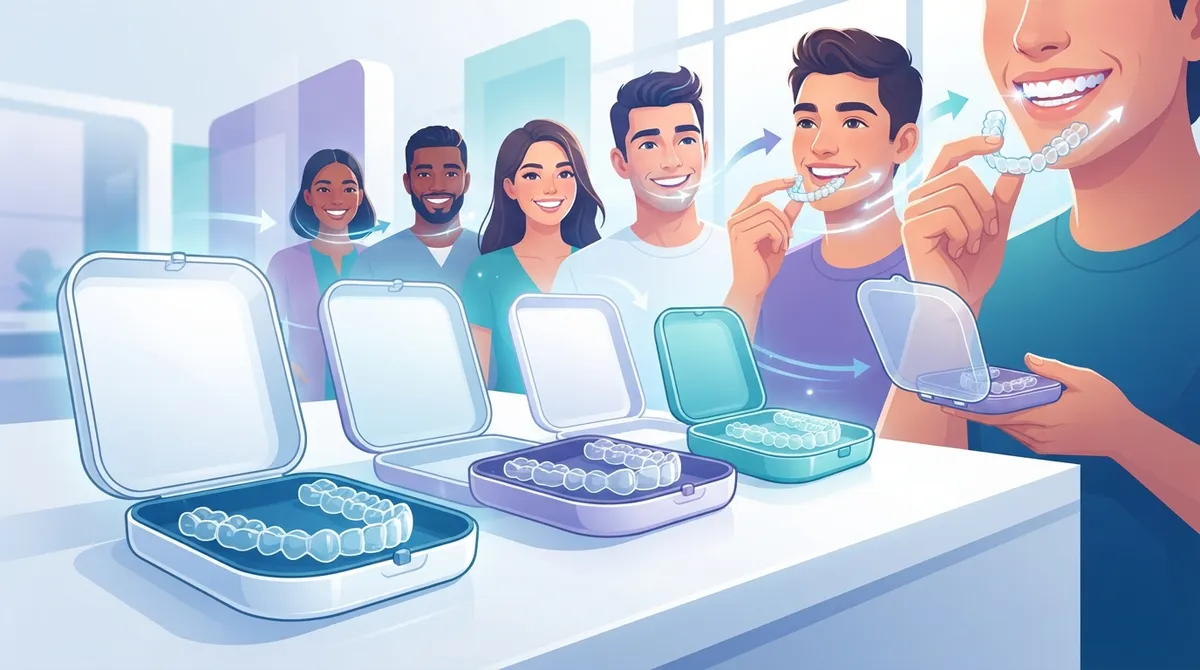
1. Clear Aligners Are Taking Over (For Good Reason)
If you’ve noticed more adults wearing barely-visible trays instead of metal brackets, you’re not imagining things. Clear aligners are officially the fastest-growing part of the orthodontic world right now.
Why the surge in popularity? A few simple reasons:
- They’re nearly invisible, so nobody has to know you’re in treatment
- You can remove them to eat, brush, and floss normally
- They tend to feel more comfortable than traditional wire brackets
- They fit easily into busy work schedules and social lives
Our patients love asking about removable aligners and how clear trays straighten your smile because the process feels so much less intimidating than old-school braces. If you’re curious whether this option fits your lifestyle, our page on clear aligners breaks down exactly how the trays work from start to finish.
Clear Aligners vs. Traditional Braces: A Quick Comparison
| Feature | Clear Aligners | Traditional Braces |
|---|---|---|
| Visibility | Nearly invisible | Visible metal or ceramic |
| Removable | Yes | No |
| Best for | Mild to moderate cases | Mild to complex cases |
| Eating restrictions | None (remove first) | Some foods to avoid |
| Average cost | Similar to braces | Under $2,000 average |
Both options work wonderfully. It really comes down to your specific bite, your lifestyle, and what feels right for you. Our article on braces vs clear aligners and which orthodontic solution is right for you can help you decide.
2. Digital Scanning Has Replaced Goopy Molds
Remember biting down on that gooey putty tray at the dentist? Good news, that uncomfortable step is disappearing fast. Digital impressions and intraoral scanners have become one of the biggest game-changers in modern orthodontic care.
Instead of messy molds, your orthodontist now uses a small wand that takes a 3D picture of your teeth in minutes. This shift means:
- No more gagging on putty trays
- Faster, more accurate results
- Instant digital models your orthodontist can study closely
- Smoother workflow, meaning fewer visits wasted on redoing impressions
This technology also helps our team plan your treatment with pinpoint accuracy, whether you’re getting custom braces or clear trays. It’s one more reason why understanding teeth positioning and how to fix alignment issues has become so much easier for both patients and doctors.
3. AI Is Helping Build Smarter Treatment Plans
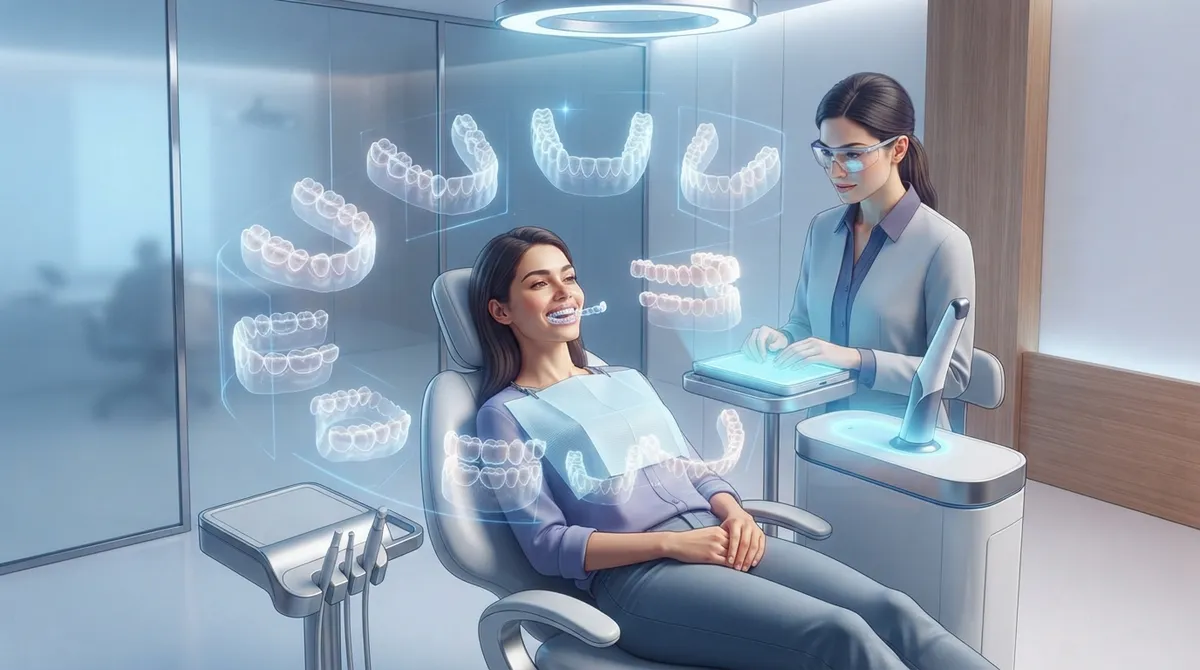
Artificial intelligence isn’t just for chatbots and self-driving cars anymore. It’s now helping orthodontists map out precise, customized treatment plans based on each patient’s unique anatomy. Upcoming 2026 clinical guidelines are putting even more focus on this AI-driven approach.
Here’s what that means for you in simple terms. The computer helps predict how your teeth will move, step by step, before treatment even begins. It’s like having a GPS for your smile journey, showing the best route from crooked to straight.
This doesn’t replace your orthodontist’s expert eye, of course. Dr. Chacon still reviews every single plan personally. But it does mean fewer surprises, more accurate timelines, and often shorter treatment overall. You can learn more about the technology we use to plan every smile with precision.
4. Adults Are Jumping Into Orthodontic Treatment Like Never Before
Here’s a fun fact that might surprise you: adult orthodontics is one of the fastest-growing parts of this entire industry. Gone are the days when braces were “just for kids.” Busy professionals, parents, and even grandparents are choosing to finally get the smile they’ve always wanted.
Why the change? A few honest reasons come up again and again:
- Discreet options like clear aligners fit easily into professional life
- More awareness about how a confident smile affects careers and relationships
- People over 50 actually face three times the risk of tooth decay compared to those under 18, making proper alignment even more important for long-term dental health
- Treatment appliances now average under $2,000, making it more accessible than many expect
If you’re an adult in the Westchase or Brandon area wondering if it’s “too late,” it’s absolutely not. Check out why adults are choosing orthodontic treatment or explore adult orthodontics and straighter teeth at any age. We’ve helped countless working professionals in Brandon feel more confident smiling in meetings, photos, and everyday life.
Why Adults Are Choosing Orthodontic Treatment
| Motivation | Percentage Impact |
|---|---|
| Aesthetic improvement | Top driver among adults |
| Discreet treatment options | Major factor in decision |
| Case acceptance rates industry-wide | 64.4% average |
| New patient consults monthly | Nearly 50% of practices see 100-399 |
5. Faster Treatment Options Are Becoming More Common
Nobody wants to wear braces or trays longer than they have to. The good news? Accelerated orthodontic techniques are becoming more available, helping speed up tooth movement without sacrificing quality results.
Combined with better digital planning and AI-assisted mapping, many patients are finishing treatment faster than in previous years. Extraction rates have also dropped significantly, falling from about 37.74% to 29.28% over the past five years. This means fewer patients need teeth removed before starting treatment, a trend most people are thrilled about.
Some accelerating factors include:
- More precise digital treatment planning from the very first visit
- Better bracket and aligner materials that move teeth more efficiently
- Reduced need for extractions, simplifying the whole process
- Regular monitoring using digital scans instead of guesswork
If you’re wondering what your own timeline might look like, our guide on how to plan your life around braces treatment duration is a great place to start.
The Growing Orthodontics Market: By the Numbers
It’s not just anecdotal, the data backs up everything we’re seeing in our own Westchase and Brandon offices. The global orthodontics market was valued at USD 8.84 billion in 2024 and is projected to reach USD 10.53 billion in 2025. Even more impressive, it’s expected to grow at a compound annual rate of 15.3% through 2035, eventually reaching an estimated $43.60 billion.
North America currently holds about 40% of that global market, making it the clear leader in orthodontic innovation and adoption. That’s a big reason why practices here, including ours, continue investing in the latest scanning technology, AI planning tools, and treatment options.
| Market Metric | Value |
|---|---|
| 2024 global market value | $8.84 billion |
| 2025 projected value | $10.53 billion |
| 2035 projected value | $43.60 billion |
| CAGR (2024-2035) | 15.3% |
| North America market share | ~40% |
Choosing the Right Orthodontic Care for Your Family
With so many advances happening, it helps to know what to look for when picking an orthodontist. Here’s a simple checklist:
- Confirm they’re board-certified with proper specialty training
- Ask about digital scanning and modern treatment technology
- Look for bilingual staff if English isn’t your family’s first language
- Check if they offer flexible options like clear aligners and custom braces
- Make sure they offer a free consultation before you commit to anything
Dr. Chacon brings over ten years of board-certified experience to every patient he sees. Trained in New York City and originally from Puerto Rico, he’s fluent in both English and Spanish, which makes a huge difference for bilingual families searching for clear, comfortable communication. You can read more about Dr Omar Chacon and his approach to personalized care.
We also share real patient stories and updates on our Instagram and Facebook pages, and you can connect with Dr. Chacon’s professional background on LinkedIn. It’s a great way to see real smiles and real results before your first visit.
What About Kids and Teens?
Parents often ask us when’s the right time to bring their child in for a first check. The honest answer is earlier than you’d think. Catching alignment issues early can save time, money, and stress down the road. Our guide on early signs you need braces and what parents should look for covers exactly what to watch for at home.
Teens have their own set of concerns too, mostly around fitting treatment into school, sports, and social life without feeling self-conscious. Options like clear aligners loved by teens and adults alike make this so much easier than it used to be.
Ready to Take the Next Step?
Orthodontic care has genuinely never been more comfortable, faster, or more personalized than it is right now in 2026. Whether you’re a parent exploring options for your child, a teen wanting a discreet solution, or an adult finally ready to invest in your smile, there’s never been a better time to start.
We’d love to meet you and your family at either our Westchase or Brandon location. See why so many families in the area trust our team by taking a look at how our Chacon Orthodontics Brandon location shines on Google reviews. Ready to get started? Schedule your free consultation today and let’s talk about the smile you’ve always wanted.
FAQs
Q: What are the latest technological innovations in orthodontic care for 2026?
A: This year is all about AI-driven treatment planning and digital scanning technology. These tools help create super precise roadmaps for your smile, based on your unique teeth and jaw shape, making treatment more accurate than ever before.
Q: How does the cost of clear aligners compare to traditional braces?
A: Great question! Clear aligners and traditional braces usually cost about the same, with the average orthodontic appliance running under $2,000. The best choice really depends on your specific needs, not your budget alone.
Q: Why is adult orthodontics growing faster than teen orthodontics?
A: More adults are realizing it’s never too late for a confident smile! Discreet options like clear aligners fit easily into busy work lives, and there’s growing awareness of how straight teeth support overall dental health as we age.
Q: What is the role of AI in modern orthodontic treatment planning?
A: Think of AI as a helpful assistant that maps out how your teeth will move before treatment even starts. It helps your orthodontist create a more accurate, personalized plan, though your doctor still reviews every detail personally.
Q: How has digital scanning changed the orthodontic patient experience?
A: No more goopy putty trays, hooray! Digital scanners take a 3D picture of your teeth in just minutes, making appointments faster, comfier, and way more pleasant for patients of all ages.