Key Takeaways
-
Schedule your child’s first orthodontic evaluation by age 7, when they have a mix of baby and adult teeth, allowing orthodontists to spot problems early and guide jaw growth before treatment becomes more complex.
-
Pediatric dentists often identify early signs of orthodontic problems like crowded teeth or unusual bites; early intervention can reduce tooth extractions, shorten treatment time later, and save families time and money.
-
Watch for warning signs including early/late baby tooth loss, difficulty chewing, mouth breathing, crowded teeth, jaw shifting sounds, and thumb-sucking past age 5 to determine if orthodontic evaluation is needed.
-
Early interceptive treatment in Phase 1 uses small appliances to guide jaw growth and create space for adult teeth, potentially eliminating the need for more invasive treatments during the teen years.
If you’re a parent, you’ve probably wondered about the difference between pediatric dentistry and orthodontic care. It’s a fair question! Many families get confused about who handles what when it comes to their child’s smile. The good news? Once you understand the difference, you’ll know exactly when to bring your little one in for a check on their teeth alignment, bite, and jaw growth.
While pediatric dentistry focuses on general oral health for kids, orthodontic care zooms in on something specific: how your child’s teeth and jaws are lining up. Think of it like this. A pediatric dentist checks for cavities and cleans teeth. An orthodontist looks at the bigger picture of how everything fits together. Both matter. Both work as a team. And at Chacon Orthodontics, we love partnering with family dentists to give kids in Westchase and Brandon the healthiest, most confident smiles possible.
What Is Pediatric Dentistry, Really?
Pediatric dentistry covers the everyday dental care kids need as they grow. This includes cleanings, cavity checks, fluoride treatments, and teaching good brushing habits. It’s the foundation of a healthy mouth.
But here’s something many parents don’t realize. Pediatric dentists often spot early signs of orthodontic problems long before braces ever come into the picture. They might notice crowded teeth, an unusual bite, or a jaw that seems too small. That’s usually when they’ll suggest a visit to an orthodontist for a closer look.
How Orthodontic Care Fits Into the Picture
Orthodontic care picks up where general dental checkups leave off. While your child’s dentist handles cavities and cleanings, an orthodontist evaluates things like:
- Crowded or overlapping teeth
- Gaps between teeth that seem too wide
- Overbites, underbites, or crossbites
- Jaw growth patterns that could cause problems later
- Thumb-sucking or tongue habits affecting tooth position
- Early or late loss of baby teeth
Learning to understand teeth positioning and fix alignment issues early can save your family time, money, and a whole lot of stress down the road.
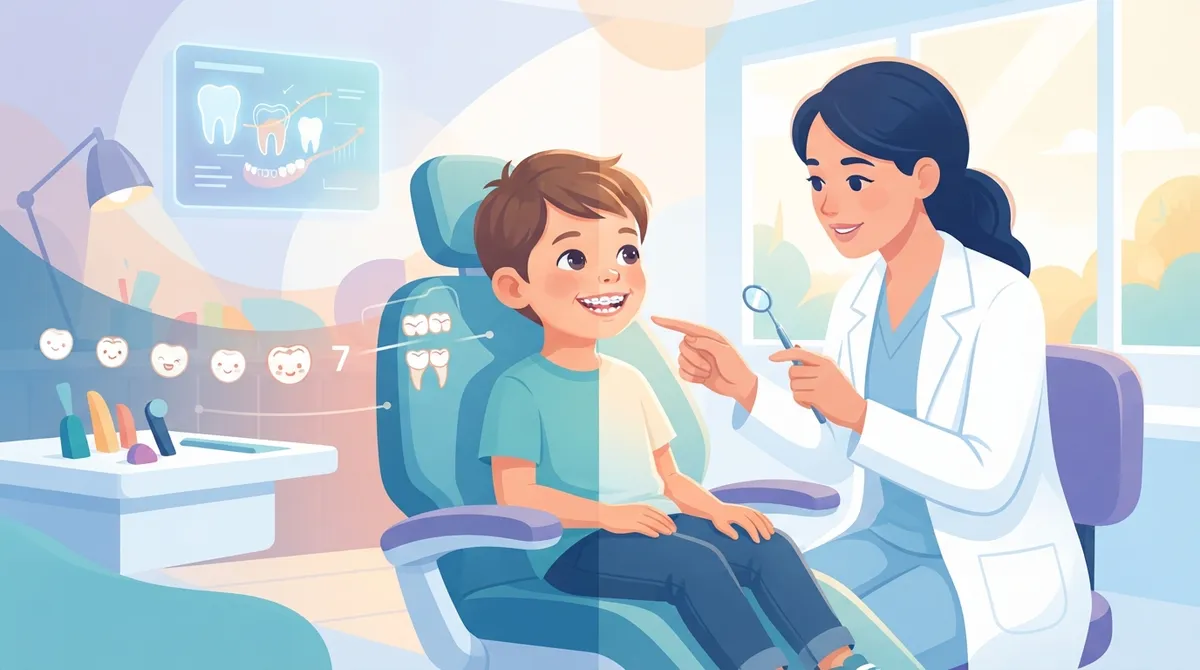
Why Age 7 Is the Magic Number
The American Association of Orthodontists recommends that every child see an orthodontist by age 7. Why so early? At this age, kids still have a mix of baby and adult teeth. This makes it easier for an orthodontist to spot problems while there’s still room to guide growth in the right direction.
Don’t worry, this doesn’t mean your 7-year-old will need braces right away. Most kids won’t. But an early check-in gives us a chance to catch things while treatment options are simpler and often less invasive.
Signs Your Child Might Need an Orthodontic Evaluation
Parents often ask us, “How do I know if my kid needs to see an orthodontist?” Here are some clues to watch for:
- Baby teeth fall out very early or very late compared to other kids their age
- Your child has trouble chewing or biting food comfortably
- You notice mouth breathing or snoring at night
- Teeth look crowded, crooked, or protruding
- Jaws seem to shift or make sounds when opening and closing
- Your child sucks their thumb or fingers past age 5
If any of these sound familiar, check out our guide on early signs you need braces to learn more about what to watch for at home.
Comparing Pediatric Dental Visits and Orthodontic Visits
It helps to see these two types of care side by side. Here’s a simple breakdown:
| Focus Area | Pediatric Dentist | Orthodontist |
|---|---|---|
| Main Goal | Overall oral health, cavity prevention | Teeth alignment and bite correction |
| Common Visits | Cleanings, checkups, x-rays | Consultations, braces, aligner fittings |
| Recommended First Visit | By age 1 | By age 7 |
| Treats | Cavities, gum health, tooth development | Crowding, overbites, jaw alignment |
Early Orthodontic Treatment: What It Actually Looks Like
Early treatment, sometimes called Phase 1, isn’t about rushing your child into braces. It’s about guiding jaw growth and making room for adult teeth while your child is still growing. This can mean the difference between simple treatment now and more complex work later.
Some kids benefit from small appliances that widen the jaw or create space. Others just need regular monitoring until they’re ready for full treatment as a teen. Every child is different, which is why early orthodontic treatment can save time, money, and smiles when it’s the right fit.
Benefits of Catching Issues Early
Getting ahead of orthodontic problems has some real perks for your child:
- Guides jaw growth while bones are still developing
- Creates more room for crowded adult teeth
- May reduce the need for tooth extractions later
- Can shorten treatment time as a teenager
- Helps correct harmful habits like thumb-sucking
- Boosts confidence by improving speech and chewing function
What Happens at Your Child’s First Orthodontic Visit
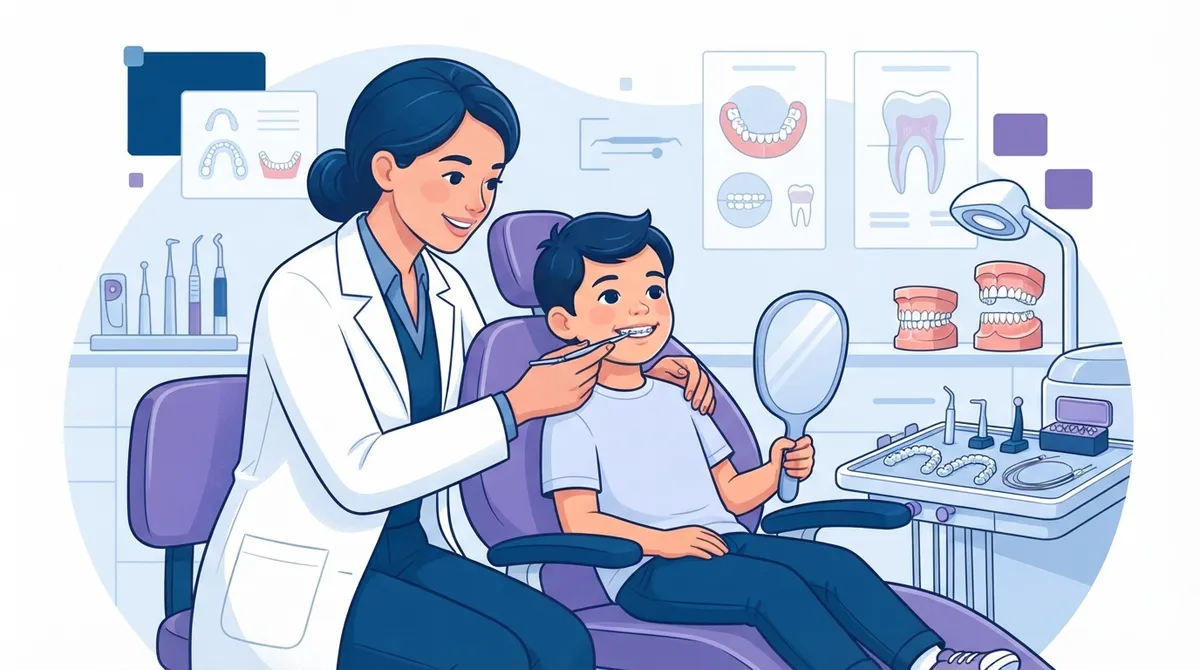
First visits are simple and stress-free. We know new experiences can feel a little scary for kids, so our team keeps things relaxed and friendly the whole time.
- We start with a warm welcome and get to know your child
- Dr. Chacon examines their teeth, jaw, and bite
- We may take digital images or x-rays to see what’s happening beneath the surface
- We discuss findings with you in plain, easy language
- Together, we decide if treatment is needed now or later
Want more details? Read our full guide on what to expect at your child’s first visit. And if you’re more comfortable speaking Spanish, know that our bilingual team is happy to explain everything in the language that feels best for your family.
Treatment Options for Kids and Teens
Once your child is ready for treatment, there are several paths to consider depending on their needs, age, and lifestyle.
| Option | Best For | Key Benefit |
|---|---|---|
| Custom Braces | Complex alignment or bite issues | Precise, reliable results |
| Clear Aligners | Teens wanting discreet treatment | Removable and nearly invisible |
| Early Interceptive Appliances | Younger kids with jaw growth concerns | Guides growth before adult teeth arrive |
| Retainers | After any treatment | Keeps that new smile in place |
Curious how the two most popular teen options stack up? Take a look at our comparison of braces vs. clear aligners for your teen to see which fits your family’s lifestyle better.
Keeping Little Smiles Healthy Between Visits
Good habits at home make a huge difference, whether your child has braces or not. Here are some tips we share with every family:
- Brush twice daily and floss at least once
- Limit sugary snacks and sticky candy
- Wear retainers exactly as instructed after treatment
- Keep up with regular dental cleanings, even during orthodontic treatment
- Bring your child in right away if a bracket breaks or wire pokes
If your child already has braces, our list of braces-friendly snacks every parent should know makes mealtime easier and worry-free.
Why Bilingual Care Matters for Local Families
Westchase and Brandon are home to many wonderful bilingual families. Clear communication matters when it comes to your child’s health. Dr. Omar Chacon, originally from Puerto Rico, speaks both English and Spanish fluently. This means no confusion, no missed details, and total comfort during every visit.
We’re proud to serve families exactly the way they want to be served. You can follow along with patient stories and smile transformations on our Instagram page or connect with us on Facebook for updates and tips.
Choosing the Right Orthodontist for Your Child
Not every orthodontist is the same, and picking the right one matters for your child’s comfort and results. Look for these qualities:
- Board certification, which shows extra training beyond dental school
- Experience treating children and teens specifically
- A friendly, kid-focused office environment
- Modern technology like digital imaging for accurate diagnosis
- Flexible payment plans and insurance help
- Positive reviews from other local families
Dr. Chacon is board-certified with over 10 years of experience, and you can learn more about why choosing a board-certified orthodontist makes all the difference for your child’s care. His background and training were shaped in New York City, and you can read more about his credentials on LinkedIn.
Serving Westchase and Brandon Families
Our Westchase office makes it easy for local families to fit orthodontic visits into busy school and sports schedules. We know weekday afternoons can get hectic, which is why we offer flexible scheduling, including some Saturday hours.
Many families in the area have shared their experiences with us. You can see what our Chacon Orthodontics West Chase patients say on Google to get a feel for what a visit with our team is really like.
Your Next Step Toward a Healthy Smile
Understanding pediatric dentistry and orthodontic care together helps you make the best choices for your child’s smile. Every kid grows differently, and there’s no one-size-fits-all timeline. What matters most is staying proactive and getting that first orthodontic check-in around age 7.
Ready to see where your child stands? Schedule a Free Consultation with our friendly team today, and let’s build a plan that fits your child and your family perfectly. We can’t wait to meet you and help create a smile they’ll love for years to come.
FAQs
Q: What is the difference between pediatric dentistry and orthodontic care?
A: Pediatric dentistry focuses on your child’s overall oral health, like cavity prevention and cleanings. Orthodontic care zooms in on teeth alignment and bite issues. They work together beautifully, and many pediatric dentists refer patients to us when they notice alignment concerns.
Q: At what age should my child first see an orthodontist?
A: The American Association of Orthodontists recommends age 7 for that first check-in. Don’t worry, this doesn’t mean braces right away! It just means we can spot potential issues early while there’s still room to guide growth.
Q: Can my child see a pediatric dentist and orthodontist at the same time?
A: Absolutely, and we actually encourage it. Regular dental cleanings should continue even during orthodontic treatment, since good oral hygiene keeps everything healthy while braces or aligners do their job.
Q: What if my child sucks their thumb or breathes through their mouth?
A: These habits can affect how teeth and jaws develop over time. It’s worth bringing this up at an orthodontic evaluation, since we can offer gentle guidance and, if needed, simple treatment to help correct the pattern.
Q: Does Chacon Orthodontics offer bilingual care for families?
A: Yes, we sure do! Dr. Omar Chacon speaks both English and Spanish fluently, so families throughout Westchase and Brandon can feel completely comfortable and understood during every single visit.