

Key Takeaways
-
Schedule your free orthodontic consultation prepared with dental records, insurance info, and a list of specific questions about treatment options.
-
Understand exactly what's included in a free consultation: typically comprehensive exam, digital scans, and treatment recommendations, but not emergency services.
-
Explore all available treatment options like metal braces, ceramic braces, and clear aligners, comparing costs, duration, and lifestyle impacts.
-
Discuss complete financial picture upfront, including total treatment cost, insurance coverage, payment plans, and potential additional expenses.
-
Ask detailed questions about the orthodontist's experience, credentials, technological capabilities, and specific expertise relevant to your dental needs.
-
Get a second opinion, especially for complex treatments, to ensure you're receiving the most appropriate and cost-effective orthodontic recommendation.
A free orthodontist consultation represents a valuable opportunity to explore treatment options, understand costs, and make informed decisions about your oral health—all without financial commitment. However, many patients unknowingly sabotage this crucial first appointment by making preventable mistakes that can lead to confusion, unexpected costs, or missed opportunities for optimal care. Whether you’re considering treatment for yourself, your child, or seeking a second opinion, understanding what to avoid during your consultation can save you time, money, and frustration while ensuring you receive the most appropriate orthodontic treatment plan.
Most orthodontic practices, including Chacon Orthodontics in Westchase, Florida, offer completely free initial consultations to new patients. These appointments typically last about one hour and include comprehensive examinations, digital imaging, and personalized treatment discussions. Despite being offered at no cost, these consultations provide the foundation for your entire orthodontic journey. The decisions you make—or fail to make—during this appointment can significantly impact your treatment outcomes, costs, and overall satisfaction. Let’s explore the seven most common mistakes patients make during their free orthodontic consultations and how you can avoid them to maximize the value of this complimentary service.

Mistake 1: Arriving Unprepared Without Essential Information
One of the most detrimental mistakes patients make is showing up to their free consultation without bringing necessary documentation or information. This oversight can prevent the orthodontist from providing accurate recommendations and may require scheduling additional appointments, delaying your treatment start date. Your orthodontist needs a complete picture of your dental history, current health status, and treatment goals to develop an effective plan tailored to your specific needs.
Before your appointment, gather your dental insurance information, including your policy number, group number, and insurance company contact details. Many PPO plans cover a portion of orthodontic treatment costs, and your orthodontist’s office can verify your benefits during the consultation. Additionally, bring a list of any medications you’re currently taking, previous dental records if available, and any X-rays or scans taken within the past year. If you’re seeking treatment for your child, prepare to answer questions about their dental development, habits like thumb-sucking or teeth grinding, and any concerns you’ve noticed.
Create a written list of questions and concerns before your appointment. This preparation ensures you won’t forget important topics during the consultation. Consider asking about treatment duration, different orthodontic options available, maintenance requirements, and what happens if you move during treatment. Having these questions ready demonstrates your commitment to the process and helps the orthodontist address your specific concerns comprehensively.
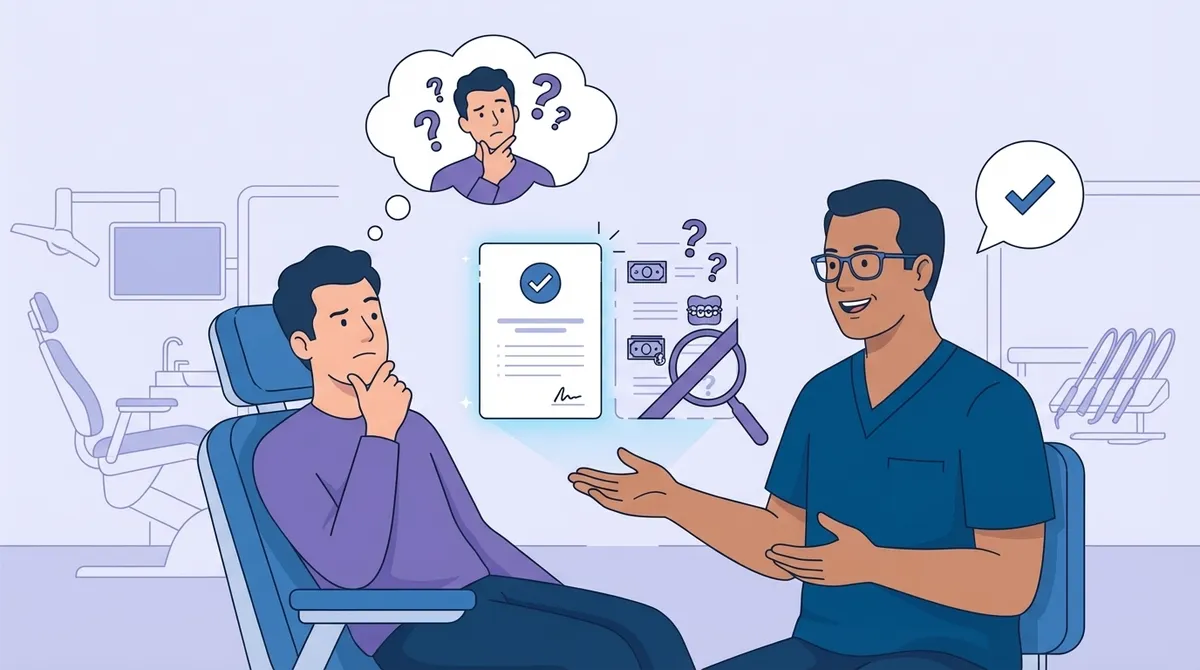
Mistake 2: Not Understanding What’s Included in the Free Consultation
Many patients arrive at their free orthodontic consultation with unrealistic expectations about what the appointment includes or excludes, leading to disappointment or confusion. Understanding exactly what’s covered ensures you can take full advantage of the services offered without encountering unexpected limitations or costs.
A comprehensive free consultation typically includes several components. First, you’ll receive a thorough oral examination where the orthodontist evaluates your teeth alignment, bite relationship, jaw positioning, and overall oral health. Most practices include digital 3D scans or X-rays during this visit, providing detailed images that help identify underlying issues not visible during a visual examination alone. The orthodontist will then discuss various treatment options suitable for your specific situation, which may include custom braces, clear aligners, or other specialized treatments.
| Typically Included | Not Usually Included |
|---|---|
| Comprehensive oral examination | Emergency treatment or repairs |
| Digital X-rays or 3D scans | Cleaning or cavity fillings |
| Discussion of treatment options | Same-day appliance placement |
| Cost estimates and payment plans | Extractions or surgical procedures |
| Insurance verification | Retainer replacements from other providers |
It’s important to clarify that free consultations are specifically for orthodontic evaluation and planning—they don’t include general dental services like cleanings, fillings, or extractions. If you need these services, you’ll be referred to a general dentist. Additionally, while some practices offer same-day treatment starts, the initial consultation is typically focused on evaluation and planning rather than immediate treatment initiation. Understanding these boundaries prevents disappointment and helps you plan appropriately for your orthodontic journey.
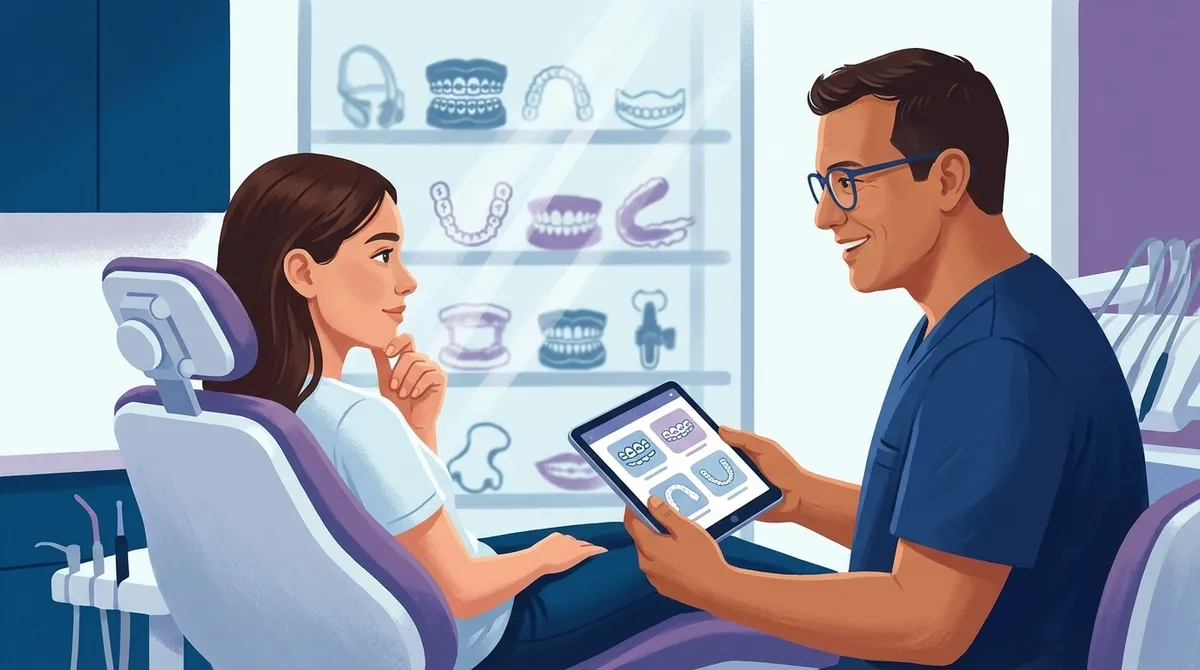
Mistake 3: Failing to Ask About All Treatment Options Available
A critical error during free orthodontic consultations is passively accepting the first treatment recommendation without exploring all available options. Orthodontic technology has advanced significantly, offering diverse solutions beyond traditional orthodontic braces, each with distinct advantages, timelines, and costs. Not asking about alternatives may result in choosing a treatment that doesn’t align with your lifestyle, aesthetic preferences, or budget.
During your consultation, specifically request information about all treatment modalities applicable to your case. Traditional metal braces remain highly effective and often represent the most affordable option, particularly for complex cases requiring significant tooth movement. Ceramic braces offer a more aesthetic alternative with tooth-colored brackets that blend with your natural teeth. Clear aligners like Invisalign provide virtually invisible treatment suitable for mild to moderate alignment issues, offering removability for eating and special occasions—ideal for adults and image-conscious teens.
Beyond these common options, ask whether you’re a candidate for accelerated orthodontics, lingual braces (attached to the back of teeth), or self-ligating braces that may reduce treatment time. Some patients benefit from two-phase treatment, particularly children whose jaws are still developing. Request detailed comparisons including treatment duration, maintenance requirements, dietary restrictions, comfort levels, and total costs for each option. According to recent industry data, treatment costs can vary significantly—traditional braces typically range from $3,000-$7,000, while clear aligners may cost $4,000-$8,000 depending on case complexity and geographic location.
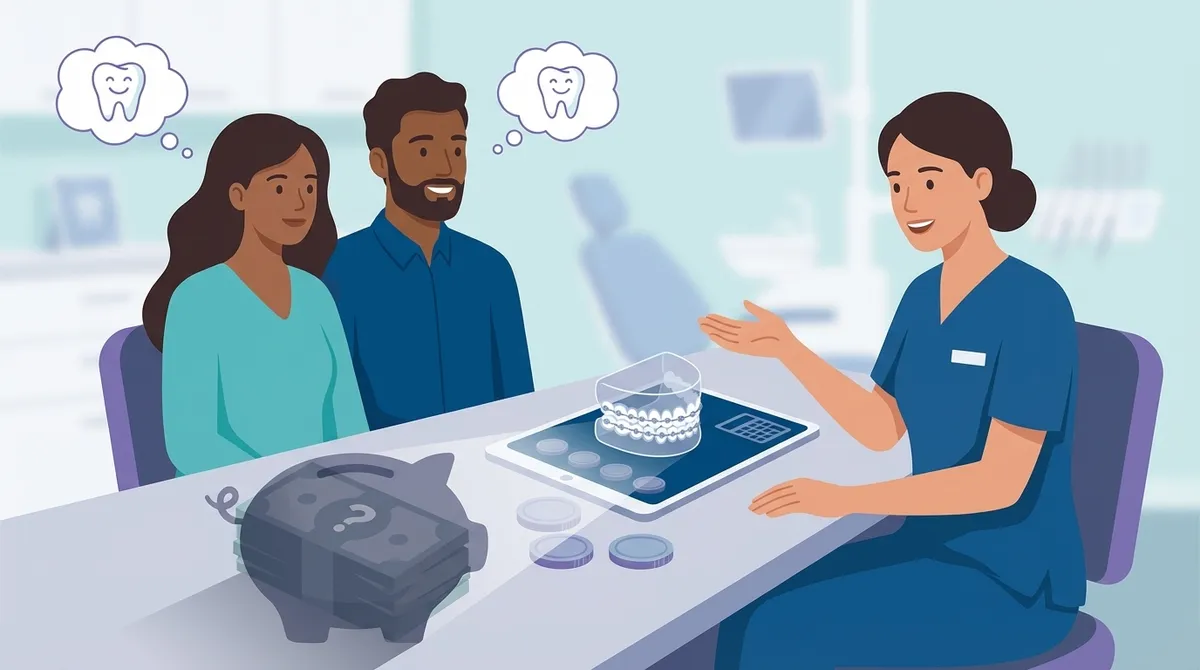
Mistake 4: Not Discussing the Full Financial Picture Upfront
Financial confusion represents one of the most common sources of patient dissatisfaction with orthodontic treatment. Many patients make the mistake of not thoroughly discussing costs, insurance coverage, and payment options during their free consultation, only to encounter unexpected expenses later. This oversight can lead to treatment delays, financial stress, or settling for less-than-ideal payment arrangements.
During your consultation, request a complete cost breakdown that includes all anticipated expenses. Ask for the total treatment cost, what’s included in that price, and whether there are additional fees for emergency visits, retainers, or extended treatment if complications arise. Understanding the comprehensive financial picture prevents surprises and allows for accurate budgeting. Don’t hesitate to ask seemingly uncomfortable questions about money—reputable orthodontists expect and welcome these discussions.
If you have dental insurance, bring your policy information and ask the office to verify your orthodontic benefits during the consultation. Many PPO plans cover 50% of orthodontic treatment up to a lifetime maximum, typically between $1,000-$2,000. However, coverage varies significantly by plan, and some exclude adult treatment entirely. Understanding your insurance benefits helps you calculate your out-of-pocket expenses accurately.
| Financial Topic | Questions to Ask |
|---|---|
| Total Treatment Cost | What is the complete cost including all anticipated fees? |
| Insurance Coverage | How much will my insurance cover? What’s my responsibility? |
| Payment Plans | What financing options are available? Are there interest-free plans? |
| Down Payment | How much is required upfront to begin treatment? |
| Additional Costs | Are retainers included? What about emergency visits or adjustments? |
Inquire about flexible payment plans and financing options available. Many orthodontic practices offer interest-free payment plans that divide the total cost into manageable monthly installments. Some offices work with third-party financing companies like CareCredit that provide longer-term payment options. Understanding these alternatives ensures you can afford quality treatment without financial strain. Additionally, ask about discounts for paying in full upfront, family discounts if multiple family members need treatment, or any promotional offers currently available.
Mistake 5: Not Asking About the Orthodontist’s Experience and Technology
Patients often assume all orthodontists provide equivalent care and fail to inquire about their provider’s specific qualifications, experience, and technological capabilities. This oversight can result in choosing a practice that may not be the best fit for your particular needs or expectations. Remember, orthodontics is a specialized field requiring additional education beyond dental school, and experience with specific conditions or treatment modalities varies considerably among practitioners.
During your free consultation, don’t hesitate to ask about the orthodontist’s credentials and experience. Inquire how long they’ve been practicing, whether they’re board-certified, and if they have specific expertise with your particular condition or age group. For instance, if you’re seeking treatment for a young child, ask about the orthodontist’s experience with early intervention and two-phase treatment. If you’re an adult seeking discreet treatment, inquire about their experience with clear aligners and adult orthodontics. At practices like Chacon Orthodontics, Dr. Chacon and our team have extensive experience treating patients of all ages with various orthodontic needs.
Technology plays a crucial role in modern orthodontics, significantly impacting treatment accuracy, comfort, and efficiency. Ask what diagnostic technology the practice uses—digital X-rays, 3D imaging, and intraoral scanners provide superior diagnostics compared to traditional methods while exposing patients to less radiation. Inquire whether the practice uses digital treatment planning software that allows you to visualize your projected results before treatment begins. Advanced practices may offer accelerated treatment options using technologies that reduce overall treatment time by months.
Additionally, ask about the sterilization protocols and safety measures in place. Understanding how the practice prioritizes patient safety and stays current with technological advances provides insight into their commitment to quality care. Don’t forget to ask about emergency protocols—what happens if a bracket breaks or you experience discomfort outside regular office hours? Knowing the practice has systems in place for urgent situations provides peace of mind throughout your treatment journey.
Mistake 6: Neglecting to Get a Second Opinion
Perhaps one of the most significant mistakes patients make is committing to treatment after a single consultation without seeking a second opinion. While it might seem efficient to start treatment immediately, orthodontic treatment represents a substantial financial investment and time commitment—typically 12-24 months—that warrants thorough consideration and comparison. Getting multiple professional opinions ensures you receive the most appropriate treatment recommendation and best value for your investment.
Treatment philosophies and recommendations can vary considerably among orthodontists, even when evaluating the same patient. One orthodontist might recommend extraction of certain teeth to create space, while another might suggest expansion appliances to preserve all natural teeth. These differences aren’t necessarily about one approach being “right” and another “wrong”—rather, they reflect different treatment philosophies, experience levels, and assessment of your specific situation. Consulting multiple orthodontists exposes you to these various perspectives, empowering you to make a more informed decision aligned with your values and preferences.
Second opinions are particularly valuable in certain situations. If the initial orthodontist recommends jaw surgery in conjunction with braces, definitely seek additional consultation. Surgical cases represent complex treatments with significant implications, and confirming the necessity through multiple professional opinions is prudent. Similarly, if the proposed treatment seems unusually long (exceeding 30 months) or expensive compared to typical ranges, additional consultations can confirm whether the recommendation is appropriate. If you feel uncomfortable with the orthodontist, practice environment, or proposed treatment plan for any reason, trust your instincts and explore other options.
Most reputable orthodontic practices, understanding the value of informed decision-making, welcome and even encourage patients to seek second opinions. In fact, free consultations exist partly to allow patients this opportunity for comparison. When scheduling your second consultation, bring records from your first visit if available—many practices will review existing X-rays and scans, potentially saving you from redundant imaging. Use both consultations to compare not just treatment recommendations and costs, but also communication styles, office environments, staff professionalism, and your overall comfort level with each practice.
Mistake 7: Forgetting to Ask About Post-Treatment Care and Retention
A frequently overlooked aspect during initial consultations is what happens after your braces come off or you complete your aligner treatment. Many patients focus exclusively on achieving a straight smile without understanding the critical importance of retention phase—the period following active treatment when you wear retainers to maintain your results. Failing to discuss retention during your consultation can lead to misunderstandings about treatment completion, unexpected costs, and potentially, disappointing relapse of teeth to their original positions.
During your free consultation, specifically ask about the retention phase. Inquire what types of retainers are used, whether they’re included in your treatment cost or represent an additional expense, and how long you’ll need to wear them. Retention requirements vary, but most orthodontists recommend full-time wear for several months following treatment completion, followed by nighttime wear indefinitely to prevent relapse. Understanding this commitment upfront ensures you’re prepared for the complete treatment journey, not just the active phase.
Ask about the long-term follow-up care provided. Does the practice schedule retention check-ups to monitor stability? What happens if your retainer breaks or is lost—how quickly can it be replaced and at what cost? Some practices include the first set of retainers in treatment costs but charge for replacements, while others offer retainer replacement programs. Clarifying these details prevents surprises and helps you budget appropriately for long-term smile maintenance.
| Retention Topic | Important Questions |
|---|---|
| Retainer Type | What type of retainer will I receive? Fixed or removable? |
| Wear Schedule | How long daily must I wear retainers? For how many years? |
| Cost Inclusion | Are initial retainers included in treatment cost? |
| Replacement Policy | What’s the cost if my retainer breaks or is lost? |
| Follow-up Care | Do you provide retention check-ups? How often? |
Additionally, discuss what happens in the event of relapse—if your teeth shift despite wearing retainers as directed. Understanding the practice’s policies on retreatment or adjustments provides security that your investment is protected. Some orthodontists offer limited warranties or guarantees for cases where proper retention protocols were followed but minor shifts occurred. Knowing these policies upfront demonstrates the practice’s commitment to long-term patient satisfaction.
Don’t forget to ask about complementary treatments that might enhance your results. Many orthodontic practices offer teeth whitening services that can be coordinated with your orthodontic treatment, helping you achieve not just straight teeth but a brilliantly white smile. Some practices provide whitening at a discount when combined with orthodontic treatment, representing excellent value for patients seeking comprehensive smile transformation.
Maximizing the Value of Your Free Consultation
Understanding these seven critical mistakes empowers you to approach your free orthodontic consultation strategically, extracting maximum value from this complimentary service. Remember, the consultation isn’t merely about the orthodontist evaluating you—it’s equally an opportunity for you to evaluate the practice, treatment options, and whether the orthodontist is the right fit for your needs and preferences.
Take notes during your consultation or bring a trusted friend or family member who can help remember important details discussed. Many practices provide written treatment proposals summarizing recommendations, costs, and timelines—request this documentation to review at home and compare with other consultations if you’re seeking multiple opinions. Don’t feel pressured to make an immediate decision. Reputable orthodontists understand that choosing treatment represents a significant commitment and will respect your need for time to consider your options.
Pay attention to the practice environment and staff interactions during your first visit. Is the office clean, organized, and welcoming? Are staff members friendly, professional, and helpful in answering questions? Do you feel rushed or genuinely heard during your consultation? These factors significantly impact your treatment experience over the coming months or years, making them worthy of consideration alongside clinical factors.
Finally, trust your instincts. If something feels off about a recommendation, if you sense you’re being upsold unnecessary treatments, or if your questions aren’t being answered satisfactorily, these red flags warrant attention. Your orthodontic journey should be a positive experience with a provider you trust completely. Take the time to find that right match, and don’t settle for less simply because a consultation is free.
Taking the Next Step Toward Your Perfect Smile
A free orthodontist consultation represents the critical first step toward achieving the confident, healthy smile you deserve. By avoiding these seven common mistakes—arriving unprepared, misunderstanding what’s included, not exploring all options, neglecting financial discussions, failing to verify qualifications, skipping second opinions, and forgetting about retention—you position yourself for a successful orthodontic experience from start to finish.
The investment of time and attention during your initial consultation pays dividends throughout your treatment journey. Patients who ask thorough questions, compare options, and choose their orthodontist carefully consistently report higher satisfaction with their results and treatment experience. Remember, the “free” in free consultation doesn’t diminish its importance—it’s perhaps the most valuable hour you’ll spend on your path to orthodontic transformation.
Whether you’re considering treatment for yourself, your child, or seeking to correct previous orthodontic relapse, approaching your consultation informed and prepared ensures you make decisions aligned with your goals, budget, and lifestyle. The questions you ask, the information you gather, and the impressions you form during this initial appointment establish the foundation for a treatment relationship that will span many months and significantly impact your oral health and confidence for a lifetime.
Ready to begin your orthodontic journey with confidence? Schedule your complimentary consultation today to explore your treatment options with experienced professionals who prioritize your individual needs and goals. Don’t let another day pass wondering about your smile potential—take that first informed step toward the transformation you’ve been envisioning. You can also visit us on Google to read our reviews and see why families throughout Westchase trust us with their orthodontic care.
FAQs
Q: What should I bring to my free orthodontist consultation?
A: Bring your dental insurance information, a list of current medications, any previous dental records or X-rays, and a written list of questions and concerns. If you’re bringing a child, be prepared to discuss their dental development history and any habits like thumb-sucking. Having this information ready helps the orthodontist provide the most accurate assessment and treatment recommendations during your consultation.
Q: Is a free orthodontic consultation really free with no hidden costs?
A: Yes, reputable orthodontic practices offer genuinely free consultations with no hidden fees or obligations. The consultation typically includes an oral examination, digital imaging, treatment options discussion, and cost estimates at no charge. However, the consultation covers evaluation and planning only—actual treatment, emergency services, or general dental procedures like cleanings would involve separate costs if you choose to proceed.
Q: Should I get a second opinion before starting orthodontic treatment?
A: Getting a second opinion is highly recommended, especially for complex cases involving extractions or surgery, unusually long treatment timelines, or if you feel uncertain about the initial recommendation. Treatment philosophies vary among orthodontists, and consulting multiple professionals ensures you understand all options and choose the approach that best aligns with your goals and preferences. Most practices welcome and encourage informed decision-making through comparison consultations.
Q: How long does a free orthodontic consultation usually take?
A: A comprehensive free orthodontic consultation typically lasts about one hour. This time includes completing paperwork, the oral examination, taking digital X-rays or 3D scans, discussing treatment options with the orthodontist, reviewing costs and payment plans, and asking questions. Some practices may offer shorter initial screenings, but a thorough consultation requires sufficient time to properly evaluate your needs and provide personalized recommendations.
Q: What questions should I ask during my free orthodontic consultation?
A: Essential questions include: What treatment options am I a candidate for and how do they compare? What is the total treatment cost including all fees? How long will treatment take? What is your experience with cases like mine? Are retainers included in the cost? What payment plans are available? What technology do you use? What happens if I have an emergency during treatment? Asking comprehensive questions ensures you understand your treatment journey completely and can make an informed decision about proceeding.