
Key Takeaways
-
In-office professional whitening remains the gold standard, achieving up to 8 shades of whitening in a single 30-90 minute session with advanced LED or laser technologies.
-
Modern whitening technologies now use AI-enhanced systems and nanotechnology-infused gels that not only whiten teeth but also remineralize and strengthen enamel.
-
Professional providers should conduct thorough dental examinations before recommending whitening, ensuring treatments are personalized and safe for your specific oral health needs.
-
Maintaining whitening results requires lifestyle modifications like limiting staining beverages, maintaining oral hygiene, and scheduling periodic touch-up treatments.
-
Teeth whitening effectiveness varies by age and stain type, with yellow-toned stains responding best and professional assessment crucial for determining appropriate treatment methods.
Finding the right teeth whitening solution in your local area can feel overwhelming with the numerous options available today. Whether you’re preparing for a special event, boosting your professional image, or simply want to restore your smile’s natural brightness, understanding the modern teeth whitening landscape is essential. In 2025, professional whitening has evolved beyond simple bleaching gels to include AI-enhanced systems, nanotechnology-infused treatments, and customized approaches that prioritize both results and comfort. This comprehensive guide will help you navigate your local teeth whitening options, understand the latest technologies, and make an informed decision that fits your lifestyle, budget, and dental health needs.
Understanding Professional Teeth Whitening Options Available Locally
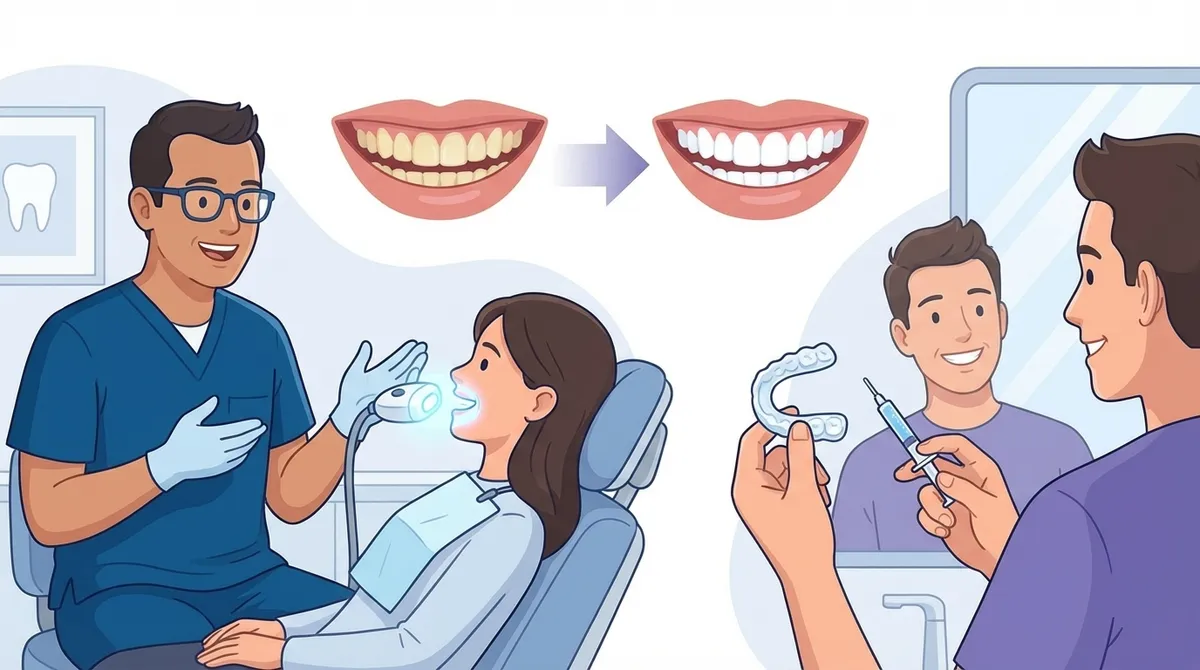
When searching for teeth whitening services in your area, you’ll encounter three primary categories of treatments: in-office professional whitening, dentist-prescribed take-home kits, and over-the-counter products. Each option offers distinct advantages depending on your timeline, budget, and desired results. In-office professional whitening remains the gold standard, utilizing high-concentration gels activated by LED or laser light to achieve several shades of whitening in a single session. According to recent data, in-office whitening can lighten teeth up to 8 shades in one session, typically lasting 30 to 90 minutes, with costs ranging between $300 and $1,000 per session.
Dentist-prescribed take-home kits represent a middle ground between professional and over-the-counter options. These kits feature custom-fitted trays created from impressions of your teeth and professional-grade whitening gels. Unlike generic strips or trays, these custom solutions ensure even gel distribution and minimize gum irritation. Results typically appear within 3 to 5 days, with full treatment taking one to two weeks. Many patients at practices like Chacon Orthodontics appreciate this option for its convenience and effectiveness, especially when combined with other teeth whitening treatments.
In-Office Professional Whitening Technologies
Modern in-office whitening has advanced significantly with the introduction of AI-enhanced light-activated systems that adjust treatment intensity based on individual enamel sensitivity and tooth shade. These intelligent systems monitor your progress in real-time, maximizing results while minimizing discomfort. Laser whitening sessions last about 30 to 60 minutes and provide immediate results, making them ideal for individuals with busy schedules or upcoming important events. The treatment process typically involves applying a protective barrier to your gums, coating teeth with a high-concentration peroxide gel, and activating it with specialized light technology.
Additionally, many practices now incorporate nanotechnology-infused gels containing nano-hydroxyapatite particles. These innovative formulations don’t just whiten—they actively remineralize and strengthen enamel during the whitening process. This dual-action approach addresses one of the most common concerns about whitening: tooth sensitivity. By reinforcing enamel structure while removing stains, these advanced gels deliver superior results with significantly reduced post-treatment sensitivity.
Evaluating Teeth Whitening Providers in Your Area
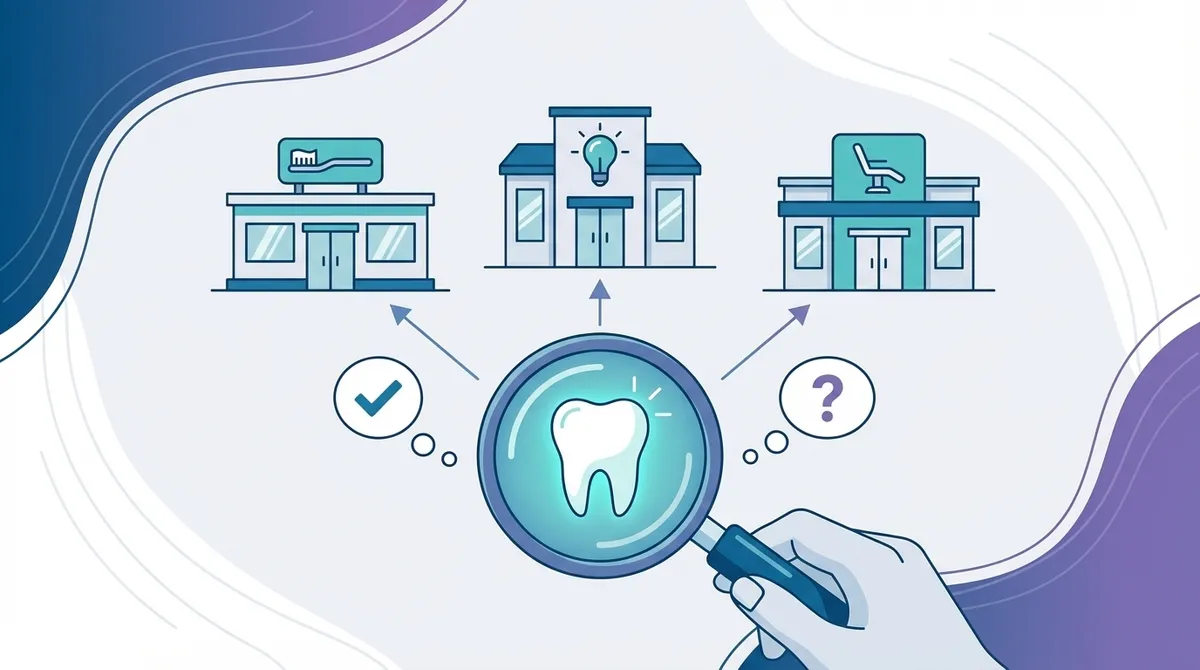
Selecting the right provider requires more than finding the closest dental office. Start by researching providers’ credentials, experience, and patient reviews. Look for practices that employ licensed dentists or orthodontists who specialize in cosmetic dentistry. Quality providers will conduct a thorough dental examination before recommending whitening treatments, ensuring your oral health can support the procedure. They should also discuss your whitening goals, assess factors affecting your tooth color, and explain realistic expectations based on your specific situation.
Patient testimonials and reviews provide valuable insights into treatment experiences, results, and customer service quality. Check multiple platforms including Google reviews, practice websites, and social media pages. Pay attention to comments about staff professionalism, office cleanliness, treatment comfort, and result satisfaction. Don’t hesitate to schedule consultations with multiple providers to compare approaches, technologies, and pricing before making your decision.
| Provider Evaluation Factor | What to Look For | Why It Matters |
|---|---|---|
| Professional Credentials | Licensed dentists, orthodontists, or hygienists | Ensures safe, effective treatment by qualified professionals |
| Technology & Methods | Modern equipment, AI-enhanced systems, nano-gel options | Advanced technology provides better results with less sensitivity |
| Consultation Process | Thorough examination, personalized treatment plans | Customized approach addresses your specific needs and goals |
| Patient Reviews | Consistent positive feedback, before/after photos | Real patient experiences indicate quality and reliability |
Questions to Ask During Your Consultation
Prepare a list of questions before your consultation to maximize the value of your appointment. Essential questions include: What whitening methods do you offer? Which treatment would you recommend for my specific situation? How many shades lighter can I expect my teeth to become? What are the potential side effects, and how can they be managed? How long will the results last, and what maintenance is required? What is the total cost, and do you offer payment plans or financing options?
Also inquire about the provider’s experience with sensitivity management, especially if you have naturally sensitive teeth. Ask about the specific products they use, including brand names and concentration levels. Understanding these details helps you make an informed comparison between different providers and ensures you select the treatment approach that best aligns with your comfort level and expectations.

Comparing Costs and Value of Local Whitening Services
Teeth whitening costs vary significantly based on treatment type, provider expertise, geographic location, and technology used. Professional in-office treatments typically range from $300 to $1,000 per session, while dentist-prescribed take-home kits cost between $200 and $500. Over-the-counter products range from $20 to $100 but require longer treatment periods and deliver less dramatic results. When evaluating costs, consider the value proposition rather than simply choosing the lowest price. Higher-quality treatments often provide faster results, longer-lasting effects, and reduced sensitivity.
Many dental practices, including Chacon Orthodontics, offer payment plans and financing options that make professional whitening more accessible. Some practices bundle whitening with other cosmetic treatments like clear aligners or custom braces, providing comprehensive smile makeovers at discounted rates. Additionally, check whether your dental insurance covers any portion of cosmetic whitening, though most plans classify it as elective and don’t provide coverage.
| Whitening Method | Average Cost | Treatment Time | Results Duration |
|---|---|---|---|
| In-Office Professional | $300-$1,000 | 30-90 minutes | 1-3 years with maintenance |
| Dentist Take-Home Kit | $200-$500 | 1-2 weeks | 6 months-2 years |
| Over-the-Counter Strips | $30-$100 | 1-2 weeks | 3-6 months |
| Whitening Toothpaste | $5-$20 | Ongoing use | Maintenance only |
Maximizing Your Investment in Teeth Whitening
To extend the longevity of your whitening results and maximize your investment, adopt proper maintenance habits. Limit consumption of staining beverages like coffee, tea, red wine, and dark sodas, or use a straw when drinking them. Quit smoking or using tobacco products, as these are among the most significant contributors to tooth discoloration. Maintain excellent oral hygiene by brushing twice daily, flossing regularly, and using whitening toothpaste containing enamel-protecting ingredients.
Schedule regular dental cleanings every six months to remove surface stains and maintain optimal oral health. Many providers recommend periodic touch-up treatments using take-home kits to preserve your bright smile. According to testing of top whitening toothpastes in 2025, consistent use can maintain teeth up to four shades lighter over time, making them an excellent complementary product to professional treatments.
Safety Considerations for Teeth Whitening Treatments
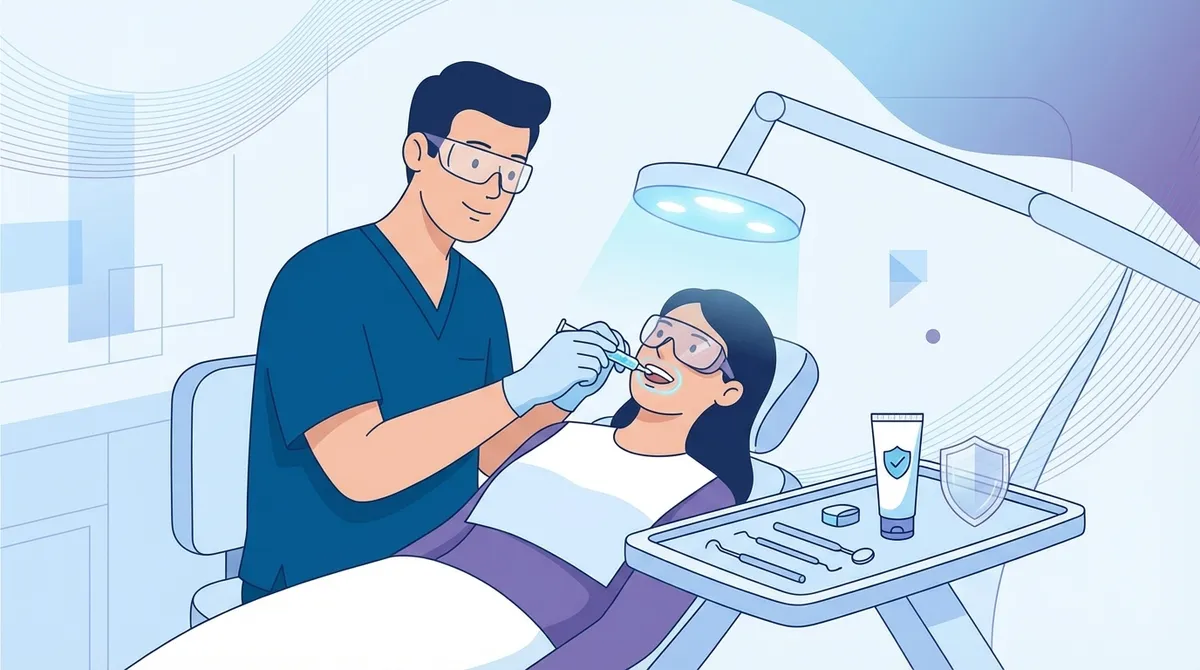
While teeth whitening is generally safe when performed by qualified professionals, certain considerations ensure optimal results without compromising oral health. Before beginning any whitening treatment, have a comprehensive dental examination to identify cavities, gum disease, or other issues requiring attention. Whitening products can penetrate compromised enamel or irritate unhealthy gums, causing discomfort or complications. Professional providers address these concerns before proceeding with whitening.
Tooth sensitivity represents the most common side effect of whitening treatments. Modern formulations with nano-hydroxyapatite and potassium nitrate significantly reduce this issue, but some temporary sensitivity may still occur. If you have naturally sensitive teeth, inform your provider so they can adjust concentration levels, treatment duration, or recommend desensitizing products. Pregnant or nursing women should typically postpone elective whitening treatments until after this period, though research hasn’t definitively established risks.
Understanding Treatment Limitations
Teeth whitening works exceptionally well on natural tooth enamel discolored by foods, beverages, aging, or smoking. However, it doesn’t change the color of dental restorations including crowns, veneers, fillings, or bonding. If you have visible restorations in your smile zone, discuss this with your provider to ensure color consistency after whitening. You may need to replace these restorations to match your newly whitened teeth.
Certain types of discoloration respond better to whitening than others. Yellow-toned stains typically lighten more effectively than gray or brown discoloration. Tetracycline staining or fluorosis may require more aggressive treatments or alternative cosmetic solutions. Professional assessment determines whether whitening can achieve your desired results or if you should consider orthodontic braces, veneers, or other cosmetic dentistry options.
Over-the-Counter Alternatives and Their Effectiveness
Over-the-counter whitening products have improved significantly in 2025, with PAP-based (phthalimidoperoxycaproic acid) formulations gaining popularity due to their effectiveness and lower sensitivity risk compared to traditional peroxide-based options. These products include whitening strips, paint-on gels, LED light kits, and whitening trays with non-custom mouthpieces. While more affordable and convenient than professional treatments, they typically contain lower concentration active ingredients and require longer treatment periods to achieve visible results.
Whitening strips remain among the most popular OTC options, showing visible results in approximately 1 to 2 weeks with consistent use. However, they may not conform perfectly to all tooth shapes, potentially leading to uneven whitening. LED light kits marketed for home use claim to accelerate whitening, though research suggests the light’s contribution is minimal compared to the gel itself. These products work best for mild surface staining and maintenance between professional treatments rather than as standalone solutions for significant discoloration.
DIY Methods: What to Avoid
Natural and DIY whitening methods like baking soda, activated charcoal, hydrogen peroxide rinses, and oil pulling appear frequently in social media and wellness circles. While some may provide minimal surface stain removal, they’re generally less effective than evidence-based whitening treatments and can risk enamel damage with overuse or improper application. Baking soda’s abrasiveness can wear down enamel over time, while undiluted hydrogen peroxide may irritate gums and soft tissues.
Rather than experimenting with unproven home remedies, consult with dental professionals who can recommend safe, effective solutions based on your specific needs. The American Dental Association and other professional organizations provide guidance on safe whitening practices. For expert advice tailored to your situation, contact a qualified orthodontic or dental practice that offers comprehensive cosmetic services.
Finding the Right Treatment Timeline for Your Needs
Your timeline significantly influences which whitening method best suits your situation. If you need immediate results for an upcoming wedding, job interview, or special event within the next few days, in-office professional whitening is your best option. The single-session treatment delivers noticeable results within hours, allowing you to attend your event with confidence. Schedule your appointment one to two weeks before the event to allow any temporary sensitivity to subside.
For those with flexible timelines seeking gradual, natural-looking results, dentist-prescribed take-home kits offer an excellent balance of effectiveness and convenience. These kits allow you to whiten at your own pace, typically requiring 30 minutes to one hour of daily application for one to two weeks. This approach integrates easily into busy schedules and provides control over the whitening process. Many patients combine this method with periodic in-office touch-ups to maintain optimal results long-term.
| Your Timeline | Recommended Treatment | Expected Results |
|---|---|---|
| Immediate (1-3 days) | In-office professional whitening | 6-8 shades lighter in single session |
| Short-term (1-2 weeks) | Dentist take-home kit | 3-5 shades lighter with consistent use |
| Flexible (1+ months) | OTC products or maintenance | 1-3 shades lighter, ideal for maintenance |
| Ongoing maintenance | Whitening toothpaste + periodic touch-ups | Maintains existing whitening results |
Special Considerations for Different Age Groups
Teeth whitening suitability varies by age group, with different considerations for children, teens, and adults. Most dental professionals recommend waiting until all permanent teeth have erupted before pursuing professional whitening, typically around age 16. Younger teeth have larger pulp chambers and more permeable enamel, increasing sensitivity risk. For teenagers interested in whitening, lower-concentration products and shorter treatment durations minimize potential discomfort while still providing satisfactory results.
Adults of all ages can safely pursue teeth whitening, though older adults may experience more sensitivity due to natural enamel thinning and gum recession. Individuals with extensive dental work, including crowns, bridges, or veneers, should understand that these restorations won’t respond to whitening treatments. Working professionals often prefer discreet options like clear aligners combined with whitening to comprehensively enhance their smile without drawing attention during treatment.
Whitening During Orthodontic Treatment
Patients undergoing orthodontic treatment with traditional braces should typically wait until bracket removal before pursuing professional whitening. Brackets cover portions of teeth, preventing even whitening and potentially creating a checkered appearance if whitened prematurely. However, those using clear aligners enjoy the flexibility to whiten during treatment. The removable nature of aligners allows for whitening gel application, making it possible to simultaneously straighten and brighten your smile.
After completing orthodontic treatment and receiving retainers, many patients choose to enhance their newly aligned smile with professional whitening. This combination creates a comprehensive smile transformation that addresses both alignment and aesthetics. Discuss timing with your orthodontist to develop a coordinated treatment plan that optimizes both orthodontic and whitening results.
Maintaining Your Whitened Smile Long-Term
Achieving a bright white smile represents just the beginning—maintaining those results requires ongoing commitment and proper care. Professional whitening results typically last one to three years depending on lifestyle factors and maintenance habits. Develop a comprehensive maintenance strategy that includes both daily practices and periodic professional care. Brush your teeth at least twice daily using whitening toothpaste formulated with enamel-protecting ingredients and mild abrasives that remove surface stains without damaging tooth structure.
Limit exposure to staining substances by moderating consumption of coffee, tea, red wine, berries, and dark-colored sauces. When you do consume these items, rinse your mouth with water afterward or brush within 30 minutes to prevent stains from setting. Use a straw for beverages to minimize contact with front teeth. Most importantly, maintain regular six-month dental cleanings to remove accumulated surface stains and ensure optimal oral health.
Touch-Up Treatments and Frequency
Even with excellent maintenance, periodic touch-up treatments help preserve your bright smile over the long term. Most patients benefit from touch-ups every six to twelve months, though frequency varies based on individual staining tendencies and lifestyle factors. Dentist-prescribed take-home kits work excellently for touch-ups, requiring only one to three applications to refresh your smile rather than the full initial treatment course.
Some practices offer whitening maintenance programs that include periodic touch-up appointments and take-home products at discounted rates. These programs provide convenient, cost-effective solutions for long-term smile maintenance. Discuss maintenance options during your first visit to understand available programs and develop a personalized maintenance schedule that keeps your smile bright for years to come.
Making Your Decision: Next Steps
Armed with comprehensive knowledge about teeth whitening options, technologies, costs, and considerations, you’re ready to take the next step toward a brighter smile. Begin by scheduling consultations with qualified local providers to discuss your specific goals, examine your oral health, and receive personalized treatment recommendations. During these consultations, ask about the latest whitening technologies they offer, view before-and-after photos of previous patients, and discuss realistic expectations for your situation.
Compare providers based on credentials, technology, patient reviews, consultation experience, and overall value rather than price alone. Consider practices that offer comprehensive cosmetic services, allowing you to address multiple aesthetic concerns simultaneously if desired. For instance, combining whitening with orthodontic treatment or other cosmetic procedures can create a dramatic, coordinated smile transformation. Don’t rush your decision—take time to evaluate your options and select the provider and treatment approach that best aligns with your needs, budget, and lifestyle.
When you’re ready to transform your smile with professional teeth whitening, Chacon Orthodontics offers state-of-the-art whitening treatments tailored to your unique needs. Their experienced team in Westchase, Florida, provides personalized care using the latest whitening technologies to deliver safe, effective results. Whether you’re interested in rapid in-office whitening or convenient take-home kits, they’ll develop a customized treatment plan that fits your lifestyle and budget. Visit their Google Business Profile to read testimonials from satisfied patients who have achieved beautiful, confident smiles through their comprehensive orthodontic and cosmetic services. Schedule your free consultation today to discover which teeth whitening option will help you achieve the radiant smile you deserve.
FAQs
Q: What is the most effective teeth whitening method available near me?
A: In-office professional whitening performed by licensed dentists or orthodontists is the most effective method, capable of lightening teeth up to 8 shades in a single 30-90 minute session. These treatments use high-concentration gels activated by LED or laser light and often incorporate advanced technologies like AI-enhanced systems and nano-hydroxyapatite particles that minimize sensitivity while maximizing results. While costs range from $300-$1,000, the immediate, dramatic results and professional supervision make it the gold standard for teeth whitening.
Q: How long do professional teeth whitening results typically last?
A: Professional teeth whitening results generally last one to three years with proper maintenance, though duration varies based on lifestyle factors and oral care habits. In-office treatments tend to last longer than take-home kits or over-the-counter products. To maximize longevity, limit consumption of staining beverages like coffee and wine, maintain excellent oral hygiene, attend regular dental cleanings, and schedule periodic touch-up treatments every six to twelve months as recommended by your dental professional.
Q: Is professional teeth whitening safe for people with sensitive teeth?
A: Yes, professional teeth whitening is safe for people with sensitive teeth when performed by qualified dental professionals who can customize treatment protocols. Modern whitening formulations in 2025 include desensitizing ingredients like nano-hydroxyapatite and potassium nitrate that actively strengthen enamel and reduce sensitivity. During your consultation, inform your provider about your sensitivity concerns so they can adjust gel concentration, treatment duration, and recommend pre- or post-treatment desensitizing products to ensure a comfortable experience with excellent results.
Q: What are the benefits of dentist-prescribed take-home whitening kits?
A: Dentist-prescribed take-home whitening kits offer several advantages including custom-fitted trays that ensure even gel distribution and minimize gum irritation, professional-grade whitening agents stronger than over-the-counter products, flexible treatment timing that fits your schedule, and gradual results that appear natural over one to two weeks. These kits cost $200-$500, provide results lasting six months to two years, and work excellently for maintenance between professional treatments or as a convenient alternative to in-office whitening for patients with flexible timelines.
Q: How do AI-enhanced whitening systems improve treatment outcomes?
A: AI-enhanced light-activated whitening systems represent a significant advancement in 2025 teeth whitening technology by monitoring treatment progress in real-time and automatically adjusting intensity based on individual enamel sensitivity and tooth shade characteristics. These intelligent systems optimize whitening effectiveness while minimizing discomfort and sensitivity risks by personalizing treatment parameters for each patient. The result is faster, more predictable whitening with fewer side effects compared to traditional one-size-fits-all approaches, making professional whitening more comfortable and effective for a wider range of patients.