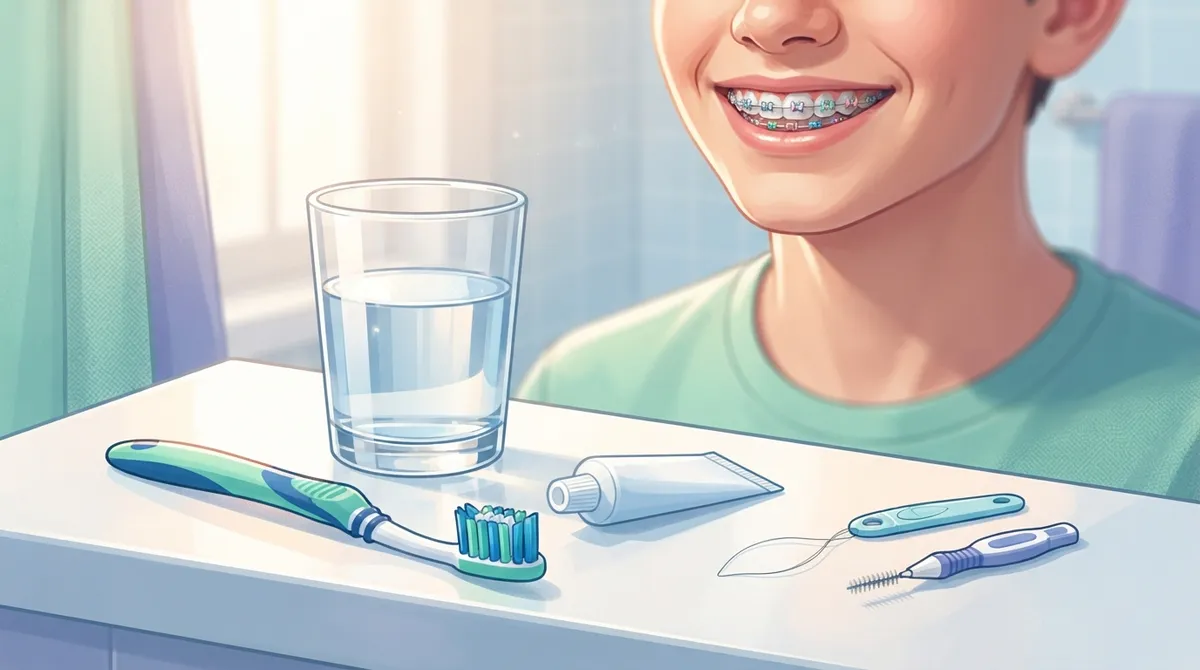
Key Takeaways
-
Brush for about two minutes after meals and always before bed, and if you can't brush, rinse with plain water to wash away loose food.
-
Clean around every bracket by brushing above and below it at the gumline, then use an interdental brush or floss threader under the archwire daily.
-
Use fluoride toothpaste in a pea-sized amount, since fluoride strengthens enamel around brackets, which are harder to clean.
-
Limit sugary snacks and drinks, and avoid hard, crunchy, or sticky foods that can break brackets, bend wires, or trap plaque.
-
Watch for chalky white spots, red or bleeding gums, and loose brackets, since white spots can form quickly and are hard to reverse once they set.
-
Get a professional dental cleaning at least every six months during treatment, because hygienists can remove plaque you can't reach at home.
Getting braces is exciting. You are on your way to a straighter, more confident smile! But those shiny brackets and wires also create tiny hiding spots for food and plaque. That is why braces oral hygiene matters so much.
The good news? You do not need to be perfect. You just need a few simple habits that you can repeat every day. Whether you are a busy parent helping a child, a teen juggling school and sports, or an adult with a packed work calendar, these tips fit real life.
When plaque sits around brackets for too long, it can lead to cavities, red and puffy gums, bad breath, and even lasting white marks on your enamel. Those marks are often called white spots, and they can show up once the braces come off. With good care, you can avoid them and reveal a smile you are proud of.
Here are 11 habits that make braces oral hygiene easier, plus a few tips from our team at Chacon Orthodontics in Brandon and Westchase.
1. Brush After Meals and Before Bed
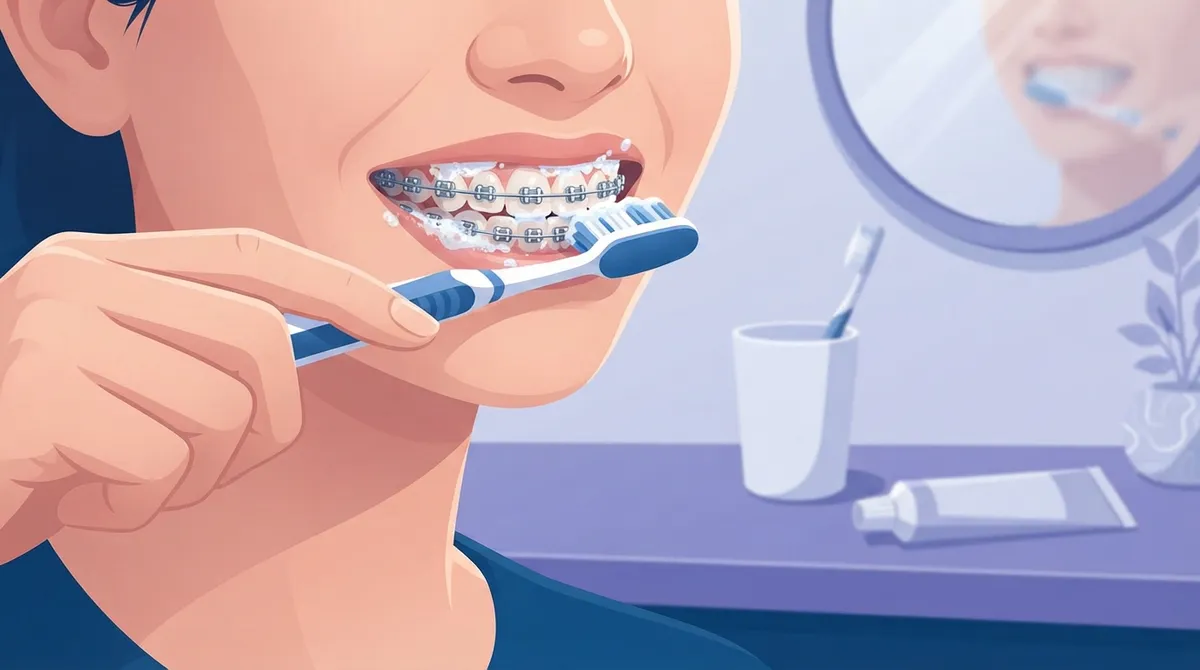
Food gets stuck easily around brackets, so brushing often is your best defense. The American Association of Orthodontists (AAO) suggests brushing for about two minutes after meals or snacks and always before bed. The NHS also recommends brushing in the morning, at night, and after meals.
We know that is not always possible at school or work. If you cannot brush right away, rinse with plain water to wash away loose food. Then brush as soon as you can.
- Always brush before bed, even when you are tired
- Brush in the morning with fluoride toothpaste
- Rinse with water after snacks if you cannot brush
- Keep a travel toothbrush in your backpack or desk

2. Choose Fluoride Toothpaste
Fluoride helps make enamel stronger. This matters a lot with braces, because the areas around brackets are harder to clean. A fluoride toothpaste gives those spots extra protection.
Use a pea-sized amount for older kids, teens, and adults. Younger children should use the amount their dentist or orthodontist recommends. Spit out the extra foam, but you do not need to rinse your mouth with lots of water right after. This lets a little fluoride stay on your teeth.
3. Use a Soft-Bristled Toothbrush
A soft brush is gentle on gums and still cleans well. Hard bristles can irritate your gums and wear down enamel. You can use a manual or an electric toothbrush. Both work well when used the right way.
Many of our patients like electric brushes because they take some of the guesswork out of brushing. Still, the best brush is the one you will use every day. Replace your brush head every three months, or sooner if the bristles look bent. Braces can wear bristles down faster than usual.
4. Learn the Right Way to Brush Around Brackets
Brushing with braces takes a little more time. You need to clean every tooth surface, not just the front. Here is a simple step-by-step method.
- Angle the brush toward the gumline and gently brush above the brackets.
- Tilt the brush the other way and brush below the brackets.
- Brush the front of each bracket in small circles.
- Clean the chewing surfaces of your back teeth.
- Brush the inside surfaces of every tooth.
- Finish with your tongue to freshen your breath.
Take your time. Two minutes goes by fast, so try a timer or a favorite song. Check your teeth in the mirror when you finish. If you see food or fuzzy plaque near a bracket, go back and brush that spot again.
5. Add an Interdental Brush
An interdental brush looks like a tiny pipe cleaner on a handle. It slides under the archwire and around brackets, where a regular toothbrush cannot reach. NHS guidance recommends daily interdental brushing for people with braces.
Use it gently. Slide it under the wire and move it back and forth a few times. Do this for each tooth, then rinse. Your orthodontic team can show you which size fits best. Many patients find it easier after just a couple of tries.
6. Floss Every Day
Brushing alone cannot clean between your teeth. Flossing removes the plaque that hides there. The AAO recommends flossing at least once a day during treatment.
Regular floss can be tricky with braces, so try one of these options:
- Floss threaders: A small plastic needle that pulls floss under the wire
- Orthodontic floss: Floss with a stiff end that threads easily
- Interdental brushes: A good backup for tight spots
Go slowly and be gentle. Pull the floss up and down along the side of each tooth, and curve it just under the gumline. If your gums bleed a little at first, do not stop. It often means they need more cleaning. Bleeding that does not improve after a week or two is worth mentioning to your dental team.
For a deeper walkthrough, check out our guide on how to brush and floss with braces effectively.
7. Think About a Water Flosser
A water flosser sprays a thin stream of water to flush out loose food and plaque. Many patients love how quick and easy it feels. It can be a helpful extra step around brackets and wires.
Here is the key point: a water flosser is a great helper, but it should not automatically replace brushing or the interdental cleaning your orthodontist recommends. Think of it as a bonus tool, not a shortcut. Ask your orthodontic team how to fit it into your routine.
8. Ask About a Fluoride Rinse
Some patients benefit from a daily fluoride rinse. It adds one more layer of protection for enamel, especially for people who get cavities easily or who struggle to clean around brackets.
Not everyone needs one, so follow the advice of your orthodontist or dentist. If a rinse is recommended, use it at a different time than brushing, such as after lunch or at bedtime after brushing. Follow the directions on the product. Young children should be supervised so they do not swallow the rinse.
9. Choose Braces-Friendly Foods and Drinks
What you eat affects both your braces and your teeth. Sugary snacks and drinks feed the bacteria that cause plaque. Hard, crunchy, or sticky foods can bend wires, pop brackets off, or get trapped in your hardware.
Here is a quick look at smart swaps:
| Food or Drink to Limit | Why It Is a Problem | Braces-Friendly Swap |
|---|---|---|
| Hard candy and caramel | Sticky or hard; can break brackets and feed plaque | Soft fruit or yogurt |
| Popcorn and hard nuts | Kernels and shells get stuck and can bend wires | Soft cheese or smooth nut butter on a soft cracker |
| Raw whole apples and carrots | Hard biting can loosen brackets | Sliced apples or steamed carrots |
| Soda and sports drinks | Sugar and acid weaken enamel | Water or milk |
| Chewing gum with sugar | Sticks to braces and feeds bacteria | Skip it, or ask your orthodontist first |
Sipping sugary drinks all day is especially tough on teeth. Try to keep sweets to mealtimes and drink water between meals. For more ideas, see our simple guide to foods to avoid with braces and our list of braces-friendly snacks every parent should know.
10. Keep Up With Dental Check-Ups
Your orthodontist keeps your braces on track, but a regular dentist keeps your teeth and gums healthy. These are two different jobs, and you need both. The AAO says to get a professional cleaning at least every six months during treatment, or more often if your dental team recommends it.
A hygienist can clean spots that are tough to reach at home. They can also spot early problems, like a tiny cavity or irritated gums, before they grow. If you have not been to your dentist in a while, now is a great time to book a visit.
Parents, this one matters for kids and teens too. Busy school years make it easy to skip appointments, but staying consistent helps protect that big investment in a new smile.
11. Spot Trouble Early and Know When to Call
Even with great habits, little problems can pop up. Catching them early keeps small issues from turning into big ones. Watch for these signs:
- Gums that are red, swollen, or bleed often
- Chalky white spots near the brackets
- Bad breath that does not go away after brushing
- A loose bracket or a poking wire
- Food that keeps getting stuck in the same spot
White spots deserve special attention. They happen when plaque sits on enamel for too long and removes minerals from the tooth surface. Once they form, they can be hard to reverse, so prevention is the best plan. Brush well around every bracket, use fluoride, and limit sugary snacks.
If a wire or bracket breaks, do not wait. Read our tips on orthodontic emergencies and when to call Dr. Chacon. If you are not sure what to do, give us a call and we will guide you.
Make It a Family Routine
Good habits stick when everyone does them together. Parents can brush alongside younger kids and check their work. Teens can set phone reminders. Adults can keep a small kit at the office with a brush, floss threader, and interdental brushes.
Here is a simple daily plan you can follow:
- Morning: Brush with fluoride toothpaste and clean around the brackets.
- After meals and snacks: Brush if you can, or rinse with water.
- Once a day: Floss or use an interdental brush under the wires.
- Bedtime: Brush for two full minutes and check your smile in the mirror.
- As advised: Use a fluoride rinse at a separate time from brushing.
Small, steady habits beat big, perfect ones. If you miss a day, just start again. Your smile will thank you.
Why Great Oral Hygiene Pays Off
Healthy teeth and gums move more smoothly. Good hygiene can help you avoid delays, extra dental visits, and surprises when your braces come off. It also helps you enjoy your treatment, because you will feel confident about your smile at every stage.
At Chacon Orthodontics, we work with patients of all ages, including families who prefer care in English or Spanish. We will show you how to brush and clean around your braces, so you never feel lost. Our team believes every patient deserves to feel supported from the first day to the last. Curious about our approach? Learn more about custom braces or see what to expect at your first visit.
You can also see what our neighbors say about us. Visit us on Google — Chacon Orthodontics Brandon to read reviews from local families. And if you like to follow along with smile news and tips, find us on Instagram, Facebook, and LinkedIn.
Your Healthiest Smile Starts Today
Braces oral hygiene does not have to feel hard. Brush after meals, use fluoride, clean between your teeth, choose smart snacks, and keep your dental visits. Each small step protects your enamel and keeps your treatment on track.
If you have questions about caring for your braces, or you are thinking about starting treatment, we would love to meet you. Book your free consultation with Dr. Chacon and our friendly team in Brandon or Westchase, and let us help you build a smile you cannot wait to show off.
FAQs
Q: How often should I brush my teeth with braces?
A: Brush at least in the morning and before bed, and try to brush for about two minutes after meals and snacks too. If you cannot brush right away, rinse with plain water until you can. It is a small habit that makes a big difference!
Q: How do you floss with braces?
A: Use a floss threader or orthodontic floss to slide the floss under the archwire, then gently move it up and down along each tooth and just under the gumline. Take your time and be gentle. An interdental brush can help in tight spots too.
Q: What are white spots on teeth after braces, and can I prevent them?
A: White spots are chalky marks that show up when plaque sits on enamel and removes minerals from the tooth. You can lower your risk by brushing well around every bracket, using fluoride toothpaste, and limiting sugary snacks and drinks. If you spot them early, tell your orthodontic team right away.
Q: Are water flossers helpful with braces?
A: Yes, they can be a great extra tool for flushing out loose food around brackets and wires. Still, they should not automatically replace brushing or the interdental cleaning your orthodontist recommends. Ask your team how to add one to your routine.
Q: How often should I see my dentist while wearing braces?
A: The AAO recommends a professional cleaning at least every six months, or more often if your dental team suggests it. Your orthodontist handles your braces, but your regular dentist keeps your teeth and gums healthy, so you need both.