Key Takeaways
-
Most braces pain peaks within the first 3-5 days after placement or adjustment, then subsides quickly; pain lasting longer than a week warrants an orthodontist call.
-
Use orthodontic wax on poking brackets, take ibuprofen or acetaminophen, and rinse with warm salt water to manage discomfort at home without expensive treatments.
-
Eat soft foods like mashed potatoes, yogurt, and smoothies for the first few days; avoid hard, sticky, or crunchy foods that can damage brackets and cause additional pain.
-
Braces pain is a normal sign that treatment is working as teeth shift through bone; every mouth adjusts differently, so your timeline may vary from others'.
-
Call your orthodontist immediately if pain worsens after 5 days, brackets break, unusual swelling occurs, or over-the-counter medicine doesn't help.
-
Daily habits like gentle brushing, attending scheduled adjustments, staying hydrated, and keeping orthodontic wax accessible reduce discomfort throughout your entire treatment.
So you just got your braces on, or your child came home from their appointment holding their cheek. First off, take a deep breath. Braces pain is one of the most common worries we hear at our Brandon office, and the good news is that it’s totally normal and very manageable. You’re not alone, and you’re definitely not stuck feeling this way forever.
Whether you’re a parent watching your kid wince at dinner, a teen trying to get through practice, or an adult juggling meetings with a sore mouth, this guide has you covered. We’ll walk through why braces pain happens, how long it lasts, and simple ways to feel better fast. Let’s get you (or your loved one) smiling comfortably again.
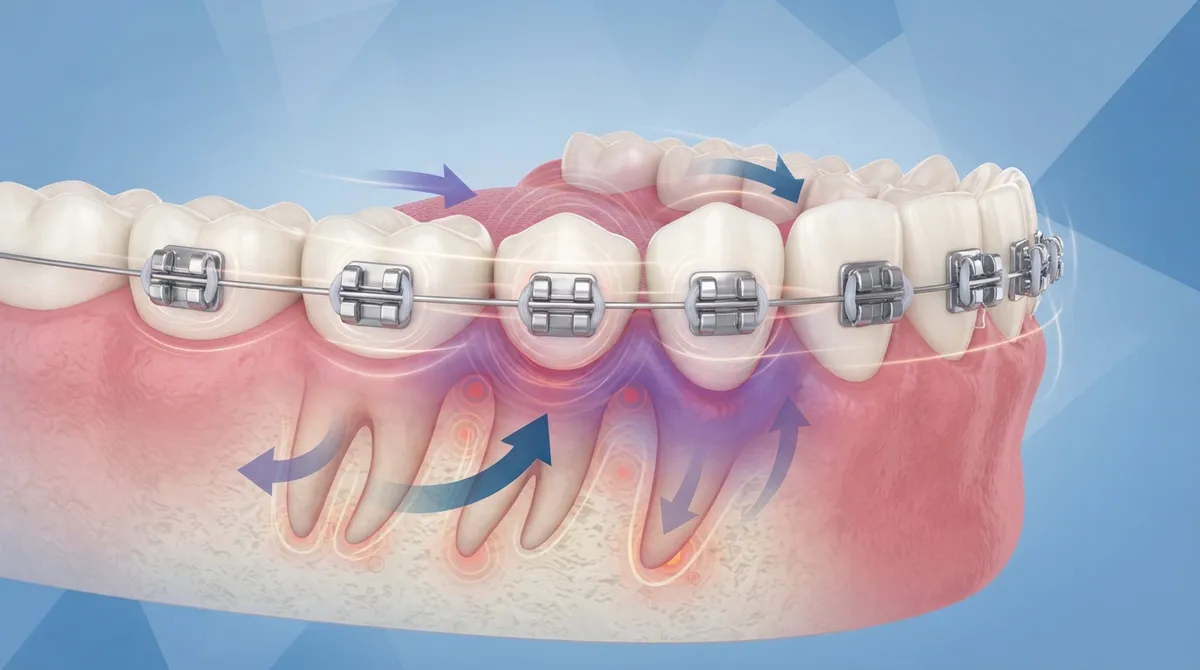
Why Does Braces Pain Happen in the First Place?
Braces work by gently shifting your teeth into better positions. That movement is the whole point, but it also means your teeth and gums need time to adjust. When brackets and wires apply pressure, your teeth respond by slowly moving through the bone. This natural process can cause soreness, especially in the first few days.
Think of it like starting a new workout routine. Your muscles feel sore because they’re doing something new and getting stronger. Your teeth are doing something similar. The pressure from braces stimulates change, and a little discomfort is simply a sign that the treatment is working.
If you want to understand more about how teeth shift and why alignment matters, check out this helpful guide on how to understand teeth positioning and fix alignment issues.
Common Times When Braces Pain Shows Up
- Right after your braces are first put on
- After each adjustment appointment (usually every 4-8 weeks)
- When new wires or bands are added
- If a bracket or wire is poking your cheek or lip
- During the first week of wearing new aligners, if you’re using clear trays instead

How Long Does Braces Pain Actually Last?
Here’s the reassuring part: braces pain doesn’t last forever. Most people feel the most discomfort during the first three to five days after getting braces or having them adjusted. After that, things calm down quickly.
| Timeframe | What You Might Feel | What to Do |
|---|---|---|
| Day 1-2 | General soreness, tenderness when chewing | Soft foods, over-the-counter pain relief |
| Day 3-5 | Discomfort easing, mild sensitivity | Continue soft foods, warm salt water rinses |
| Week 1+ | Mouth adjusting, minimal pain | Return to normal habits gradually |
| After adjustments | Brief soreness for 1-3 days | Same comfort tips as initial placement |
Every mouth is different, so your timeline might look a little different. If pain lasts longer than a week or feels unusually severe, it’s a good idea to reach out to your orthodontist. Dr. Chacon and his team always encourage patients to speak up if something feels off. You can learn more about what discomfort is normal versus what’s not in this article about whether braces are painful and what to expect.
7 Simple Ways to Ease Braces Pain at Home
You don’t need anything fancy to feel more comfortable. Most relief comes from things you likely already have at home. Here are our top tips, tried and loved by patients of all ages.
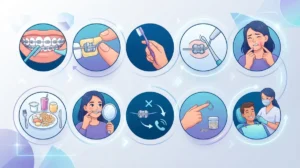
- Take over-the-counter pain relievers. Ibuprofen or acetaminophen can help take the edge off, especially before bed.
- Rinse with warm salt water. This soothes sore gums and helps with any small cuts from brackets or wires.
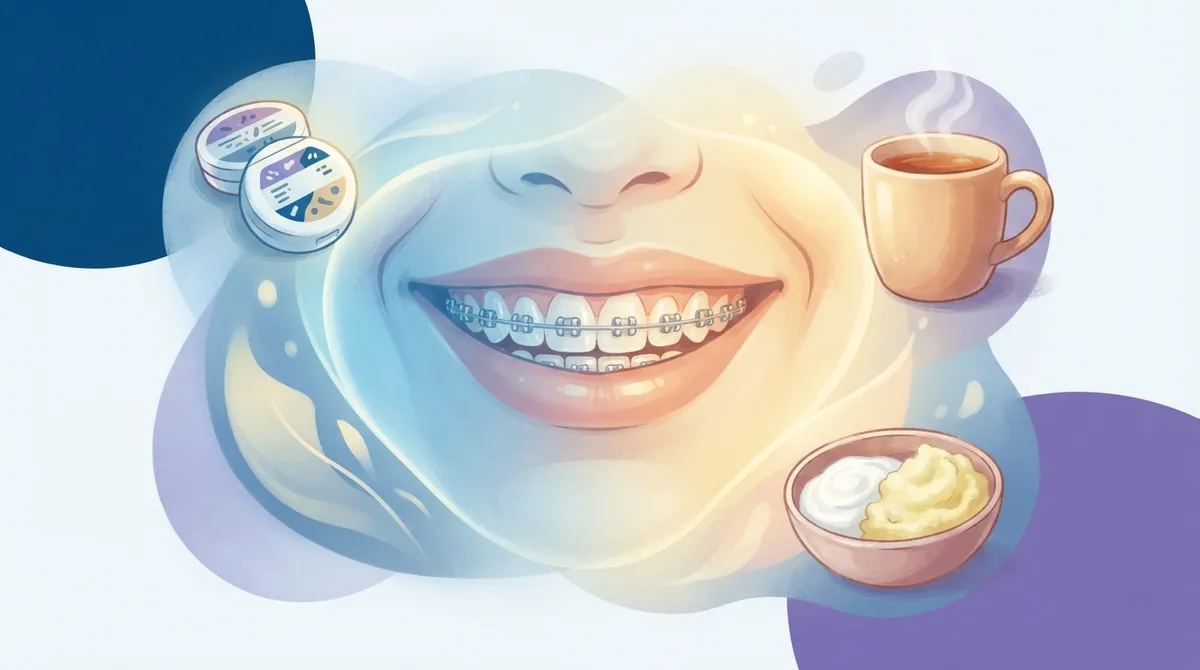
- Use orthodontic wax. A small dab on a poking bracket or wire can stop irritation instantly.
- Eat soft foods for a few days. Think mashed potatoes, yogurt, smoothies, and scrambled eggs.
- Apply a cold compress. Holding an ice pack against your cheek can reduce swelling and numb soreness.
- Try cold foods and drinks. Ice water or a cold smoothie can feel amazing on tender teeth.
- Massage your gums gently. A clean finger or soft-bristled toothbrush can help ease tension.
If you’re not sure which foods are safe to eat while your mouth heals, this list of braces-friendly snacks every parent should know is a great place to start. And if you accidentally bite into something you shouldn’t have, this guide on foods to avoid with braces can help you steer clear of trouble in the future.
What About Clear Aligners? Do They Hurt Too?
Clear aligners can cause some pressure too, especially when you switch to a new set of trays. The good news is many patients find aligner discomfort milder than traditional braces. If you’re weighing your options, this comparison of braces versus clear aligners breaks down the differences nicely. You can also read more about how these removable aligners gently straighten your smile over time.
Braces Pain Tips for Different Life Stages
Not everyone experiences braces pain the same way. Let’s break down what to expect and how to cope based on where you are in life.
For Parents of Young Children
Little ones might not have the words to explain their discomfort. Watch for signs like avoiding certain foods, rubbing their cheeks, or being extra fussy. Offer soft foods, keep wax handy, and remind them that the soreness fades quickly. Early treatment often means shorter adjustment periods too. Learn more about the benefits of starting early in this guide to early orthodontic treatment.
For Teens Balancing School and Sports
Sore teeth shouldn’t sideline your social life. Pack orthodontic wax in your backpack, keep pain relievers on hand for practice days, and stick to soft snacks before big events. If you play contact sports, ask your orthodontist about a mouthguard designed for braces. This can prevent extra soreness from impact.
For Busy Adult Professionals
Nobody wants to deal with tooth pain during an important meeting. Take pain relievers before work if you know a big presentation is coming up. Keep a small emergency kit at your desk with wax and mints. Many adults find that clear aligners fit well into professional life since they’re discreet and often more comfortable. Check out why so many adults are choosing orthodontic treatment later in life.
For Bilingual Families
Understanding exactly what to expect matters, especially when discussing pain levels and treatment plans. Our team at Chacon Orthodontics provides care in both English and Spanish, so nothing gets lost in translation. Clear communication means less worry and more confidence throughout your treatment journey.
When Braces Pain Means You Should Call Your Orthodontist
Most soreness is completely normal, but there are times when you should pick up the phone. Trust your gut here. Your orthodontic team would rather hear from you and put your mind at ease than have you suffer unnecessarily.
- Pain that gets worse instead of better after five days
- A broken bracket or wire poking sharply into your cheek
- Swelling that seems unusual or spreads
- Signs of infection like fever or pus
- Pain so severe that over-the-counter medicine doesn’t help
If any of these happen, don’t wait it out. Reach out right away for guidance on next steps. You can find more details on handling unexpected issues in this article about orthodontic emergencies and when to call Dr. Chacon.
How Chacon Orthodontics Makes Treatment More Comfortable
At Chacon Orthodontics, comfort is a top priority from your very first visit. Dr. Omar Chacon uses advanced technology and a gentle, personalized approach to minimize discomfort throughout treatment. Every patient’s mouth is different, so treatment plans are customized to reduce unnecessary pressure and speed up the adjustment process.
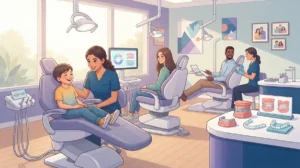
Our Brandon and Westchase offices are designed to make patients of all ages feel welcome and at ease. Whether you’re bringing in your child for their first consultation or exploring clear aligners for yourself, our bilingual team is here to answer every question. You can even visit us on Google — Chacon Orthodontics Brandon to see what real patients have to say about their comfortable, friendly experience.
We also stay connected with our community through social media, where we share smile transformations and helpful tips. Follow along on Instagram or check out our updates on Facebook for more inspiration and patient stories.
Simple Daily Habits That Reduce Discomfort Over Time
Beyond the first few days, keeping up with good habits can make your entire treatment smoother and less painful. Here’s what we recommend to every patient, no matter their age.
- Brush and floss gently but thoroughly every day to avoid gum irritation
- Attend every adjustment appointment on schedule to keep treatment on track
- Avoid hard, sticky, or crunchy foods that can damage brackets and wires
- Keep orthodontic wax and a small mirror in your bag or car for quick fixes
- Stay hydrated, since dry mouth can make gum tissue more sensitive
For a deeper dive into proper care, this guide on how to brush and floss with braces effectively walks you through the best techniques step by step. Good habits now mean less pain and better results down the road.
Ready to Feel Confident and Comfortable?
Braces pain is temporary, but the confident smile you’ll gain lasts a lifetime. Every twinge and sore spot is simply a sign that your smile is transforming for the better. With the right care tips and a supportive orthodontic team, you’ll breeze through treatment before you know it.
If you’re ready to start your journey or just have questions about managing discomfort, our friendly team at Chacon Orthodontics in Brandon is here to help. Schedule your free consultation today and let’s talk about the best treatment plan for you or your child. You can also get in touch with our team anytime with questions, big or small. We can’t wait to help you smile with confidence.
FAQs
Q: How long does braces pain usually last?
A: Most soreness peaks in the first three to five days after braces are placed or adjusted, then fades quickly. By the end of the first week, most patients feel pretty comfortable again. If pain lingers longer than that, just give your orthodontist a call so they can check things out.
Q: Is it normal for braces to hurt after every adjustment?
A: Yes, a little soreness after adjustments is totally normal since your teeth are being guided into new positions. It usually only lasts a day or two and feels much milder than the initial discomfort. Warm salt water rinses and soft foods can help you feel better fast.
Q: What can I eat when my braces hurt?
A: Stick to soft, gentle foods like mashed potatoes, yogurt, oatmeal, smoothies, and scrambled eggs for the first few days. Cold foods like ice cream or a cold smoothie can also feel soothing on tender teeth. Avoid anything hard, sticky, or crunchy until the soreness passes.
Q: Do clear aligners hurt less than traditional braces?
A: Many patients find clear aligners cause milder discomfort compared to traditional braces, especially since there are no brackets or wires to irritate cheeks and lips. You may still feel some pressure when switching to a new tray, but it typically fades within a day or two. It’s worth discussing both options with your orthodontist to see what fits your lifestyle best.
Q: When should I be worried about braces pain?
A: If pain gets worse instead of better after about five days, or if you notice swelling, broken brackets, or signs of infection, it’s time to call your orthodontist. Trust your instincts here, since your care team would much rather help you early than have you push through unnecessary discomfort. A quick call can bring peace of mind and a fast fix.