Key Takeaways
-
Don't choose an orthodontist based solely on proximity; consider office hours, parking, staff friendliness, and modern technology, as you'll visit every 4-8 weeks for months or years.
-
Verify that your potential orthodontist is board-certified through the American Board of Orthodontics locator and licensed in your state, not just a general dentist offering basic braces services.
-
Schedule consultations with 2-3 nearby practices and ask about diagnosis, treatment timeline, total cost, insurance coverage, and payment plans to compare options effectively.
-
Use the American Association of Orthodontists specialist locator tool to find qualified providers, read patient reviews about wait times and results, and look for bilingual staff if English isn't your first language.
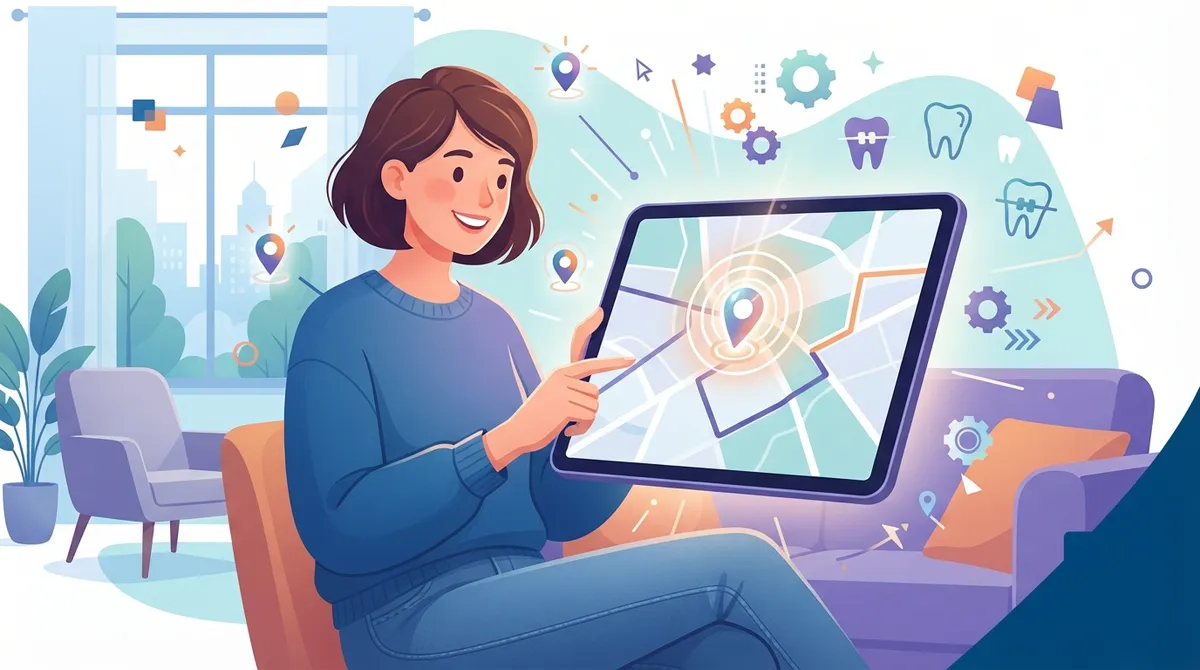
You just typed “closest orthodontist to me” into your phone, and now you’re staring at a list of dots on a map. Which one is actually right for you? Here’s the good news: finding a great orthodontist near your home, school, or office doesn’t have to feel confusing or stressful. With a few simple steps, you can find a qualified specialist who fits your life, your budget, and your smile goals.
Whether you’re a parent watching your child’s teeth come in crooked, a teen who wants braces that won’t slow down your social life, or a busy professional looking for clear aligners that fit your schedule, this guide walks you through exactly how to choose the right orthodontist nearby. We’ll also cover why the very closest office on the map isn’t always the best pick, and what really matters when you’re comparing your options. If you live near Westchase or Brandon, Florida, we’ll show you what a trusted local practice looks like too.
What Does “Closest Orthodontist To Me” Really Mean?
When people search for the closest orthodontist to me, they usually aren’t looking for a general dentist. They want a specialist trained specifically in straightening teeth and fixing bite problems. This includes braces, clear aligners, retainers, and other tools that move teeth into place over time.
An orthodontist is different from a general dentist. Both go to dental school, but orthodontists complete extra years of specialty training just for tooth movement and jaw alignment. This extra training matters, especially for tricky cases like severe crowding, bite problems, or early childhood alignment issues. You can learn more about how teeth positioning affects alignment issues and why proper diagnosis matters from day one.
Why Distance Alone Shouldn’t Be Your Only Factor
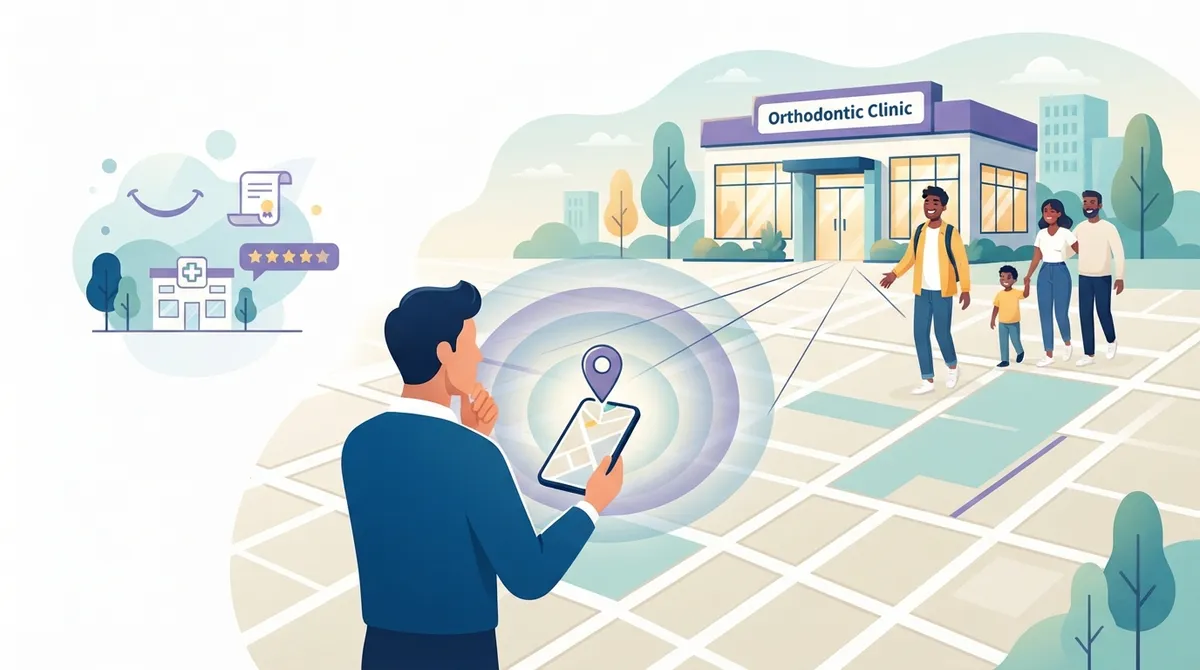
It’s tempting to just pick the first pin on the map. But orthodontic treatment isn’t a one-time visit. Most patients come back every four to eight weeks for months, sometimes years. That means the office you choose becomes part of your regular routine.
Think about it like choosing a gym. The closest gym is great, but only if it also has the equipment you need and hours that work for you. The same logic applies here. A slightly farther office with better hours, friendlier staff, and modern technology can actually be more convenient than the practice three blocks away.
Practical Things To Consider Beyond Map Distance
- Office hours that match your work or school schedule
- Parking availability and ease of drop-off for kids
- Whether public transportation is an option
- Emergency availability if a wire pokes or a bracket breaks
- Bilingual staff if English isn’t your first language
How To Actually Search For A Nearby Orthodontist
Ready to start your search the smart way? Follow these steps to find a nearby orthodontist who checks all the right boxes.
- Use a specialist locator tool. The American Association of Orthodontists offers a locator tool that shows you an orthodontist’s name, distance, address, phone number, and even lets you request an appointment online.
- Check board certification. The American Board of Orthodontics also has a locator you can filter by distance, choosing a 1, 5, 10, or 25-mile radius from your home.
- Verify licensing and credentials. Make sure the provider is a licensed orthodontist in your state, not just a dentist who offers braces on the side.
- Read patient reviews. Look at what real patients say about wait times, communication, and results.
- Schedule two or three consultations. Comparing a few options gives you a much clearer picture than stopping at the first search result.
This approach mirrors advice from the American Association of Orthodontists, which encourages patients to compare more than just proximity when choosing care.
Orthodontist vs. General Dentist: Know The Difference
| Feature | Orthodontist | General Dentist |
|---|---|---|
| Extra Specialty Training | Yes, 2-3 additional years | No |
| Focus | Teeth movement, bite correction | General oral health |
| Braces/Aligner Expertise | Extensive, specialized | Limited, basic cases only |
| Board Certification Available | Yes (ABO) | Not applicable |
If you’re comparing traditional braces vs. clear aligners, an orthodontist can give you a much more detailed treatment plan than a general dentist offering basic straightening services.
What To Ask During Your First Consultation
Once you’ve picked a few nearby offices to visit, come prepared. A good consultation should feel like a conversation, not a sales pitch. Here’s what to ask:
- What is my diagnosis, and what treatment do you recommend?
- How long will treatment take?
- How often will I need appointments?
- What’s the total cost, and what does insurance cover?
- Do you offer payment plans or financing?
- What happens if I have a problem between visits?
These questions help you compare offices apples-to-apples. If you want a preview of what to expect, check out this guide on what happens during an orthodontic consultation.
What Does Orthodontic Treatment Typically Cost?
Cost varies a lot depending on your treatment type, your location, and how complex your case is. Published estimates often place comprehensive treatment somewhere between $1,500 and $8,000. That’s a wide range, so always ask for a written estimate from each office you visit.
Many families find that orthodontic payment plans make treatment much more manageable. Ask about insurance coverage too, since many dental plans include partial orthodontic benefits, especially for kids.
Table: Quick Snapshot Of Common Treatment Options
| Treatment Type | Best For | Visibility |
|---|---|---|
| Metal Braces | Complex bite issues, kids and teens | Visible |
| Clear Aligners | Mild to moderate crowding, adults | Nearly invisible |
| Ceramic/Clear Braces | Teens and adults wanting discretion | Low visibility |
| Retainers | Post-treatment maintenance | Varies (clear or wire) |
Finding The Right Fit For Your Family
Different people need different things from their orthodontic office. Here’s how to think about it based on where you are in life.
For Parents Of Younger Children
Early evaluations can catch problems before they get bigger. If your child has crowding, an underbite, or a crossbite, catching it early can mean simpler treatment later. Learn more about early signs your child may need braces so you know what to watch for.
For Teens
Teens want treatment that fits their busy lives, from sports to school photos. Clear aligners and low-profile braces have become popular choices. Check out this comparison of braces vs. clear aligners for teens to see which might work best.
For Working Adults
More adults than ever are choosing orthodontic treatment later in life. Clear aligners are especially popular because they’re nearly invisible and removable for meetings, presentations, and everyday life. If you’re curious, read about why more adults choose braces later in life.
For Bilingual Families
Clear communication matters, especially when discussing treatment plans and costs. Look for a practice with bilingual staff who can explain everything in the language you’re most comfortable with.
A Trusted Local Option In Brandon And Westchase
If you live in the Brandon or Westchase area of Florida, Chacon Orthodontics offers board-certified care led by Dr. Omar Chacon, who brings over a decade of experience and fluency in both English and Spanish. The practice combines advanced technology like 3D digital imaging with a warm, personal touch that makes patients of every age feel comfortable.
You can see what real patients say by visiting Visit us on Google — Chacon Orthodontics Brandon and reading firsthand reviews from families in the area. The practice also shares smile transformations and patient stories on Instagram and Facebook, giving you a real look at the kind of care you can expect before you even walk through the door.
When To Seek Emergency Care Instead
Most orthodontic issues, like a poking wire or a loose bracket, can wait for a regular appointment or a quick call to your orthodontist’s office. But some situations need immediate medical attention instead. Seek emergency care right away if you experience:
- Facial trauma or injury
- Uncontrolled bleeding
- Severe swelling
- Difficulty breathing or swallowing
- A suspected broken jaw
For everyday orthodontic concerns, though, a quick call to your local office usually solves the problem fast. Learn more about handling orthodontic emergencies so you’re never caught off guard.
Your Next Step Toward A Confident Smile
Finding the closest orthodontist to me doesn’t have to mean settling for the nearest option without doing your homework. Take a little time to compare qualifications, treatment options, and convenience factors like office hours and location. Your smile deserves an orthodontist who checks every box, not just the closest one on the map.
If you’re in the Brandon or Westchase area, Dr. Omar Chacon and his team are ready to help you take that next step with personalized, bilingual care. Ready to get started? Schedule your free consultation today and discover how convenient, expert orthodontic care can be right in your own neighborhood.
FAQs
Q: How do I find the closest orthodontist near me?
A: Start with a trusted specialist locator like the American Association of Orthodontists tool, which shows distance, address, and contact details. From there, compare a few nearby offices based on reviews, hours, and treatment options before booking a consultation.
Q: How can I verify that a nearby orthodontist is qualified or board certified?
A: You can check the American Board of Orthodontics locator to confirm board certification, and always verify state licensure directly. It’s also smart to look for AAO membership as an added sign of ongoing training and credibility.
Q: What is the difference between an orthodontist and a general dentist who offers braces?
A: Orthodontists complete extra years of specialized training beyond dental school focused entirely on tooth movement and bite correction. General dentists can offer basic straightening services, but they don’t have the same depth of specialty training for complex cases.
Q: How much do braces or clear aligners cost near me?
A: Costs typically range from about $1,500 to $8,000 depending on your treatment type, complexity, and location. Always ask for a written estimate during your consultation, and don’t forget to ask about payment plans and insurance coverage.
Q: What should I do if my braces break or my orthodontic appliance is causing pain?
A: For minor issues like a poking wire or loose bracket, call your orthodontist’s office for guidance or a quick fix appointment. If you’re experiencing facial trauma, severe swelling, or trouble breathing, seek emergency medical care right away instead of waiting.