Key Takeaways
-
Schedule your child's first orthodontic evaluation around age 7, following American Association of Orthodontists guidelines, to catch bite and jaw issues early before they become more complex problems.
-
Choose a practice with multiple convenient locations, flexible weekday and Saturday hours, and modern digital technology to fit easily into your family's routine and reduce missed appointments.
-
Look for a kid-friendly office with bilingual staff, clear treatment options (braces and aligners), and a warm atmosphere where staff communicates directly with your child to build trust and confidence.
-
Ask prospective practices specific questions about treatment options for your child's needs, timeline, payment plans, and whether they offer virtual consultations before committing to care.
Searching “children orthodontist near me” at 10 p.m. after your kid’s dentist mentions a possible bite problem? We get it. As a parent, you want answers fast, and you want to know your child will feel comfortable in the chair. The good news is that finding the right orthodontic care for your child doesn’t have to feel overwhelming.
Whether you’re in Brandon, Westchase, or anywhere nearby in Florida, this guide will walk you through exactly what to look for. We’ll cover everything from the right age for a first visit to how to spot a truly kid-friendly office. By the end, you’ll feel confident about choosing a practice that fits your family’s needs, schedule, and budget.
1. They Recommend an Evaluation Around Age 7
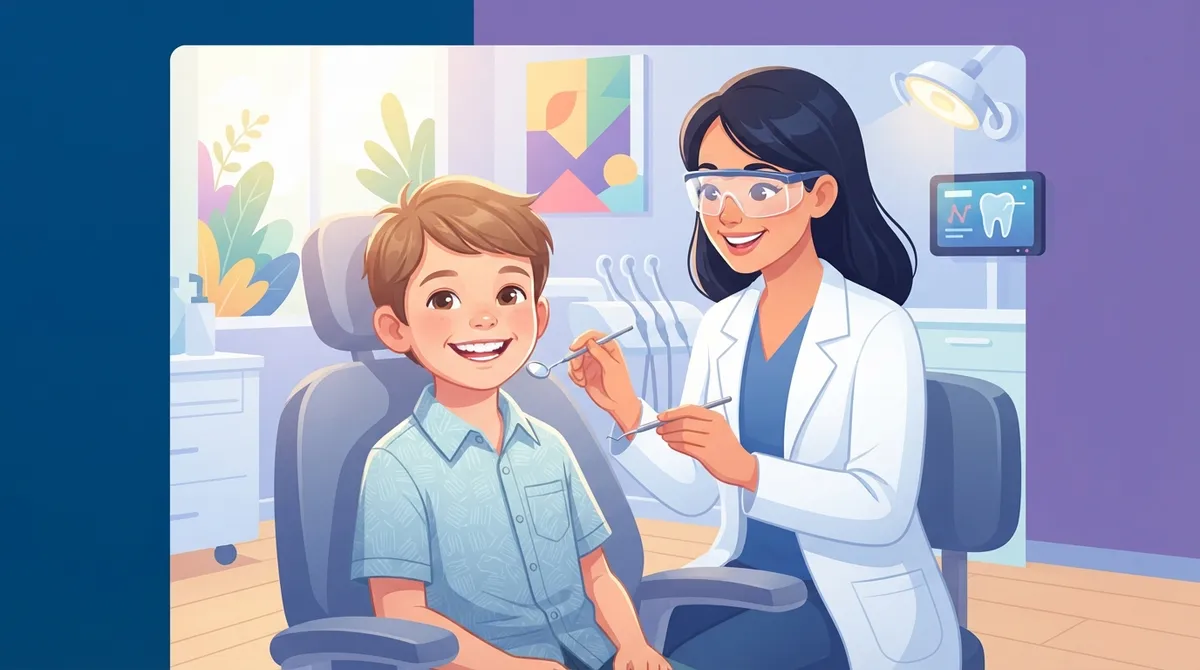
A trustworthy children’s orthodontist follows guidance from the American Association of Orthodontists, which recommends a first orthodontic checkup around age 7. At this age, your child has a mix of baby teeth and adult teeth. This makes it easier to spot problems early, like crowding, crossbites, or jaw growth issues.
Early evaluation doesn’t always mean immediate treatment. Sometimes it simply means keeping an eye on things as your child grows. If you’re wondering about the early signs, this guide on early signs you need braces can help you know what to watch for at home.
2. They Offer Treatment for Kids and Teens Alike
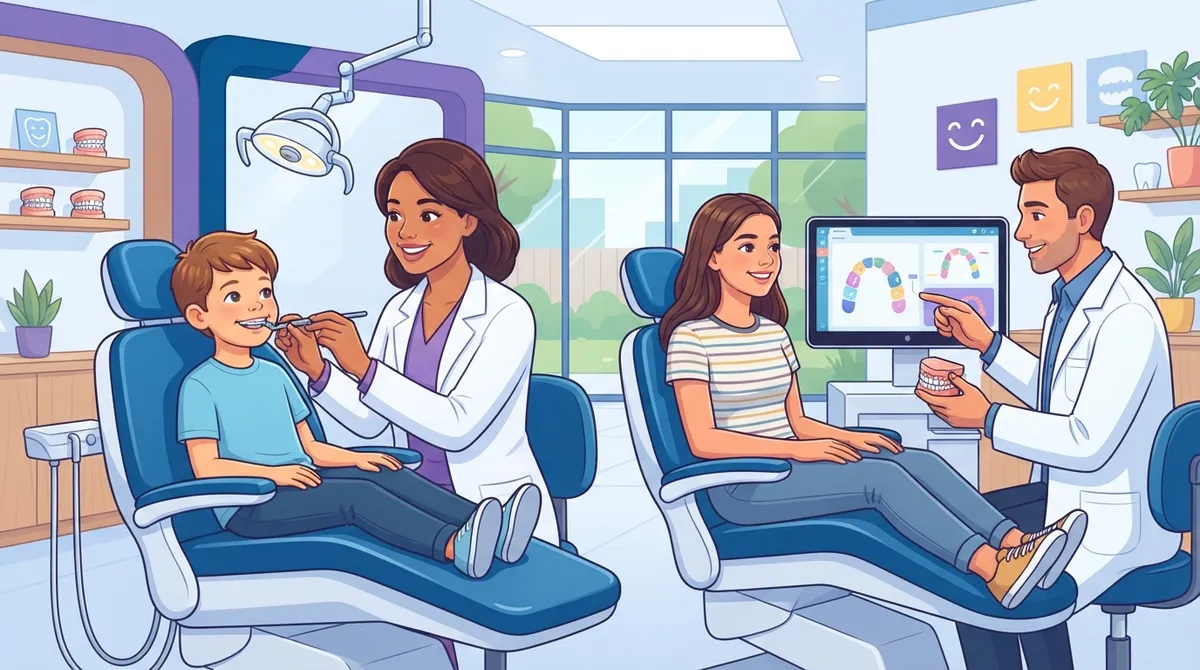
A good local practice won’t just handle one age group. Look for an office that treats young children through teenagers, since orthodontic needs change a lot during those years. Many practices offer both traditional braces and clear aligner options, so families can choose what fits best.
This matters because your child’s needs today might look different in three years. A practice that grows with your child means less searching for a new provider down the road. Learn more about how braces compare to clear aligners for teens if you’re planning ahead.
What Age-Specific Care Looks Like
- Early evaluations for children around age 7 to catch bite and jaw issues
- Interceptive treatment for younger kids to guide jaw growth
- Full braces or aligner treatment once most adult teeth arrive
- Teen-focused options like clear aligners for busy school and sports schedules
- Retainer care to protect results after treatment ends
3. The Office Location Is Actually Convenient
A “near me” search is really about saving time. Nobody wants to drive 45 minutes for a five-minute checkup. Look for a practice with multiple locations, like offices in both Westchase and Brandon, so you have flexibility depending on where your day takes you.
Convenience also means thinking about the surrounding neighborhoods. Families from Valrico, Riverview, Plant City, and nearby communities often find that a Brandon-area orthodontist location fits perfectly into their routine, whether it’s a quick stop after school or squeezed in during a lunch break.
4. Office Hours Fit Real Family Schedules
Between school, sports, and work, families need flexible appointment times. Many family-friendly orthodontic offices offer weekday hours from around 8:00 a.m. to 5:00 p.m., with some even offering Saturday appointments. This makes it easier to avoid pulling your child out of class too often.
| Feature | Why It Matters for Families |
|---|---|
| Weekday hours (8 a.m.–5 p.m.) | Fits before or after school and work schedules |
| Select Saturday appointments | Reduces missed school time |
| Multiple locations | Shortens drive time for busy families |
| Online scheduling | Makes booking easier without phone calls |
| Free consultations | Lowers the cost barrier to get started |
5. Bilingual Communication Is Available
Clear communication matters, especially when explaining treatment plans to your child. Families who speak Spanish at home deserve an orthodontic team that can explain things clearly in their preferred language. This isn’t just a nice extra; it builds real trust between the family and the care team.
Practices led by bilingual providers, like Dr. Omar Chacon at Chacon Orthodontics, make it easier for English- and Spanish-speaking families to ask questions without feeling rushed or confused. When everyone understands the plan, treatment tends to go more smoothly.
6. The Practice Uses Modern, Kid-Friendly Technology
Nobody’s favorite childhood memory is the old-school dental mold that made kids gag. Thankfully, today’s technology has come a long way. Look for offices using digital scanners and 3D imaging instead of messy impressions.
Modern tools also mean more accurate treatment planning. To see how this fits into your child’s overall alignment care, check out this resource on understanding teeth positioning and fixing alignment issues.
Signs a Practice Uses Modern Tools
- Digital scanning instead of messy putty molds
- Same-day or fast turnaround on custom appliances
- Online portals for scheduling and treatment updates
- Clear before-and-after imaging to show progress
- Comfortable, low-radiation digital X-rays
7. Treatment Options Cover Braces and Clear Aligners
Not every child needs the same fix. Some kids do well with traditional metal braces. Others, especially older kids and teens, may prefer removable clear aligners. A quality practice offers both, along with retainers to protect results afterward.
If your child is self-conscious about their smile, clear options can help. Learn more about how removable aligners straighten smiles discreetly, which can be a great fit for image-conscious tweens and teens.
| Treatment Option | Best For | Key Benefit |
|---|---|---|
| Traditional braces | Younger kids, complex bite issues | Precise control over tooth movement |
| Clear aligners | Teens, mild-to-moderate cases | Removable and discreet |
| Retainers | After active treatment | Keeps teeth from shifting back |
| Early interceptive appliances | Younger children with jaw concerns | Guides growth before it becomes a bigger issue |
8. The Office Feels Warm and Welcoming
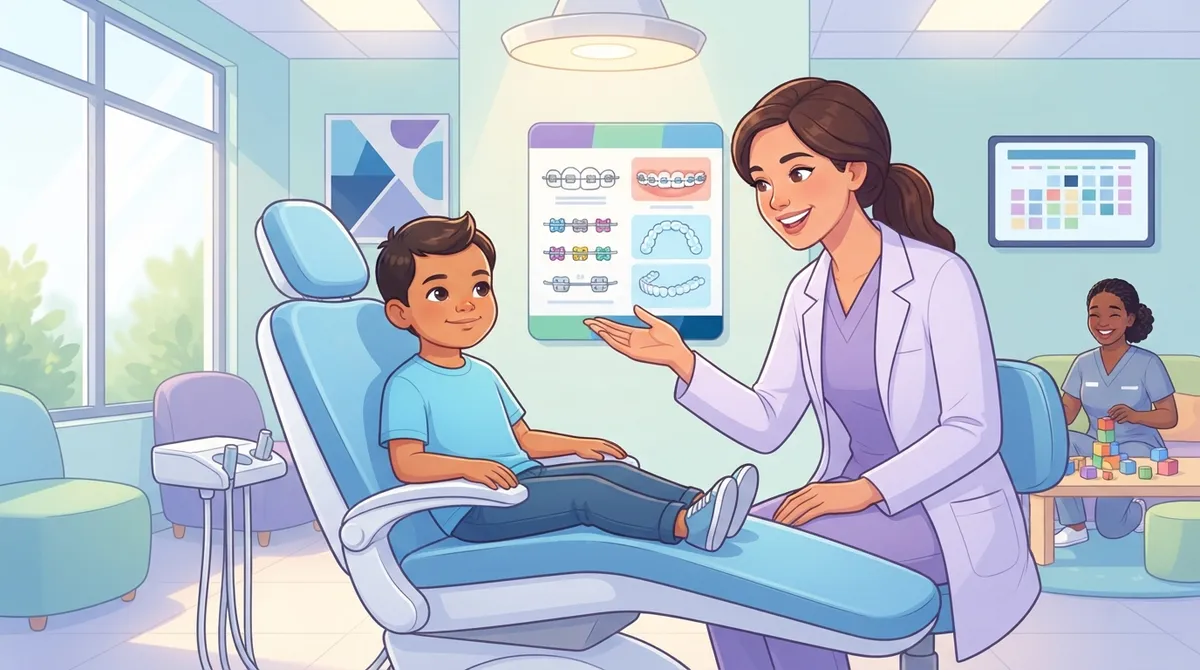
A nervous kid needs more than a comfy chair. They need a team that talks to them, not just at them. Watch how the staff greets your child during the first visit. Do they explain things in simple, friendly terms? Do they make your child feel like part of the process?
A practice that treats every visit like a positive experience helps build lifelong confidence. If you want to know what a first appointment typically looks like, this guide on what to expect at your child’s first visit walks through the whole process step by step.
9. Real Families Trust and Recommend Them
Word of mouth still matters. Ask friends, neighbors, or your child’s dentist for recommendations. You can also check online reviews to see what other parents in your area are saying about their experience.
For families near Brandon, it helps to Visit us on Google — Chacon Orthodontics Brandon to read real reviews from local parents. You can also follow along on Instagram or Facebook to see smile transformations and get a feel for the office culture before booking an appointment.
How Pediatric Dentistry and Orthodontics Work Together
Some families wonder if they need a pediatric dentist or an orthodontist. The truth is, they serve different roles. A pediatric dentist handles routine cleanings, cavities, and general oral health. An orthodontist focuses specifically on straightening teeth and correcting bite issues.
Many families work with both providers at the same time, especially during the early school years. If you want a deeper breakdown, this article on pediatric dentistry versus orthodontic care for kids explains exactly what each provider covers.
What to Ask During Your First Visit
Coming prepared with questions helps you make the best decision for your child. Here are a few good ones to bring up:
- What treatment options fit my child’s specific bite or crowding issue?
- How long will treatment likely take?
- What payment plans or insurance options are available?
- Does the office offer virtual consultations if we can’t make it in person?
- How often will we need to come in for adjustments?
Board-certified providers, like Dr. Omar Chacon, are trained to answer these questions clearly and honestly, without pushing unnecessary treatment. You can learn more about his background and approach on LinkedIn.
Why Local Access Really Matters
Orthodontic treatment isn’t a one-time visit. It usually involves regular check-ins over months or even years. That’s why choosing a practice close to home, work, or school makes such a big difference in the long run.
Families throughout Brandon, Valrico, and surrounding Hillsborough County communities benefit from having a nearby office that fits easily into weekly routines. Fewer long drives mean fewer missed appointments and a smoother treatment experience overall.
Ready to Find the Right Fit for Your Child?
Finding the right children’s orthodontist near you doesn’t have to be stressful. Focus on early evaluation, convenient locations, friendly staff, and modern technology, and you’re already headed in the right direction. Every child deserves a smile they feel proud of, and every parent deserves a care team they can trust.
If you’re ready to take the next step, schedule your child’s free consultation today and see firsthand how personalized, bilingual, and family-friendly care can make all the difference. You can also get in touch with our team with any questions before your visit.
FAQs
Q: What age should a child first see an orthodontist?
A: Most orthodontists, following guidance from the American Association of Orthodontists, recommend a first checkup around age 7. This gives your orthodontist a chance to catch bite and jaw issues early, even if treatment doesn’t start right away.
Q: How do I find the best children orthodontist near me?
A: Look for a practice that offers early evaluations, convenient locations, flexible hours, and a warm, kid-friendly atmosphere. Reading local reviews and asking your child’s dentist for a recommendation can also point you in the right direction.
Q: What is the difference between a pediatric dentist and a pediatric orthodontist?
A: A pediatric dentist focuses on general oral health like cleanings and cavities, while an orthodontist specializes in straightening teeth and fixing bite problems. Many families use both providers together during their child’s growing years.
Q: Does my child need braces or just an orthodontic evaluation?
A: Not every child needs braces right away. Sometimes an evaluation simply means monitoring growth over time until the right moment for treatment arrives.
Q: Is Invisalign available for children?
A: Clear aligners are often available for older children and teens once enough adult teeth have come in. Your orthodontist can tell you during a consultation whether aligners or traditional braces are the better fit for your child’s specific needs.