
Key Takeaways
-
Orthodontists, not general dentists, are the specialists trained to handle bite correction through years of extra education focused on tooth movement and jaw alignment after dental school.
-
Bite problems like overbites, underbites, and crossbites are diagnosed through comprehensive bite analysis including visual exams, digital imaging, and jaw alignment measurements to create personalized treatment plans.
-
Treatment options range from traditional braces for complex cases to clear aligners for mild-to-moderate issues to minor occlusal adjustments, with most cases not requiring surgery and responding well to early intervention.
-
Board-certified orthodontists with proven experience, advanced diagnostic technology, positive patient reviews, and convenient locations are key factors when selecting a bite correction specialist near you.
-
Bite problems cause real functional issues including uneven tooth wear, jaw pain, and headaches; early evaluation around age seven for children can prevent bigger problems and potentially shorten future treatment time.
-
Adults can pursue bite correction at any age using discreet clear aligners that fit work schedules, with payment plans making treatment more accessible and insurance often covering part of the cost depending on severity.
Typing “bite correction specialist near me” into your phone usually means one thing: your bite feels off, and you want it fixed by someone who knows what they’re doing. Maybe your teeth don’t line up when you chew. Maybe your jaw clicks. Maybe your child’s dentist mentioned an overbite at the last checkup. Whatever brought you here, you’re in the right place. Let’s talk about what bite correction actually means, who provides it, and how to find the right fit near you in Brandon or Westchase, Florida.
Here’s the good news: you don’t need to be a dental expert to get this right. A little knowledge goes a long way. By the end of this article, you’ll know exactly what a bite correction specialist does, what treatments are available, and how to choose someone you trust. Grab a cup of coffee, and let’s get into it.

What Is a Bite Correction Specialist, Really?
Here’s something that might surprise you: “bite correction specialist” isn’t an official job title in dentistry. There’s no diploma that says those exact words on it. Instead, this phrase describes a role, not a specific license.
In most cases, the person best suited to fix your bite is an orthodontist. Orthodontists spend extra years training specifically in tooth movement and jaw alignment after dental school. They are the go-to professionals for correcting a misaligned bite, also called malocclusion. Some general dentists and prosthodontists also treat bite issues, especially smaller adjustments, but orthodontists typically handle the more complex cases.
Think of it like this: any dentist can look at your teeth, but an orthodontist has spent years learning how to move them safely and effectively. That extra training matters, especially when your bite affects chewing, speaking, or jaw comfort.

Understanding Malocclusion: When Your Bite Doesn’t Fit Right
A bite problem, or malocclusion, happens when your upper and lower teeth don’t meet correctly when your mouth closes. This isn’t just a cosmetic issue. An improper bite can lead to uneven wear on teeth, jaw pain, and even headaches over time.
There are several common types of bite problems people search for help with:
- Overbite: Upper teeth sit too far forward over the lower teeth
- Underbite: Lower teeth extend past the upper teeth
- Crossbite: Some upper teeth sit inside the lower teeth instead of outside
- Open bite: Front teeth don’t touch when the back teeth are closed together
- Crowding: Teeth overlap or twist due to lack of space in the jaw
If any of these sound familiar, don’t panic. These are some of the most common reasons people visit an orthodontic office. Our team at Chacon Orthodontics sees these bite patterns regularly across patients of all ages in the Brandon and Westchase communities. Learning more about overbite versus underbite issues can help you understand what might be going on with your own smile.
How Bite Problems Get Diagnosed
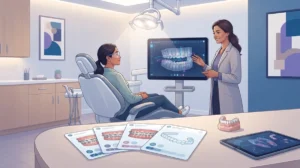
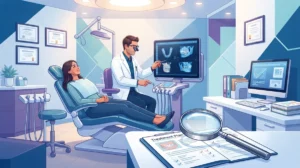
A proper bite evaluation is more thorough than just glancing in your mouth. Specialists usually perform what’s called a bite analysis. This looks at how your jaws come together and how chewing forces spread across your teeth.
Here’s what typically happens during a bite evaluation:
- A visual exam of how your teeth meet when you bite down
- Digital x-rays or 3D imaging to see the jaw and root structure
- Measurements of jaw alignment and tooth spacing
- A discussion about any pain, clicking, or discomfort you’ve noticed
- A custom treatment plan based on your specific bite pattern
This process helps your specialist figure out whether braces, aligners, or another approach will work best. If you’re curious about what happens during this first appointment, check out our guide on what happens during an orthodontic exam.
Treatment Options for Bite Correction
The good news is that bite problems are very treatable. Most people don’t need surgery. Most cases respond well to standard orthodontic treatment, especially when caught early.
Braces and Custom Appliances
Traditional braces remain one of the most reliable ways to correct a bite. They apply steady pressure to guide teeth and jaws into proper alignment over time. For more complex bite issues, your orthodontist might add other appliances alongside braces to help guide jaw growth, especially in growing children and teens. Our custom braces options are built around each patient’s unique bite pattern.
Clear Aligners
Clear aligners work well for many bite issues, though not all. Mild to moderate bite problems often respond nicely to a series of custom trays. Aligners are popular with teens and adults who want a more discreet option. You can learn more about how removable aligners straighten your smile gradually and comfortably.
Occlusal Adjustment
Sometimes a bite issue is small enough that a bite adjustment, also called an occlusal adjustment, does the trick. This involves gently reshaping small areas of tooth surfaces so teeth meet more evenly. This can be done on one tooth or several teeth, depending on what’s needed.
Retainers
After active treatment, retainers help lock in your new bite so teeth don’t shift back. This step is just as important as the treatment itself. Our article on retainer types every patient should know breaks down your options.
Comparing Common Bite Correction Treatments
| Treatment | Best For | Typical Duration | Visibility |
|---|---|---|---|
| Traditional Braces | Moderate to severe bite issues | 12–30 months | Visible |
| Clear Aligners | Mild to moderate bite issues | 6–18 months | Nearly invisible |
| Occlusal Adjustment | Minor bite imbalances | 1–2 visits | Not applicable |
| Retainers (after treatment) | Maintaining bite correction results | Ongoing, part-time wear | Low visibility options available |
Bite Correction for Every Age Group
One thing we love about orthodontic care is that it truly works for everyone. Here’s how bite correction looks a bit different depending on age.
For Parents of Young Children
Early evaluation, usually around age seven, helps catch bite problems while the jaw is still growing. This doesn’t always mean starting treatment right away. Sometimes it just means keeping an eye on things. Catching issues early can prevent bigger problems later and sometimes shortens future treatment time. Our guide on early signs your child may need braces is worth a look if you’re unsure.
For Teens
Teens often worry about how treatment will look and fit into their busy lives. The good news is there are more options now than ever. From traditional braces to clear aligners, teens can choose a path that fits their sports schedule, social life, and comfort level. Check out our comparison of braces versus clear aligners for teens to see what might work best.
For Working Adults
It’s never too late to fix a bite problem. More adults are choosing treatment than ever before, often opting for clear aligners because they’re discreet and fit around demanding work schedules. If you’ve been putting off treatment because you’re worried about how it’ll look in meetings, our piece on why adults are choosing orthodontic treatment might change your mind.
How to Choose the Right Bite Correction Specialist Near You
Not all providers offering bite treatment have the same training. Here’s a simple checklist to help you choose wisely:
- Confirm they are a board-certified orthodontist, not just a general dentist offering limited services
- Ask how many years of experience they have treating bite issues specifically
- Look for advanced technology like digital imaging for more accurate diagnosis
- Read patient reviews and testimonials from real families
- Check if they offer a free consultation so you can meet them before committing
- Make sure the office location and hours work with your schedule
Dr. Omar Chacon is a board-certified orthodontist with more than ten years of experience treating patients of all ages. He trained in New York City and is fluent in both English and Spanish, making care accessible for bilingual families throughout Brandon and Westchase. You can learn more about his background on LinkedIn or follow along with patient stories on Instagram.
Why Location and Language Matter
Getting bite correction shouldn’t feel complicated or stressful. That’s why having a nearby office matters, and so does clear communication. Bilingual families in the Brandon and Westchase area often tell us how much easier appointments feel when they can ask questions in Spanish or English without confusion.
Our Brandon office serves families throughout the surrounding community, and we’re proud to offer the same personalized attention whether you visit us there or at our Westchase location. If you’d like to see what real patients are saying, you can visit us on Google — Chacon Orthodontics Brandon to read reviews and get directions.
What Does Bite Correction Cost?
Cost varies quite a bit depending on the severity of the bite problem and the treatment chosen. Simple occlusal adjustments cost far less than a full course of braces or aligners. Many practices, including ours, offer payment plans to make treatment more manageable. It’s worth asking about payment plans and checking whether your insurance covers part of the cost.
| Factor | Impact on Cost |
|---|---|
| Severity of bite problem | More complex cases typically cost more |
| Treatment type chosen | Aligners and braces are priced differently |
| Length of treatment | Longer treatment plans may increase total cost |
| Insurance coverage | Can significantly reduce out-of-pocket expense |
| Payment plan options | Spreads cost over manageable monthly payments |
Signs You Shouldn’t Wait to See a Specialist
Some bite problems are easy to ignore until they’re not. Here are signs it’s time to schedule a visit:
- You notice uneven wear on certain teeth
- Your jaw clicks, pops, or feels tight when chewing
- You experience frequent headaches without another clear cause
- Your teeth don’t touch evenly when you close your mouth
- A dentist has already flagged a bite concern during a routine visit
According to information shared by dental education programs like the University of Illinois Chicago College of Dentistry, orthodontic clinics regularly treat bite problems along with misaligned jaws and teeth for patients of all ages. This reinforces that bite correction is a well-established, common part of orthodontic care, not something unusual or rare.
Bringing It All Together
Finding the right bite correction specialist near you doesn’t have to be complicated. Focus on finding a board-certified orthodontist with real experience, a friendly team, and technology that supports accurate diagnosis. Whether you’re a parent watching your child’s smile develop, a teen wanting a confident grin for photos, or an adult ready to finally fix that bite you’ve lived with for years, help is closer than you think.
At Chacon Orthodontics, we’ve built our Brandon and Westchase practice around exactly this kind of personalized care. We treat kids, teens, and adults with the same warmth and attention, and we’re happy to explain every step in English or Spanish. You can also connect with us on Facebook to see recent smile transformations and community updates.
Ready to get your bite checked out by someone who truly cares about your comfort and confidence? Schedule your free consultation today and take the first step toward a smile that feels as good as it looks.
FAQs
Q: What is a bite correction specialist in orthodontics?
A: A bite correction specialist usually refers to an orthodontist trained in diagnosing and treating malocclusion, or misaligned bites. They use braces, aligners, and other tools to help your teeth and jaws work together properly.
Q: What is the difference between an orthodontist and a bite correction specialist?
A: There’s really no formal difference here, since “bite correction specialist” isn’t an official title. Orthodontists are the dental professionals with specialized training to handle bite problems, so they’re typically who people mean by this term.
Q: How do I find the best bite correction specialist near me?
A: Start by looking for a board-certified orthodontist with strong reviews and years of hands-on experience. A free consultation is a great way to meet the team and ask questions before deciding, and it’s something we happily offer at Chacon Orthodontics.
Q: Do clear aligners fix bite problems as well as braces?
A: Clear aligners work great for many mild to moderate bite issues, but more complex cases often respond better to traditional braces. Your orthodontist can review your specific bite pattern and recommend the best option for you.
Q: Can adults get bite correction treatment?
A: Absolutely, it’s never too late! Many adults choose clear aligners because they’re discreet and fit easily into busy work schedules, and treatment can be just as effective as it is for younger patients.