Key Takeaways
-
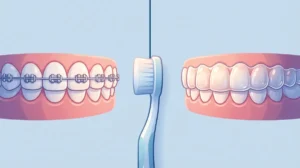
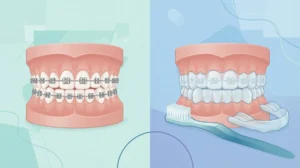
Brush for two minutes at least twice a day with fluoride toothpaste, and brush after meals and snacks when possible, so food doesn't sit on brackets for hours.
-
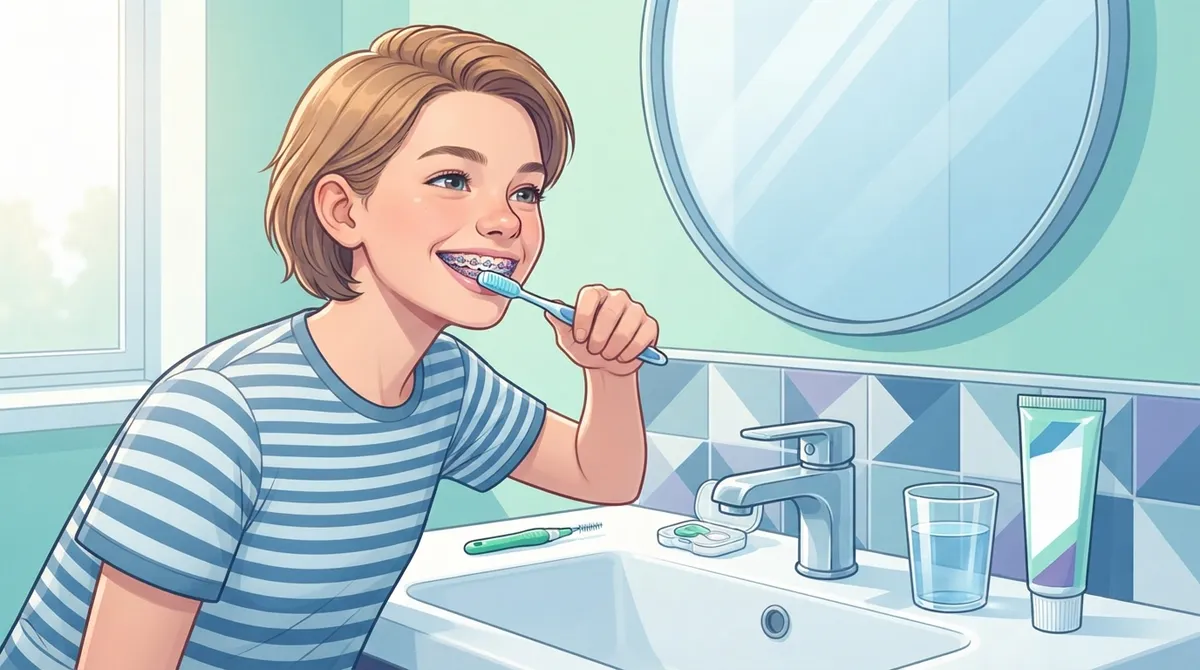
Angle the brush about 45 degrees at the gumline and use small, gentle circles, brushing above and below every bracket; scrubbing hard doesn't clean better and can hurt gums.
-
Use an interdental brush under the archwire once a day, ideally in the evening, and floss daily with a floss threader to reach spaces a toothbrush can't.
-
After brushing before bed, spit out extra toothpaste but skip the water rinse so a thin layer of fluoride stays on your teeth to protect them.
-
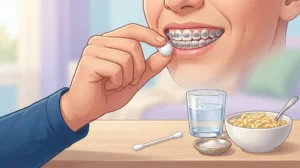
If you can't brush after eating, swish water to loosen food, check for stuck bits, and brush when you get the chance; after acidic drinks like soda, rinse with water first and wait before brushing.
-
Replace your toothbrush every two to three months, since braces fray bristles quickly, and watch for signs like bleeding gums or white spots that mean your technique needs adjusting.
Getting braces is exciting. You are on your way to a straighter, more confident smile! But those shiny brackets and wires also create lots of tiny spots where food and plaque love to hide. If you have ever stared in the mirror wondering how to brush with braces the right way, you are not alone.
The good news? It is easier than it looks. With the right tools, a simple routine, and a little patience, you can keep your teeth and gums healthy the whole way through treatment. Whether you are a busy teen, a parent helping a child, or an adult juggling work and life, this guide walks you through every step in plain, friendly language.
We will cover what supplies you need, how to clean each part of your mouth, how often to brush, and what to do when you cannot brush right away. Let’s get started!
Why Brushing Matters So Much With Braces
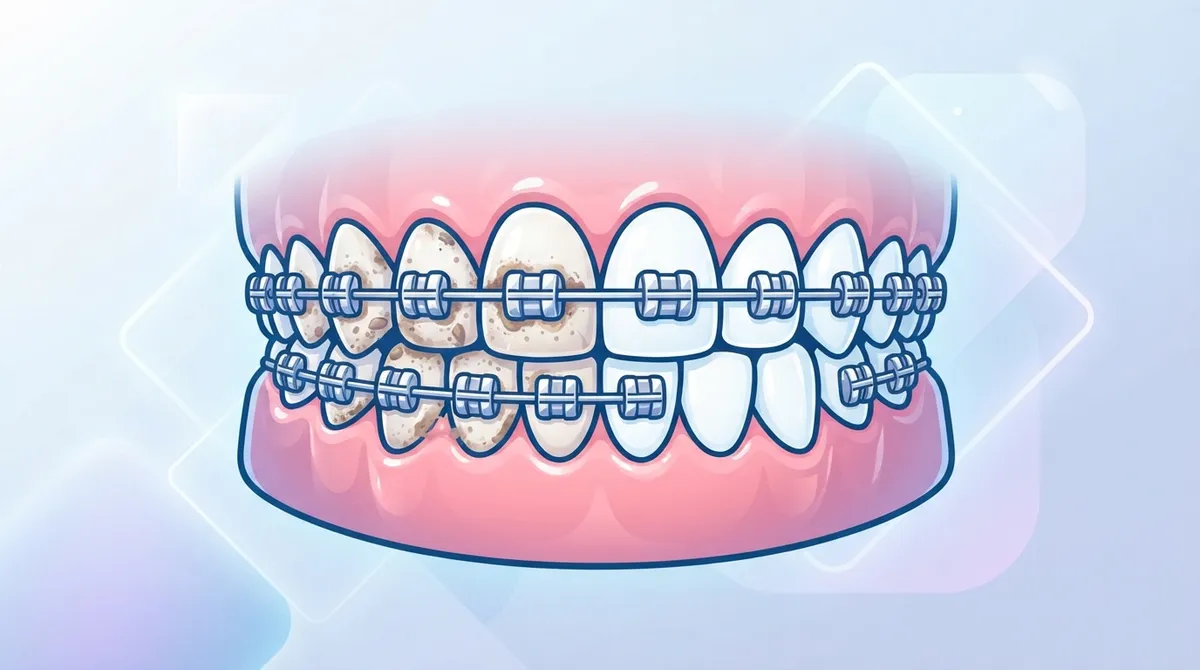
Braces are amazing tools, but they add extra surfaces for plaque to cling to. Plaque is the sticky film of bacteria that builds up on teeth every day. If it stays put, it can lead to cavities, red and puffy gums, and bad breath.
There is another risk many people do not know about. Plaque left around brackets can cause white spots on the teeth. These marks are early signs of enamel damage, and they can stay behind even after your braces come off. Nobody wants a great new smile with dull patches!
The takeaway is simple. Good brushing now protects the results you are working so hard to get. A little extra care each day pays off big when the braces come off.
What You Need to Brush With Braces
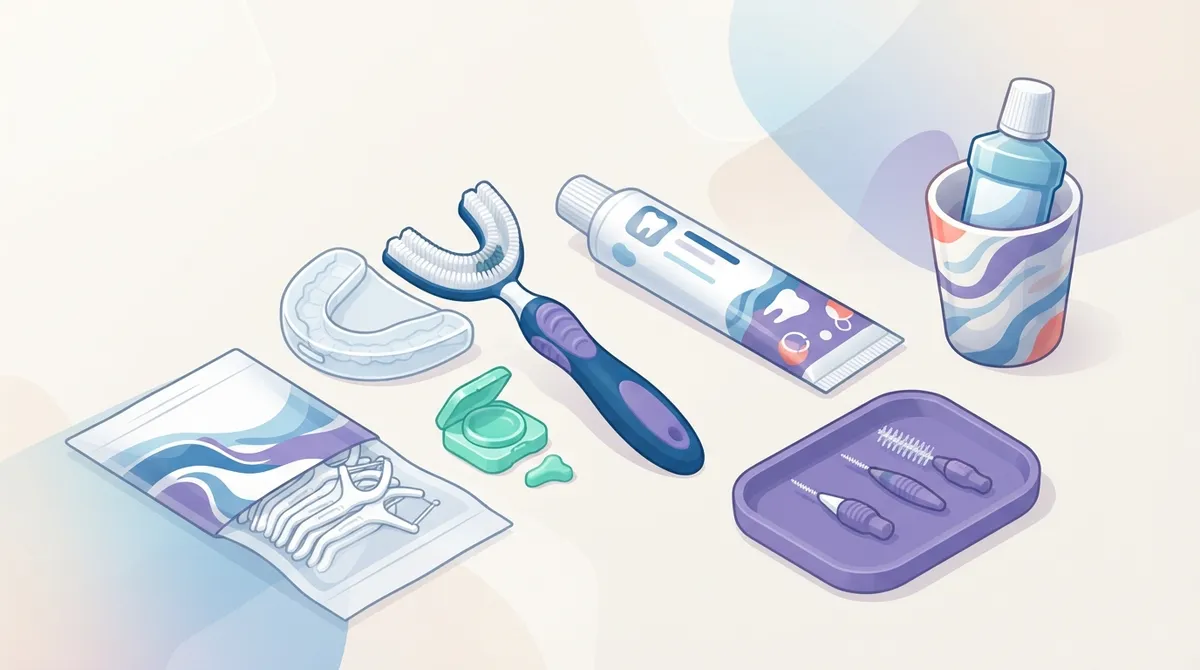
You do not need fancy gear. A few smart tools make the job much easier. Here is a quick list of your braces-friendly toolkit:
- A soft-bristled toothbrush: Manual or electric both work well. Soft bristles protect your gums and clean gently around wires.
- Fluoride toothpaste: Fluoride strengthens enamel and helps protect against cavities and white spots.
- Interdental brushes: These tiny brushes slide under the wire and between brackets to clear out trapped food.
- Floss and a floss threader: A threader helps you guide floss under the archwire.
- A small mirror: This helps you check that every bracket looks clean.
Keep a little travel kit in your backpack, purse, or desk drawer. That way you can freshen up after lunch at school or work.
How to Brush With Braces: Step-by-Step
Ready for the main event? Follow these steps for a thorough clean. Take your time at first. Soon it will feel like second nature.
- Rinse first. Swish water in your mouth to loosen any big pieces of food.
- Add fluoride toothpaste. A pea-sized amount is plenty.
- Angle the brush toward the gumline. Tilt your toothbrush about 45 degrees where the teeth meet the gums.
- Use small, gentle circles. Scrubbing hard does not clean better. It can hurt your gums.
- Clean above the brackets. Angle the brush downward and brush the area between the gums and the brackets.
- Clean below the brackets. Tilt the brush upward to reach the area under each bracket.
- Brush the front of each bracket. Make sure no food is stuck on or around it.
- Do not forget the chewing and inner surfaces. Brush the tops of your teeth and the tongue side too.
- Check in the mirror. Look for leftover plaque or food and touch up where needed.
Plan to brush for about two minutes. Use a timer or a favorite song so you do not cut it short.
Tips for Using an Electric Toothbrush
Yes, you can use an electric toothbrush with braces! Many people find it easier. The key is to guide the brush head slowly from tooth to tooth rather than scrubbing back and forth. Let the brush do the work. Hold it at the gumline, then move around each bracket one tooth at a time.
Cleaning Around Brackets and Under the Wire
Even great brushing can miss the spots right under the archwire. That is where interdental brushes shine. These small, bristly tools look like tiny pipe cleaners, and they fit perfectly between the wire and your teeth.
Here is how to use one:
- Choose a size that fits comfortably under the wire without forcing it.
- Gently slide it between the bracket and the gum, then under the archwire.
- Move it back and forth a few times to sweep away trapped food.
- Repeat for each tooth, rinsing the brush as you go.
Use this tool at least once a day, ideally in the evening before your final brush. If you ever feel unsure about sizing or technique, your orthodontic team can show you in person. Our guide on how to keep teeth clean with braces has even more daily habits to try.
How to Floss With Braces
Flossing feels tricky at first, but it is a must. Floss reaches the spaces between teeth where a toothbrush cannot go. Plan to floss at least once every day.
A floss threader makes this much easier. It is a small, flexible loop that acts like a needle. Thread your floss through the loop, pass it under the archwire, then slide the floss up and down between your teeth. Curve it gently around each tooth, and go just below the gumline.
Some people also like floss picks or water flossers as helpful extras. Ask your orthodontist whether these are a good fit for you. For a deeper walkthrough, see our tips on how to brush and floss with braces effectively.
How Often Should You Brush With Braces?
Great question! Most orthodontic guidance says to brush for two minutes at least twice a day. The American Association of Orthodontists also suggests brushing after meals and snacks, plus before bed. That sounds like a lot, but it keeps food from sitting on your brackets for hours.
Here is a simple schedule that works for most people:
| Time of Day | What to Do |
|---|---|
| Morning | Brush for two minutes with fluoride toothpaste |
| After lunch or snacks | Brush, or rinse with water if you cannot brush |
| After dinner | Brush and use an interdental brush |
| Before bed | Floss, brush, and spit (do not rinse) |
Notice the last tip in that table. After brushing, spit out the extra toothpaste but skip the water rinse. This leaves a thin layer of fluoride on your teeth to keep protecting them.
What If You Cannot Brush After Eating?
Life gets busy. Maybe you are at school, in a meeting, or on the road. If you cannot brush right after eating, do not panic. Here is a quick plan:
- Swish water around your mouth to loosen food.
- Check a mirror or your phone camera for stuck bits.
- Use a travel interdental brush if you have one.
- Brush as soon as you get a chance.
Also keep in mind that acidic foods and drinks, like soda, can soften enamel for a short time. After having them, rinse with water first. Some dental guidance suggests waiting about an hour before brushing. If you are unsure, ask your orthodontist what timing is best for you.
Wondering which foods are trickier for braces? Our list of braces diet restrictions can help you plan smart snacks.
Common Brushing Mistakes to Avoid
Even careful brushers slip up now and then. Watch out for these common mistakes:
- Brushing too hard: Heavy pressure can irritate gums and wear down enamel.
- Rushing the job: Quick, sloppy brushing leaves plaque behind.
- Skipping the gumline: This is where plaque and gum problems often start.
- Using a worn-out brush: Braces can fray bristles fast. Replace your brush every two to three months, or sooner if it looks bent.
- Forgetting to floss: A toothbrush alone cannot clean between teeth.
- Rinsing right after brushing: This washes away helpful fluoride.
If you spot yourself making one of these, no worries. Just adjust and keep going. Every day is a fresh start.
Brushing Tips for Different Ages
For Kids
Younger children often need a helping hand. Parents can supervise brushing, check the mirror together, and make it fun with a timer or a favorite song. Praise goes a long way! If your child is just getting started, you may enjoy our guide on what to expect at your child’s first visit.
For Teens
Teens have packed schedules, from sports to school to social plans. A small travel kit in a gym bag or backpack makes a big difference. Brushing after lunch and before bed becomes easy when the tools are always within reach.
For Adults
Busy professionals can keep a kit in the desk drawer or car. A quick brush after your lunch break keeps you feeling fresh and confident before afternoon meetings. Many adults also find an electric brush saves time and does a more consistent job.
How to Prevent White Spots and Cavities
White spots and cavities are the biggest brushing worries with braces. The good news is that they are very preventable. Here are a few helpful habits:
- Brush thoroughly at least twice a day with fluoride toothpaste.
- Clean under the wire every day with an interdental brush.
- Floss daily using a threader or similar aid.
- Limit sugary snacks and sweet drinks, especially between meals.
- Keep up with regular dental cleanings, usually at least every six months, or more often if advised.
- Ask your orthodontist whether a fluoride rinse or stronger fluoride product fits your cavity risk.
Professional visits matter too. Your team can spot early trouble and give you personal tips. Learn more about what happens at each stop in our guide to braces oral hygiene habits.
Signs Your Brushing Routine Needs a Boost
Sometimes your mouth gives you clues. Check in with your orthodontist if you notice any of these:
- Gums that look red, swollen, or bleed easily
- Bad breath that does not go away after brushing
- Visible plaque or food stuck around brackets
- White or chalky patches on teeth
- Sore spots that feel more than normal braces tenderness
These signs do not mean you are doing everything wrong. They simply mean it is time for a little coaching. A quick tune-up on technique can turn things around fast.
Brushing Care With Chacon Orthodontics
At Chacon Orthodontics, we believe that great results start with great habits. Dr. Omar Chacon and our team are happy to show you exactly how to clean around your braces during your visits. We offer friendly, bilingual guidance in English and Spanish, so every patient and family feels comfortable asking questions.
Curious about our Brandon location and what other patients say? Visit us on Google — Chacon Orthodontics Brandon to read reviews. You can also follow our smile stories on Instagram, join the conversation on Facebook, or connect with Dr. Chacon on LinkedIn.
New to braces and want to understand the full journey? Our overview of how to care for braces the right way is a great next read.
Your Daily Braces Brushing Checklist
Want to keep it simple? Here is a quick checklist you can save on your phone or stick on the bathroom mirror:
- Brush for two minutes, twice a day or more, with a soft brush and fluoride toothpaste.
- Angle the brush above and below every bracket.
- Clean under the wire with an interdental brush.
- Floss once a day with a threader.
- Spit, but do not rinse, after brushing.
- Rinse with water if you cannot brush after a snack.
- See your dental team for regular cleanings and checkups.
Stick with this routine, and you will protect your teeth, your gums, and your investment in a beautiful smile.
Ready for a Healthier, Brighter Smile?
Learning how to brush with braces takes a little practice, but you have got this! Small daily habits add up to big results, and every careful brush brings you closer to that confident smile you have been dreaming about.
If you would like personal coaching on brushing, or you are thinking about starting treatment, we would love to meet you. Book your free consultation with Chacon Orthodontics today, and let’s build a healthy, happy smile together. Prefer to ask a question first? Simply contact us and our friendly team will be glad to help.
FAQs
Q: How often should I brush my teeth with braces?
A: Plan to brush for about two minutes at least twice a day, and many orthodontists also suggest brushing after meals and snacks. This keeps food from sitting around your brackets and wires. If you cannot brush right away, rinse with water and brush when you can.
Q: Can I use an electric toothbrush with braces?
A: Absolutely! Electric toothbrushes work well with braces. Just guide the brush head slowly from tooth to tooth and let it do the work, instead of scrubbing hard. Use a soft brush head to keep your gums happy.
Q: How do I clean under the wire when I have braces?
A: An interdental brush is your best friend here. Gently slide the tiny brush under the archwire and around each bracket to sweep away trapped food. Floss with a threader once a day to clean between your teeth too.
Q: Should I rinse my mouth after brushing with braces?
A: It is best to spit out extra toothpaste but skip the water rinse. That way, a thin layer of fluoride stays on your teeth and keeps protecting them. Your orthodontist can tell you if a fluoride rinse is a good extra step for you.
Q: How can I prevent white spots on my teeth with braces?
A: White spots come from plaque sitting around brackets, so careful daily cleaning is the key. Brush with fluoride toothpaste, clean under the wire, floss daily, and keep up with regular dental visits. Limiting sugary snacks and drinks helps too.