Key Takeaways
-
The main rule: avoid hard, sticky, crunchy, and very chewy foods, since they can loosen brackets, bend wires, or get stuck in hard-to-clean spots.
-
Sticky treats like caramel, taffy, gum, and licorice are among the biggest troublemakers because they can pull brackets right off when you pull away.
-
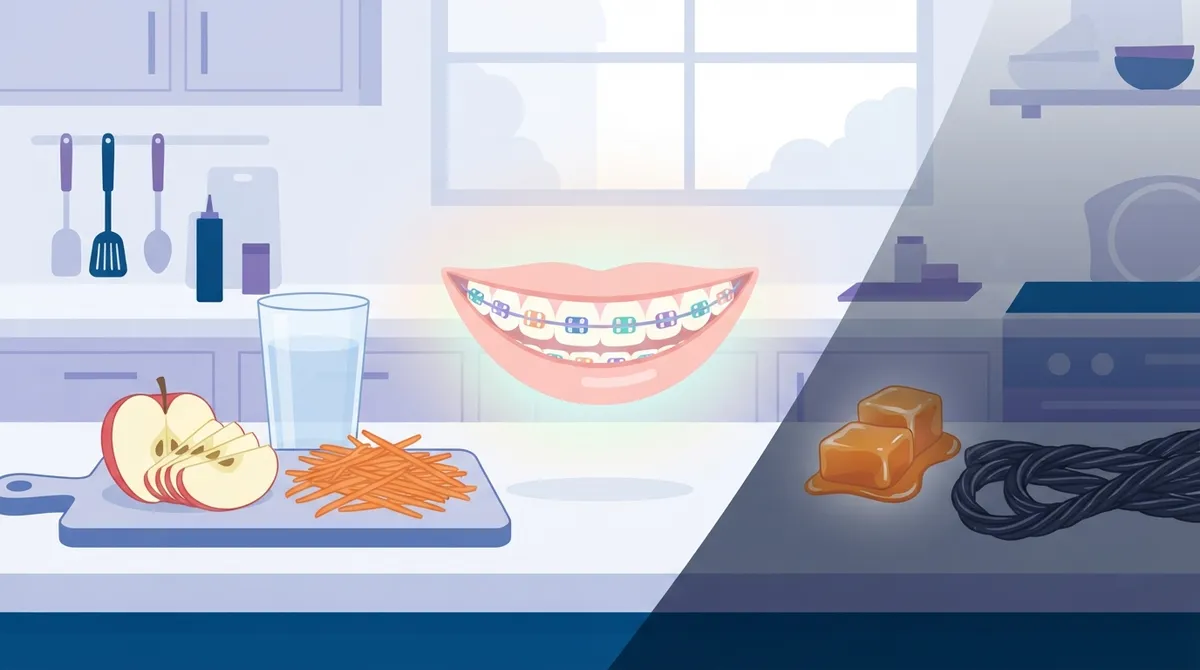
Many favorites stay on the menu with prep changes: thinly slice apples and pears, steam or shred raw carrots, cut corn off the cob, and cut sandwiches and meat into small bites.
-
Choose tap water as your main drink, and save sugary or acidic drinks like soda and sports drinks for rare treats to protect against cavities and enamel damage.
-
If food gets stuck, rinse with water first, then use a soft interdental brush or floss threader; avoid toothpicks or pins that can damage gums or braces.
-
If a bracket breaks or a wire pokes you, call your orthodontist promptly and don't attempt a DIY repair, which can disrupt treatment or cause more damage.
Getting braces is exciting. You are on your way to a straighter, more confident smile! But let’s be honest: the first question most people ask is, “Wait, what can I actually eat?” If that sounds like you, take a deep breath. You are not alone, and the answer is much friendlier than you might think.
Learning the foods to avoid with braces is one of the best things you can do to protect your treatment. The right choices help keep brackets attached, wires straight, and your smile on schedule. The good news? Most favorite foods can stay on the menu with a few simple tweaks. At Chacon Orthodontics, we love helping families in Westchase and Brandon feel confident about eating well during treatment.
In this guide, you will learn which foods cause trouble, how to make others braces-friendly, what to eat when your teeth feel sore, and what to do if something breaks. Let’s dive in!
Why Food Choices Matter So Much With Braces
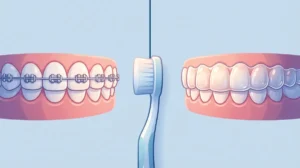
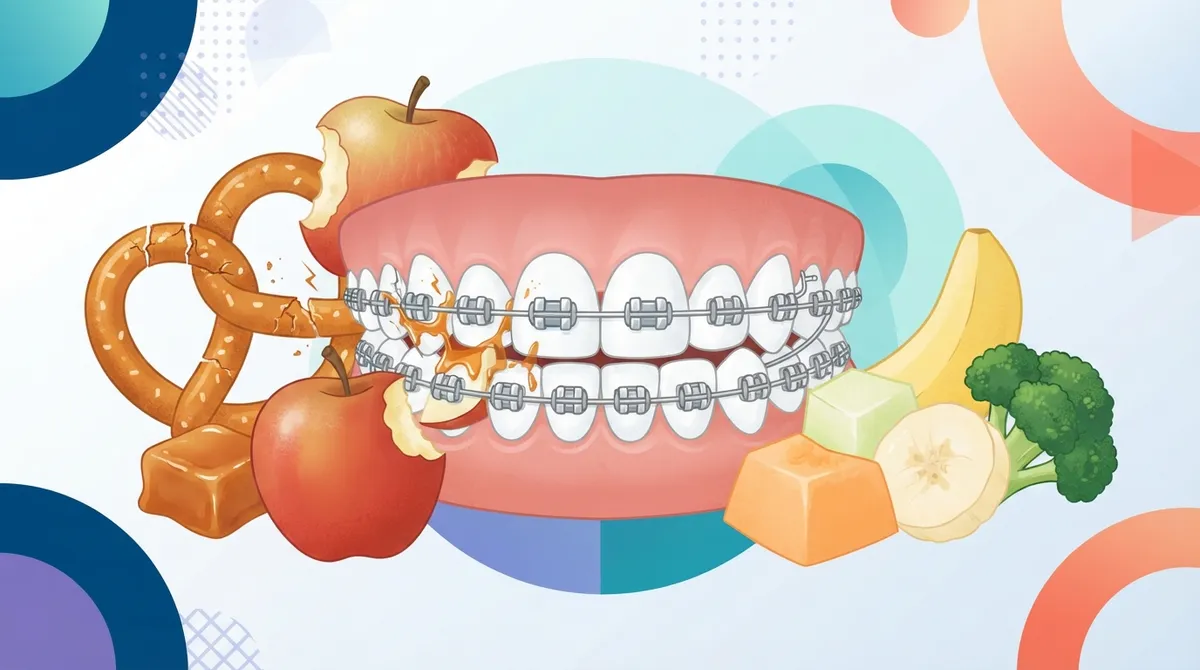
Braces are strong, but they are not invincible. Brackets are bonded to your teeth, and thin wires run through them. Hard or sticky foods can pop a bracket loose, bend a wire, or get stuck in tricky spots.
When that happens, treatment can slow down. You may also need an extra visit to fix the problem. That is no fun for anyone, especially busy teens, working adults, and parents juggling a packed calendar.
Food choices also affect your oral health. Braces make cleaning harder, so sugary and acidic foods can raise the risk of cavities and enamel damage. Smart eating helps you finish treatment with a healthy smile, not just a straight one.
Always follow the specific advice from your own orthodontist. Every treatment plan is a little different, and your care team knows your needs best.
The Main Rule: Avoid Hard, Sticky, Crunchy, and Chewy Foods
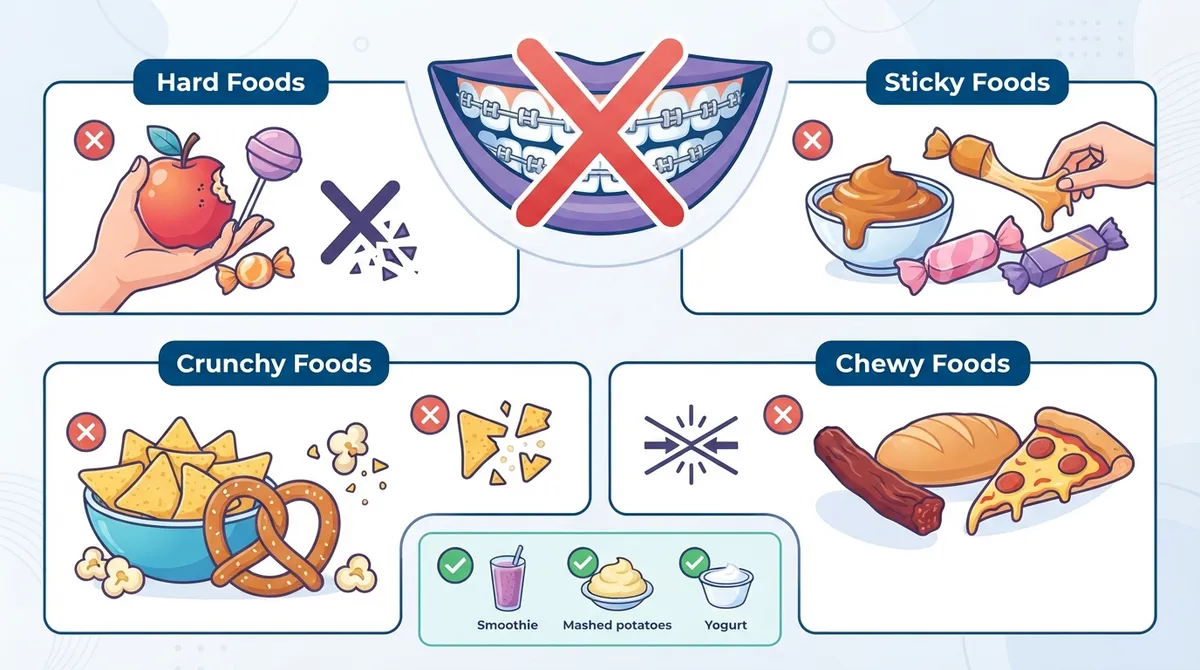
If you remember just one thing, remember this: the foods to avoid with braces fall into four simple groups.
- Hard foods can crack or loosen brackets when you bite down.
- Sticky foods cling to brackets and can pull them off.
- Crunchy foods can bend wires and break brackets.
- Very chewy foods put steady strain on your braces and get stuck easily.
That is the whole secret. Once you know these four groups, you can spot trouble foods almost anywhere, from the school cafeteria to the movie theater.
The Complete List of Foods to Avoid With Braces
Here is a handy table that sorts the common troublemakers by type. Feel free to screenshot it and keep it on your phone!
| Food Type | Common Examples | Why They Cause Trouble |
|---|---|---|
| Hard foods | Hard candy, mints, ice, nuts, hard pretzels | Can crack brackets or bend wires |
| Sticky foods | Caramel, taffy, gum, licorice | Cling to braces and can pull brackets off |
| Crunchy foods | Popcorn, hard chips, crusty bread, hard rolls | Bend wires and hide in brackets |
| Very chewy foods | Chewy meats, tough bagels, jerky-style snacks | Strain the appliance and trap food |
Hard Candy and Ice
Hard candy and mints might seem harmless, but biting down on them is risky. Ice is another sneaky one. Chewing ice is a habit for many people, but it can chip teeth and snap brackets right off. If you love a cold drink, sip it and skip the crunching.
Caramel, Taffy, Gum, and Licorice
Sticky treats are some of the biggest braces troublemakers. They glue themselves to brackets and wires. When you pull away, the bracket can come with it. They are also hard to clean off, which is not great for your enamel.
Popcorn, Nuts, and Chips
Popcorn is a classic braces enemy. Those hard kernel bits can wedge under your gums and around brackets. Nuts and hard chips can bend wires with one big crunch. Movie night does not have to be ruined, though. We will share some smart swaps in a moment.
Crusty Bread and Chewy Meats
Hard rolls, crusty bread, and tough meats can put too much force on your braces. Tearing into them with your front teeth is especially risky. Soft bread and tender, cut-up meat are much safer options.
How to Make “Risky” Foods Braces-Friendly
Here is some great news. You do not have to give up everything you love! Many foods are fine when you change how you prepare or eat them. Think of it as giving your favorites a braces-friendly makeover.
- Slice apples and pears. Biting straight into a whole apple can be tough on brackets. Thin slices are a much gentler choice.
- Cook or cut crunchy veggies. Raw carrots can be a challenge. Steam them until soft, or shred them into salads.
- Cut corn off the cob. Corn on the cob is a no-go for biting, but loose kernels are usually fine.
- Cut sandwiches and pizza into small pieces. Skip the big front-tooth bites. Smaller pieces are easier on your wires and brackets.
- Cut meat into bite-size bits. Take chicken off the bone and slice steak thin rather than tearing at it.
These small changes make mealtime easier and safer. If you want more ideas, check out our list of braces-friendly snacks every parent should know.
Drinks to Watch With Braces
Food gets most of the attention, but drinks matter too. Sugary and acidic drinks, like soda, sports drinks, and fruit drinks, can raise the risk of tooth decay and enamel damage. With braces, it is harder to brush away sugar from around brackets.
The American Association of Orthodontists recommends tap water as the best everyday drink. It is gentle on your teeth, and it helps rinse away food bits. If you do enjoy a sweet drink now and then, ask your orthodontist for guidance that fits your needs.
Here are a few easy drink tips:
- Choose water as your main drink throughout the day.
- Save sugary or acidic drinks for rare treats, not daily sipping.
- Rinse your mouth with water after a sweet drink.
- Brush well, paying extra attention around your brackets.
What to Eat After Getting Braces or an Adjustment
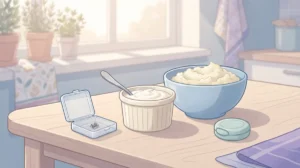
Soreness is totally normal right after your braces are placed or adjusted. Your teeth may feel tender for a few days, and chewing can feel uncomfortable. During that time, soft foods are your best friend.
Here are comfy options that feel good on sore teeth:
- Soup (warm, not scorching hot)
- Pasta cooked until soft
- Yogurt and smoothies (eaten with a spoon, ideally)
- Scrambled eggs
- Oatmeal
- Mashed potatoes
- Cooked, tender vegetables
If you are curious how braces feel in those early days, Dr. Chacon explains it in Are Braces Painful? Dr. Chacon Shares What to Expect. You can also find more tips in our guide on how to ease braces soreness fast.
A Sample Day of Braces-Friendly Eating
Not sure what a full day looks like? Here is an easy example you can borrow. It works great for kids, teens, and adults alike.
| Meal | Braces-Friendly Idea |
|---|---|
| Breakfast | Oatmeal with soft berries or scrambled eggs |
| Lunch | Soft pasta with tender chicken pieces |
| Snack | Yogurt or thin apple slices |
| Dinner | Soup, mashed potatoes, and cooked vegetables |
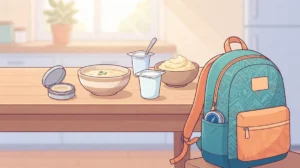
Busy parents will love how simple this is. Teens can pack a soft lunch for school. Working adults can grab quick, soft options without much fuss.
Tips for Different Family Members
For Parents of Younger Kids
Little ones may not remember every rule, so a little prep goes a long way. Pack soft snacks for school, and cut foods into small pieces before they leave home. Remind kids that hard candy and gum are off the list. A friendly reminder keeps treatment on track. Learn what to expect at the start of treatment in our post on what to expect at your child’s first visit.
For Teens
Teen life is full of snacks, sports, and hanging out with friends. It can be tempting to grab whatever everyone else is eating. Try keeping a few braces-safe snacks in your bag so you are never stuck. Soft granola-free bars, cheese, and yogurt are easy choices. If you play sports, remember that a mouthguard helps protect your braces too.
For Adults
Adults often eat on the go, with business lunches and busy schedules. Plan ahead by choosing soft menu items when you eat out. Cut sandwiches into smaller bites, and skip crusty bread baskets. A little planning keeps you comfortable and confident at work. If you are weighing options, our guide on how to choose the right adult braces for your lifestyle can help.
For Bilingual Families
At Chacon Orthodontics, we proudly offer care in both English and Spanish. That means every family member can ask food questions in the language they feel most comfortable using. Dr. Chacon and the team are happy to explain these tips clearly so everyone at the dinner table feels included.
What About Clear Aligners?
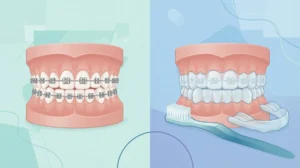
If you are using removable clear aligners instead of fixed braces, the food rules look a little different. The American Association of Orthodontists advises removing your aligners before eating or drinking anything other than tap water. Then clean your teeth before putting the aligners back in.
This helps protect your aligners from stains and keeps food from getting trapped against your teeth. Always follow your own clinician’s instructions. To learn more, read about how removable clear trays straighten your smile.
What to Do If Food Gets Stuck in Your Braces
It happens to everyone! A bit of food gets caught, and suddenly you feel like it is all you can think about. Do not panic. Here is a simple way to handle it.
- Rinse your mouth with water first. Often that is enough.
- Use a soft interdental brush or floss threader to gently clean around brackets and wires.
- Brush carefully at the gumline and around each bracket.
- Skip sharp tools like toothpicks or pins, which can hurt your gums or damage your braces.
Good cleaning habits make a big difference. Our guide on how to brush and floss with braces effectively walks you through the steps.
What to Do If a Bracket Breaks or a Wire Pokes
Even careful eaters can have an accident. If a bracket comes loose or a wire bends or pokes your cheek, stay calm and call your orthodontist. Please avoid trying to fix the appliance yourself. A DIY repair can disrupt your treatment or cause more damage.
Your care team will give you clear steps and let you know if you need to come in. For guidance on what counts as urgent, see orthodontic emergencies and when to call Dr. Chacon. If you are local, you can also contact us anytime with questions.
Quick Do’s and Don’ts Cheat Sheet
Here is a fast summary to keep handy:
- Do cut food into small, bite-size pieces.
- Do choose soft foods when your teeth feel sore.
- Do drink plenty of tap water.
- Don’t chew ice, hard candy, or gum.
- Don’t bite into hard or crusty foods with your front teeth.
- Don’t fix broken braces on your own.
For a deeper dive, you can also read Dr. Chacon’s own post on foods to avoid with braces, plus our overview of life with braces.
Stay Connected With Our Team
We love sharing smile tips, patient stories, and braces-friendly ideas online. Follow Chacon Orthodontics on Instagram and Facebook to stay in the loop. You can also connect with Dr. Omar Chacon on LinkedIn. And if you have been to our office, we would be thrilled if you would visit us on Google — Chacon Orthodontics Brandon and share your experience.
Final Thoughts: You’ve Got This!
Eating with braces is really about smart choices, not giving up everything you enjoy. Skip the hard, sticky, crunchy, and very chewy foods. Cut other foods into small pieces. Choose water most of the time, and enjoy soft comfort foods when your teeth are tender. These small habits protect your braces and keep your treatment moving forward.
Remember, every smile journey is unique, so always follow your orthodontist’s personal advice. If you have questions about your braces or your diet, we are here to help. Dr. Chacon and our team offer friendly, bilingual care in Westchase and Brandon. Ready to start your smile journey or have a question about your current treatment? Schedule your free consultation today, and let’s get you smiling with confidence!
FAQs
Q: What foods should you avoid with braces?
A: Skip hard, sticky, crunchy, and very chewy foods. Think hard candy, caramel, taffy, gum, popcorn, nuts, ice, hard pretzels, crusty bread, and chewy meats. These can loosen brackets, bend wires, or get stuck around your braces.
Q: Can you eat apples and carrots with braces?
A: Yes, with a little prep! Slice apples and pears into thin pieces, and cook or cut up crunchy veggies like carrots. This keeps the foods you love on the menu while protecting your brackets and wires.
Q: What can you eat during the first few days after getting braces?
A: Soft foods are your best friend when your teeth feel sore. Try soup, pasta, yogurt, scrambled eggs, oatmeal, mashed potatoes, and cooked vegetables until the tenderness fades.
Q: Which drinks are safe to have with braces?
A: Tap water is the best everyday choice, and the American Association of Orthodontists recommends it. Sugary and acidic drinks like soda, sports drinks, and fruit drinks can raise the risk of cavities and enamel damage, so ask your orthodontist how to enjoy them safely.
Q: What should you do if a bracket breaks while eating?
A: Stay calm and contact your orthodontist right away for instructions. Please don’t try to repair it yourself, since a DIY fix can disrupt your treatment or cause more damage.