
Key Takeaways
-
For most fixed braces patients, adjustments happen about every 6 to 8 weeks, while the broader range cited by the American Association of Orthodontists is 4 to 12 weeks depending on treatment stage.
-
Your orthodontist sets your exact timing based on how your teeth are moving and your treatment stage, so follow their schedule rather than timing visits yourself.
-
Clear aligners follow a different routine: you switch trays on your prescribed plan, and in-office checkups are scheduled separately, so the 6 to 8 week rule doesn't apply.
-
Missed or delayed visits can slow progress, so reschedule as soon as possible, and call the office right away for a loose bracket, broken wire, or wire poking your cheek.
If you just got braces, you probably have one big question: how often will I need to go back? You are not alone. Parents, teens, and busy adults all ask us this, usually while trying to plan school, work, and sports around orthodontic visits.
The short answer is simple. For most people with fixed braces, the answer to how often braces adjusted is about every 6 to 8 weeks. But the full story has a few more twists. Your own schedule depends on your teeth, your treatment stage, and the plan your orthodontist builds just for you.
In this friendly guide, we walk through 13 clear answers. You will learn what happens at each visit, why timing changes, and what to do if something breaks between appointments. We will also look at how clear aligners work differently. Let’s get your questions answered so you can smile with confidence.
1. The Typical Answer: Every 6 to 8 Weeks
For conventional fixed braces, most orthodontists schedule visits about every 6 to 8 weeks. This is the most common rhythm, and the NHS describes the same range for patients with fixed braces.
Why this timing? Teeth need time to respond to gentle pressure. If we adjusted braces too often, your teeth would not have time to move. Waiting a few weeks lets the wires do their job.
Think of it like watering a garden. You do not pour water on the plants every hour. You give them time to soak it in and grow.

2. The Broader Range: 4 to 12 Weeks
The American Association of Orthodontists gives a wider window. They say adjustment visits happen roughly every 4 to 12 weeks, depending on the stage of treatment.
So if your friend goes every 5 weeks and you go every 8, that is perfectly normal. A research summary from the NHS also notes that clinicians may schedule visits from about 4 to 10 weeks. There is no single universal rule.
3. Your Treatment Stage Changes the Timing
Early, middle, and late treatment can all look different. Here is a simple way to picture it:
- Early stage: Visits may focus on lining up crowded teeth with lighter wires.
- Middle stage: Stronger wires may be added to close gaps and fix the bite.
- Final stage: Visits focus on fine-tuning and getting every tooth just right.
Each stage has its own needs. That is why your orthodontist, not a calendar app, sets your timing.
4. What Actually Happens at an Adjustment Visit
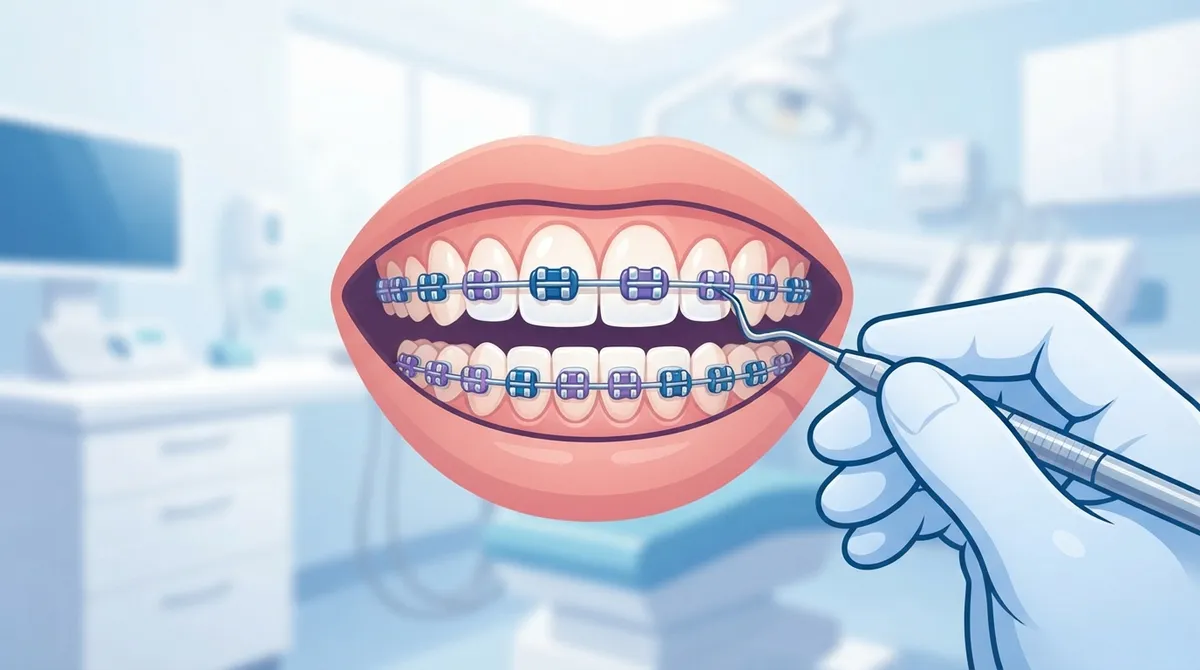
Many people picture a big tightening session. In real life, visits are usually quick and calm. Here is what a typical appointment looks like:
- The team checks how your teeth have moved since last time.
- They look at your gums and teeth for signs of plaque or irritation.
- They may remove the old elastic ties or change the archwire.
- They adjust any parts of the braces that need attention.
- They place fresh elastic ties, which is where you can pick fun colors.
- They go over any tips for brushing, flossing, and care at home.
Most visits are short, so they fit well around school and work schedules. Curious about the full journey? Our guide on what really happens during braces tightening goes step by step.
5. Some Visits Are Just Check-Ins
Here is something that surprises many families. Not every appointment involves a big change. Some visits are mainly monitoring visits, where your orthodontist checks progress and confirms everything is on track.
That is a good thing! It means your treatment is moving along as planned. A quick check-in still matters because it catches small problems before they grow.
6. Quick Comparison: Braces Visit Timing at a Glance
| Source or Situation | Typical Visit Timing | What It Means |
|---|---|---|
| Most fixed braces patients | Every 6 to 8 weeks | The common, everyday schedule |
| American Association of Orthodontists | Every 4 to 12 weeks | Broader range based on treatment stage |
| NHS research summary | About 4 to 10 weeks | No single universal interval |
| Broken or loose part | As soon as the office can see you | Repair visit, not a replacement for your next checkup |
7. Why Your Schedule May Be Different From Someone Else’s
Two people can get braces on the same day and still have different calendars. Several things can change your timing:
- How quickly your teeth are moving
- The type of appliance you have
- Whether a bracket or wire needs repair
- The specific plan Dr. Chacon builds for your smile
The best advice? Follow your own orthodontist’s schedule instead of trying to time things yourself. Skipping ahead or stretching out visits can slow your progress.
8. How Clear Aligners Work Differently
Clear aligners do not follow the same pattern as fixed braces. With aligners, you switch to a new set of trays based on your prescribed plan. Your in-office checkups are scheduled separately.
So please do not assume the 6 to 8 week rule applies to aligners. Your orthodontist will tell you how often to swap trays and when to come in. To learn more, read how clear trays straighten your smile, or compare options in our guide to braces vs clear aligners for teens.
9. Teens: Planning Visits Around a Busy Life
If you are a teen, you probably juggle classes, practice, and a social life. Good news: braces visits can fit into that. Many families schedule appointments ahead of time and plan around big tests or games.
The key is to keep your appointments. Showing up on time means your treatment stays on track, and you may finish closer to your goal date. For more teen-friendly tips, see the top benefits of braces for teens.
10. Adults: Keeping It Low-Key at Work
Working adults often worry that braces will eat up their calendar. With visits spaced weeks apart, most adults find it very manageable. A short appointment every couple of months can slip into a lunch break or an early morning.
Many adults also look at lower-profile options. You can explore your choices in our guide to discreet braces options for adults.
11. What If You Miss or Delay an Appointment?
Life happens. A missed visit is not the end of the world, but it can slow things down. Your wires may stay in place longer than planned, and your teeth may not move as smoothly.
If you need to reschedule, call the office as soon as you can. We will help you find the next best time. Staying close to your schedule is the easiest way to keep your treatment on track.
12. When to Call Between Visits
Some things should not wait for your next scheduled visit. Call your orthodontic office if:
- A bracket or band comes loose or breaks
- A wire is poking your cheek or gums
- You feel significant or worsening discomfort
An urgent repair visit may be needed, but it does not always replace your next planned checkup. Not sure if it is an emergency? Read about orthodontic emergencies and when to call Dr. Chacon, or see our tips for a broken braces bracket.
13. Soreness After an Adjustment: What’s Normal
Mild pressure or soreness after a visit is common. It usually shows up within a day and settles in a few days. Soft foods, a cool drink, and an over-the-counter pain reliever (if your care team says it is okay) often help.
If pain is severe, keeps getting worse, or does not fade, let the orthodontic team know. You can also read what Dr. Chacon says about braces discomfort and our list of braces-friendly snacks for those tender days.
Tips to Make Every Visit Count
You can help your treatment move smoothly. A few simple habits go a long way:
- Brush and floss well so your teeth and gums stay healthy
- Wear any elastics exactly as directed
- Skip hard, sticky foods that can break brackets
- Bring a list of questions to each visit
Good habits help your orthodontist make real progress at every appointment. If you want to learn more about the full timeline, check out our guide on how long braces treatment takes.
Bilingual Care for Westchase and Brandon Families
At Chacon Orthodontics, we know that clear communication makes treatment easier. Dr. Omar Chacon is a board-certified orthodontist who speaks both English and Spanish, so families in Westchase and Brandon can ask questions and get answers in the language they prefer. Want to see what neighbors say? Visit our Chacon Orthodontics West Chase page on Google to read patient reviews. You can also follow along on Instagram, join us on Facebook, or connect with Dr. Chacon on LinkedIn.
Final Thoughts: Trust Your Orthodontist’s Schedule
So, how often are braces adjusted? For most people, it is about every 6 to 8 weeks, with a wider range of 4 to 12 weeks depending on your stage of treatment. The best schedule is the one your orthodontist builds for you.
Keep your appointments, take good care of your braces, and call us when something does not feel right. That is the recipe for a healthy, confident smile.
Ready to take the first step or have questions about your own schedule? Book your free consultation today, or contact us and our friendly team will be happy to help.
FAQs
Q: How often do braces need to be tightened or adjusted?
A: Most people with fixed braces visit about every 6 to 8 weeks, though the American Association of Orthodontists notes a wider 4 to 12 week range. Your orthodontist sets the exact timing based on your treatment stage, so follow the schedule they give you.
Q: What happens if I miss or delay a braces appointment?
A: Missing a visit can slow your progress, since your teeth may not move as planned. Call the office as soon as you can to reschedule, and we will get you back on track.
Q: Should I call my orthodontist if a bracket breaks between appointments?
A: Yes, please do! A loose bracket, a broken wire, or a wire that pokes your cheek should be checked by the office. An urgent repair visit may be needed, but it does not always replace your next planned checkup.
Q: How often do you have checkups with clear aligners?
A: Clear aligners follow a different routine than fixed braces. You switch trays based on your prescribed plan, and your in-office checkups are scheduled separately, so your orthodontist will tell you exactly when to come in.
Q: Is soreness after a braces adjustment normal?
A: Yes, mild pressure or soreness is common after an adjustment and usually settles within a few days. If the pain is severe, keeps getting worse, or does not go away, reach out to your orthodontic team.