
Key Takeaways
-
Family orthodontists treat all ages under one roof, eliminating multiple office visits and appointment coordination while allowing one team to understand your family's unique developmental needs at each stage.
-
The American Association of Orthodontists recommends first evaluations by age 7, which catches issues like crowding and crossbites early—most children don't need immediate treatment, just monitoring or targeted Phase 1 interceptive care.
-
Modern treatment options include traditional braces, ceramic braces, and clear aligners, allowing teens and adults to choose discreet options that fit their lifestyle without sacrificing effectiveness.
-
Trustworthy family orthodontists provide transparent cost breakdowns, explain insurance coverage upfront, offer flexible payment plans, and give free consultations so families can compare options without surprise expenses.
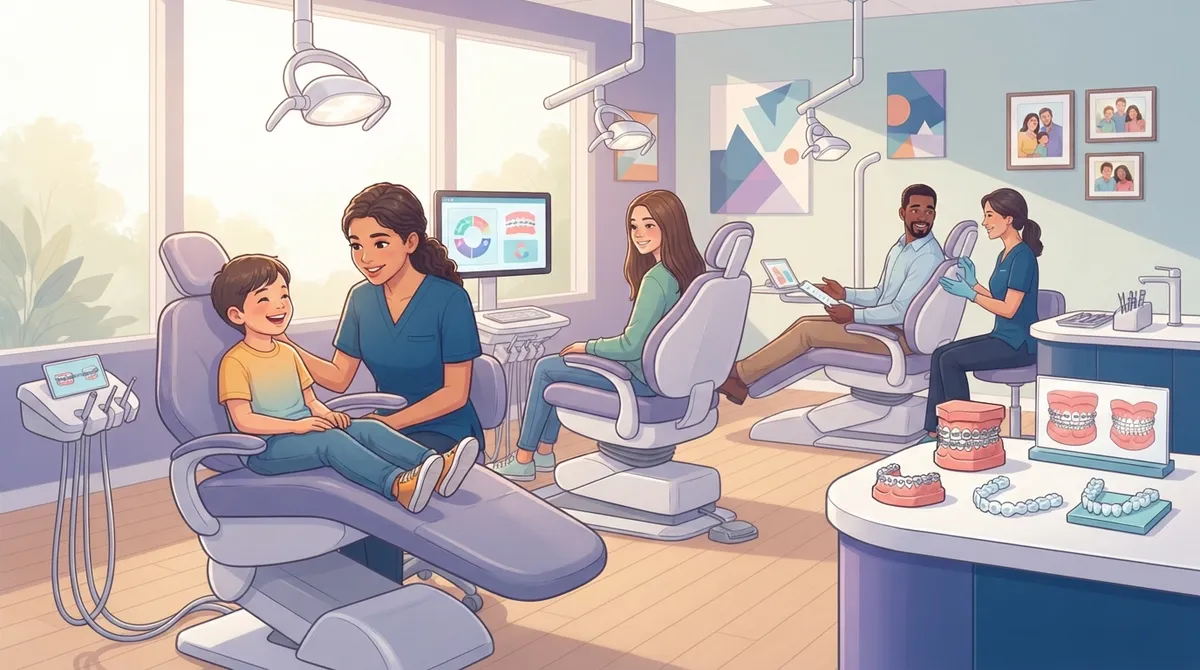
Picture this: your seven-year-old needs a check-up, your teenager wants braces that won’t embarrass them at school, and you’ve been dreaming about straighter teeth for years. Wouldn’t it be nice if one friendly office could handle all of that? That’s exactly what a family orthodontist does, and it might be one of the best decisions you make for your household’s smiles this year.
Finding the right family orthodontist isn’t just about convenience, though that matters a lot when you’re juggling work, school, and soccer practice. It’s about trusting one team to understand your family’s unique needs at every age and stage. In Brandon and Westchase, Florida, families have found that having one trusted practice for kids, teens, and adults makes orthodontic care feel a lot less overwhelming. Let’s walk through six clear signs you’ve found a family orthodontist worth sticking with.
1. They Treat Every Age Group, From Kids to Grandparents
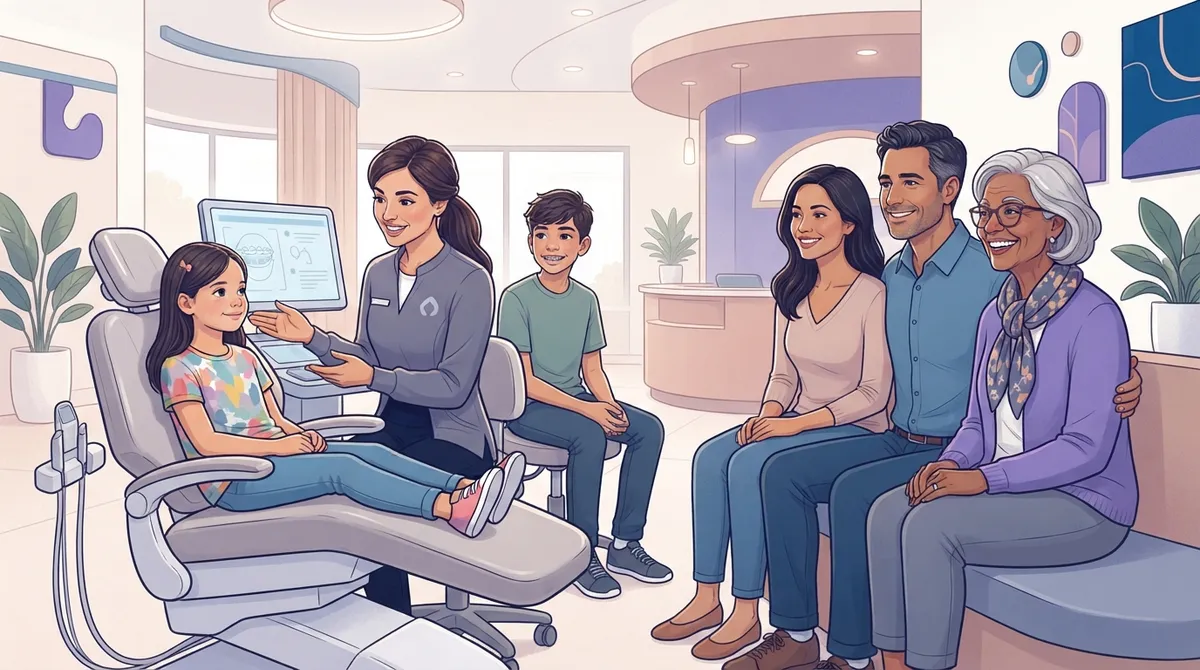
A true family orthodontist welcomes patients of all ages under one roof. This means your seven-year-old, your teenager, and even you can all be seen at the same practice. No more juggling multiple offices or explaining your family’s dental history over and over again.
This matters because orthodontic needs change dramatically as we grow. A child’s jaw is still developing, a teen’s permanent teeth are coming in, and an adult’s treatment often focuses on lifestyle and appearance. A skilled family orthodontist knows how to adjust their approach for each person sitting in the chair. You can learn more about how treatment for children differs from care designed for adults seeking a straighter smile.
Why This Saves Families Time and Stress
When one office handles everyone, you’re not stuck coordinating five different appointment calendars. Siblings can often be scheduled together, and parents can knock out their own consultation on the same day. It’s a small thing, but busy families know how much those small things add up.
2. They Follow Trusted Guidelines for Early Evaluations
The American Association of Orthodontists recommends that children get their first orthodontic check-up by age 7. This isn’t about rushing your child into braces. It’s simply a smart screening step while their jaw and teeth are still developing.
Here’s something reassuring: most kids screened at age 7 don’t need treatment right away. According to AAO guidance, there are generally three outcomes after this first visit:
- No treatment needed at this time, just a healthy smile in progress
- Periodic monitoring to keep an eye on growth and development
- Interceptive treatment if a problem can be improved while your child is still growing
A good family orthodontist explains these outcomes clearly, without pressuring you into unnecessary treatment. If you’re wondering whether it’s time for that first visit, this guide on early signs you need braces can help you know what to look for at home.
What Early Evaluation Can Catch
During this first visit, the orthodontist checks for crowding, crossbites, overbites, underbites, open bites, and even oral habits like thumb-sucking that could affect development. Catching these early doesn’t guarantee your child skips treatment altogether, but it does give the orthodontist a head start on planning.
3. They Offer Interceptive Treatment When It Actually Helps
Sometimes a child’s evaluation reveals a problem that can be improved while they’re still growing. This is often called Phase 1 or interceptive treatment. It’s different from full treatment because it targets a specific issue at just the right developmental window.
Common interceptive options include:
- Palatal expanders to widen a narrow upper jaw
- Limited braces to guide specific teeth into better position
- Removable appliances for gentle, targeted correction
- Space maintainers to hold room for permanent teeth
It’s important to know that early treatment doesn’t always prevent the need for braces later. Some children still need comprehensive treatment as teens, even after Phase 1 care. A trustworthy family orthodontist will be honest about this instead of overselling results. Our page on early orthodontic treatment breaks down how this works in more detail.
4. They Offer Modern Options for Teens and Adults Alike
Braces have come a long way, and a good family orthodontist keeps up with the times. Whether your teenager wants something discreet for prom photos or you’re an adult professional who doesn’t want metal brackets showing up in every meeting, options exist for everybody.
| Treatment Option | Best For | Key Benefit |
|---|---|---|
| Traditional metal braces | Kids, teens, complex cases | Durable, effective, customizable colors |
| Ceramic or clear braces | Teens and adults wanting subtlety | Less noticeable than metal |
| Clear aligners | Teens and adults with busy schedules | Removable, nearly invisible |
| Retainers | Everyone post-treatment | Keeps your new smile in place long-term |
Curious which route fits your lifestyle best? This comparison of braces versus clear aligners for teens is a great place to start, and adults can check out how removable aligners straighten smiles discreetly.
Why Adults Are Choosing Orthodontic Care Too
More working adults than ever are choosing to fix their smiles later in life. Many appreciate that a family orthodontist understands their need for low-profile treatment that fits around meetings, presentations, and daily life. If you’ve been putting off treatment because you thought you missed your window, you haven’t. Adult orthodontics is more popular now than it’s ever been.
5. They Communicate Clearly, in the Language Your Family Prefers
Good orthodontic care starts with good communication. If English isn’t your family’s first language, or if you simply feel more comfortable discussing your child’s treatment plan in Spanish, this matters a great deal.
Bilingual practices remove a huge barrier for many families in the Westchase and Brandon communities. Clear communication means you fully understand:
- What the diagnosis means for your child or yourself
- Why a specific treatment is being recommended
- How long treatment is expected to take
- What it will cost and what your insurance covers
When you can ask questions in your preferred language and get answers that actually make sense, you feel more confident in the care your family receives. Dr. Omar Chacon and the team at Chacon Orthodontics offer bilingual service in English and Spanish, making this kind of clear communication a cornerstone of their practice.
6. They’re Upfront About Cost, Insurance, and Payment Options
Let’s be honest, cost is often the biggest question on every parent’s mind. A trustworthy family orthodontist doesn’t dodge this conversation. They walk you through your options clearly and help you plan without surprises.
Here’s what to look for when evaluating cost transparency:
- Clear breakdown of treatment costs before you commit
- Information on whether your dental insurance applies
- Flexible payment plans for families on a budget
- Honest answers about what affects total treatment cost, like complexity and duration
Many practices, including Chacon Orthodontics, offer a free consultation so you can get real answers before spending a dime. This lets you compare treatment plans and costs without pressure, which is especially helpful for families managing multiple orthodontic patients at once.
What to Bring to Your Consultation
To make the most of your visit, bring your insurance information, a list of questions, and any previous dental records if you have them. This helps the orthodontist give you the most accurate estimate and timeline right from the start.
Choosing the Right Family Orthodontist for Your Household
At the end of the day, orthodontic treatment is a personal decision that should be based on an in-person exam and proper diagnostic records, not guesswork or generic advice. A qualified, board-certified orthodontist can look at your family’s specific needs and build a plan that actually fits.
Families in Brandon and Westchase have found real comfort in working with a practice that understands both the science of a healthy bite and the everyday realities of busy family life. You can read more about what makes a practice family-friendly by checking out how families trust Chacon Orthodontics in the Westchase area, or explore options for custom braces for kids, teens, and adults.
Following the team on Instagram or Facebook is also a nice way to see real patient transformations and get a feel for the practice’s personality before booking your first visit. You can also connect with Dr. Omar Chacon on LinkedIn to learn more about his professional background and years of experience.
Bringing It All Together
Choosing a family orthodontist is about more than convenience. It’s about trust, communication, and knowing your loved ones are in good hands at every age. From that first screening at age 7 to a confident new smile in adulthood, the right practice makes the whole journey feel manageable and even enjoyable.
If you’re in the Brandon area and ready to see what personalized, bilingual, family-focused orthodontic care looks like, see what our Chacon Orthodontics Brandon patients say for themselves on Visit us on Google — Chacon Orthodontics Brandon. Every smile in your family deserves a plan built just for them, and we’d love to help you get started with a free consultation today.
FAQs
Q: What does a family orthodontist do?
A: A family orthodontist evaluates and treats patients of all ages, from young children to adults, all within one friendly practice. They assess tooth alignment, jaw growth, and bite function, then recommend monitoring or treatment based on what’s best for each family member.
Q: At what age should a child first see an orthodontist?
A: The American Association of Orthodontists recommends kids have their first orthodontic check-up by age 7. Don’t worry though, this is just a screening visit, and most children won’t need treatment right away.
Q: Does every child screened at age 7 need braces?
A: Not at all! Many kids are simply monitored as they grow, while only some need early interceptive treatment. It really depends on each child’s unique development.
Q: What is the difference between Phase 1 and comprehensive orthodontic treatment?
A: Phase 1, or interceptive treatment, targets specific developing issues while a child is still growing, like a narrow jaw. Comprehensive treatment usually comes later and addresses the full alignment of teeth and bite once more permanent teeth have come in.
Q: How much does family orthodontic treatment cost, and does dental insurance cover it?
A: Costs vary quite a bit depending on the treatment type and complexity, so it’s best to get a personalized estimate. Many dental insurance plans offer partial coverage, and most family orthodontist offices offer payment plans to help make treatment more affordable.