Key Takeaways
-
Get transparent upfront quotes that include all costs (consultations, appliances, adjustments, retainers, emergency visits) to avoid hidden fees that make treatment appear cheaper than it actually is.
-
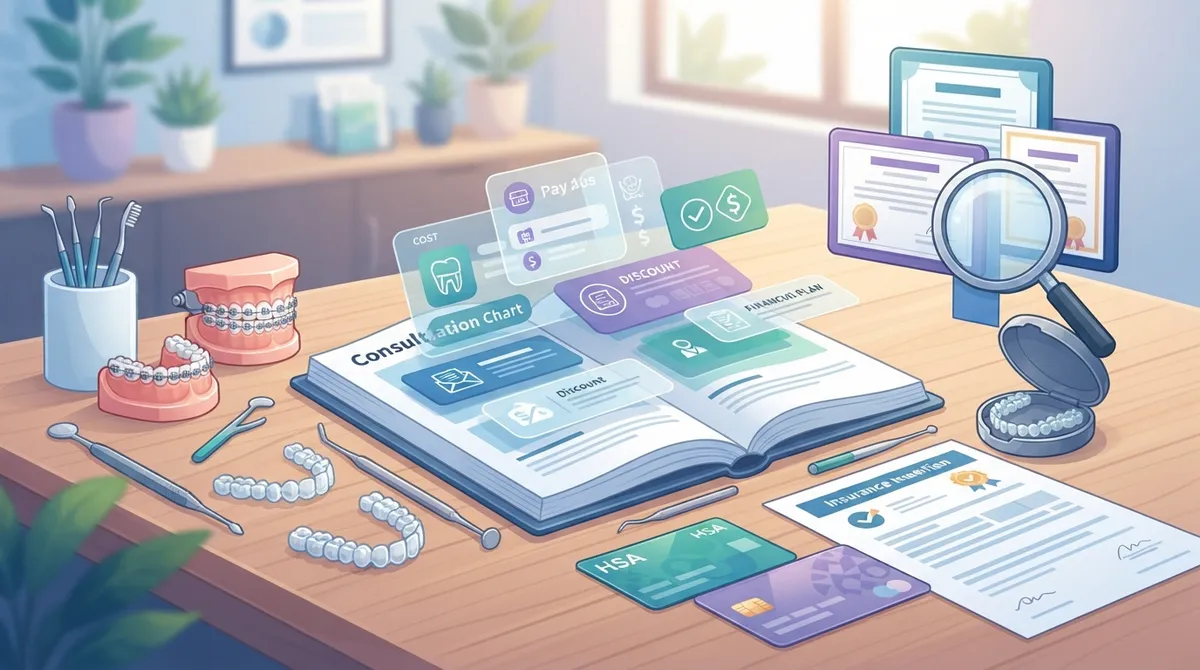
Use pre-tax dollars through HSA/FSA accounts and dental insurance benefits (typically covering 25-50% up to $1,000-$3,000) to significantly reduce out-of-pocket costs before exploring payment plans.
-
Compare multiple treatment options and providers, as metal braces average ~$6,343 while clear aligners cost ~$5,108—and getting 2-3 quotes reveals substantial price variations for the same complexity.
-
Verify your provider is a board-certified orthodontist with proper credentials and experience, not just a general dentist offering orthodontic services, to ensure quality care and avoid treatment complications.
Let’s be honest: the word “orthodontist” can make your wallet feel a little nervous. Maybe you’ve been putting off that consultation because you’re picturing a scary bill. Take a deep breath, friend, because getting a straighter smile doesn’t have to drain your savings account. An affordable orthodontist isn’t just the office with the cheapest sign out front. It’s about finding real value: honest pricing, quality care, and a payment plan that actually fits your life. Whether you’re a parent watching your child’s teeth come in crooked, a teen who wants a confident smile for prom pictures, or a busy professional finally ready to fix that gap you’ve hated since high school, this guide is for you. We’re breaking down exactly how to find quality, budget-friendly orthodontic care in 2026, without cutting corners on your health. Let’s get into it.

1. Understand What “Affordable” Really Means
Here’s a little secret: the lowest advertised price isn’t always the best deal. An affordable orthodontist is one where the total cost, once everything is included, fits your budget without sacrificing quality care. Price depends on your treatment complexity, the type of appliance you choose, your location, and how experienced your provider is.
Some offices quote a shockingly low number, then tack on fees for records, retainers, or emergency visits later. That’s not actually affordable. It just moves the cost around. A trustworthy orthodontist will give you one clear number upfront so there are no surprises. To learn more about what shapes your treatment plan, check out this guide on understanding teeth positioning and fixing alignment issues.
2. Compare Treatment Types and Their Price Ranges
Not all orthodontic treatments cost the same. Knowing your options helps you plan your budget wisely.
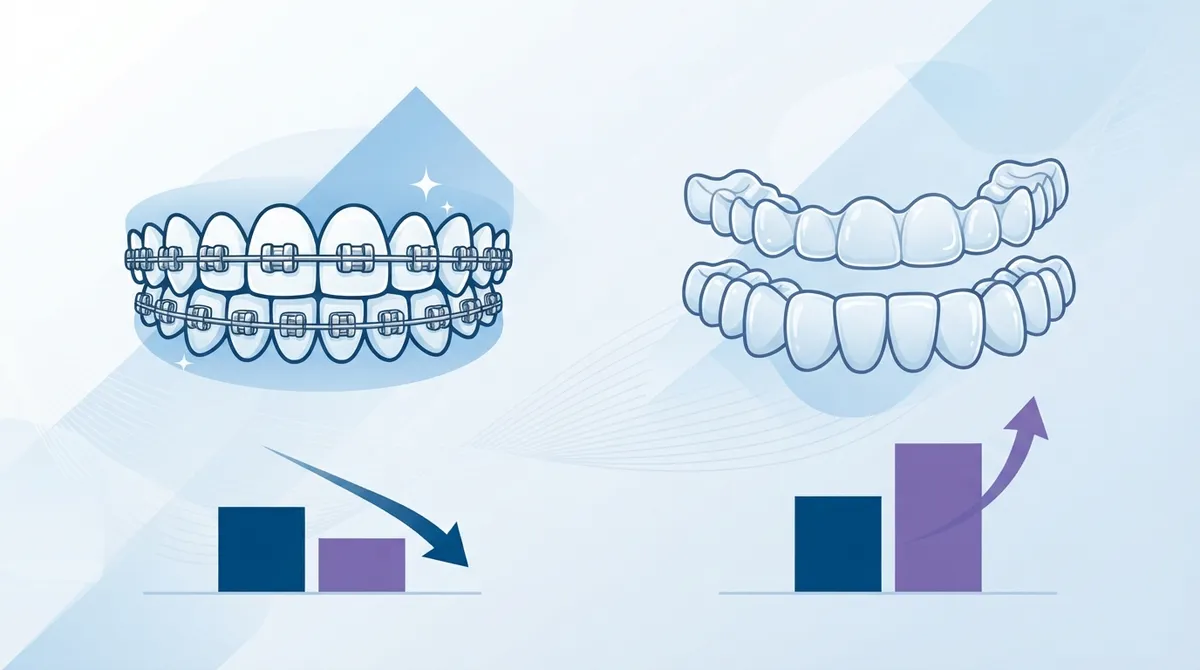
| Treatment Type | Average Cost Range | Best For |
|---|---|---|
| Metal Braces | ~$6,343 (avg.) | Complex cases, budget-conscious families |
| Ceramic Braces | ~$5,834 (avg.) | Teens and adults wanting a subtler look |
| Clear Aligners | ~$5,108 (avg.) | Adults and teens wanting discreet treatment |
| Lingual Braces | ~$9,221 (avg.) | Patients wanting braces hidden behind teeth |
These are national averages based on 2026 CareCredit fee data, so your local quote may look different. Traditional braces are often the most budget-friendly comprehensive option, while removable aligners can sometimes overlap in price depending on your case. If you’re weighing your options, this comparison of braces vs. clear aligners can help you decide what fits your life best.
3. Ask What’s Actually Included in Your Quote
A good quote should feel like an open book, not a mystery novel. Before you commit, make sure your treatment estimate clearly spells out:
- Initial consultation and diagnostic records (X-rays, scans, photos)
- Appliance placement (braces or aligner trays)
- Routine adjustment visits throughout treatment
- Any mid-treatment refinements
- Emergency visit coverage
- Retainers after treatment is complete
- Post-treatment follow-up appointments
If a price seems too good to be true, ask what’s missing. Some rock-bottom offers skip retainers or follow-up care entirely, which can cost you more down the road. A transparent free orthodontist consultation is a great way to get all your questions answered before you sign anything.
4. Check Your Dental Insurance Benefits
Many people don’t realize orthodontic coverage is often separate from regular dental insurance. It’s worth a phone call to your provider before you assume you’re on your own.
Here’s what typically applies:
- Private plans often reimburse 25% to 50% of eligible costs
- Most plans include a lifetime orthodontic maximum, commonly $1,000 to $3,000
- Coverage may depend on your age, appliance type, and whether treatment is in-network
- Some plans have waiting periods before orthodontic benefits kick in
One study cited by Invisalign found that among more than 112,000 insured patients, average coverage was around $1,772, with 92% of plans covering up to $3,000. Learn more about your options directly from Invisalign’s guide to insurance and payment options. For a deeper local breakdown, see our article on how dental insurance covers orthodontic treatment.
5. Use Your HSA or FSA Funds
If you have a Health Savings Account or Flexible Spending Account, you’re sitting on a great tool for affordable orthodontic care. These accounts let you pay with pre-tax dollars, which can meaningfully lower your real out-of-pocket cost.
For 2025, the IRS allowed up to $3,300 in an employee health FSA, up to $4,300 for an individual HSA, and up to $8,550 for a family HSA. Confirm your specific limits and rules with your plan administrator, since eligibility and rollover rules can vary.
6. Explore In-House Payment Plans
Many orthodontic offices, including practices right here in the Westchase and Brandon areas, offer in-house financing. These plans often break your total fee into manageable monthly payments over 12 to 24 months, sometimes with little or no interest.
Here’s how to evaluate a payment plan wisely:
- Ask for the total repayment amount, not just the monthly figure
- Confirm whether interest is charged, and if it’s deferred or accrues immediately
- Check if a down payment is required
- Ask what happens if you miss a payment
- Compare the in-house plan against third-party financing options
Third-party financing can sometimes stretch payments out to 60 or even 72 months, which lowers your monthly bill but may increase total interest paid. Always compare the full picture before choosing. Our guide on orthodontic payment plans and affordable options breaks this down further.
7. Look Into Medicaid and Public Assistance Programs
For families with children, Medicaid may cover orthodontic treatment when it’s considered medically necessary, though rules vary a lot by state. Adult orthodontic coverage under Medicaid is generally much more limited.
If you think your child might qualify, ask your orthodontist’s office to help confirm eligibility and gather the paperwork needed. It’s worth checking, since medically necessary treatment (like severe bite problems) is treated differently than purely cosmetic requests.
8. Choose In-Network Providers When Possible
Staying in-network with your dental insurance can significantly reduce your costs. Out-of-network providers might still be excellent, but you’ll likely pay more out of pocket.
Before booking, call your insurance company and ask for a list of in-network orthodontists near you. Then compare a few consultations to see who offers the best combination of price, experience, and communication style.
9. Don’t Skip the Credentials Check
Saving money is smart, but cutting corners on qualifications is not. Always verify that your provider is a licensed, board-certified orthodontist, not just a general dentist offering orthodontic add-ons.
Here’s why credentials matter so much:
- Board-certified orthodontists complete years of additional specialized training
- They’re better equipped to handle complex bite and alignment issues
- They typically offer more advanced technology and treatment options
- Proper supervision reduces your risk of treatment delays or complications
Dr. Omar Chacon of Chacon Orthodontics is a great example of what to look for: over a decade of experience, board certification, and a genuine passion for patient care. Learn more about why choosing a board-certified orthodontist makes all the difference before you commit to a treatment plan.
10. Get Multiple Quotes Before Committing
Just like you’d shop around for a car or a mortgage, it pays to get more than one orthodontic quote. Treatment complexity, technology used, and included services can vary a lot between offices, even in the same city.
When comparing quotes, ask each office the same set of questions:
- What is the total fee, and what does it include?
- Are retainers included after treatment?
- What happens if I need an emergency visit?
- Do you offer in-house financing or work with third-party lenders?
- Is a free consultation available before I commit?
This approach helps you avoid surprises and gives you real leverage to find the best value, not just the lowest sticker price.
11. Ask About Bilingual and Family-Friendly Care
For many families in the Westchase and Brandon communities, communication matters just as much as cost. Bilingual care in English and Spanish means fewer misunderstandings about your treatment plan, your costs, and your options.
At Chacon Orthodontics, care is designed to feel comfortable for the whole family, no matter which language you speak at home. If you’re searching for a welcoming, communicative practice, you can get in touch with our team to schedule a visit. You can also visit us on Google — Chacon Orthodontics West Chase to see what real patients are saying about their experience.
12. Book a Free Consultation Before You Decide
The single best way to figure out your real, personalized cost is to sit down (or hop on a video call) with an orthodontist and ask questions. A free consultation lets you see your treatment plan, ask about financing, and get a genuine feel for the practice’s communication style, all before spending a dime.
Whether you’re a parent exploring early signs your child needs braces, a teen weighing your options, or an adult professional finally ready for a confident smile, this step costs you nothing and tells you everything. Follow Chacon Orthodontics on Instagram or Facebook for real patient transformations and updates on current offers.
Final Thoughts on Finding Affordable Orthodontic Care
Finding an affordable orthodontist isn’t about hunting for the cheapest price tag. It’s about understanding your full costs, using your benefits wisely, and choosing a provider you truly trust. With the right research and a little planning, a confident, healthy smile is more within reach than you might think.
Ready to see your options for yourself? Schedule your free consultation today and take the first step toward a smile you’ll love, without the financial stress. You can also connect with Dr. Chacon’s professional background on LinkedIn to learn more about his experience and approach to patient care.
FAQs
Q: How much does an affordable orthodontist cost?
A: It really depends on your case, but uninsured treatment often ranges from about $3,000 to $8,000 depending on the appliance you choose. The best way to know your real number is to get a personalized quote, since complexity, location, and included services all play a role.
Q: What is the cheapest way to get braces?
A: Traditional metal braces are usually the most budget-friendly comprehensive option compared to ceramic or lingual braces. Combining that with insurance benefits, HSA or FSA funds, and an in-house payment plan can make treatment even more manageable.
Q: Does dental insurance cover braces or Invisalign?
A: Many dental plans offer a separate orthodontic benefit, often covering 25% to 50% of costs up to a lifetime maximum. Coverage varies a lot by plan, so it’s worth calling your insurance provider to confirm your specific benefits before starting treatment.
Q: Are payment plans available for braces and clear aligners?
A: Yes! Many orthodontic offices, including practices in the Westchase and Brandon areas, offer in-house payment plans that spread your total cost over monthly installments. Some plans offer little to no interest, so it’s worth asking about the full repayment terms.
Q: Does Medicaid cover orthodontic treatment for children or adults?
A: Medicaid may cover medically necessary orthodontic treatment for children, though rules vary significantly by state. Adult coverage under Medicaid is typically much more limited, so it’s best to check your state’s specific guidelines directly.