Key Takeaways
-
The American Association of Orthodontists recommends children get their first orthodontic check-up by age 7 to catch problems like crowding or crossbites while the jaw is still growing, often resulting in shorter and simpler treatment later.
-
Most orthodontic treatment takes 12-24 months, but timeline depends on case complexity; attending appointments every 4-10 weeks and following care instructions (wearing elastics, avoiding certain foods) directly impacts treatment speed.
-
Traditional braces cost $3,000-$8,000 in the US, but many dental insurance plans cover a portion for children, and most orthodontic practices offer flexible payment plans to make treatment manageable for families on a budget.
-
Nearly one in three orthodontic patients today is an adult choosing clear aligners or other discreet options for professional settings; adults can get braces at any age as long as teeth and gums are healthy.
-
Retainers are essential after braces come off because teeth naturally shift back to original positions; wearing retainers long-term or lifelong is required to maintain results, with options including removable and fixed styles.
-
Maintaining excellent oral hygiene during braces treatment is critical; brushing after meals, daily flossing with proper tools, and avoiding sugary/sticky foods prevents white spots, decay, and gum swelling that can affect tooth-supporting bone.
Noticing crowded teeth, a shifting bite, or a smile that just doesn’t feel quite right? You’re not alone. Thousands of families in Westchase and Brandon ask themselves the same question every year: is it time to see a braces orthodontist? The good news is that figuring out the answer doesn’t have to be stressful or confusing.
A braces orthodontist is a dental specialist trained to diagnose and treat alignment and bite problems using braces, aligners, and other tools. Whether you’re a parent watching your child’s growing smile, a teen who wants straighter teeth without feeling self-conscious, or an adult finally ready to invest in your confidence, knowing when and why to see an orthodontist can save you time, money, and unnecessary worry. This guide walks you through everything you need to know, from your first visit to what happens after your braces come off.
What Exactly Does a Braces Orthodontist Do?
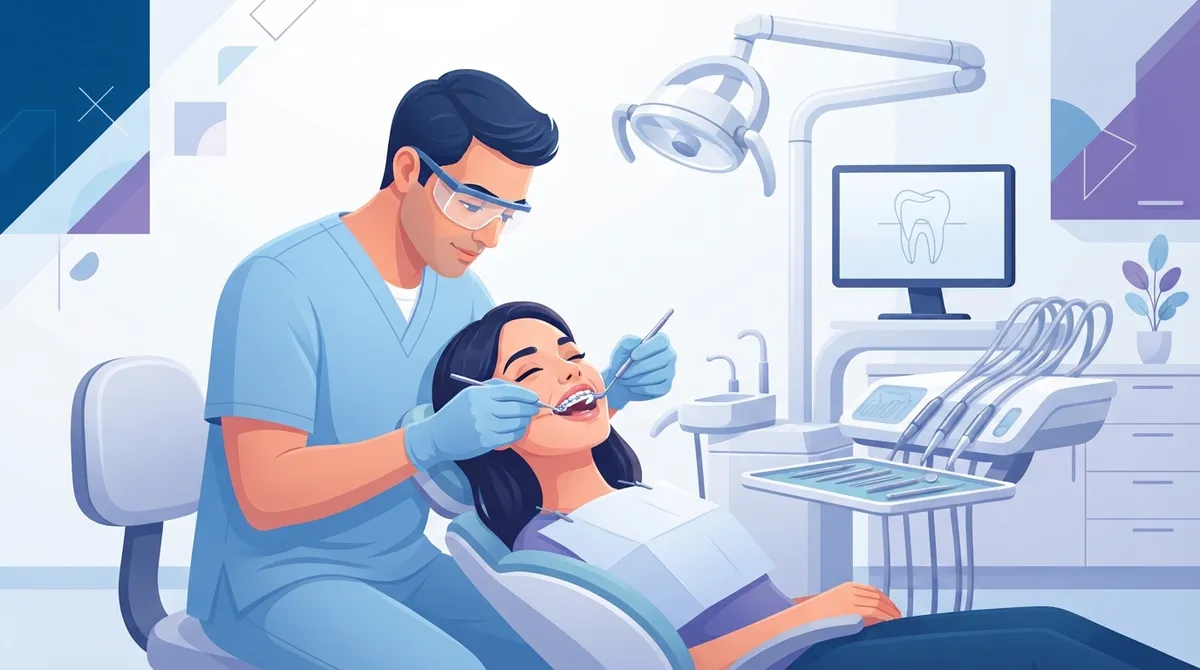
An orthodontist is a dental specialist who focuses on fixing crooked teeth, bad bites, and jaw alignment issues. They go through extra years of training beyond dental school, so they’re specifically skilled at moving teeth safely and effectively.
Traditional braces use small brackets, bands, and wires. These parts work together to apply gentle, steady pressure that slowly shifts your teeth into place. Depending on your case, your orthodontist might also use rubber bands, palate expanders, or other special appliances to guide your bite into a healthier position.
Braces can fix a wide range of issues, including:
- Crowded or overlapping teeth
- Gaps and spacing problems
- Overbites, underbites, and crossbites
- Crooked or rotated teeth
- Certain jaw alignment concerns
The right treatment depends on your age, oral health, and how complex your case is. That’s why a proper evaluation matters so much. If you’re curious about your options, understanding teeth positioning and alignment issues is a great place to start.
When Should Kids First See an Orthodontist?
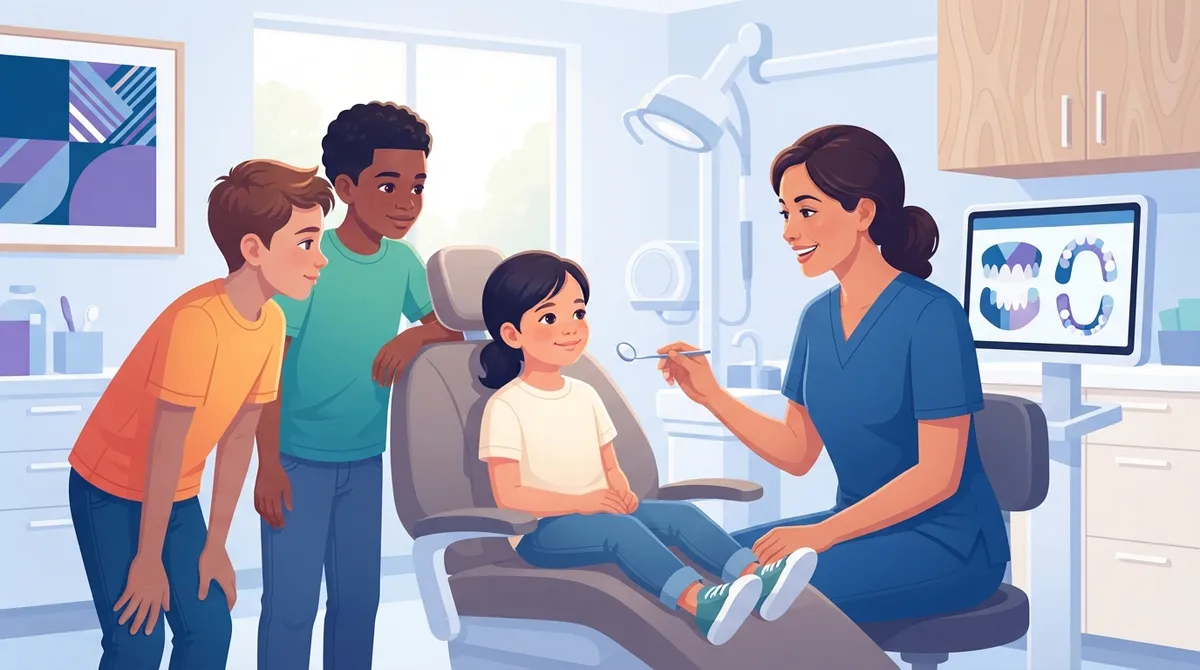
Here’s something many parents don’t know: the American Association of Orthodontists recommends kids get their first orthodontic check-up by age 7. That sounds early, right? But this visit isn’t about getting braces right away.
Instead, it’s about catching problems while your child’s jaw is still growing. Early evaluation lets your orthodontist spot issues like crowding, crossbites, or thumb-sucking habits before they become bigger problems. Sometimes treatment starts right away. Other times, your orthodontist will simply keep an eye on things until your child is a little older.
If you’re a parent wondering what to look for, check out these early signs your child may need braces. Catching problems early often means shorter, simpler treatment later on. You can also learn more about how early orthodontic treatment can save time and money down the road.
Braces Options for Every Age and Lifestyle
Not everyone wants the same type of braces. Thankfully, today’s orthodontic care offers plenty of choices, no matter your age or daily routine.
For Kids and Teens
Traditional metal braces remain a popular, reliable choice for younger patients. They’re durable, effective, and often come in fun colors that let kids express their personality. Teens juggling sports, school, and social lives also love that braces require little daily maintenance beyond good brushing habits. If your teen wants something more discreet, clear aligners might be worth exploring, too. Take a look at how braces compare to clear aligners for teens to figure out the best fit.
For Working Adults
Adults have unique needs. Many prefer low-profile options that fit seamlessly into a professional setting. Clear aligners are especially popular among busy professionals who want results without anyone noticing. In fact, nearly one in three orthodontic patients today is an adult, according to industry data from the American Association of Orthodontists. If you’ve been putting off treatment because of your career, it’s worth learning why so many adults are choosing orthodontic treatment later in life.
Comparing Common Treatment Options
| Treatment Type | Best For | Visibility | Typical Duration |
|---|---|---|---|
| Metal Braces | Kids, teens, complex cases | Visible | 12–24 months |
| Ceramic Braces | Teens, adults wanting subtlety | Less visible | 12–24 months |
| Clear Aligners | Teens and adults with mild-moderate cases | Nearly invisible | 6–18 months |
| Retainers | Post-treatment maintenance | Varies | Long-term or lifelong |
Curious about the removable option? Here’s a closer look at how clear trays straighten your smile without traditional metal brackets.
What Happens During Your First Orthodontist Visit
Walking into your first orthodontic appointment can feel a little nerve-wracking, especially if you’re not sure what to expect. Let’s break it down step by step so you feel prepared and at ease.
- Initial exam: Your orthodontist will look at your teeth, gums, and jaw to understand your unique situation.
- Photos and scans: Digital images or dental impressions help create an accurate picture of your smile.
- X-rays if needed: These reveal what’s happening below the surface, including tooth roots and jaw structure.
- Personalized treatment plan: Your orthodontist explains your options, expected timeline, and costs.
- Q&A time: This is your chance to ask questions and voice any concerns before moving forward.
Many practices, including Chacon Orthodontics, offer a free consultation so you can get answers without any pressure or upfront cost. It’s a friendly, low-stress way to start your journey toward a healthier smile.
How Long Does Orthodontic Treatment Really Take?
This is one of the most common questions we hear, and for good reason. Nobody wants to commit to something without knowing the timeline.
According to the American Association of Orthodontists, most people wear braces for about 12 to 24 months. The NHS reports a similar range, often between 12 months and two and a half years, depending on the complexity of your case. During treatment, you’ll typically visit your orthodontist every 4 to 10 weeks for adjustments.
Sticking to your appointment schedule really does matter. Skipping visits, forgetting to wear elastics, or snacking on the wrong foods can slow things down. Speaking of food, check out these braces-friendly snack ideas to keep treatment on track. You’ll also want to review this helpful list of foods to avoid with braces so you can protect your investment.
What Does Treatment Cost, and Will Insurance Help?
Let’s talk numbers, because cost is often the biggest question on everyone’s mind. Traditional braces typically range from about $3,000 to $8,000 in the United States, though your exact price depends on your location, treatment complexity, and appliance type.
Dental insurance sometimes covers a portion of orthodontic treatment, especially for children. Many practices also offer flexible payment plans to make treatment more manageable for families on a budget. It’s always smart to ask about financing options during your consultation so there are no surprises later.
Life After Braces: Why Retainers Matter So Much
Congratulations, your braces are finally off! But here’s the truth nobody wants to hear: your teeth can still shift back if you skip your retainer. The NHS confirms that retainers are essential for keeping your new smile in place, often for the long term or even for life.
Retainers come in different styles, including removable and fixed options. Your orthodontist will help you choose the best fit based on your treatment and lifestyle. Learn more about how retainers keep your smile straight for life so you can protect your results for years to come.
Keeping Your Teeth Healthy During Treatment
Braces are wonderful for straightening teeth, but they do create extra nooks and crannies where food and plaque can hide. That means good oral hygiene becomes even more important while you’re in treatment.
Without careful brushing and flossing, you risk white spots on your enamel, tooth decay, or swollen gums. In more serious cases, poor hygiene can even affect the bone supporting your teeth. The good news? A few simple habits go a long way toward keeping your smile healthy.
- Brush after every meal, especially around brackets and wires
- Floss daily using a floss threader or water flosser
- Avoid sugary drinks and sticky, hard foods
- Keep up with regular dental cleanings alongside orthodontic visits
For step-by-step guidance, this article on how to brush and floss with braces effectively is worth bookmarking.
Is Getting Braces Painful?
Let’s be honest, this is probably the question on everyone’s mind. The truth is, some soreness after your braces are placed or adjusted is completely normal. Your teeth are moving, after all, and that takes a little getting used to.
Most discomfort is mild and fades within a few days. Cheek or lip irritation can also happen as your mouth adjusts to the brackets. Orthodontic wax, warm salt water rinses, and over-the-counter pain relievers can help ease any soreness. For a deeper dive into managing discomfort, take a look at what to expect with braces pain straight from Dr. Chacon.
Can Adults Really Get Braces Too?
Absolutely, and it happens more often than you might think. Whether you missed treatment as a kid, experienced relapse after previous orthodontic work, or simply want a confidence boost before a big life event, braces work at any age as long as your teeth and gums are healthy enough.
Many adults choose orthodontic treatment to prepare for other dental work, fix bite problems affecting daily comfort, or finally achieve the smile they’ve always wanted. If that sounds like you, explore these reasons adults are choosing orthodontic care right now.
Why Choosing the Right Orthodontist Matters
Not all orthodontic care is created equal. Choosing a board-certified orthodontist means you’re working with someone who has completed specialized training beyond dental school and stays current with the latest techniques and technology.
Dr. Omar Chacon of Chacon Orthodontics brings over 10 years of experience to patients in Westchase and Brandon, Florida. Trained in New York City and fluent in both English and Spanish, Dr. Chacon combines advanced 3D digital imaging with genuine, personalized care. This bilingual approach makes a real difference for families who feel more comfortable discussing treatment options in Spanish. You can follow along with patient stories and smile transformations on Instagram or connect on Facebook to see the practice’s community in action. Dr. Chacon’s professional background is also detailed on LinkedIn for anyone wanting to learn more about his credentials.
If you want to see what real patients are saying, visit us on Google — Chacon Orthodontics West Chase and read honest reviews from families just like yours.
Common Risks and Realistic Expectations
Orthodontic treatment is generally very safe, but it’s smart to understand potential risks before starting. Short-term effects like soreness and mild irritation are common and usually temporary. Less common risks can include root shortening, gum recession, or enamel decalcification, especially if oral hygiene isn’t kept up during treatment.
Your orthodontist will walk you through these risks during your consultation so you know exactly what to expect. Being informed helps you feel confident and prepared throughout your entire treatment journey.
Ready to Take the Next Step?
Whether you’re a parent exploring options for your child, a teen ready for a confidence boost, or an adult finally investing in your smile, seeing a trusted braces orthodontist is the first step toward lasting results. Treatment is personal, and the right team will listen to your goals, answer your questions, and guide you every step of the way.
Chacon Orthodontics proudly serves families throughout Westchase and Brandon with bilingual, patient-focused care. Ready to see what’s possible for your smile? Schedule your free consultation today and take the first step toward the confident smile you deserve.
FAQs
Q: What does a braces orthodontist do?
A: A braces orthodontist is a dental specialist who diagnoses and treats crooked teeth, bad bites, and jaw alignment issues. They use braces, aligners, and other tools to gently guide your teeth into a healthier, straighter position over time.
Q: At what age should a child see an orthodontist for braces?
A: The American Association of Orthodontists recommends kids have their first orthodontic evaluation by age 7. This doesn’t mean treatment starts right away, but it helps catch developing issues early while there’s still time to guide growth.
Q: How long do braces take to straighten teeth?
A: Most people wear braces for about 12 to 24 months, though complex cases can take longer. Your orthodontist will give you a personalized timeline based on your specific needs during your consultation.
Q: How much do braces cost, and does insurance cover them?
A: Traditional braces typically cost between $3,000 and $8,000, depending on your location and treatment complexity. Many dental insurance plans cover a portion of the cost, and flexible payment plans are often available too.
Q: Why are retainers needed after braces come off?
A: Teeth naturally want to shift back toward their original position after braces are removed. Wearing your retainer as directed helps lock in your beautiful new smile, often for the long term or even for life.