Key Takeaways
-
Verify the provider is a board-certified orthodontic specialist who completed 2-3 years of specialty training, not just a general dentist offering braces, as this significantly impacts treatment quality.
-
Don't choose an orthodontist solely based on proximity; prioritize credentials, expertise, and personalized treatment plans alongside convenience for better long-term results.
-
Request a thorough in-person consultation including clinical exam, digital imaging, treatment options discussion, realistic timeline, and itemized cost estimate before committing to any practice.
-
Obtain a written cost estimate showing total treatment price, insurance coverage details, and payment plan options upfront; verify your insurance covers approximately 50% with typical $1,500-$3,000 lifetime maximum.
-
Watch for red flags including unusually low prices, pressure to start same-day, vague credential answers, promises of identical results, and lack of emergency protocols.
-
Ask specific qualifying questions: Are you board-certified? Do you supervise every visit? Are you AAO member? This ensures you receive specialist care rather than limited general dentist orthodontic services.
Searching for the “best orthodontist nearby” can feel a little overwhelming. There are so many ads, so many star ratings, and so many promises of a perfect smile. But here’s the good news: finding the right orthodontist doesn’t have to be stressful. With a few simple steps, you can feel confident about who you choose to care for your smile or your child’s smile.
Whether you’re a parent noticing your child’s crowded teeth, a teen who wants straight teeth without feeling self-conscious, or a busy professional thinking about clear aligners, this guide will walk you through exactly what to look for. We’ll cover credentials, treatment options, costs, and the questions you should ask before you commit to any orthodontic office. Think of this as your friendly roadmap to a healthier, more confident smile.

Why “Nearby” Should Never Be Your Only Deciding Factor
It’s tempting to just pick the closest office to your house. Convenience matters, sure. But the best orthodontist nearby isn’t always the one with the shortest drive time. It’s the one who combines convenience with real expertise, honest communication, and a treatment plan built just for you.
Think about it this way: you wouldn’t choose a mechanic just because they’re close by if your car needs major engine work. You’d want someone qualified. The same logic applies to your smile. A good location matters, but it should come after you’ve confirmed the provider actually has the training and track record to give you great results.

Step 1: Confirm the Provider Is a Licensed Orthodontic Specialist
Here’s something many people don’t realize. Not everyone who offers braces or clear aligners is actually an orthodontist. An orthodontist is a dentist who completed dental school and then went on to finish additional specialty training, usually two to three more years, focused entirely on tooth movement, bite correction, and jaw alignment.
General dentists can offer some limited orthodontic services, but they haven’t completed this extra residency training. According to the American Association of Orthodontists, membership in the AAO is limited to properly trained orthodontic specialists. That’s a helpful clue when you’re comparing providers.
Before you book an appointment, ask these simple questions:
- Are you a board-certified orthodontist, or a general dentist offering orthodontic services?
- How many years of specialty orthodontic training did you complete?
- Is my treatment directly supervised by the orthodontist at every visit?
- Are you a member of the American Association of Orthodontists?
At Chacon Orthodontics, Dr. Omar Chacon is a board-certified orthodontist with more than 10 years of experience. He trained in New York City and is fluent in both English and Spanish, which makes him a great fit for bilingual families in the Westchase and Brandon areas. You can learn more about why board-certified orthodontist status matters before you make your decision.
Step 2: Understand What Makes a Great Orthodontic Consultation
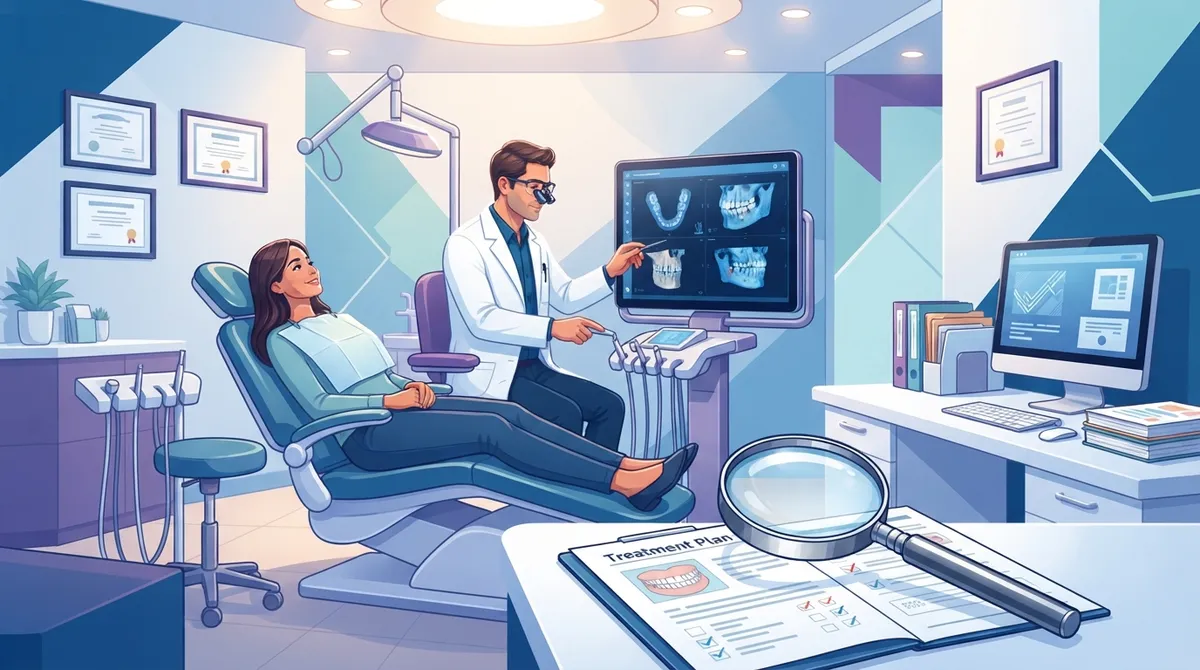
A quality consultation is about more than a quick look in your mouth. It should feel thorough, personal, and educational. Here’s what a complete evaluation typically includes:
- A full clinical exam of your teeth, gums, and jaw alignment
- Photographs and digital imaging to map out your bite and tooth positioning
- A discussion of treatment options, including pros and cons of each
- An honest timeline for how long treatment will likely take
- A written cost estimate that spells out exactly what’s included
If a provider skips straight to selling you a treatment plan without an in-person exam, that’s a red flag. Learn more about what to expect at an orthodontic consultation so you walk in feeling prepared and confident.
Step 3: Compare Treatment Options for Your Specific Needs
Not every smile needs the same fix. The best orthodontist nearby will explain your options clearly instead of pushing one product on everyone. Here’s a simple breakdown of common treatments:
| Treatment | Best For | Typical Cost Range | Average Duration |
|---|---|---|---|
| Traditional Metal Braces | Complex crowding, bite issues, kids and teens | $3,000–$7,000 | 12–24 months |
| Ceramic Braces | Teens and adults wanting a subtler look | Similar to metal, slightly higher | 12–24 months |
| Clear Aligners | Mild to moderate crowding, busy adults | $4,000–$8,000 | 12–18 months |
| Retainers | Maintaining results after active treatment | Varies by type | Ongoing, often nightly long-term |
These figures are general U.S. estimates from consumer sources like the 2026 oral health cost guide, and your actual price will depend on your case, location, and what’s included in your plan. That’s why a written, itemized estimate from your local orthodontist matters so much.
If you’re weighing clear aligners against traditional braces, this article on traditional braces vs clear aligners breaks down which option might suit your lifestyle best. And if you’re curious whether aligners can handle more complex cases, take a look at how clear trays straighten your smile.
When Clear Aligners Might Not Be the Right Fit
Clear aligners are wonderful for many patients. They’re discreet and removable, which teens and professionals both love. But they aren’t perfect for everyone. Cases involving significant rotations, major crowding, extractions, or jaw discrepancies often need fixed braces or a combination approach. A qualified orthodontist will tell you honestly if aligners aren’t the best choice for your bite, rather than pushing a one-size-fits-all solution.
Step 4: Ask About Cost, Insurance, and Payment Plans
Money matters, and a trustworthy orthodontist should never make you feel awkward asking about it. The AAO specifically recommends asking about total treatment cost, what’s covered by insurance, and available payment options before you sign anything.
Here are a few facts to keep in mind:
- Many dental insurance plans cover about 50% of orthodontic treatment, often with a lifetime maximum between $1,500 and $3,000
- Your benefits will vary widely depending on your specific plan, so always verify directly with your insurer
- A responsible practice will give you a written estimate showing records, adjustments, refinements, retainers, and any repair fees
- Flexible payment plans can make treatment more manageable without large upfront costs
Curious how monthly payments actually work? Check out this guide on how orthodontist payment plans actually work, or explore payment plan options available for families in Brandon and Westchase.
Step 5: Watch for Warning Signs
Most orthodontic practices are honest and caring, but it’s smart to know the red flags. Be cautious if you notice:
- Prices that seem unusually low compared to everyone else
- Pressure to start treatment the same day, with no time to think it over
- Vague answers when you ask about credentials or training
- Promises that everyone gets identical results regardless of their case
- Treatment plans based only on an online photo scan, with no in-person exam
- No clear plan for emergencies like broken brackets or lost aligners
A trustworthy provider welcomes your questions and takes time to explain your options. If something feels rushed or unclear, it’s okay to seek a second opinion.
Step 6: Consider Convenience Factors That Actually Matter
Once you’ve confirmed qualifications and treatment quality, convenience becomes a real tiebreaker. Here’s what to compare between local offices:
- Office hours that fit your work or school schedule
- Parking availability and how easy the office is to reach
- How quickly they can see you for an emergency, like a poking wire
- Whether virtual check-ins or remote monitoring are offered
- How friendly and responsive the front desk team is
Chacon Orthodontics offers two convenient locations in Westchase and Brandon, Florida, with hours Monday through Friday from 8 AM to 5 PM and select Saturday appointments. They also offer free consultations, including virtual options, so you can get answers without any pressure. For families dealing with an unexpected issue, this resource on orthodontic emergencies and when to call Dr. Chacon is worth bookmarking.
Special Considerations by Life Stage
For Parents of Young Children
Early evaluation, often around age 7, can catch bite problems and crowding before they become bigger issues. Learn more about early signs your child may need braces so you know what to watch for at home.
For Teens
Teens want treatment that fits their busy lives, from sports to social events. Many appreciate the flexibility of braces vs clear aligners options designed for teens that balance effectiveness with a look they feel good about.
For Adult Professionals
More adults than ever are choosing orthodontic treatment later in life, often for low-profile options like clear aligners. If you’re wondering whether it’s too late to start, this article on how to know if you can get braces as an adult can help ease any hesitation.
For Bilingual Families
Clear communication in your preferred language makes a real difference in how comfortable you feel during treatment. Dr. Chacon and his team provide care in both English and Spanish, helping families throughout Westchase and Brandon feel truly understood.
Daily Habits That Support Your Treatment Success
Even the best orthodontist nearby can’t do it all alone. Your daily habits play a big role in how smoothly treatment goes. The CDC recommends brushing at least twice daily for two full minutes, and patients with braces need extra care around brackets and wires. Helpful tips include:
- Brushing after every meal when possible, especially with braces
- Flossing daily using floss threaders or water flossers
- Avoiding sticky, hard, or crunchy foods that can damage brackets
- Wearing your retainer exactly as instructed after active treatment ends
- Attending every scheduled appointment, even when things feel fine
For a deeper dive, check out how to brush and floss with braces effectively and foods to avoid with braces for practical, everyday guidance.
Why Local Reputation and Real Reviews Matter
Online reviews can be a great starting point, but look beyond the star rating. Read what patients say about communication, wait times, and how staff handled questions or concerns. You can also follow practices on social platforms like Instagram or Facebook to see real patient transformations and get a feel for the office culture before you book.
If you’d like to see what real patients in the Brandon area are saying, visit us on Google — Chacon Orthodontics Brandon to read honest, first-hand reviews from local families. It’s a simple way to feel more confident before your first visit.
Ready to Take the Next Step?
Finding the best orthodontist nearby doesn’t have to be complicated. Focus on credentials, honest communication, personalized treatment plans, and a location that fits your life. Dr. Omar Chacon and the team at Chacon Orthodontics bring over a decade of board-certified experience to families across Westchase and Brandon, Florida, offering clear aligners, custom braces, retainers, and teeth whitening in a warm, bilingual environment.
You deserve a smile you feel proud of, and a care team that treats you like family along the way. Ready to see what personalized orthodontic care looks like? Schedule your free consultation today and take the first step toward a confident new smile. You can also learn more about Dr. Chacon’s background and approach on LinkedIn.
FAQs
Q: How do I find the best orthodontist near me?
A: Start by checking that they are a licensed, board-certified orthodontic specialist, not just a general dentist offering braces. Then look at their consultation process, treatment options, and how clearly they explain costs. A great local practice, like Chacon Orthodontics in Brandon and Westchase, will make you feel informed and comfortable every step of the way.
Q: Is an orthodontist better qualified than a general dentist for braces or aligners?
A: Yes, generally speaking. Orthodontists complete two to three years of extra specialty training beyond dental school, focused entirely on tooth movement and bite correction. That extra training means they’re often better equipped to handle complex cases and unexpected challenges during treatment.
Q: How much do braces or clear aligners cost near me?
A: Traditional metal braces typically range from about $3,000 to $7,000, while comprehensive clear aligner treatment often falls between $4,000 and $8,000. Your exact cost depends on your case, location, and provider, so always ask for a written, itemized estimate before starting.
Q: Which is better for my case: braces or clear aligners?
A: It really depends on your bite, crowding, and treatment goals. Clear aligners work wonderfully for mild to moderate cases and offer a discreet, removable option, while traditional braces handle more complex movements better. Your orthodontist can review your specific situation and recommend the option that fits you best.
Q: Does dental insurance cover orthodontic treatment?
A: Many dental plans cover around 50% of orthodontic treatment, often up to a lifetime maximum between $1,500 and $3,000. Coverage varies quite a bit by plan, so it’s always worth calling your insurance provider to confirm your specific benefits before you begin treatment.