Key Takeaways
-
Watch for functional problems like difficulty chewing, jaw clicking, cheek biting, or speech changes—these indicate bite issues that go beyond appearance and can affect long-term oral health.
-
Children should have their first orthodontic evaluation by age 7 according to the American Association of Orthodontists, even with baby teeth present, because early detection allows orthodontists to guide jaw growth and prevent complex treatment later.
-
Common signs you need braces include crowded or overlapping teeth, visible gaps, overbites, underbites, crossbites, and open bites—but only a professional evaluation with digital scans can provide an accurate diagnosis.
-
Modern treatment options like clear aligners offer discreet alternatives to traditional braces for mild to moderate cases, making orthodontic care practical for busy teens and working adults.
-
It's never too late for adults to get braces; teeth can be straightened at any age as long as gums and jawbone are healthy, and many adults choose treatment after years of living with crooked smiles.
-
Roughly one in three youths historically had severe misalignment issues, making professional evaluation essential since two people with similar-looking smiles may have very different underlying problems requiring different treatments.
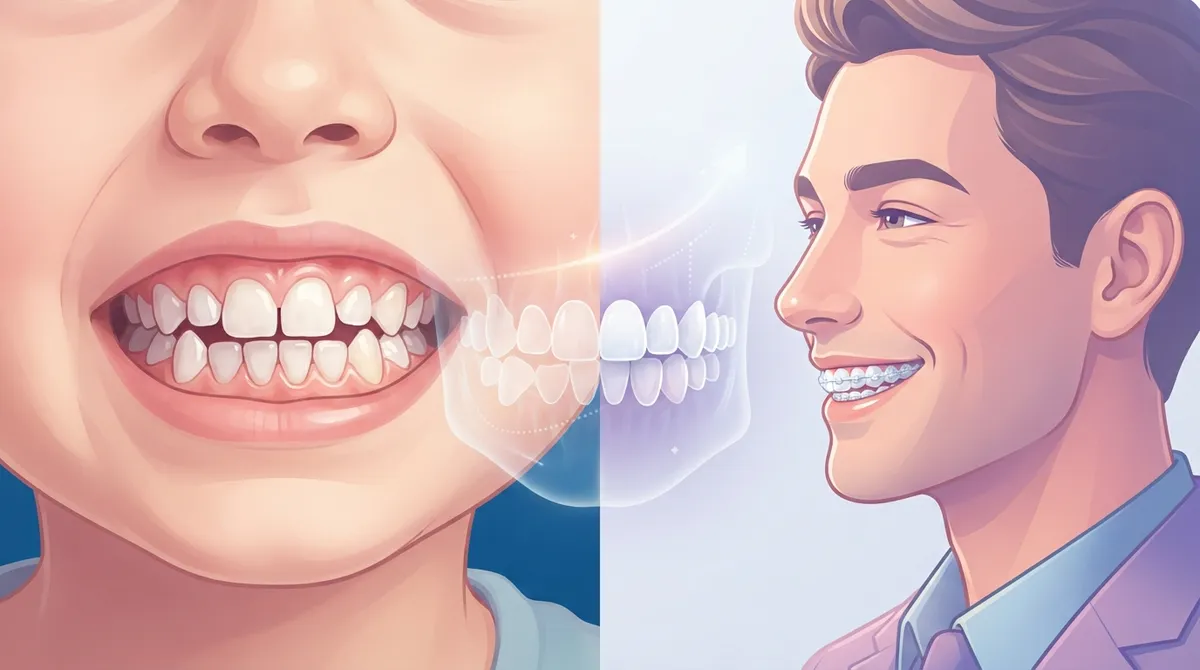
Ever catch yourself smiling with your mouth closed in photos? Or maybe you’ve noticed your child’s teeth coming in a little crooked and you’re wondering if it’s normal or something to worry about. You’re not alone. So many parents, teens, and adults ask the same question: how do you actually know if you need braces? The good news is, there are clear signs to look for, and figuring it out doesn’t have to be stressful.
At Chacon Orthodontics, we’ve helped thousands of families across Brandon and Westchase, Florida find answers to this exact question. Whether you’re a parent watching your child’s smile change, a teen who wants straighter teeth before prom season, or an adult finally ready to invest in yourself, this guide will walk you through the real signs that point to needing braces. Let’s take the guesswork out of it together.
What Are the Most Common Signs You Need Braces?
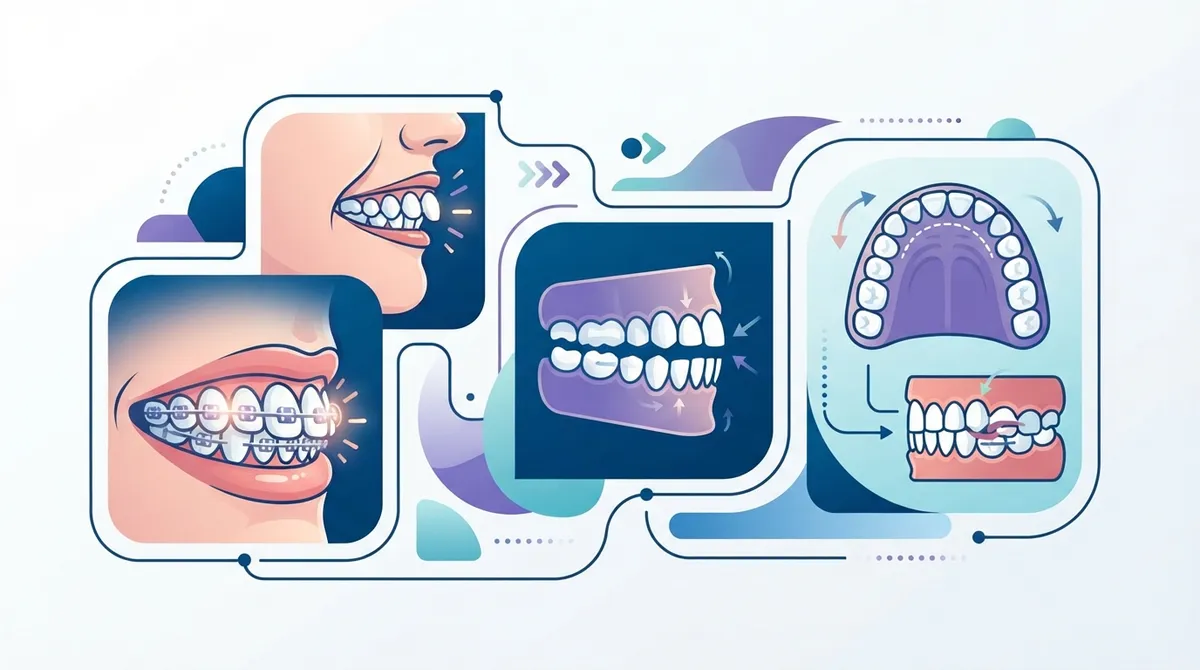
Braces aren’t just about crooked teeth. Orthodontists look at a mix of visual and functional clues to figure out if treatment is needed. Here are the most common signs worth paying attention to.
- Crowded or overlapping teeth that make brushing and flossing tough
- Noticeable gaps between teeth
- Front teeth that stick out further than the rest
- An overbite, where top teeth cover too much of the bottom teeth
- An underbite, where the bottom jaw sits in front of the top jaw
- A crossbite, where some upper teeth sit inside the lower teeth when biting down
- An open bite, where front teeth don’t touch even when the back teeth are closed
If any of these sound familiar, it might be time to learn more about how teeth positioning affects your smile and what can be done about it.
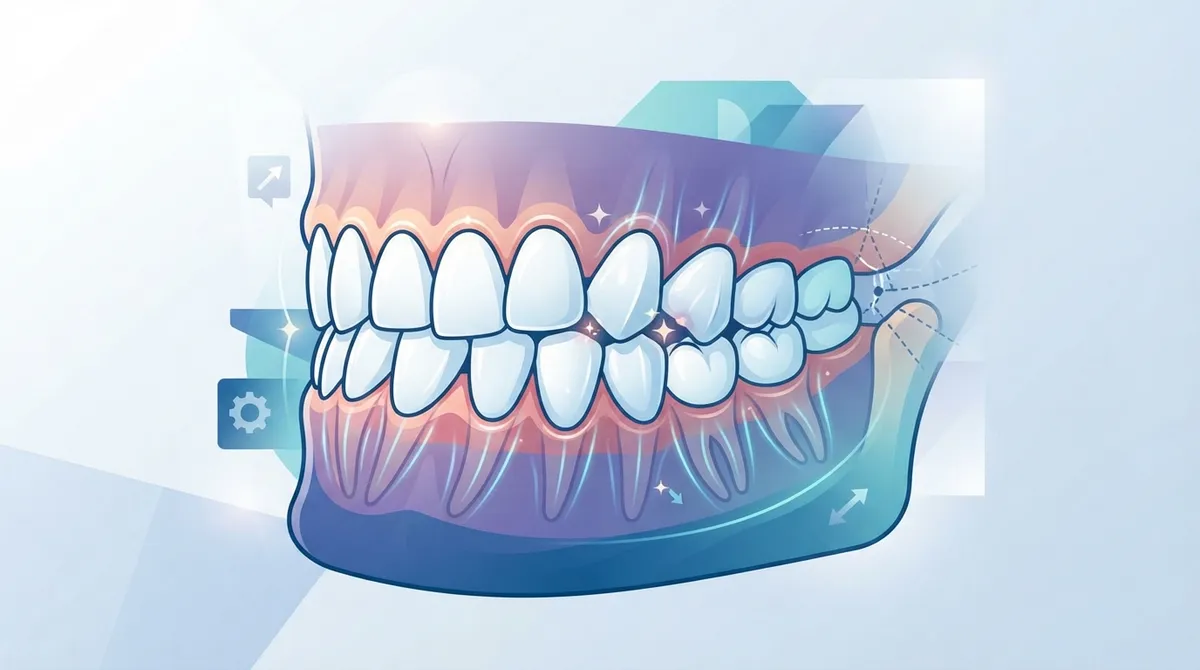
Functional Symptoms That Matter Just as Much
Here’s something a lot of people don’t realize: how your teeth look isn’t the only thing that matters. How they function is just as important, sometimes even more so. Functional issues often hint at bite problems that go deeper than appearance.
Watch for these signs:
- Trouble chewing or biting into food comfortably
- Frequently biting your cheek or the inside of your mouth
- Your jaw shifts or clicks when you close your mouth
- Speech that sounds slightly off because of tooth position
- Difficulty cleaning between certain teeth, no matter how hard you try
These functional symptoms are a big reason why an orthodontic evaluation is about more than looks. A crooked smile might just be cosmetic, but jaw shifting or chewing problems can affect your daily comfort and even your long-term oral health.
When Should Children See an Orthodontist?
Parents often ask us this question first: at what age should my child get checked? According to the American Association of Orthodontists, kids should have their first orthodontic evaluation by age 7. That might sound early, especially if your child still has baby teeth. But there’s a good reason behind it.
At age 7, an orthodontist can spot developing issues while your child’s jaw is still growing and adult teeth are still coming in. This doesn’t mean most 7-year-olds need braces right away. In fact, most don’t. But catching problems early gives your orthodontist more options, sometimes preventing the need for more complex treatment later.
Signs Your Child May Need an Earlier Evaluation
Some kids should be seen even before age 7 if you notice these warning signs:
- A visible crossbite or underbite
- Severe crowding of teeth
- Noticeable facial asymmetry
- Baby teeth falling out very early or very late
- Ongoing thumb or finger sucking past age 4 or 5
- Chronic mouth breathing
- Front teeth that stick out significantly
If you spot any of these, don’t wait for the standard age 7 checkup. Learning about early orthodontic treatment can help you understand why timing matters so much for growing smiles. You can also explore early signs your child may need braces for a closer look at what to watch for at home.
What About Teens? Signs to Watch For
Teen years bring their own set of orthodontic questions. Maybe your teen already has some crowding, or their bite doesn’t feel quite right when they chew. Teens are also often more aware of how their smile looks, which makes confidence a real factor here too.
Common reasons teens need braces include:
- Leftover crowding from childhood that got worse with growth
- New gaps forming as permanent teeth settle in
- Bite problems that became more obvious during growth spurts
- A desire for a more confident, camera-ready smile before high school milestones
The good news for teens today is that treatment doesn’t have to mean a mouth full of metal for years. Many teens choose clear aligners over traditional braces to fit their busy school and sports schedules without feeling self-conscious.
Can Adults Need Braces Too?
Absolutely, and it happens more often than people think. Maybe you had braces as a kid but your teeth shifted over the years. Or maybe you never got treatment and have lived with a crooked smile your whole life. Either way, it’s never too late.
Before recommending treatment, an orthodontist will check several things in adults:
- The health of your teeth and gums
- How strong your jawbone is to support tooth movement
- Your bite relationship between upper and lower teeth
- Whether existing dental work like crowns or bridges will affect treatment
- Overall readiness for braces or clear aligners based on your unique mouth
Many working professionals in Brandon and Westchase choose clear aligners because they’re discreet enough for meetings, presentations, and everyday life. If you’re curious why so many adults are finally taking the plunge, check out this piece on why adults are choosing orthodontic treatment later in life.
Signs by Category: A Quick Reference Table
| Category | Common Signs | Who It Affects Most |
|---|---|---|
| Crowding & Spacing | Overlapping teeth, visible gaps | Children, teens, adults |
| Bite Issues | Overbite, underbite, crossbite, open bite | All ages, often noticed early |
| Functional Problems | Chewing difficulty, jaw shifting, cheek biting | Teens and adults especially |
| Developmental Signs | Early/late tooth loss, mouth breathing, thumb sucking | Young children |
| Cosmetic Concerns | Protruding teeth, uneven smile line | Image-conscious teens and adults |
Braces Aren’t the Only Option
Here’s something reassuring: needing orthodontic care doesn’t always mean traditional metal braces. Depending on the diagnosis, your orthodontist might recommend something different.
- Simple monitoring if your child’s teeth are still developing
- Space maintainers to hold room for permanent teeth
- Palate expanders for narrow jaws or crossbites
- Clear aligners for mild to moderate alignment issues
- Traditional or ceramic braces for more complex cases
- Retainers after treatment to keep your new smile in place
To get a full picture of what’s available, take a look at our guide on types of orthodontic appliances and how each one works for different needs.
Comparing Treatment Options
| Treatment Type | Best For | Visibility | Typical Duration |
|---|---|---|---|
| Traditional Braces | Complex bite and alignment issues | Visible | 18–24 months |
| Clear Aligners | Mild to moderate crowding or spacing | Nearly invisible | 12–18 months |
| Palate Expanders | Narrow jaws, crossbites in kids | Visible, used short-term | 3–12 months |
| Retainers | Maintaining results after treatment | Varies by type | Ongoing, part-time or full-time |
What Actually Happens During an Orthodontic Evaluation?
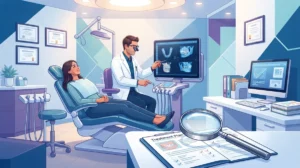
If you’re on the fence about scheduling an appointment, knowing what to expect can help ease any nerves. Here’s a simple breakdown of what typically happens:
- A friendly conversation about your concerns and goals
- A visual exam of your teeth, gums, and bite
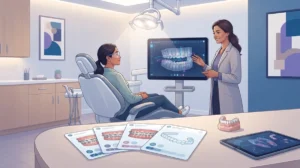
- Digital scans or impressions to map your smile
- X-rays if needed, to check roots, jaw position, or hidden teeth
- A personalized treatment plan based on everything found
This process helps your orthodontist see the full picture, not just what’s visible on the surface. If you want more details, our page on what happens during an orthodontic exam walks through it step by step.
Why Timing and Diagnosis Matter More Than Guessing
It’s tempting to look in the mirror and decide for yourself whether you need braces. But visible symptoms are just clues, not a full diagnosis. Two people can have similar-looking smiles but very different underlying issues. That’s why an in-person evaluation matters so much.
Historical data from the CDC shows just how common these issues really are. Older national health surveys found that roughly one in three youths had severe malocclusion, with another one in five showing some other bite irregularity. While those numbers come from research published decades ago, they highlight something still true today: misaligned teeth and bites are incredibly common, and evaluation is the only way to know for sure what’s going on.
Dr. Omar Chacon and our team use advanced 3D digital imaging to get a precise, accurate view of your teeth and jaw. This means less guessing and more confidence in your treatment plan. You can learn more about our approach by following us on Instagram or connecting with Dr. Chacon on LinkedIn to see real patient transformations.
Bilingual, Family-Friendly Care in Brandon and Westchase
For many families in our community, comfort means being able to ask questions in the language you’re most confident in. That’s why our team offers care in both English and Spanish, making sure nothing gets lost when discussing your child’s smile or your own treatment options.
Whether you’re closer to our Westchase office or our Brandon location, our goal is the same: clear communication and personalized care for every patient who walks through our doors. Curious what other patients think? You can visit us on Google — Chacon Orthodontics Brandon to read real reviews from families just like yours.
Steps to Take If You Think You Need Braces
Feeling ready to take the next step? Here’s a simple path forward:
- Notice the signs, whether it’s crowding, bite issues, or discomfort
- Schedule a consultation with a board-certified orthodontist
- Get a full evaluation with scans, photos, or X-rays if needed
- Review your personalized treatment options together
- Choose the plan that fits your lifestyle, whether braces or aligners
You don’t have to figure this out alone. Our team is here to guide you through every step, answering questions along the way in a way that actually makes sense.
Ready to Get Your Questions Answered?
Knowing whether you need braces starts with paying attention to the signs and following up with a professional evaluation. Crowding, bite problems, jaw discomfort, or just a smile that doesn’t feel quite right, these are all valid reasons to get checked out. And remember, treatment today looks nothing like it did years ago. Between clear aligners, custom braces, and modern technology, there’s an option that can fit almost any lifestyle.
If you’ve read this far and you’re nodding along thinking, “yes, this sounds like me” or “this sounds like my child,” it might be time to stop wondering and start finding answers. Our team at Chacon Orthodontics would love to meet you and your family. Feel free to schedule your free consultation today and take the first step toward a smile you’ll love showing off. You can also follow along with patient stories and updates on Facebook to see the kind of care our Brandon and Westchase families experience every day.
FAQs
Q: What are the most obvious signs that I need braces?
A: The biggest clues are crowded or overlapping teeth, noticeable gaps, and bite problems like an overbite or underbite. If chewing feels hard or your jaw shifts when you close your mouth, that’s another big sign worth checking out. Honestly, if something feels off, it’s always worth getting a quick evaluation just to be sure.
Q: Can crooked teeth be fixed without braces?
A: Yes, in many cases! Clear aligners are a popular option for mild to moderate crowding or spacing, and they’re nearly invisible while you wear them. That said, more complex bite issues sometimes need traditional braces to really get the job done right.
Q: At what age should a child see an orthodontist?
A: The American Association of Orthodontists recommends a first evaluation by age 7. This doesn’t mean your child will need braces right away, it just means an orthodontist can catch developing issues early while there’s still time to guide growth.
Q: Does an overbite or underbite always require braces?
A: Not always, but it depends on how severe it is. Mild cases might just need monitoring, while more significant bite problems usually benefit from braces or aligners to prevent long-term wear and discomfort. An in-person exam is really the only way to know for sure.
Q: Can adults get braces even if they never had orthodontic treatment as a child?
A: Absolutely, it’s never too late! We see adults of all ages start treatment, whether they’re finally ready to invest in themselves or their teeth shifted over time. As long as your teeth and gums are healthy enough, braces or clear aligners can work beautifully.