Key Takeaways
-
Braces fix teeth misalignment at its root by applying constant light pressure through brackets and wires, preventing serious complications like jaw pain, chewing difficulty, and accelerated tooth wear if left untreated.
-
Treatment duration typically ranges from 1-3 years depending on the severity of misalignment, age, bite issues, and patient compliance; simpler cases may complete in under a year.
-
After braces are removed, wearing a retainer consistently for 4-6 months then nightly indefinitely is essential to prevent teeth from drifting back to their original positions.
-
Three braces options exist today: durable metal braces for complex cases, ceramic braces that blend with teeth but require more care, and nearly invisible clear aligners popular with busy adults and image-conscious teens.
So you’re thinking about braces? Maybe your child’s dentist mentioned crowding at their last checkup. Maybe you’re a teen tired of hiding your smile in photos. Or maybe you’re an adult who’s finally ready to fix that smile you’ve been putting off for years. Whatever brought you here, we’re glad you stopped by, because braces can truly change your life, not just your smile.
At Chacon Orthodontics, we’ve spent years helping families across Brandon and Westchase, Florida, understand exactly what braces do and how they work. This guide breaks it all down in plain language, no confusing dental jargon, just honest answers to the questions we hear every single day. Let’s dig in together.
What Are Braces, Exactly?
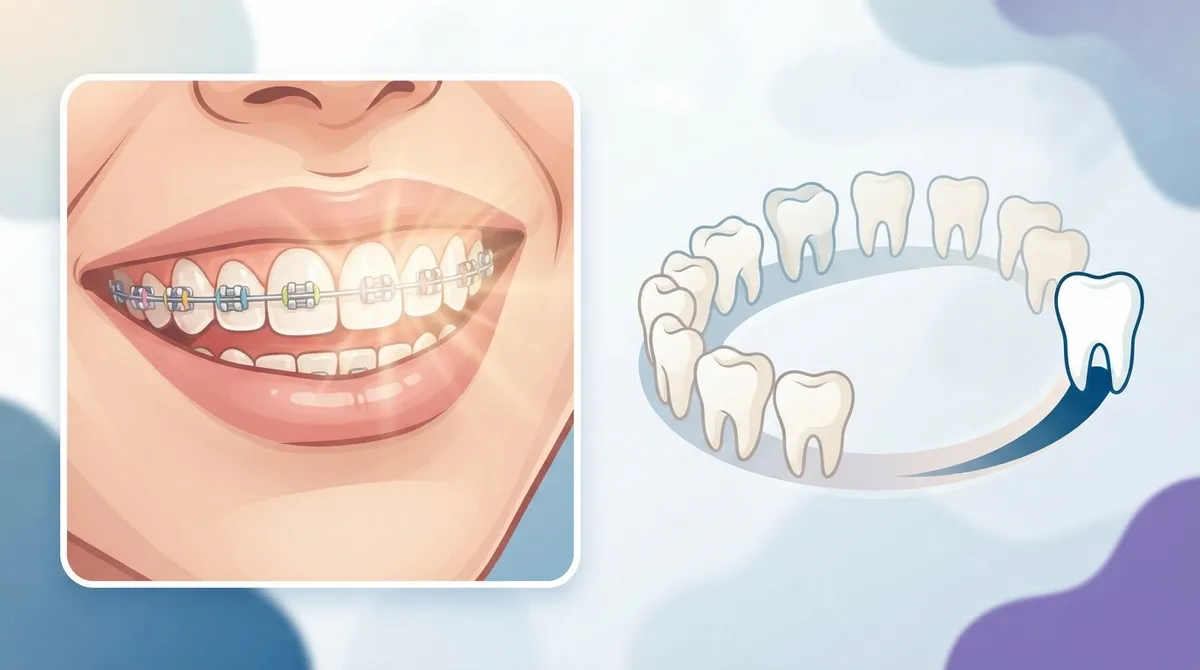
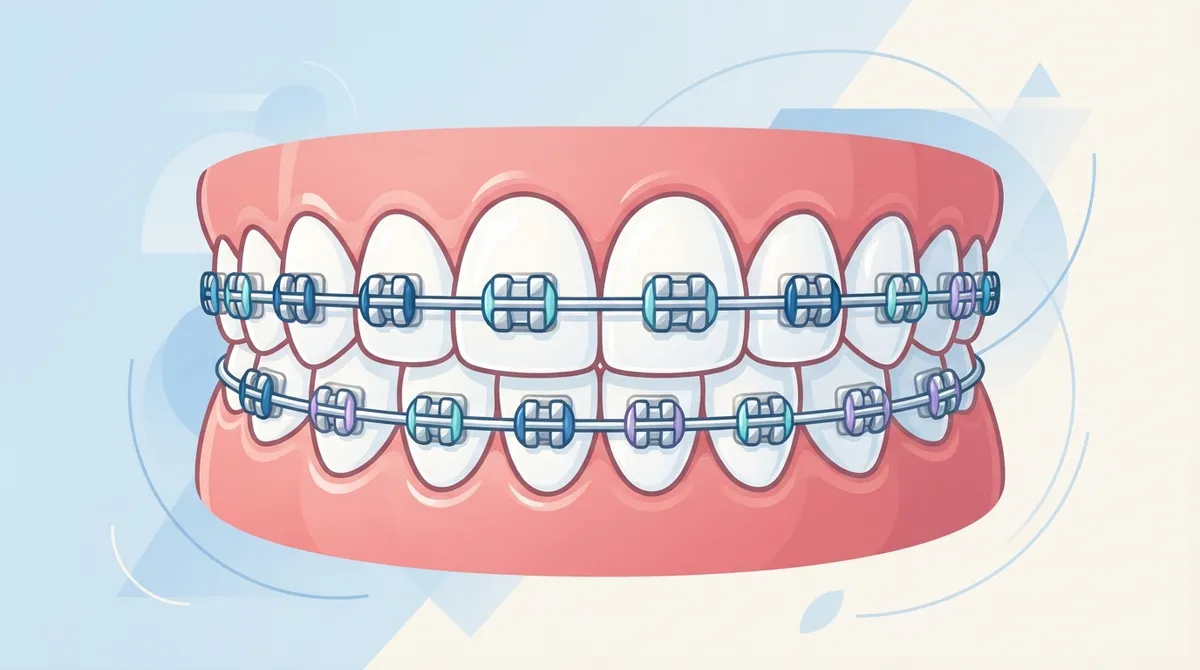
Braces are small brackets bonded to your teeth. A thin wire runs through the brackets, gently pulling and pushing your teeth into better positions. This constant, light pressure slowly shifts teeth over time, fixing crowding, gaps, and bite problems.
This process is called correcting malocclusion, which is just a fancy word for teeth or jaws that don’t line up right. Left untreated, misalignment can cause jaw pain, trouble chewing, speech issues, and even faster wear on your teeth. Braces fix the problem at its root instead of just covering it up.
If you want a deeper look at how teeth shift and why alignment matters so much, check out our guide on understanding teeth positioning and fixing alignment issues.
Types of Braces Available Today
Good news: braces aren’t one-size-fits-all anymore. There are several options, each with its own perks depending on your lifestyle, age, and goals.
| Type | Best For | Visibility | Durability |
|---|---|---|---|
| Metal Braces | Kids, teens, complex cases | Most visible | Very durable |
| Ceramic (Clear) Braces | Teens and adults wanting subtlety | Less visible | More prone to breakage |
| Clear Aligners | Adults and teens with mild-moderate cases | Nearly invisible | Removable, requires discipline |
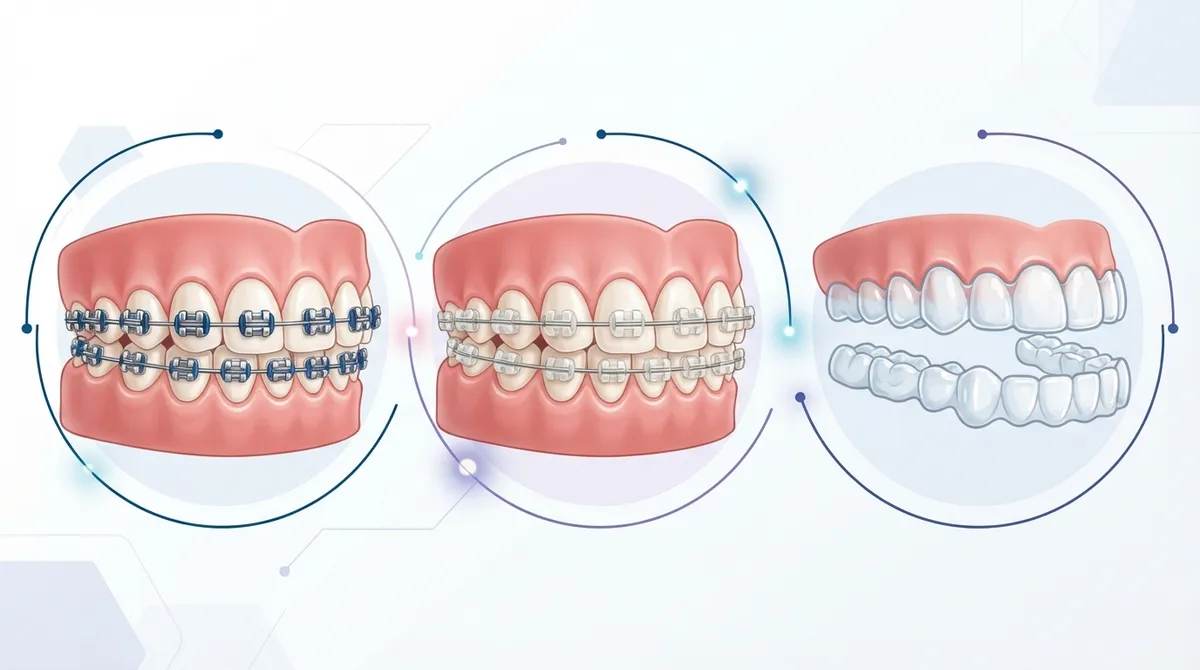
Metal braces remain a reliable, sturdy choice, especially for kids and teens who need more complex corrections. Ceramic braces blend in with your teeth but need a bit more care since they can crack more easily. Clear aligners, like the ones we offer through our removable aligner trays, are wildly popular with busy adults and image-conscious teens who want results without the metal-mouth look.
Not sure which fits your life best? Our article comparing traditional braces vs clear aligners breaks down the pros and cons in simple terms.
How Long Does Treatment Really Take?
This is probably the question we hear most. The honest answer? It depends. Most patients wear braces for 1 to 3 years, though some simpler cases wrap up in under a year.
Several factors affect your timeline:
- How crowded or misaligned your teeth are at the start
- Whether you’re correcting a bite issue like an overbite or underbite
- Your age (kids’ jaws are still growing, which can help or complicate things)
- How well you follow your orthodontist’s instructions
- Whether you choose traditional braces or clear aligners
Want a clearer picture of what your day-to-day life will look like during treatment? Our piece on planning your life around braces treatment duration is a great next read.
Does Getting Braces Hurt?
Let’s be real: there’s some discomfort involved, especially in the first few days after getting braces on or after adjustments. But “hurt” is a strong word. Most patients describe it as pressure or soreness, not sharp pain.
Here’s how to manage it like a pro:
- Stick to soft foods for the first few days (think mashed potatoes, yogurt, and smoothies)
- Use orthodontic wax on any brackets that rub against your cheeks
- Take over-the-counter pain relief if needed, following your orthodontist’s advice
- Rinse with warm salt water to soothe irritated gums
- Give it time. Discomfort usually fades within a week
Curious about what discomfort really feels like from patients who’ve been there? Dr. Chacon shares honest insights in this article on what to expect.
Caring for Your Braces: Daily Habits That Matter
Braces work best when you take care of them. Good home care isn’t complicated, it just takes a little consistency.
Brushing and Flossing Tips
Brush for two to three minutes, twice a day, angling your brush to reach around brackets and wires. Flossing takes a bit more patience with braces, but special floss threaders make it much easier. For a full walkthrough, see our guide on brushing and flossing with braces effectively.
Foods to Avoid
Certain foods just don’t mix well with brackets and wires. Steer clear of these:
- Sticky candy like caramel and taffy
- Hard foods like nuts, popcorn kernels, and ice
- Crunchy raw vegetables (cut them up small instead)
- Chewy bread like bagels and hard rolls
- Corn on the cob (cut the kernels off instead)
Craving snack ideas that won’t damage your braces? We’ve got a whole list of braces-friendly snacks every parent should know, plus a full breakdown of foods to avoid with braces straight from Dr. Chacon.
Braces for Every Age and Stage
For Parents of Children
Early orthodontic evaluation, usually around age 7, helps catch crowding or bite problems before they get worse. Not every child needs treatment right away, but catching issues early can save time and money down the road. Learn more in our guide on early orthodontic treatment and how it saves time, money, and smiles.
For Teens
Teens want results without sacrificing their social life or sports schedule. Whether it’s traditional braces or clear aligners, today’s options fit busy teen lifestyles better than ever. Our comparison of braces vs clear aligners for teens can help your family decide.
For Adults
It’s never too late. More adults than ever are choosing orthodontic treatment to boost their confidence at work and in life. Clear aligners are especially popular among professionals who want subtle, low-profile treatment. Check out our article on orthodontic treatment for adults to learn what’s different about treatment later in life.
What Happens After Braces Come Off?
Removing your braces is a huge, exciting milestone. But the job isn’t quite finished. Your teeth still want to drift back toward their old positions, which is why a retainer is absolutely essential.
Here’s the typical retainer schedule:
- Wear your retainer as much as possible for the first 4 to 6 months
- Transition to nightly wear after that
- Continue nightly wear indefinitely to protect your investment
Skipping retainer wear is one of the biggest regrets we hear from past patients. Don’t let all that hard work go to waste. Our guide on keeping your smile straight for life with retainers explains exactly what to expect.
Does Insurance Cover Braces?
Many dental insurance plans offer partial coverage for braces, especially for children and teens under 18. Adult coverage is less common and sometimes requires a higher premium plan. It’s worth checking your specific policy before committing.
| Coverage Type | Typical Scenario |
|---|---|
| Dependents under 18 | Often partial coverage included |
| Adults | Less common, may need add-on coverage |
| Payment Plans | Widely available at most orthodontic practices |
Even without full insurance coverage, flexible payment plans can make treatment affordable for almost any budget. For more details, read our guide on how dental insurance covers orthodontic treatment.
Why Choose Chacon Orthodontics for Your Care
Dr. Omar Chacon is a board-certified orthodontist with over 10 years of experience helping families in Westchase and Brandon build confident smiles. Originally from Puerto Rico and trained in New York City, Dr. Chacon offers bilingual care in English and Spanish, making treatment comfortable and clear for the whole family.
Our Brandon office combines advanced technology like 3D digital imaging with a warm, personal touch. We know braces are a big decision, so we take time to answer every question and build a treatment plan tailored just for you. Feel free to follow along with patient stories and smile transformations on our Instagram and Facebook pages, or connect with Dr. Chacon directly on LinkedIn.
Want to see what our neighbors in Brandon have to say? You can visit us on Google — Chacon Orthodontics Brandon to read real reviews from real patients.
Ready to Start Your Smile Journey?
Braces are more than a dental treatment. They’re an investment in your confidence, your health, and your future. Whether you’re a parent exploring options for your child, a teen ready for a change, or an adult finally chasing that smile you’ve always wanted, we’re here to help every step of the way.
Every great smile starts with a single conversation. Reach out today to schedule your free consultation and discover which braces option is the perfect fit for your life. We can’t wait to help you smile with confidence.
FAQs
Q: What are the different types of orthodontic braces available?
A: You’ve got three main options: metal braces, ceramic (clear) braces, and clear aligners. Metal braces are the most durable, ceramic braces blend in more with your teeth, and clear aligners are removable trays perfect for busy adults and teens who want something discreet.
Q: How long does it take to get braces straightened?
A: Most folks wear braces for 1 to 3 years, though some simpler cases finish up in under a year. It really depends on how much correction your teeth need and how consistently you follow your orthodontist’s instructions.
Q: Do braces hurt, and how can I manage the discomfort?
A: There’s usually some soreness for the first few days, especially after adjustments, but it’s more pressure than pain. Soft foods, orthodontic wax, and a little patience go a long way toward making you comfortable again.
Q: What foods should I avoid while wearing braces?
A: Steer clear of sticky candy, hard nuts, popcorn, ice, and chewy bread since these can damage brackets and wires. Stick to softer foods and cut crunchy veggies into smaller pieces to keep your treatment on track.
Q: Is orthodontic treatment covered by dental insurance for adults?
A: It depends on your plan. Many insurance policies cover braces for kids and teens under 18, but adult coverage is less common and sometimes needs an upgraded plan. Flexible payment plans can help fill the gap either way.