Key Takeaways
-
Overbites come in two types—dental (tooth positioning) and skeletal (jaw misalignment)—and each requires different treatment approaches, so professional assessment is essential before choosing a solution.
-
Clear aligners work best for mild to moderate overbites and require 20-22 hours daily wear to be effective, making them ideal for discreet treatment in working professionals and teens.
-
Early evaluation by age 7 for children allows use of palatal expanders during growth phases, potentially reducing the need for complex procedures like surgery later in life.
-
Untreated overbites can cause serious complications including excessive tooth wear, jaw pain, TMJ disorders, difficulty chewing, and reduced self-confidence, making early intervention more cost-effective.
-
Traditional braces with rubber band elastics remain highly reliable for moderate to severe overbites, typically requiring 12-24 months and creating gentle pressure to realign jaws.
-
Retainer wear after treatment is critical—skipping this step is the most common reason patients experience relapse where teeth shift back to original positions.
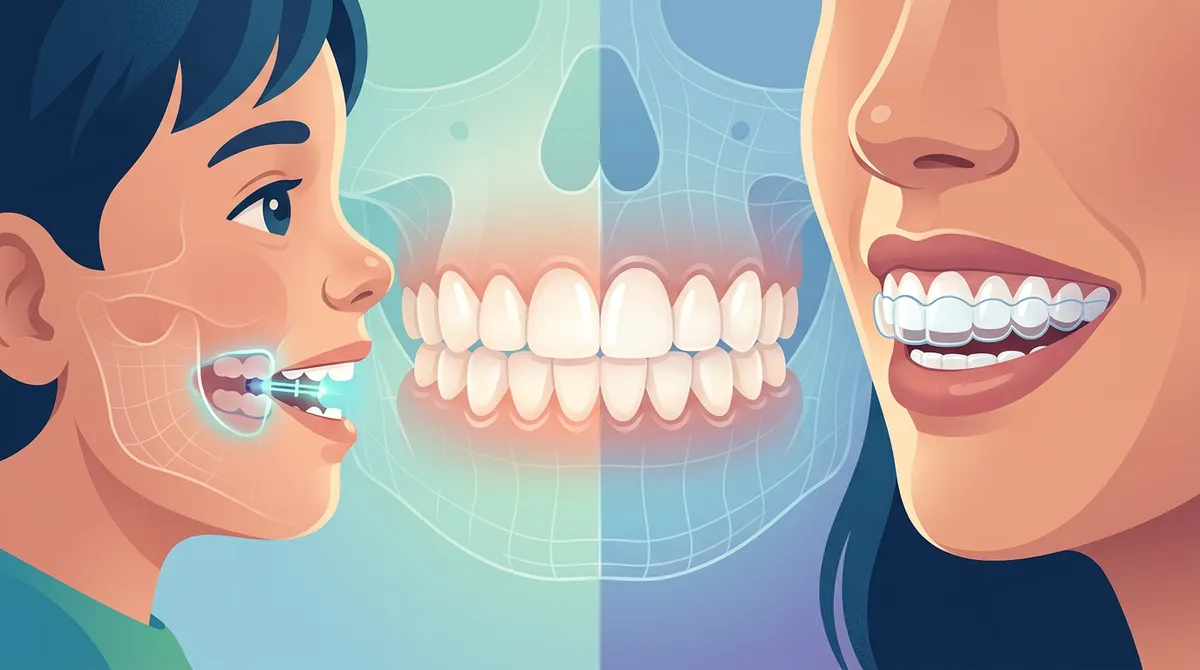
Does your child hide their smile? Do you feel self-conscious about the way your top teeth jut forward? You are not alone. Overbites are one of the most common dental concerns affecting kids, teens, and adults. The good news is that today’s orthodontic treatment for overbite is more effective — and more comfortable — than ever before.
An overbite happens when your upper front teeth overlap too far over your lower teeth. A small overlap is normal. But when the overlap is excessive, it can cause jaw pain, tooth wear, difficulty chewing, and confidence issues. Left untreated, overbites can lead to more serious dental problems over time.
In this guide, we break down 7 proven treatments that orthodontists use to correct overbites. Whether you are a parent researching options for your child or an adult finally ready to fix your bite, this article will help you understand your choices.
Understanding Overbite Types
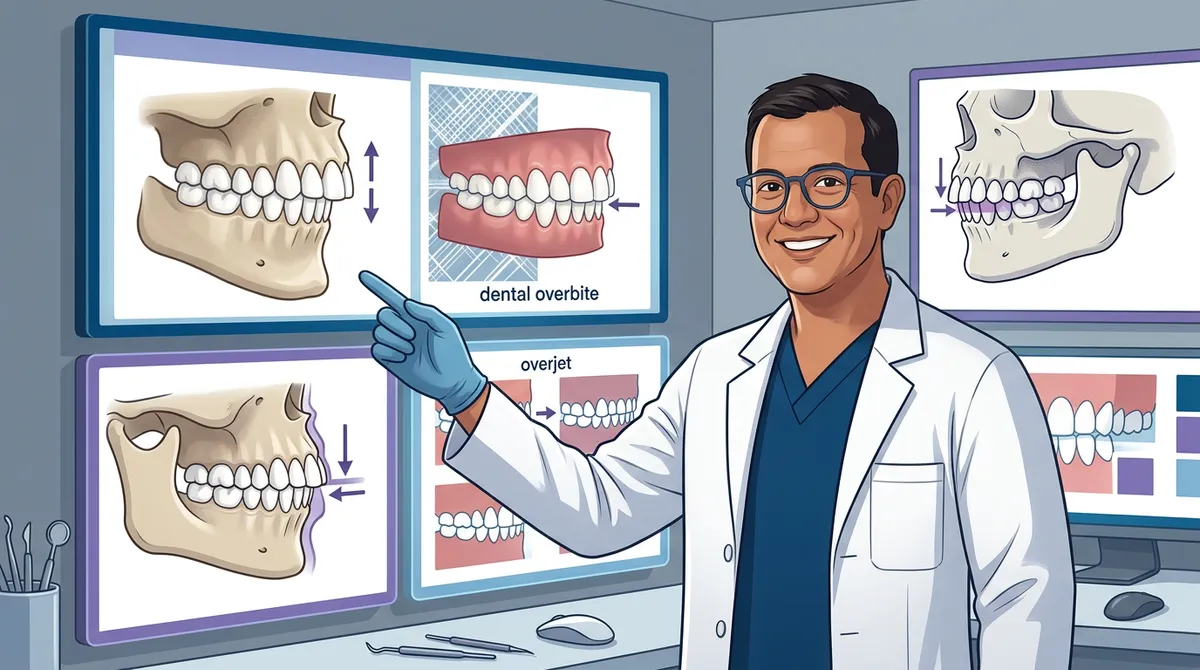
Before diving into treatments, it helps to know what kind of overbite you have. Not all overbites are the same. There are two main categories, and each responds differently to treatment.
| Overbite Type | Cause | Best Treatment Options | Typical Age Range |
|---|---|---|---|
| Dental Overbite | Tooth position or crowding | Braces, clear aligners | Any age |
| Skeletal Overbite | Jaw misalignment or size difference | Jaw appliances, surgery | Children, teens, adults |
A dental overbite is caused by tooth positioning. A skeletal overbite involves the jaw bones themselves. Your orthodontist will assess which type you have and recommend the best path forward. Understanding orthodontics as a field helps explain why treatment varies so much from patient to patient.
1. Traditional Braces
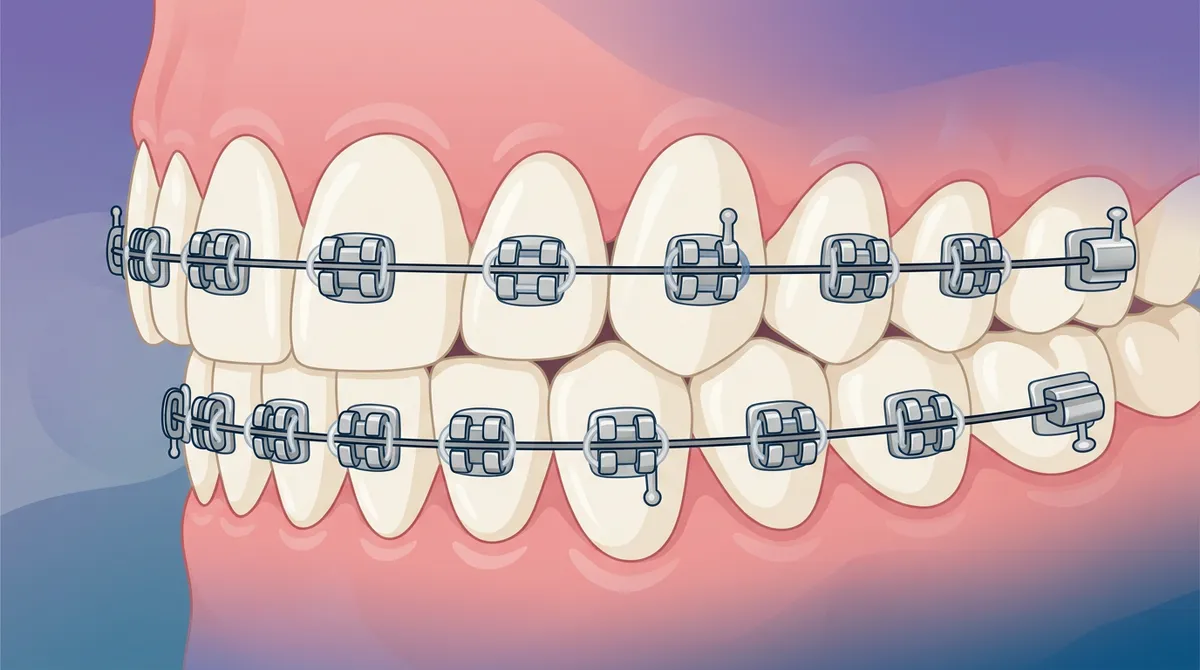
Traditional braces remain one of the most reliable tools for overbite correction. They use metal brackets, wires, and elastic bands to gradually shift teeth and realign the jaw. For moderate to severe overbites, braces are often the first recommendation.
Rubber bands, also called elastics, play a huge role in fixing an overbite. They attach to hooks on the upper and lower brackets. This creates gentle pressure that pulls the upper and lower jaws into proper alignment over time.
Learn more about your options with our Types Of Braces Complete Guide To Orthodontic Options. Treatment with orthodontic braces typically takes 12 to 24 months, depending on severity.
2. Custom Braces
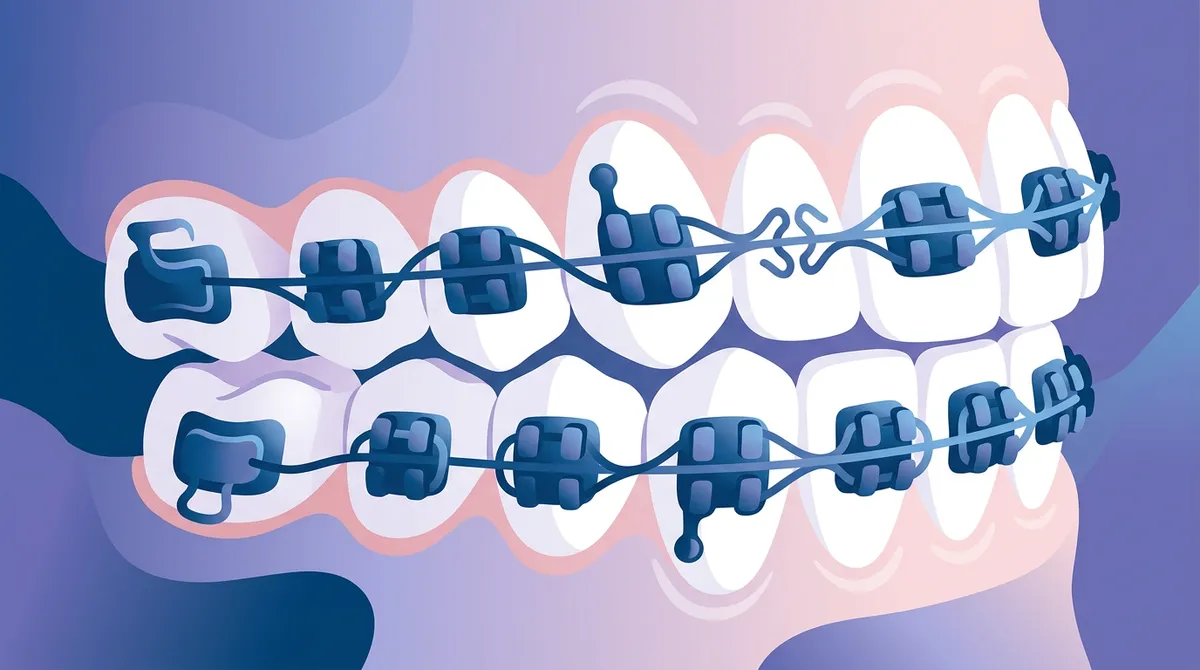
Not all braces look the same. Custom braces are designed to fit your specific teeth. This can make treatment more precise and sometimes faster. Options include clear ceramic braces, which blend with the color of your teeth, making them far less noticeable than traditional metal braces.
Custom braces work well for teens and adults who want effective overbite correction without the look of metal brackets. They offer the same corrective power but with a more discreet appearance.

3. Clear Aligners
Clear aligners have changed the way many people approach orthodontic treatment for overbite. These are custom-made, removable plastic trays that gradually shift your teeth into position. They work best for mild to moderate overbite cases.
One of the biggest advantages is that they are nearly invisible. You can remove them to eat, brush, and floss. This makes them a popular choice for working professionals and teens who want a discreet option. To understand how they work, read our page on What Are Clear Aligners.
Consistency is key. Aligners must be worn 20 to 22 hours per day to be effective. Adults especially love the flexibility. You can learn more about why in our article on 7 Clear Aligner Benefits Adults Are Choosing. You can also read the Wikipedia overview of clear aligners to understand the science behind them.
| Feature | Traditional Braces | Clear Aligners |
|---|---|---|
| Visibility | Noticeable | Nearly invisible |
| Removable | No | Yes |
| Best for | Moderate to severe overbites | Mild to moderate overbites |
| Dietary restrictions | Yes (avoid hard/sticky foods) | None (remove when eating) |
| Cleaning ease | More effort required | Easy to clean |
4. Palatal Expanders
For children and younger teens, palatal expanders are often used as part of early orthodontic treatment. These devices fit on the roof of the mouth and gradually widen the upper jaw. This creates more space and helps the upper and lower jaws grow into better alignment.
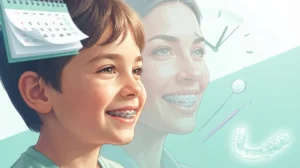
Expanders work best when the jaw is still growing. That is why early evaluation — ideally by age 7 — is so important for children. Starting treatment at the right time can reduce the need for more complex procedures later.
Parents often find that addressing overbites during childhood leads to shorter, simpler treatment overall. Visit our page for teens to learn what adolescent treatment looks like as well.
5. Herbst Appliance
The Herbst appliance is a fixed device used primarily in growing patients. It attaches to the upper and lower molars and holds the lower jaw in a forward position. Over time, this encourages the lower jaw to grow forward, correcting a skeletal overbite.
This appliance is especially effective for teens during their growth phase. Unlike removable devices, it works continuously because it stays in the mouth. This means results can come faster for the right candidate.
Learn more about the full range of devices available by visiting our page on Types Of Orthodontic Appliances.
6. Retainers After Treatment
Retainers are a critical part of any overbite treatment plan. Once your braces or aligners have moved your teeth into the correct position, retainers hold them there. Skipping retainer wear is one of the most common reasons patients experience relapse — meaning the teeth shift back toward their original positions.
There are different types of retainers, including fixed and removable options. Retainers should be worn as directed by your orthodontist, often nightly for life. For patients who have experienced orthodontic relapse, a retainer or retreatment plan may be the solution. Read more about What Are Clear Retainers And How Do They Keep Your Smile Perfect.
7. Orthognathic Surgery
For severe skeletal overbites that cannot be corrected with appliances alone, orthognathic surgery may be necessary. This jaw surgery repositions the upper or lower jaw to achieve proper alignment. It is typically combined with braces before and after the procedure for the best outcome.
Surgery is generally reserved for adults whose jaws have finished growing. It is a major step, but for patients with significant jaw misalignment, it can be life-changing. It relieves chronic jaw pain, improves chewing, and dramatically enhances facial appearance.
| Treatment | Best Candidate | Approximate Timeline | Severity |
|---|---|---|---|
| Traditional Braces | Kids, teens, adults | 12–24 months | Mild to severe |
| Custom Braces | Teens, adults | 12–24 months | Mild to severe |
| Clear Aligners | Teens, adults | 6–18 months | Mild to moderate |
| Palatal Expander | Children, younger teens | 6–12 months | Moderate skeletal |
| Herbst Appliance | Growing teens | 12–18 months | Moderate to severe skeletal |
| Retainers | Post-treatment patients | Ongoing | Maintenance |
| Orthognathic Surgery | Adults | 18–36+ months (with braces) | Severe skeletal |
What to Expect During Treatment
Starting orthodontic treatment for overbite is a process. Here is what most patients can expect:
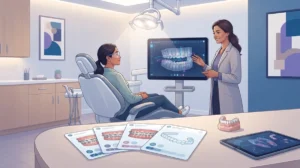
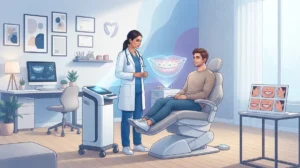
- Initial Consultation: Your orthodontist takes X-rays, photos, and impressions to assess your bite and jaw structure.
- Custom Treatment Plan: A personalized plan is created based on your age, overbite type, and goals.
- Appliance Placement: Braces, aligners, or other devices are fitted and instructions are given for care.
- Regular Adjustments: You visit the orthodontist every 4 to 8 weeks for check-ups and adjustments.
- Retention Phase: Once treatment ends, retainers are provided to maintain your results long-term.
Risks of Leaving an Overbite Untreated
Some people wonder if an overbite really needs to be fixed. The answer is often yes. Here is what can happen when an overbite goes untreated:
- Excessive wear on tooth enamel
- Jaw pain and TMJ (temporomandibular joint) disorders
- Difficulty chewing or biting food properly
- Speech issues in children
- Increased risk of tooth damage or chipping
- Lower self-confidence due to smile appearance
The sooner an overbite is addressed, the easier and less costly treatment tends to be. Early treatment in children can prevent many of these complications altogether.
Who Can Benefit from Overbite Treatment?
The short answer is everyone. Overbite correction is not just for kids. Adults of all ages can benefit from orthodontic treatment. In fact, more adults than ever are seeking treatment in 2026, thanks to the availability of discreet options like clear aligners.
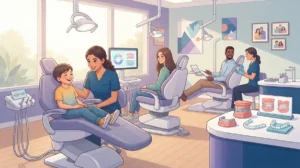
Whether you are a parent looking to give your child the best start, a teen heading into high school, or a professional wanting a smile refresh, there is a treatment option that fits your life. Chacon Orthodontics serves patients across all age groups in the Westchase, Florida area and is proud to offer personalized care for every smile.
Understanding your insurance coverage and available payment plans is also an important part of planning your treatment. Cost should never stand in the way of a healthy, confident smile.
Tips for Success During Overbite Treatment
- Wear aligners or removable appliances for the recommended number of hours each day
- Keep all scheduled orthodontic appointments
- Maintain excellent oral hygiene to avoid cavities during treatment
- Follow dietary guidelines if wearing braces
- Wear your retainer as directed once active treatment ends
Why Choose an Experienced Orthodontist
Overbite correction requires skill and experience. A qualified orthodontist understands the mechanics of jaw alignment and tooth movement. They can identify which treatment will work best for your specific case and adjust the plan as needed over time.
Dr. Chacon and our team at Chacon Orthodontics bring expert, personalized care to every patient. From children’s first orthodontic visit to adult clear aligner therapy, the focus is always on creating healthy bites and confident smiles. You can also read our reviews on Google to hear directly from patients about their experiences.
Not sure where to start? Your first visit is a great way to learn what treatment options are right for you. And if you want to know more about why choose Chacon Orthodontics, we make it easy to find all the information you need.
Conclusion
Orthodontic treatment for overbite has come a long way. From traditional braces to nearly invisible clear aligners, today’s options make it easier than ever to get the healthy bite and beautiful smile you deserve. The key is to start with an evaluation from a qualified orthodontist and choose the treatment path that fits your age, lifestyle, and goals.
Do not wait for the problem to get worse. Overbites are highly treatable, especially when caught early. Whether you are researching options for your child or finally ready to fix your own bite, there has never been a better time to take action.
Take the first step today and schedule your free consultation with the team at Chacon Orthodontics. We are here to help you achieve a smile that feels as good as it looks. You can also visit us on Google to learn more about our practice and connect with our team.
FAQs
Q: What causes an overbite?
A: Overbites are caused by either tooth positioning (dental overbite) or jaw bone misalignment (skeletal overbite). Genetics, childhood habits like thumb sucking or prolonged pacifier use, and jaw development issues are common contributing factors. An orthodontist can determine the exact cause through X-rays and a clinical exam.
Q: How long does orthodontic treatment for overbite take?
A: Treatment time varies depending on the severity of the overbite and the method used. Mild cases treated with clear aligners may take 6 to 18 months, while moderate to severe cases with braces typically take 12 to 24 months. Cases requiring surgery can take 18 to 36 months or more when combined with pre- and post-surgical braces.
Q: Can adults get overbite correction?
A: Yes, adults of all ages can receive orthodontic treatment for overbite. Options like clear aligners, custom braces, and in severe cases, orthognathic surgery, are all available for adult patients. Treatment may take slightly longer in adults since the jaw is no longer growing, but results are very effective.
Q: Are clear aligners effective for fixing an overbite?
A: Clear aligners work well for mild to moderate overbites by gradually shifting the teeth into proper alignment. They are most effective when worn consistently for 20 to 22 hours per day. For more severe or skeletal overbites, traditional braces or specialized jaw appliances may be more appropriate.
Q: What happens if an overbite is left untreated?
A: An untreated overbite can lead to excessive tooth wear, jaw pain, TMJ disorders, difficulty chewing, and speech problems in children. Over time, the condition may worsen and become more difficult and costly to correct. Early evaluation and treatment can prevent many of these complications.