Key Takeaways
-
Straighter teeth are easier to clean, reduce jaw pain, and support better long-term oral health — making orthodontic treatment beneficial beyond cosmetic improvements.
-
Most orthodontic treatment takes 18-24 months, with visible changes appearing within the first few months; results vary by case complexity and appliance type (metal braces, ceramic braces, or clear aligners).
-
Braces can noticeably reshape the lower third of your face by improving jawline definition, lip posture, and facial symmetry, especially in cases involving significant overbites or underbites.
-
The retention phase after braces are removed is critical — custom retainers must be worn consistently to prevent teeth from shifting back to their original positions.
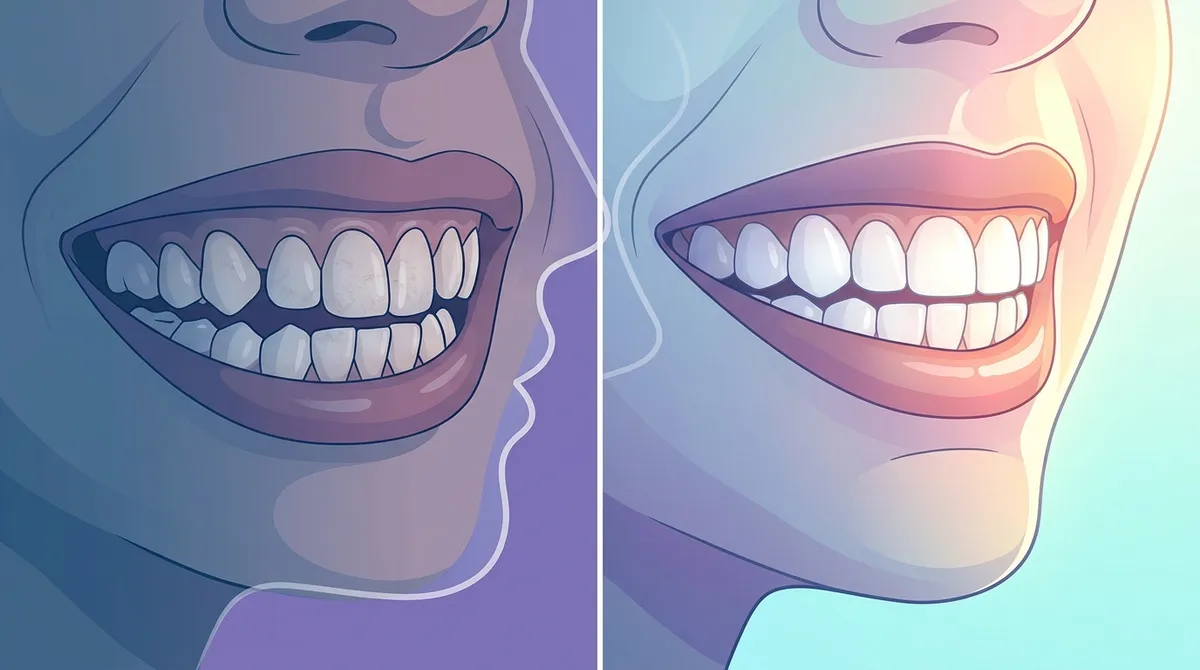
A straighter smile can change more than your appearance — it can change your life. Whether you are a parent researching options for your child or an adult finally ready to address long-standing dental concerns, understanding what braces before and after results look like is an important first step. Real patient transformations show dramatic improvements in tooth alignment, bite correction, and overall facial balance. These changes are not just cosmetic. Straighter teeth are easier to clean, reduce jaw pain, and support better long-term oral health. At Chacon Orthodontics, patients in Westchase and Brandon, Florida, experience personalized treatment plans backed by advanced technology and board-certified expertise. This article walks you through what to expect before, during, and after orthodontic treatment — so you can feel confident about starting your smile journey.
What Orthodontic Treatment Actually Fixes
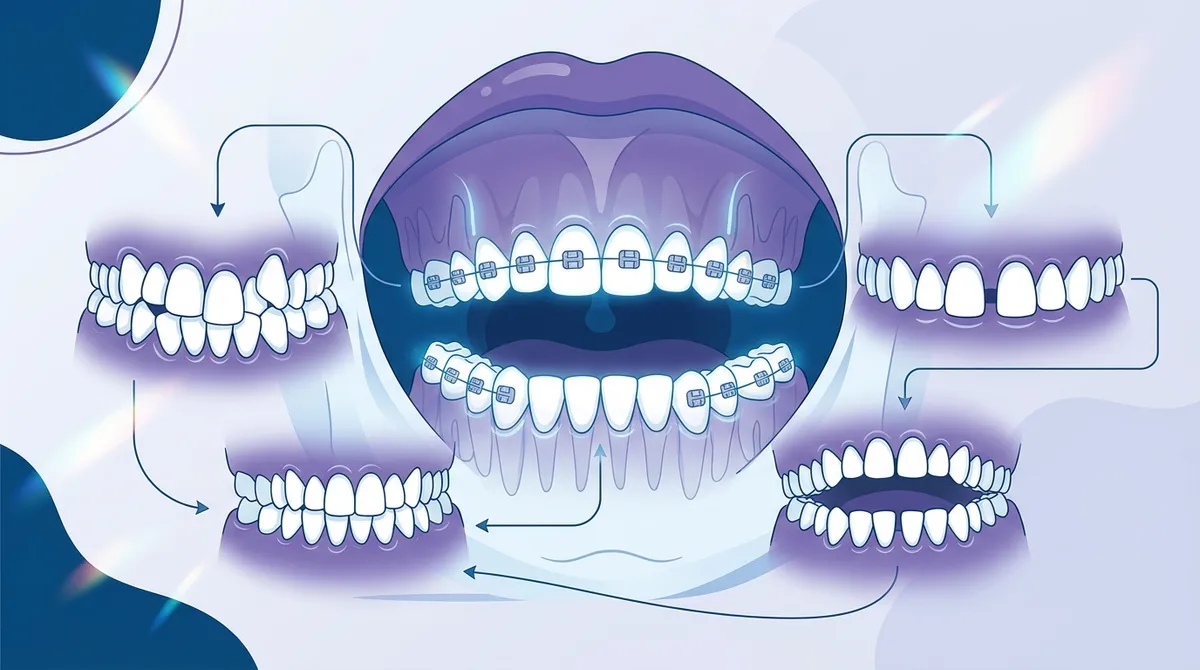
Braces and clear aligners address a wide range of dental issues. Understanding what conditions orthodontic treatment corrects helps set realistic expectations for your before and after results. The American Association of Orthodontists recognizes several common issues that benefit from orthodontic correction.
Here are the most common conditions that braces and aligners treat:
- Crowding: Teeth that overlap or shift due to lack of space
- Overbite: Upper teeth that cover too much of the lower teeth
- Underbite: Lower teeth that sit in front of upper teeth
- Gaps: Extra space between one or more teeth
- Open bite: Upper and lower teeth that do not meet when the mouth is closed
- Crossbite: Upper teeth that sit behind lower teeth on one or both sides
- Protruding teeth: Front teeth that jut outward beyond the normal range
Each of these conditions affects both appearance and function. Correcting them improves your bite, makes oral hygiene easier, and can significantly alter your facial profile — especially in more severe cases involving jaw positioning.
Types of Braces and What Results to Expect
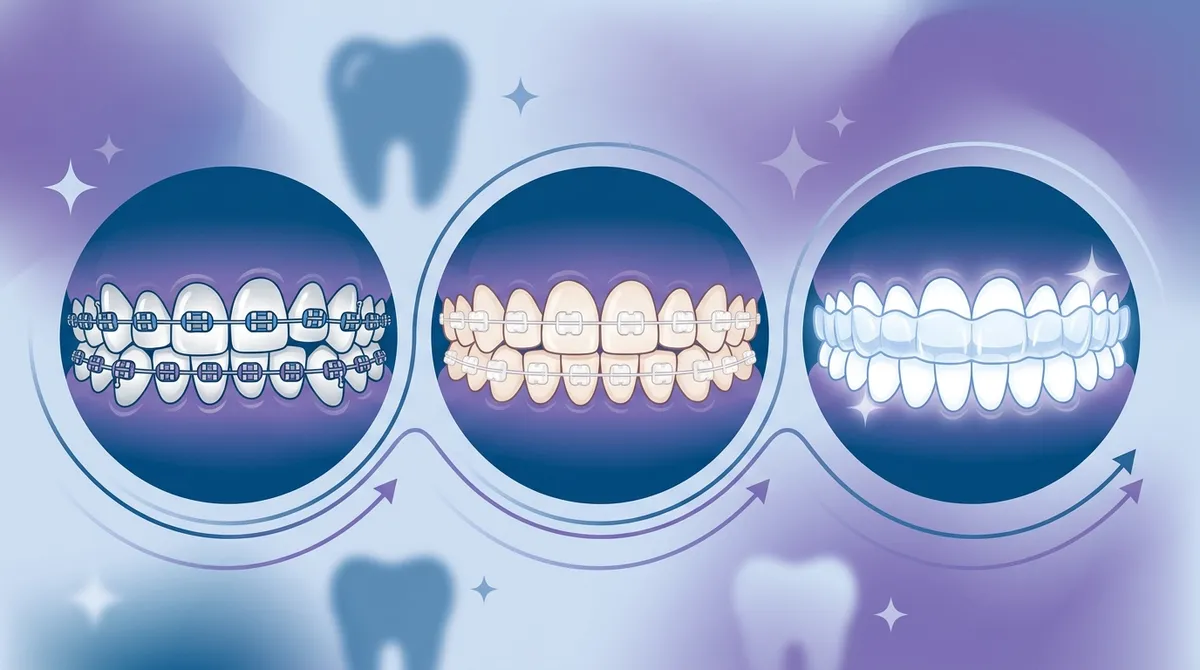
Different orthodontic appliances produce similar outcomes but work in different ways. Choosing the right option depends on your specific case, lifestyle, and goals. Explore our custom braces and clear aligners options for a full overview.
| Treatment Type | Best For | Average Duration | Key Benefit |
|---|---|---|---|
| Traditional Metal Braces | Crowding, complex cases | 18–24 months | Most effective for severe misalignment |
| Ceramic Braces | Gap closure, moderate cases | 18–20 months | Tooth-colored, less visible than metal |
| Clear Aligners (Invisalign) | Overbites, mild to moderate cases | 12–24 months | Removable, discreet, convenient |
Metal braces remain the gold standard for complex corrections. Ceramic braces offer a more discreet option with comparable results. Clear aligners are popular among teens and adults who prefer a nearly invisible approach. All three options deliver meaningful braces before and after transformations when used as directed.
The Orthodontic Treatment Process: Step by Step
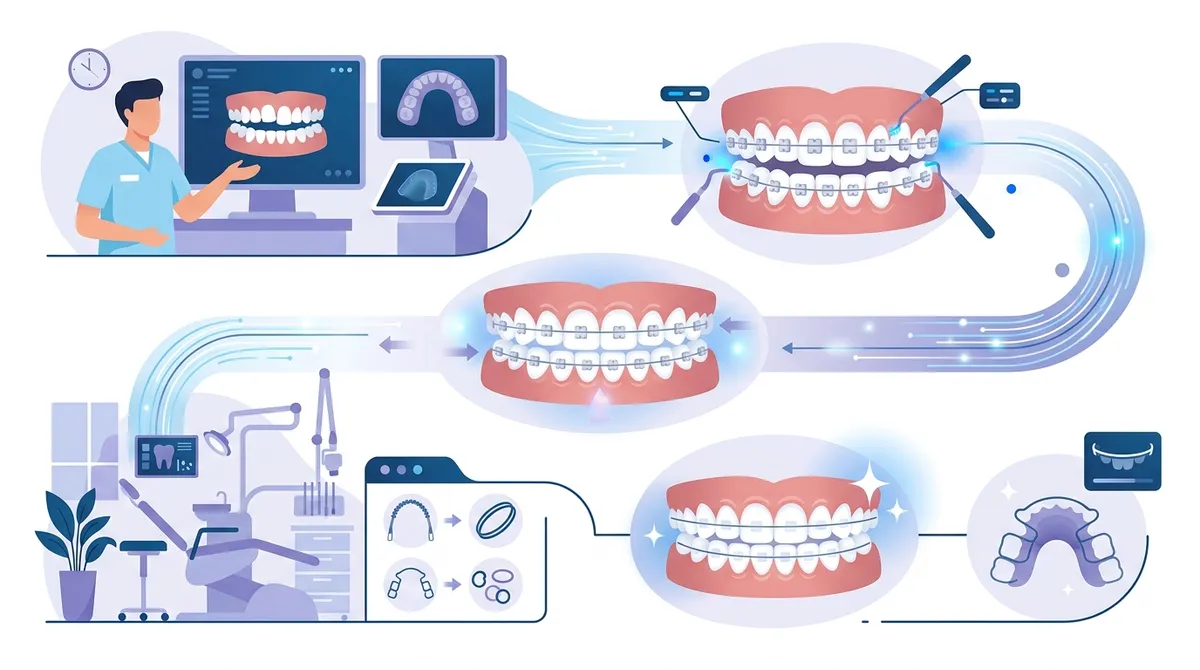
Understanding the full treatment journey helps patients of all ages feel prepared. Here is what the process typically looks like from start to finish:
- Initial Consultation: Your orthodontist evaluates your teeth, jaw, and facial structure. At Chacon Orthodontics, this includes a digital 3D exam and a review of all available treatment options — with no pressure to commit on the spot. Schedule your no-cost visit to get started.
- Treatment Planning: X-rays, digital impressions, and photographs are used to create a precise plan tailored to your case.
- Appliance Placement: Braces are bonded to the teeth or aligners are custom-fabricated and fitted.
- Regular Adjustments: You visit the office every 6–10 weeks so the orthodontist can monitor progress and make necessary changes.
- Retention Phase: After braces are removed, retainers are worn to maintain your new smile and prevent teeth from shifting back.
This process is consistent whether you are pursuing treatment for a child, teen, or adult. The timeline varies by case complexity, but most patients complete treatment within 18 to 24 months.
Before and After Results by Age Group
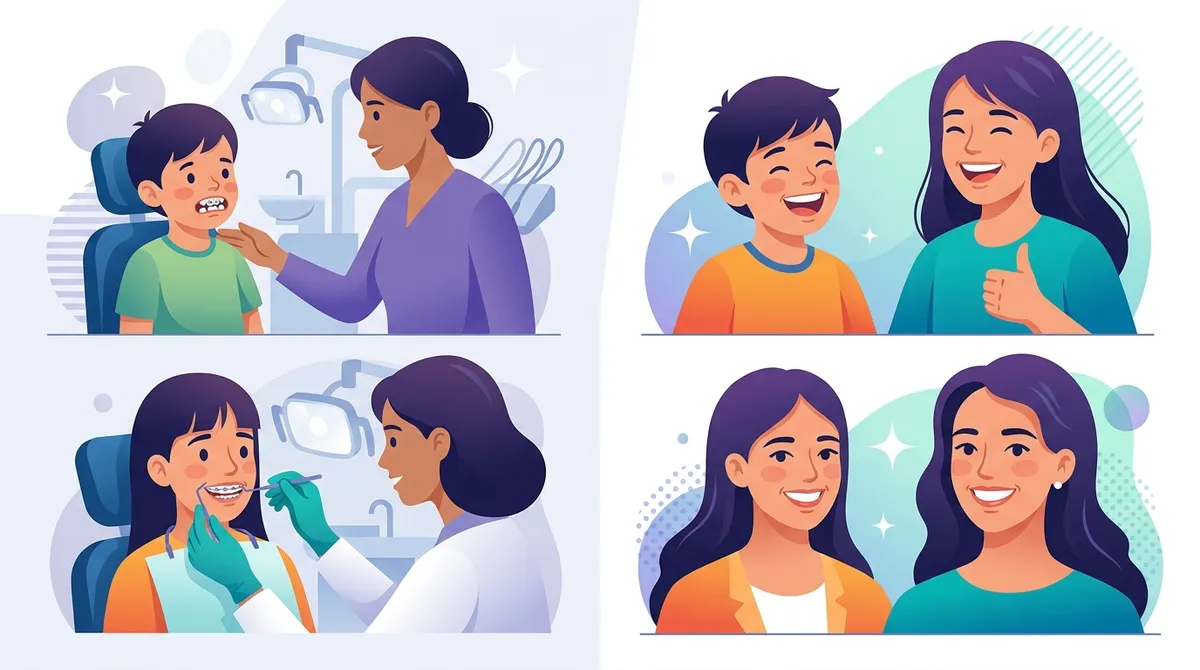
Orthodontic treatment delivers powerful results across all age groups. The type of correction, speed of treatment, and appliance choice may differ, but the outcomes are similarly transformative. The American Dental Association supports early evaluation for children, ideally around age 7, to identify potential issues before they worsen.
| Age Group | Common Issues Corrected | Typical Duration | Recommended Option |
|---|---|---|---|
| Children (7–12) | Crowding, crossbite, spacing | 12–18 months | Traditional or ceramic braces |
| Teens (13–17) | Crowding, overbite, gaps | 18–24 months | Metal braces or clear aligners |
| Adults (18+) | All bite issues, aesthetic concerns | 18–24 months | Clear aligners or ceramic braces |
For children, early treatment can prevent more complex procedures later. Teens often see some of the most dramatic before and after results due to their still-developing jaws. Adults benefit just as much — with modern options making treatment more comfortable and discreet than ever before.
How Braces Change More Than Just Your Teeth
One of the most surprising aspects of orthodontic treatment is its effect on facial aesthetics. Many patients do not expect braces to change their overall appearance beyond their teeth — but the results often go much further.
Here is what patients commonly notice after braces are removed:
- A more balanced and symmetrical facial profile
- Improved jawline definition, especially after overbite or underbite correction
- Reduced facial tension and jaw discomfort
- A more confident and open smile
- Easier daily oral hygiene routines
In cases involving significant overbite, underbite, or open bite, repositioning the teeth and jaws can noticeably reshape the lower third of the face. Cheeks appear fuller, lips rest more naturally, and the chin gains better definition. These are common findings in real braces before and after transformations.
Real Patient Transformations: What the Data Shows
Looking at actual treatment outcomes helps paint a realistic picture. Here is a breakdown of common braces before and after case types and their typical timelines:
| Case Type | Patient Profile | Treatment Used | Duration | Key Outcome |
|---|---|---|---|---|
| Severe Crowding | 12-year-old | Metal braces | 18 months | Fully aligned, symmetrical smile |
| Overbite Correction | Adult (mid-30s) | Clear aligners | 24 months | Improved bite and facial profile |
| Gap Closure | Teen (age 15) | Ceramic braces | 20 months | Closed gaps, more uniform smile |
| Buck Teeth / Overjet | Teen (age 14) | Metal braces | 24 months | Corrected protrusion, balanced smile |
These outcomes reflect real case data and highlight what is achievable with consistent care and proper retention. Results vary by individual, but the pattern is clear — orthodontic treatment delivers significant, lasting improvements.
What Happens After Braces Come Off
The moment braces are removed is exciting — but the work does not stop there. The retention phase is just as important as the active treatment period. Without retainers, teeth can shift back toward their original positions over time.
Here is what to expect after your braces are removed:
- Debonding Appointment: Braces or aligners are removed and teeth are polished.
- Retainer Fitting: Custom retainers are made to hold your teeth in their new positions. Learn more about retainer options available at Chacon Orthodontics.
- Ongoing Wear Schedule: Most patients wear retainers full-time initially, then nightly long-term.
- Follow-Up Visits: Periodic check-ins ensure your results are maintained.
Many patients also choose to enhance their final results with professional teeth whitening after braces are removed. This is a popular finishing step that adds brightness to your newly aligned smile.
Why Board-Certified Care Makes a Difference
Not all orthodontic results are equal. The quality of your outcome depends heavily on the expertise of your provider. Board-certified orthodontists complete additional training and examinations beyond dental school — demonstrating a high level of clinical knowledge and skill.
Dr. Omar Chacon is a board-certified orthodontist with over 10 years of experience. He offers bilingual care in English and Spanish, making his practice especially welcoming for Spanish-speaking families in the Westchase and Brandon, Florida communities. His team uses advanced digital technology to design precise, personalized treatment plans that deliver consistent braces before and after results. Learn more about the technology used at the practice, or explore patient testimonials to see real outcomes from real people.
You can also visit Chacon Orthodontics on Google to read reviews and find directions to either location.
Conclusion
Braces before and after transformations are among the most compelling outcomes in modern dentistry. From correcting crowded teeth and closing gaps to realigning bites and reshaping facial profiles, orthodontic treatment offers life-changing results for children, teens, and adults alike. The process takes time — typically 18 to 24 months — but the long-term benefits to your health, confidence, and appearance are well worth it.
If you are ready to take the first step toward your own transformation, the team at Chacon Orthodontics is here to help. Explore your reasons to choose us, review our flexible payment plans, and schedule your free consultation today — no commitment required, just a conversation about your smile goals.
FAQs
Q: How long does it take to see braces before and after results?
A: Most patients begin to notice visible changes within the first few months of treatment. Full results are typically achieved within 18 to 24 months, depending on the severity of the case and the type of appliance used.
Q: Can adults really see significant before and after changes with braces?
A: Yes, adults experience highly effective orthodontic results, including improved tooth alignment, bite correction, and enhanced facial aesthetics. Modern options like clear aligners make adult treatment more discreet and convenient than ever.
Q: Do braces change your face shape before and after treatment?
A: In cases involving significant overbites, underbites, or open bites, braces can noticeably reshape the lower portion of the face. Repositioning the teeth and jaws often improves jawline definition, lip posture, and overall facial symmetry.
Q: What happens after braces are removed to maintain results?
A: After braces are removed, patients are fitted with custom retainers to prevent teeth from shifting back. Retainers are typically worn full-time initially, then nightly on a long-term basis to preserve the final result.
Q: Are braces before and after results the same for children and teens as for adults?
A: Results are effective across all age groups, though children and teens may experience faster correction due to their still-developing bone structure. Adults achieve equally meaningful outcomes, often with similar treatment timelines of 18 to 24 months.