Key Takeaways
-
Braces tightening is usually a progress check plus adjustments to the archwire, elastics, or other parts, not literally tightening each bracket; the teeth move mainly in the weeks between visits.
-
Most patients return every 4 to 12 weeks, with many visits about every 6 to 8 weeks; always follow the schedule your orthodontist sets for you.
-
Mild pressure or tenderness is normal for about 1 to 3 days, often strongest in the first 24 to 48 hours; severe or lasting pain should prompt a call to your orthodontist.
-
Eat soft foods, rinse with warm salt water, and use orthodontic wax on rubbing spots to ease soreness after an adjustment.
-
If a bracket loosens or a wire pokes you, cover the spot with wax and call the office rather than fixing it yourself, since home repairs can harm your treatment.
-
Skipping adjustments can slow progress, so if you cannot make an appointment, reschedule as soon as possible.
If you have braces, you have probably heard someone say it is time for your “tightening.” Maybe you felt a little nervous. Maybe you wondered if it would hurt. Good news: you are in the right place, and this part of treatment is much friendlier than it sounds.
Braces tightening is the everyday term for a scheduled orthodontic adjustment. It is one of the most important visits in your whole treatment plan. It keeps your teeth moving the right way and on time. In this guide, we will walk through what happens at the visit, how often you need one, and how to feel better afterward. We will also share simple tips for parents, teens, and adults. Think of it as a friendly chat before your next appointment, so you walk in feeling calm and ready.
What Does Braces Tightening Actually Mean?
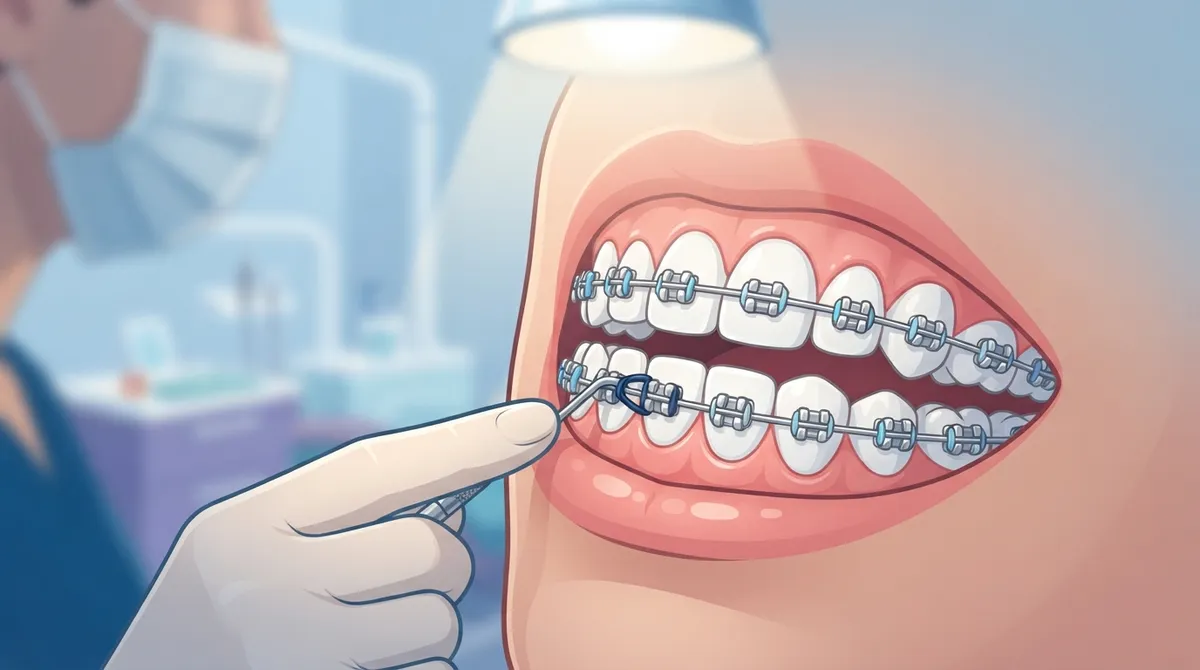
Here is a fun surprise: braces tightening does not always mean your orthodontist is literally tightening every bracket with a tool. That is a common myth.
In most cases, a braces tightening visit is an adjustment. Your orthodontist checks how your teeth have moved since the last visit. Then they may change or adjust parts of your braces so your teeth keep moving in the right direction.
Those parts may include:
- The archwire (the thin metal wire that connects your brackets)
- Elastic ties or colored bands around the brackets
- Rubber bands (elastics) that help correct your bite
- Other small parts of the appliance
So when someone says “I got my braces tightened,” they usually mean they had a progress check and an adjustment. It is a team effort between you and your orthodontist, and every visit moves you one step closer to your finished smile.
How Do Braces Move Your Teeth Between Visits?
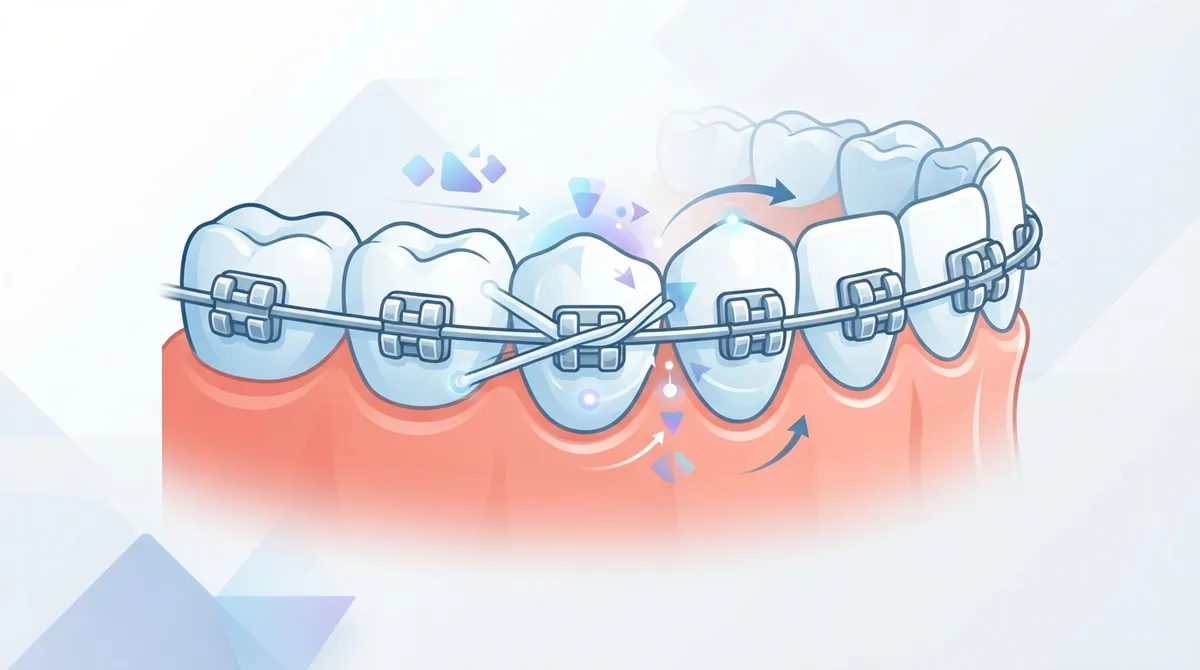
Braces work by using gentle, steady pressure. That pressure slowly guides your teeth into better positions. Your bone and gums respond to this pressure by remodeling themselves over time, which lets teeth shift safely.
Here is the key point: your teeth do not jump into place during the appointment. The real movement happens in the weeks between visits. The adjustment simply sets the next stage of movement in motion.
Think of it like a road trip. Each adjustment is a turn in the road. The driving happens afterward, while you go about your normal life. That is why attending every scheduled visit matters so much. It keeps the trip on course.
How Often Do Braces Need Tightening?
Most patients visit every few weeks, but the exact schedule depends on your treatment plan and your stage of treatment. Your orthodontist sets the right timing for you.
Here is what trusted sources say about typical timing:
| Source | Typical Adjustment Interval |
|---|---|
| American Association of Orthodontists (general range) | Every 4 to 12 weeks |
| American Association of Orthodontists (routine visits) | Every 6 to 10 weeks |
| NHS patient guidance for fixed braces | Every 6 to 8 weeks |
As you can see, there is a range. Some patients come in more often, especially at key stages. Others have longer gaps between visits. The best rule is simple: follow the schedule your orthodontist gives you.
If you are curious about how long the whole journey might take, our guide on how long braces treatment takes is a helpful next read.
What Happens During a Braces Tightening Appointment?
Walking into an adjustment visit is much easier when you know what to expect. Here is a typical step-by-step look.
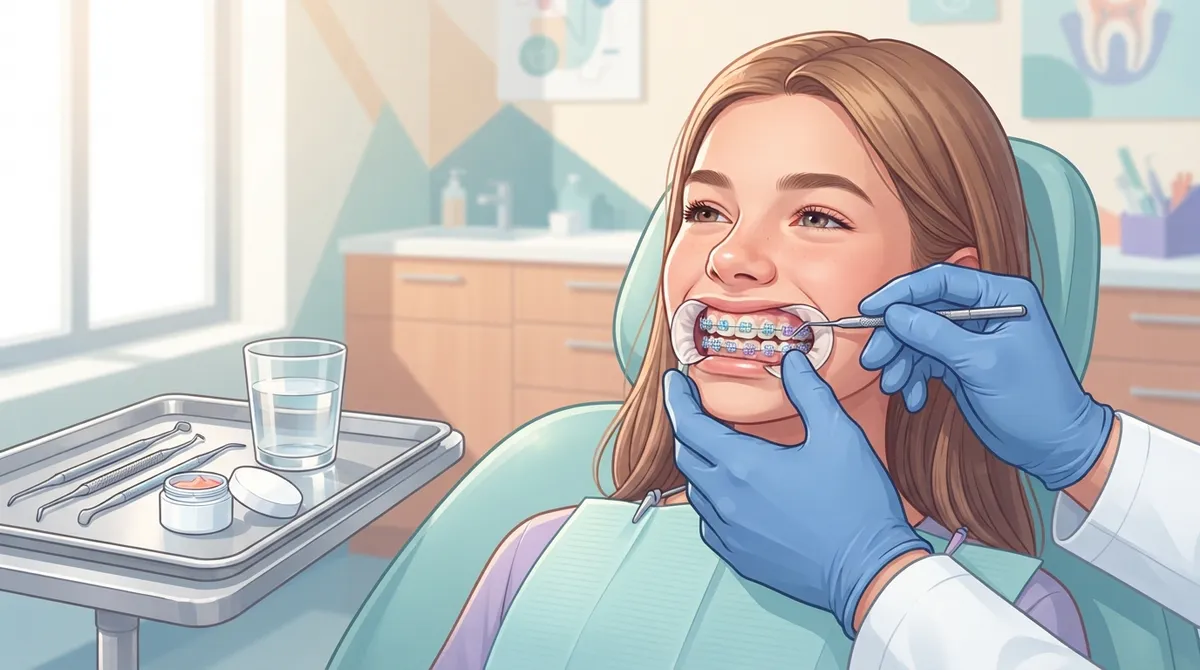
- Check-in and quick review. The team asks how you have been feeling and if you had any issues, like a loose bracket or a poking wire.
- Removal of old parts. The orthodontist or assistant removes the colored bands or ties, and sometimes the archwire.
- Progress check. Your orthodontist looks at how your teeth have moved and checks your overall oral health.
- Adjustments. A new archwire, new elastics, or other changes may be placed to guide the next stage of movement.
- Cleaning and polish. Your teeth and braces are cleaned up, so everything feels fresh.
- Care tips and next steps. You get reminders about elastics, brushing, and food, plus your next visit date.
Most adjustment visits are shorter than your first appointment. Many patients are in and out quickly. If you are new to braces, it helps to read about how to prepare for braces adjustment visits before you go.
Does Braces Tightening Hurt?
Let us be honest and kind about this one. Many people feel some pressure or tenderness after an adjustment. It is usually mild, and it does not last long.
According to the AAO, this soreness generally lasts a few days. It is often strongest in the first 24 to 48 hours. Every person is different, so your experience may feel lighter or heavier than a friend’s.
Here is a quick look at what is normal and what is not:
| What You Feel | Is It Normal? | What To Do |
|---|---|---|
| Mild aching or pressure for 1 to 3 days | Yes | Soft foods, rinses, wax if needed |
| Teeth feel a little loose or tender when biting | Yes, for a short time | Choose soft foods until it fades |
| Small sore spots on cheeks or lips | Common | Orthodontic wax and salt-water rinses |
| Severe pain or pain lasting beyond a few days | Not typical | Call your orthodontist |
| Broken bracket or poking wire | Needs attention | Call the office for advice |
If you want to hear more about comfort, Dr. Chacon shares helpful thoughts in Are Braces Painful? Dr. Chacon Shares What to Expect.
How Can You Feel Better After Your Adjustment?
A little self-care goes a long way. These simple steps can help you feel comfortable fast.
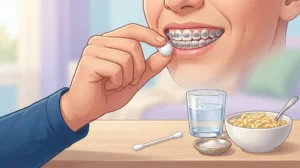
- Eat soft foods. Think yogurt, mashed potatoes, soup, smoothies, scrambled eggs, and pasta.
- Rinse with warm salt water. Mix a small amount of salt in a glass of warm water and swish gently. It can soothe sore gums.
- Use orthodontic wax. If a bracket or wire rubs your cheek, a small bit of wax makes a soft barrier.
- Try an over-the-counter pain reliever. Use it exactly as the label says, or as your clinician advises. If you are not sure which one is right for you, ask your orthodontist or pharmacist.
- Keep brushing. Clean teeth feel better, and gums heal faster when they are free of plaque.
Need snack ideas the whole family will love? Take a look at these braces-friendly snacks. And if you are not sure which foods to skip, this simple guide on foods to avoid with braces has you covered.
What Should You Eat After Braces Tightening?
The first day or two is the time to be gentle with your teeth. Soft, easy-to-chew foods are your best friends.
Good choices include:
- Oatmeal, bananas, and applesauce
- Mac and cheese, rice, and noodles
- Cottage cheese, pudding, and ice cream
- Soft fish, tender chicken, and well-cooked veggies
Try to avoid hard, crunchy, or sticky foods, especially right after your visit. Chewy candy, popcorn, and hard nuts can irritate sore teeth. They can also damage your braces and slow your progress.
Tips for Every Member of the Family
Braces tightening feels a little different depending on your age and lifestyle. Here are a few thoughts for each group.
For Parents of Younger Kids
Kids can feel nervous before an adjustment. Keep things upbeat and simple. Let them know it is a quick check-up and that some tenderness is normal. Stock the kitchen with soft foods for the evening. A cozy dinner of soup or pasta can turn the day into something to look forward to. If your child is just starting treatment, you may enjoy reading about what to expect at your child’s first visit.
For Teens
Between school, sports, and social plans, adjustment days can feel like a hassle. Try to book visits at times that fit your schedule. Pack wax in your backpack and keep your elastics in a small case. If you play a contact sport, ask about a mouthguard that fits over braces. Staying on top of your visits keeps your treatment on track, which means your braces come off sooner.
For Adult Professionals
Working adults often worry about time and appearances. The good news is that adjustments are usually quick. Many adults schedule a visit before work or during a lunch break. Soft lunches on adjustment day, like a hearty soup, can make the afternoon easier. For more tips tailored to adult patients, see our guide to orthodontic treatment for adults.
For Bilingual Families
Clear communication matters, especially when you are learning how to care for braces. At Chacon Orthodontics, care is offered in both English and Spanish. That means every family member can ask questions, understand instructions, and feel at home. Whether you prefer to chat in English or Spanish, the team is happy to explain each step.
What If a Bracket Comes Loose or a Wire Pokes You?
It happens, and it is not the end of the world. Sometimes a bracket loosens or a wire shifts, even after a careful adjustment.
Here is a simple plan:
- Stay calm. This is a very common issue.
- Use orthodontic wax. Cover the sharp spot to protect your cheeks and lips.
- Do not try to fix it yourself. Cutting wires or reattaching brackets at home can cause problems.
- Call your orthodontic office. The team will tell you if you should come in soon or if it can wait for your next visit.
If you ever have trouble breathing or swallowing, uncontrolled bleeding, or a serious injury to your face, get urgent medical care right away. For less urgent concerns, our article on orthodontic emergencies and when to call Dr. Chacon explains what to do. You can also read about what to do about a broken braces bracket.
Can You Skip a Braces Adjustment?
It can be tempting to skip a visit when life gets busy. But missing an adjustment can slow your progress. Your teeth keep needing guidance, and the timeline may stretch longer than planned.
If you cannot make your appointment, call the office and reschedule as soon as you can. The team can often find another time that works. Staying consistent is one of the best ways to finish on schedule and get the smile you want.
How Do You Keep Teeth Healthy Between Visits?
Braces create many tiny spots where food can hide. Good daily habits protect your teeth and gums while your treatment moves along.
- Brush after meals if you can, and at least twice a day
- Floss daily using floss threaders or special orthodontic floss
- Wear your elastics as directed, every day
- Skip hard and sticky foods that can break brackets
- Keep your regular dental cleanings on your calendar
If you need a refresher, we break it down in how to brush and floss with braces effectively. Healthy teeth and gums mean smoother visits and better results.
Your Brandon Orthodontic Team Is Here for You
Braces are a journey, and you do not have to walk it alone. At Chacon Orthodontics, Dr. Omar Chacon and the team focus on personalized, comfortable care for kids, teens, and adults. With locations in Westchase and Brandon, families have friendly support close to home. You can learn more about the doctor on our Dr. Omar Chacon page.
Curious what other families think? You can see what Chacon Orthodontics Brandon patients say on Google by visiting Visit us on Google — Chacon Orthodontics Brandon. You can also follow along with smile stories and helpful tips on Instagram, join the conversation on Facebook, or connect with Dr. Chacon on LinkedIn.
Final Thoughts: You Have Got This
Braces tightening is simply a check-in that keeps your smile on track. You get a quick progress review, a few small changes, and a little tenderness that fades in a few days. With soft foods, good brushing, and a steady schedule, you will be well on your way to a confident smile.
If you have questions about your own adjustments or want to explore treatment for yourself or your child, we would love to hear from you. Take the next step and book a Free Consultation with our friendly team. Or, if you prefer to ask a quick question first, simply contact us and we will be happy to help.
FAQs
Q: How often do braces need to be tightened or adjusted?
A: Most patients have adjustment visits every 4 to 12 weeks, depending on their treatment plan and stage. Many people visit about every 6 to 8 weeks. Your orthodontist will set the schedule that is best for you.
Q: Does getting braces tightened hurt, and how long does soreness last?
A: You may feel mild pressure or tenderness, but it is usually not severe. It is often strongest in the first 24 to 48 hours and typically fades within a few days. If pain is strong or lasts longer, call your orthodontist.
Q: What can I do to relieve soreness after a braces adjustment?
A: Try soft foods, warm salt-water rinses, and orthodontic wax for any rubbing spots. An over-the-counter pain reliever can help when used as the label directs. If you are unsure which one is right for you, ask your orthodontist or pharmacist.
Q: What should I do if a bracket comes loose or a wire pokes me?
A: Cover the sharp spot with orthodontic wax and call your orthodontic office for advice. Please do not try to fix it yourself, since that can harm your treatment. The team will let you know if you need a quick visit.
Q: Will missing a braces adjustment appointment delay my treatment?
A: It can. Adjustments help guide your teeth step by step, so skipping one may slow your progress. If you cannot make it, call the office and reschedule as soon as you can.