Key Takeaways
-
Book a professional orthodontic evaluation to get a definitive answer, as some bite problems and alignment issues hide beneath the surface and cannot be diagnosed from appearance alone.
-
Crowded or crooked teeth should be addressed because they're harder to clean, significantly raising your risk for cavities and gum disease over time.
-
Bite problems like overbites, underbites, crossbites, and open bites warrant evaluation since they affect chewing function, jaw comfort, and can cause tooth wear or injury.
-
Children should have their first orthodontic checkup by age 7 to screen for growth-related issues early, while permanent teeth typically arrive between ages 12-13 for most active treatment.
-
Clear aligners work well for mild to moderate cases and offer flexibility for teens and professionals, while traditional braces handle complex bite corrections more effectively.
-
After treatment completes, nightly retainer wear is essential long-term to prevent teeth from drifting back to their original positions and losing your results.
Staring in the mirror and wondering, “do I need braces?” You’re definitely not alone. Whether you’re a parent watching your child’s new teeth come in crooked, a teen who’s tired of hiding a smile in photos, or a busy adult finally ready to fix that overbite, this question pops up more than you’d think. The tricky part? You can’t always tell just by looking. Some bite problems hide beneath the surface, while other things that look scary are actually totally normal.
That’s exactly why we put together this friendly, no-pressure guide. We’ll walk through the real signs that mean it’s time to get checked, plus a few myths worth clearing up. Think of this as your first step, not a diagnosis. At Chacon Orthodontics, Dr. Omar Chacon and his team see families from Westchase and Brandon every week who had the exact same question you have right now. Let’s dig in together.
1. Your Teeth Look Crowded or Crooked
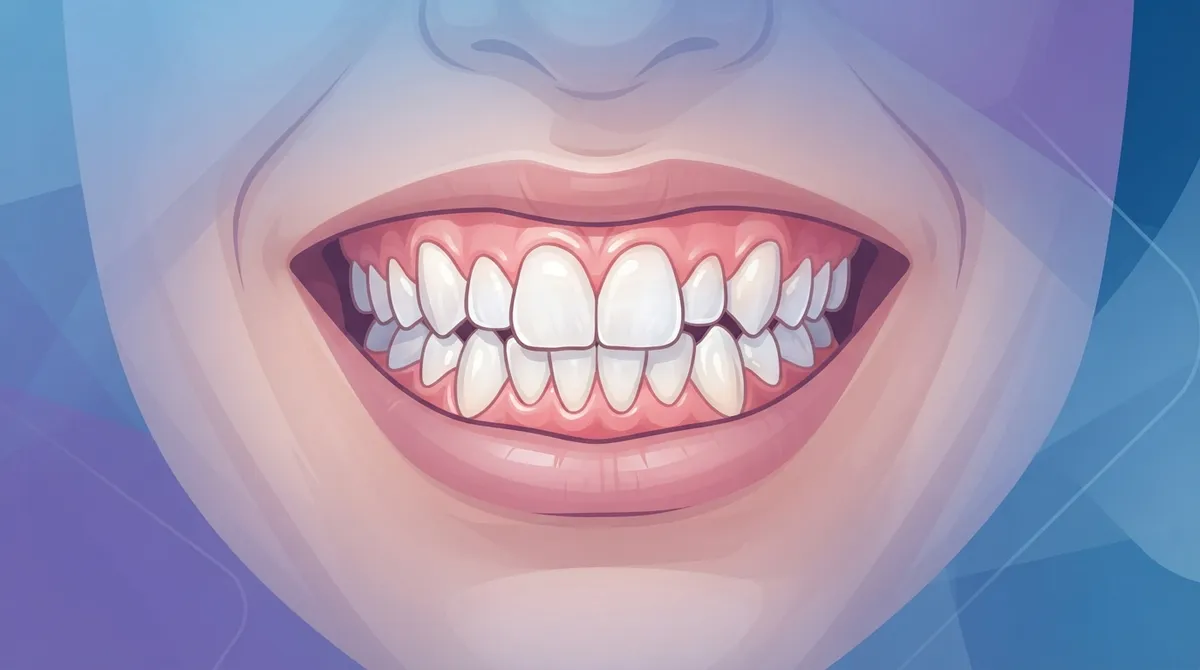
This is the big one most people notice first. If your teeth overlap, twist, or seem squished together, that’s called crowding. It happens when there isn’t enough room in your jaw for all your teeth to line up nicely.
Mild crowding might not need treatment right away. But moderate to severe crowding usually benefits from custom braces or clear aligners. Crowded teeth are also harder to clean, which raises your risk for cavities down the road.
2. You Have Noticeable Gaps Between Teeth
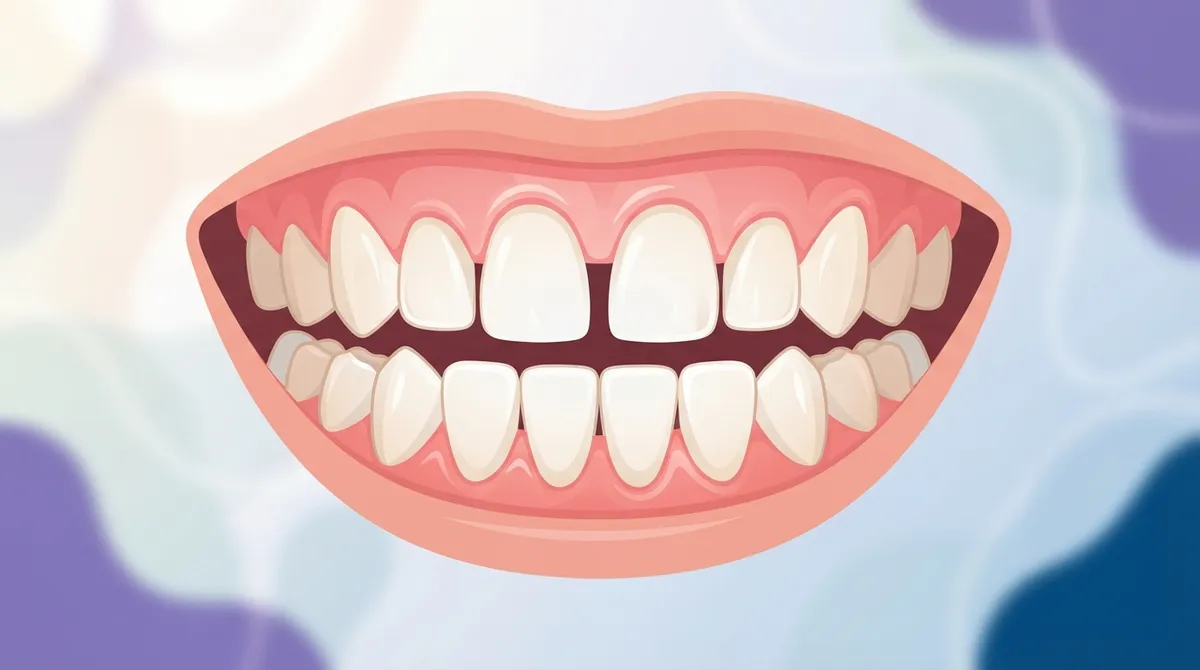
On the flip side, some people have too much space instead of too little. Big gaps between teeth, especially the front two, can happen for genetic reasons or from a missing tooth. Braces or aligners can gently close these spaces so your smile looks even and full.
3. Your Teeth Stick Out or Protrude
Protruding front teeth, sometimes called “buck teeth,” happen when upper teeth extend too far forward. This can affect how your lips close and may even increase the chance of chipping a tooth during a fall or sports injury. An orthodontist can pull those teeth back into a healthier, safer position.
4. You Have an Overbite, Underbite, Crossbite, or Open Bite
Bite problems are a huge reason people ask themselves this question. Here’s a quick breakdown of what each one means:
| Bite Issue | What It Looks Like | Why It Matters |
|---|---|---|
| Overbite | Upper teeth sit far over lower teeth | Can cause gum irritation and wear |
| Underbite | Lower teeth sit in front of upper teeth | Affects chewing and jaw comfort |
| Crossbite | Some upper teeth sit inside lower teeth | Can cause uneven jaw growth |
| Open Bite | Front teeth don’t touch when biting down | Makes biting food difficult |
Any of these patterns is a solid reason to book an evaluation. Our team put together a helpful guide on overbite vs underbite bite problems if you want to learn more before your visit.
5. Chewing or Biting Feels Difficult
Food should be easy to bite and chew without pain or effort. If you find yourself avoiding certain foods, chewing only on one side, or feeling like your teeth just don’t “fit together right,” that’s a functional problem worth mentioning to an orthodontist. It’s not just about looks. Chewing trouble can affect digestion and nutrition over time.
6. You Frequently Bite Your Cheek or Tongue
Accidentally biting the inside of your cheek or tongue on a regular basis often points to misaligned teeth or a bite that doesn’t line up correctly. It sounds minor, but repeated cheek biting is annoying and can lead to sores. This is one of those small clues your mouth is giving you.
7. Brushing and Flossing Feels Like a Struggle
Some teeth are just harder to clean than others. If crowded or overlapping teeth make it tough to get your toothbrush or floss where it needs to go, plaque can build up fast. That raises your risk for cavities and gum disease. Straighter teeth are simply easier to keep clean for life.
8. Baby Teeth Came In or Fell Out at Odd Times
Parents, this one’s for you. Watch for baby teeth that fall out too early or hang on much longer than expected. Also keep an eye out for permanent teeth that seem delayed or come in crooked from the start. These patterns can signal a developing alignment issue.
- Baby teeth lost more than a year early
- Permanent teeth not showing up by the expected age
- Teeth erupting in the wrong position
- Visible crowding even with baby teeth still present
The American Association of Orthodontists recommends kids have their first orthodontic checkup by around age 7. This isn’t because most 7-year-olds need braces right away. It’s simply a good time to screen for growth-related issues while there’s still room to guide things in the right direction. Our article on early signs you need braces covers this in more detail for concerned parents.
9. Missing or Extra Teeth
Sometimes a permanent tooth never develops, or an extra tooth shows up where it shouldn’t. Both situations can throw off the spacing and alignment of the rest of your smile. Dental X-rays during a checkup can reveal these issues even before they’re visible.
10. Jaw Shifting, Asymmetry, or Discomfort
If your jaw seems to shift to one side when you bite down, or your face looks slightly uneven, that’s worth a professional look. Jaw clicking or occasional discomfort doesn’t automatically mean you need braces though. Sometimes it’s related to muscle tension or other causes entirely unrelated to tooth alignment. A dentist or orthodontist can help sort out what’s really going on rather than guessing on your own.
11. Unusual Tooth Wear
Take a look at your teeth’s edges. Flat spots, chips, or uneven wear patterns can be a sign that your bite is putting pressure in the wrong places. This kind of wear tends to get worse over time if the underlying bite issue isn’t addressed.
12. You’re Simply Unhappy With Your Smile
Not every reason for braces has to be a medical one. Confidence matters too. If you find yourself covering your mouth in photos or avoiding smiling in conversations, that’s a completely valid reason to explore your options. Many adults come to us purely because they finally want the smile they’ve always wanted. Check out our page on orthodontic care for adults to see how treatment fits into a busy grown-up life.
So, How Do You Actually Find Out?
Here’s the honest truth: no online checklist, including this one, can replace a real evaluation. An orthodontist looks at far more than what’s visible. During a consultation, expect these steps:
- A visual exam of your teeth, gums, and bite
- Digital scans or X-rays to see below the surface
- A discussion of your concerns and goals
- A custom treatment plan with timeline and cost estimate
- Answers to any questions about aligners, braces, or other options
This process helps your orthodontist understand not just how your smile looks, but how your jaw is growing and how your teeth are functioning together. Want to see exactly what happens step by step? Our guide on what happens during an orthodontic exam walks you through it in plain language.
What Age Should You Start Thinking About This?
Timing depends a lot on the person. Here’s a general roadmap many families follow:
- Age 7: First orthodontic screening, mostly to check growth patterns
- Ages 10-14: Most active treatment for kids and teens begins here
- Ages 12-13: Common age noted by dental health guidance since most permanent teeth have arrived
- Adulthood: No upper age limit exists for braces or clear aligners
Treatment length varies too. Many cases take roughly 12 to 30 months from start to finish, depending on how complex the correction is and how well you follow instructions like wearing rubber bands or aligner trays consistently.
Braces or Clear Aligners: Which Fits Your Life?
Once you know treatment makes sense, the next question is usually about which option fits your lifestyle. Here’s a simple comparison:
| Feature | Traditional Braces | Clear Aligners |
|---|---|---|
| Visibility | Visible metal or ceramic brackets | Nearly invisible trays |
| Removable | No, fixed to teeth | Yes, removable for eating |
| Best For | Complex bite corrections | Mild to moderate cases |
| Maintenance | Careful brushing around brackets | Regular tray cleaning |
Teens juggling sports and social events often love the flexibility of removable clear aligners, while working professionals appreciate how discreet they are during meetings. Curious which route makes more sense for your specific bite? Our comparison on braces vs clear aligners breaks it down further.
Don’t Skip This Step: Healthy Teeth and Gums First
Before any orthodontic treatment starts, your teeth and gums need to be in good shape. Braces trap food more easily, so untreated cavities or gum disease can get worse during treatment. Your orthodontist or dentist may ask you to handle any decay first, then jump into straightening once your mouth is ready. This one small step protects your investment and your long-term oral health.
After Treatment: Retainers Are Non-Negotiable
Here’s something people don’t always expect. Once braces or aligners finish their job, your teeth can drift back toward their old positions if you don’t wear a retainer. Most orthodontists recommend nightly wear for the long haul, sometimes indefinitely, to protect your results. We’ve got a full breakdown on retainers and how to keep your smile straight for life if you want the details.
Why Choose a Bilingual, Board-Certified Practice
Families in Westchase and Brandon appreciate having an orthodontist who speaks their language, literally. Dr. Omar Chacon is fluent in English and Spanish, and his team makes sure every question gets answered clearly, no matter which language feels most comfortable. You can follow along with real patient stories and smile transformations on Instagram or connect with the practice on Facebook. Dr. Chacon also shares his professional background on LinkedIn for anyone curious about his training and credentials.
If you’re near our Westchase location, you can also visit us on Google — Chacon Orthodontics West Chase to read what real patients have to say about their experience.
Wrapping It Up: Your Next Step
So, do you need braces? Only a real orthodontic evaluation can answer that with confidence. But if you’ve nodded along to even a few of these 12 signs, that’s your cue to stop wondering and start finding out. Whether you’re a parent noticing early warning signs, a teen ready for a confidence boost, or an adult finally prioritizing your smile, help is closer than you think.
Ready to get real answers instead of guesswork? Schedule your free consultation with Dr. Chacon’s team today, or reach out to our friendly staff with any questions before you come in. Your best smile is waiting, and we’d love to help you get there.
FAQs
Q: How can I tell if I need braces?
A: Look for crowded or crooked teeth, gaps, bite problems like overbite or underbite, and trouble chewing or cleaning your teeth. That said, the only sure way to know is a professional evaluation, since some issues hide beneath the surface. Booking a free consultation is a stress-free way to get real answers.
Q: At what age should a child first see an orthodontist?
A: Most orthodontists, including the American Association of Orthodontists, recommend a first checkup by around age 7. Don’t worry, this doesn’t mean braces are coming right away. It’s simply a chance to catch growth issues early while there’s still time to guide things naturally.
Q: Can adults still get braces or clear aligners?
A: Absolutely, there’s no upper age limit for orthodontic treatment. Plenty of adults choose braces or clear aligners to finally get the smile they’ve always wanted, and treatment often fits nicely around busy work and family schedules.
Q: Will braces fix jaw clicking or jaw pain?
A: Not always. Jaw clicking can come from muscle tension or other causes that have nothing to do with tooth alignment. It’s best to have both a dentist and orthodontist take a look so you get the right diagnosis instead of guessing.
Q: Do I need a retainer after my braces come off?
A: Yes, almost everyone does. Teeth naturally want to drift back toward their old spots, so wearing a retainer, often at night for the long term, protects all the hard work you put into your new smile.