Key Takeaways
-
Schedule your child's first orthodontic evaluation by age 7 as recommended by the American Association of Orthodontists, but know this is a screening visit, not a guarantee that braces are needed immediately.
-
Ages 12 to 13 are the most common time for comprehensive braces treatment when most permanent teeth have erupted and the jaw is still responsive to treatment.
-
Early interceptive treatment between ages 7 and 10 may be recommended for specific issues like severe crossbites, significant crowding, protruding front teeth, or jaw growth problems that could worsen over time.
-
Watch for warning signs that warrant evaluation sooner than age 7, including difficulty chewing, mouth breathing, prolonged thumb-sucking, speech issues, or noticeably misaligned bites.
-
Braces typically take 18 to 24 months once comprehensive treatment begins, with duration varying based on case complexity and your child's adherence to oral hygiene and appointment schedules.
-
Not all children need Phase 1 treatment; many skip directly to Phase 2 at ages 12-13, so your child's specific dental development and jaw growth determine the personalized treatment timeline.
If you’ve been wondering “what age should kids get braces,” you’re definitely not alone. This is one of the most common questions parents ask us here at Chacon Orthodontics, and honestly, it’s a great question to have on your mind. The good news? There’s no need to stress about a magic birthday when braces suddenly become necessary. Instead, orthodontic timing depends on your child’s unique smile, jaw growth, and specific dental needs.
Think of your child’s mouth like a garden that’s always growing and changing. Some kids need a little extra care early on, while others do best when treatment starts later. In this friendly guide, we’ll walk through 14 important age-related milestones and facts that will help you understand exactly when your child might need braces. We’ll cover everything from that first checkup to full comprehensive treatment, so you can feel confident and prepared every step of the way.
1. Age 7: The Recommended First Orthodontic Checkup
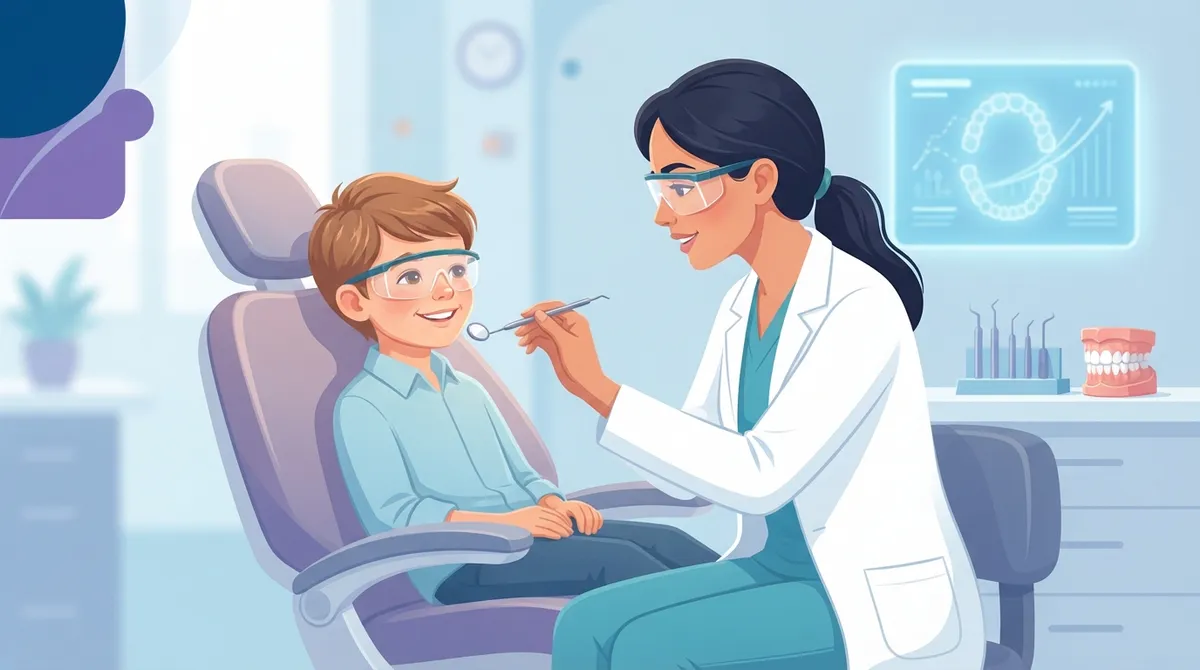
The American Association of Orthodontists recommends that every child have their first orthodontic evaluation by age 7. This might sound early, but there’s good reason behind it. At this age, kids usually have a mix of baby teeth and permanent teeth coming in. That combination gives an orthodontist a clear window into how your child’s bite and jaw are developing.
Don’t panic if your 7-year-old gets called in for a visit. This is simply a screening appointment, not a sign that braces are coming right away. Many children who get evaluated at this age are simply monitored for a few more years before any treatment begins.
2. Age 7 Doesn’t Mean Braces at 7
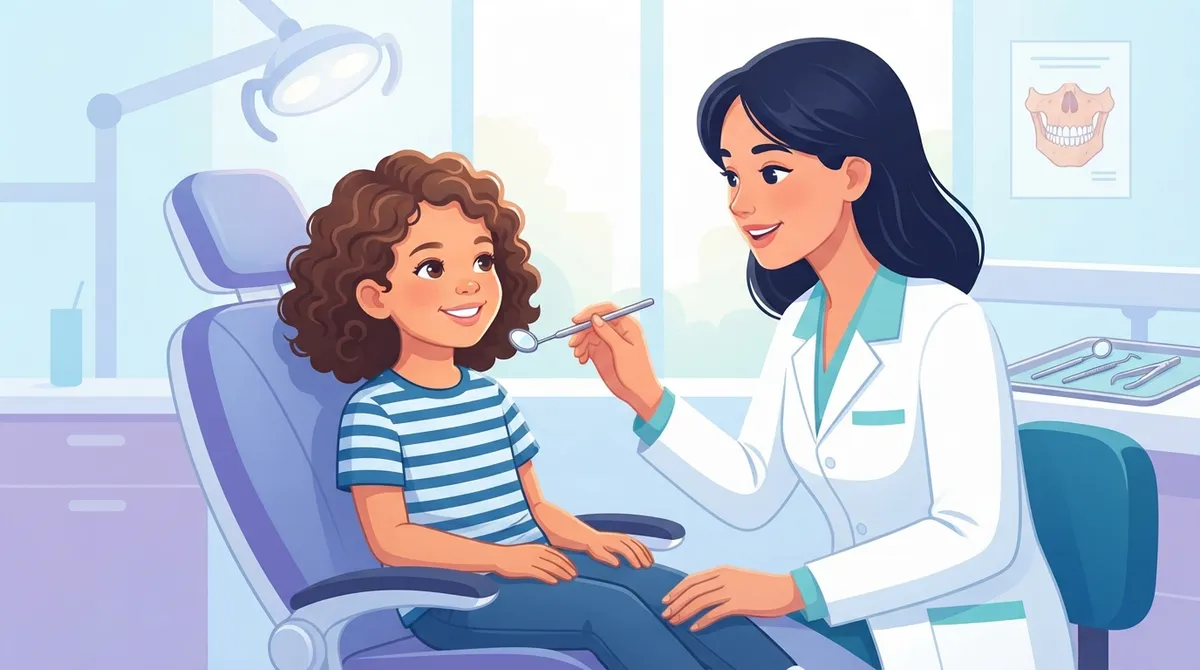
Here’s a fact that brings relief to a lot of parents: an early checkup does not mean your child needs braces immediately. The AAO is very clear that this age-7 guideline is about examination, not treatment. Most kids who see an orthodontist at this age will simply be watched and re-checked periodically.
Think of it like a wellness checkup rather than a diagnosis. Your orthodontist is simply keeping an eye on things as your child’s smile continues to develop naturally.
3. Ages 7 to 10: The Window for Early Interceptive Treatment
Some children do benefit from early treatment, often called interceptive treatment, somewhere between ages 7 and 10. This isn’t about straightening every crooked tooth right away. It’s about addressing specific problems while your child’s jaw is still growing and more flexible to guide.
Conditions that may call for earlier treatment include:
- A severe crossbite where the upper and lower teeth don’t line up correctly
- Significant jaw growth issues affecting the face’s development
- Major crowding that could get worse over time
- Protruding front teeth that put your child at risk for injury
- Impacted teeth that aren’t coming in properly
- Harmful habits like prolonged thumb-sucking affecting tooth position
If your child falls into one of these categories, early treatment can make a real difference. Learning more about early orthodontic treatment and how it can save time, money, and smiles is a great next step for concerned parents.
4. Age 8 to 10: Watching for Crossbite and Crowding Issues
Between ages 8 and 10, orthodontists pay close attention to how the jaw and teeth are lining up. This is often when crossbites and crowding become more noticeable. Catching these issues early can sometimes prevent more complicated treatment down the road.
Parents often ask us how to spot these problems at home. Take a peek at your child’s bite when they close their mouth naturally. If the top teeth sit noticeably behind the bottom teeth, or if teeth look extremely crowded, it’s worth mentioning at your next visit.
5. Age 9: A Common Time for Phase 1 Treatment to Begin
If early treatment is recommended, it often begins around age 9. This is sometimes called Phase 1 treatment. The goal isn’t to finish straightening every tooth, but to correct a specific issue like jaw alignment or severe crowding while there’s still room to guide growth.
Phase 1 treatment typically lasts anywhere from several months to about a year, depending on the problem being addressed. After this phase, many kids enter a resting period before Phase 2 begins later.
6. Ages 10 to 11: The Resting Period Between Phases
After Phase 1 treatment wraps up, many children go through a resting period. During this time, no active treatment is happening, but your orthodontist will continue to monitor progress as more permanent teeth come in.
This waiting period can feel a little confusing for parents who expected treatment to be continuous. Just know that this pause is completely normal and part of a well-planned strategy for the best long-term results.
7. Age 12 to 13: The Most Common Age for Comprehensive Braces
For most kids, ages 12 and 13 mark the sweet spot for full, comprehensive braces treatment. By this age, most permanent teeth have erupted, giving orthodontists a complete picture of how the smile is shaping up. The jaw is also still developing enough to respond well to treatment.
This is often referred to as Phase 2 treatment for kids who had early intervention, or simply the starting point for kids who didn’t need anything earlier. Either way, this age range remains the most typical time for braces to go on.
| Age Range | Typical Orthodontic Milestone | What Usually Happens |
|---|---|---|
| Age 7 | First orthodontic evaluation | Screening visit, usually no treatment yet |
| Ages 7-10 | Possible early interceptive treatment | Addressing specific bite or jaw issues |
| Age 9 | Phase 1 treatment begins (if needed) | Partial appliance or braces for specific correction |
| Ages 10-11 | Resting period | Monitoring while permanent teeth erupt |
| Ages 12-13 | Comprehensive braces (Phase 2) | Full alignment treatment begins |
| Teen years | Continued treatment or new starts | Braces or clear aligners for alignment |
8. Waiting Until All Baby Teeth Fall Out Isn’t Always Necessary
A common myth is that kids must lose every baby tooth before starting braces. That’s simply not true. While comprehensive treatment is often timed around when enough permanent teeth have erupted, braces can sometimes begin before every baby tooth is gone, especially for early interceptive cases.
Your orthodontist will look at overall dental development rather than just counting remaining baby teeth. Every child’s mouth develops on its own timeline, so what matters is readiness, not a strict tooth-by-tooth checklist.
9. Signs Your Child May Need an Evaluation Sooner Than Age 7
While age 7 is the general recommendation, some warning signs mean you shouldn’t wait. Parents should schedule a visit sooner if they notice:
- Difficulty chewing or biting food comfortably
- Breathing through the mouth instead of the nose
- Ongoing thumb-sucking or pacifier habits past toddler years
- Speech issues that seem related to teeth or jaw position
- Teeth erupting in unusual or crowded positions
- Baby teeth falling out very early or staying in too long
- A bite that looks noticeably misaligned
If any of these sound familiar, don’t wait for the standard timeline. Reaching out for a professional opinion sooner rather than later is always the safer choice. You can review early signs you need braces and what parents should look for to get a clearer picture of what to watch for at home.
10. Teen Years: A Popular Time for Full Treatment
Many kids who didn’t need early treatment start comprehensive braces sometime during their early teen years. By this point, nearly all permanent teeth have come in, and the jaw has developed enough to make treatment predictable and effective.
Teens today have more options than ever. Traditional metal braces remain a reliable and affordable choice, but many teens also love the discreet look of clear aligners that both teens and adults love. Choosing the right option often comes down to lifestyle, sports activities, and personal preference.
Braces vs Clear Aligners for Teens
Deciding between traditional braces and aligners is a big decision for many families. Comparing braces versus clear aligners to find what’s best for your teen can help you make a confident, informed choice together.
11. How Long Kids Typically Wear Braces
Once comprehensive treatment begins, most kids wear braces for about 18 to 24 months, though this varies based on the complexity of the case. Some straightforward cases finish sooner, while more involved corrections may take a bit longer.
Good oral hygiene habits play a huge role in keeping treatment on schedule. Braces create more places for plaque to hide, so brushing and flossing consistently really does matter. Skipping appointments or ignoring care instructions can slow things down unnecessarily.
12. Phase 1 vs Phase 2: Understanding the Difference
Parents often mix up Phase 1 and Phase 2 treatment, so let’s break it down simply. Phase 1 happens earlier, usually between ages 7 and 10, and focuses on fixing a specific problem like a crossbite or severe crowding. Phase 2 happens later, typically around ages 12 to 13, and focuses on fully aligning all the teeth once most permanent teeth are in.
| Feature | Phase 1 Treatment | Phase 2 Treatment |
|---|---|---|
| Typical Age | 7 to 10 years old | 12 to 13 years old |
| Goal | Correct specific jaw or bite issue | Fully align all teeth |
| Duration | Several months to 1 year | 18 to 24 months |
| Needed for Every Child? | No, only specific cases | Yes, for most kids needing braces |
Not every child needs both phases. Many kids skip straight to Phase 2 without ever needing Phase 1 treatment at all.
13. What Determines the Right Age for Your Specific Child
There’s no one-size-fits-all answer because every child’s mouth is different. Your orthodontist will look at several factors before recommending a treatment timeline, including:
- How many permanent teeth have already erupted
- The current state of jaw and facial growth
- Whether the bite functions properly during chewing
- The severity of any crowding or spacing issues
- Your child’s overall oral health and hygiene habits
- Your child’s ability to cooperate with wearing and caring for braces
This is exactly why a personalized evaluation matters so much more than a general age guideline. Learning more about how to understand teeth positioning and fix alignment issues can give you a helpful head start before your consultation.
14. Scheduling Your Child’s Orthodontic Evaluation in Westchase or Brandon
Now that you know the general timeline, the best next step is simply booking an evaluation. Chacon Orthodontics proudly serves families in Westchase and Brandon, Florida, offering warm, bilingual care in both English and Spanish. Dr. Omar Chacon brings over 10 years of board-certified experience, combined with advanced 3D imaging technology, to give your child the most accurate treatment plan possible.
Whether your child is 7 and due for their first checkup, or a young teen ready for comprehensive braces, our team is here to guide you every step of the way. You can also check out what to expect at your child’s first orthodontic visit so nobody feels nervous walking through our doors.
Finding the Right Fit for Your Family
Every family’s journey with braces looks a little different, and that’s perfectly okay. Some kids start early, some wait until their teen years, and both paths can lead to a beautifully straight, healthy smile. What matters most is staying on top of regular checkups and trusting your orthodontist’s guidance along the way.
We also know that many families in our community appreciate having options that fit busy school schedules and sports commitments. Custom treatment plans, including custom braces designed for kids, teens, and adults alike, make it easier than ever to find a solution that fits your child’s lifestyle.
Keeping Braces Comfortable Once Treatment Begins
Parents often worry about pain once braces are on. The truth is most discomfort is mild and temporary. Reading about what to expect regarding braces pain from Dr. Chacon can ease a lot of first-time jitters for both kids and parents.
According to the NHS guidance on braces and orthodontics, treatment timing should always be based on individual dental development rather than age alone. This aligns perfectly with how we approach every single patient at our practice.
Why Families Trust Chacon Orthodontics
Choosing the right orthodontist can feel overwhelming, but it doesn’t have to be. Families throughout Westchase and Brandon trust Dr. Chacon because he takes the time to explain every step in a way that actually makes sense. You can follow along with real patient stories and updates on Instagram or connect with the practice on Facebook to see the community spirit that makes this practice special.
Dr. Chacon’s professional background and dedication to patient care are also reflected on his LinkedIn profile, where you can learn more about his training and commitment to the field. If you’d like to see firsthand what other parents are saying, feel free to visit us on Google — Chacon Orthodontics West Chase and read real reviews from families just like yours.
Your Next Step Toward a Confident Smile
Figuring out what age should kids get braces doesn’t have to be complicated. Whether your child needs early intervention or is right on track for comprehensive treatment around age 12 or 13, the most important thing is getting a professional evaluation at the right time. Every smile is unique, and your child deserves a treatment plan built specifically for them.
Ready to find out where your child stands? Schedule a Free Consultation with our friendly team today, and let’s start building your child’s confident, healthy smile together. If you have questions before booking, feel free to Contact us anytime, we’re always happy to help.
FAQs
Q: What is the best age for a child to get braces?
A: Most kids start comprehensive braces around ages 12 or 13, once most permanent teeth have come in. That said, some children benefit from early treatment as young as 7 to 10 if there’s a specific bite or jaw issue that needs attention sooner.
Q: Does every child need an orthodontist appointment at age 7?
A: Yes, we really do recommend it! The American Association of Orthodontists suggests every child get a first evaluation by age 7. It’s simply a screening visit, so there’s nothing to worry about if braces aren’t needed right away.
Q: Can a 7-year-old get braces, or is that too early?
A: It’s not too early for some kids, especially if there’s a crossbite, severe crowding, or jaw growth concern. However, most 7-year-olds are simply monitored rather than started on full treatment right away.
Q: Should children wait until all baby teeth are gone before getting braces?
A: Not necessarily! While comprehensive treatment is often timed around permanent tooth eruption, some early treatment can begin even while a few baby teeth remain. Your orthodontist will look at overall readiness rather than a strict tooth countdown.
Q: What is the difference between Phase 1 and Phase 2 orthodontic treatment?
A: Phase 1 usually happens between ages 7 and 10 and targets a specific issue like a crossbite. Phase 2 typically starts around ages 12 to 13 and focuses on fully aligning all the teeth once more permanent teeth have erupted.