
Key Takeaways
-
Single-tooth implants cost $3,000-$7,000 complete (national average $4,259), while full-mouth restoration ranges $14,000-$60,000+ depending on complexity and materials chosen.
-
Additional procedures like bone grafts ($700-$900), tooth extractions ($250-$300), and sedation can significantly increase total implant costs, so get a written treatment plan upfront.
-
Geographic location heavily impacts pricing: California averages $2,730 for implant posts while Alabama averages $1,790, so get local quotes rather than relying on national averages.
-
Most dental insurance treats implants as elective and won’t fully cover them, but some plans cover the crown portion—contact your provider directly for specifics before treatment.
-
Implants cost more upfront than dentures ($1,000-$3,000) or bridges ($1,500-$5,000), but their 20+ year lifespan makes them a smarter long-term investment for permanent tooth replacement.
-
Many practices offer flexible financing options including in-house payment plans, third-party financing (CareCredit), FSA/HSA fund usage, and seasonal promotions to make implants more affordable.
Thinking about dental implants and wondering what they will really cost you? You are not alone. So many of our patients at Chacon Orthodontics ask us this question during their first visit. Whether you are a parent exploring options for a teen who lost a tooth in a sports accident, or an adult professional ready to finally fix that gap you have been hiding for years, understanding dental implants cost helps you plan with confidence. This guide breaks everything down in plain, friendly language so you know exactly what to expect before you sit in the chair.
Dental implants often work hand in hand with orthodontic treatment. Sometimes a tooth needs to be replaced before braces or aligners can do their job properly. Other times, implants act as anchors that help guide teeth into the right position. Either way, knowing the price tag ahead of time takes away the stress and lets you focus on your smile. Let’s walk through it together, step by step.
What Is a Dental Implant, Really?
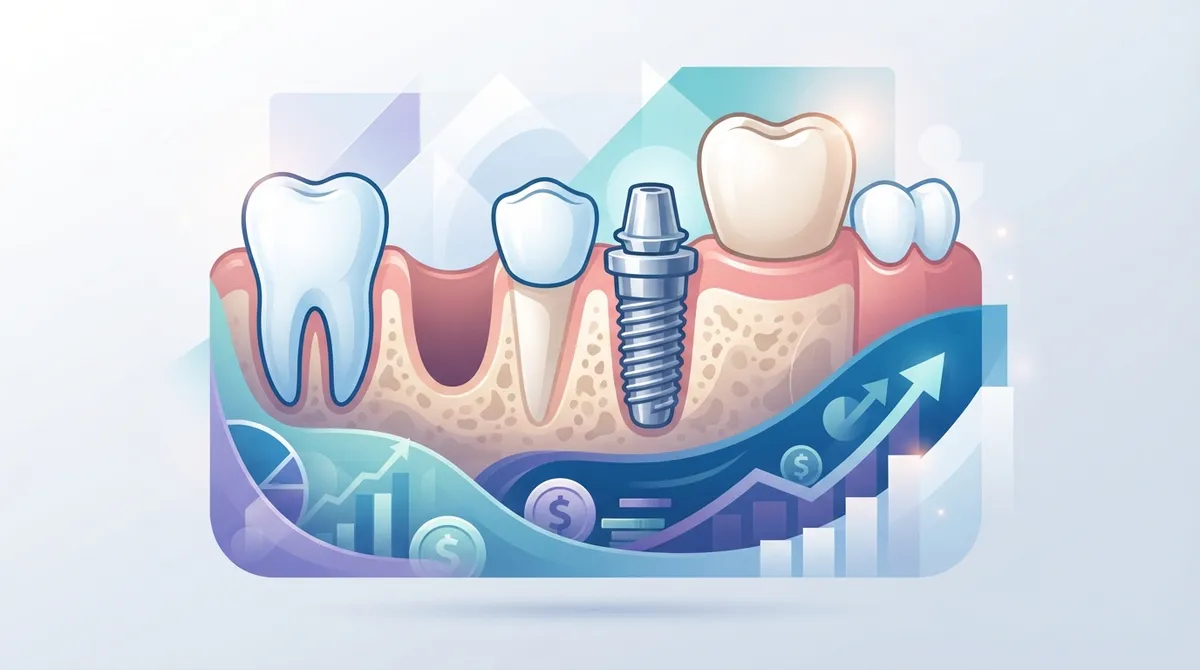
A dental implant is a small titanium post that a specialist places into your jawbone. It acts like an artificial tooth root. Once it heals, a crown or other prosthetic is attached on top. In orthodontic care, implants can also serve as temporary anchorage devices that help move teeth without needing extra headgear or elastics.
Many patients confuse implants with other treatments like retainers or custom braces. Implants are surgical and permanent, while braces and aligners move existing teeth into better positions. Sometimes both are needed together for the best result, especially when a missing tooth is affecting your bite or jaw alignment.
Breaking Down Dental Implants Cost by Type
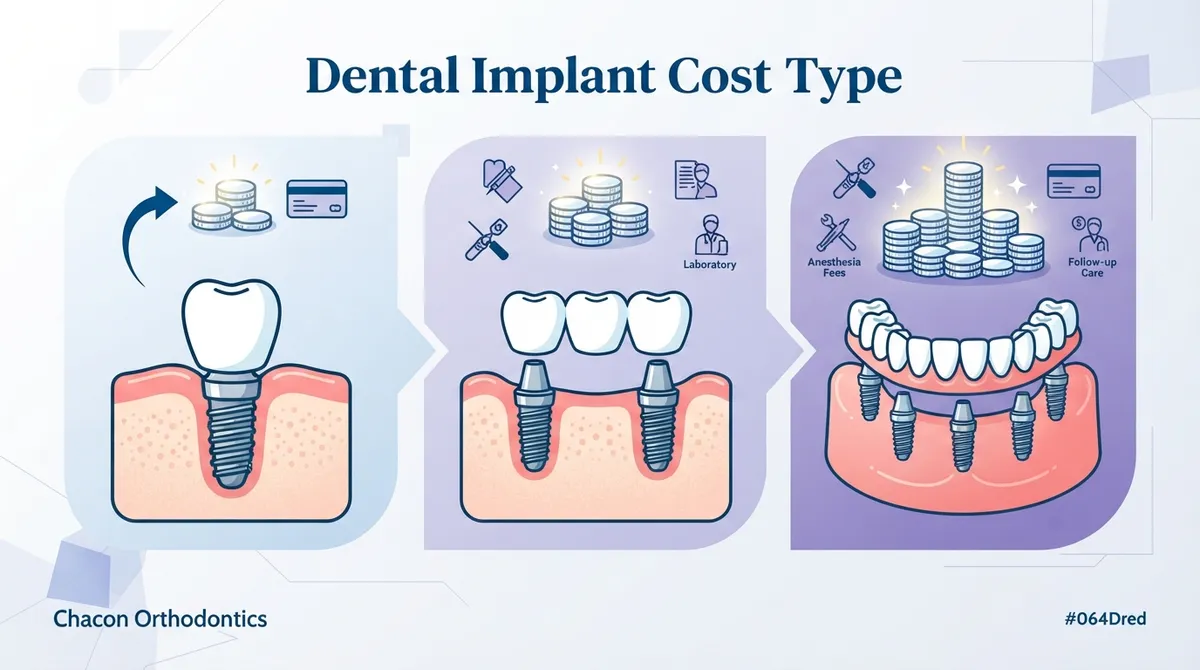
Cost is the number one question we hear, so let’s get right into it. Prices vary based on how many teeth need replacing and how complex your case is.
Single Tooth Implant Pricing
A complete single-tooth implant, which includes the post, abutment, and crown, typically runs between $3,000 and $7,000. The national average sits around $4,259 when you add everything together. If you only look at the implant post itself, without the crown, the average national cost is closer to $2,143.
Full Mouth Implant Options
For patients needing more extensive work, full-mouth restoration is a bigger investment. Depending on the number of arches and materials chosen, full-mouth implants can range from $14,000 to $60,000 or more. All-on-4 implants average around $15,176 per arch, while a 3-on-6 configuration averages about $12,474.
| Implant Type | Average Cost | What’s Included |
|---|---|---|
| Single Tooth Implant (post only) | $2,143 | Titanium post placement |
| Single Tooth Implant (complete) | $3,000–$7,000 | Post, abutment, and crown |
| All-on-4 (per arch) | $15,176 | Four implants supporting a full arch |
| 3-on-6 (per arch) | $12,474 | Six implants supporting a full arch |
| Full Mouth (both arches) | $30,000–$60,000+ | Complete upper and lower restoration |
Extra Procedures That Can Raise the Price
Sometimes your jawbone or gum health needs a little extra help before an implant can be placed. These add-on procedures are common, so it helps to know what they cost ahead of time.
- Bone grafts: These typically cost between $700 and $900 and are needed when the jawbone lacks enough density to support an implant.
- Tooth extractions: If a damaged tooth needs to come out first, expect to pay $250 to $300 per tooth.
- Imaging and scans: 3D digital imaging helps your orthodontist plan precisely, and this is often included in your initial consultation fee.
- Sedation: Some patients choose sedation for comfort, which can add to the overall bill depending on the type used.
This is exactly why choosing a board-certified orthodontist matters so much. An experienced provider will map out your full treatment plan upfront, so there are no surprise costs later.
How Location Affects Dental Implants Cost
Where you live plays a bigger role in pricing than most people realize. For example, California averages around $2,730 for an implant post alone, while Alabama averages closer to $1,790. Florida tends to fall somewhere in the middle range, though costs can shift based on the specific city and practice you choose.
For families in the Westchase and Brandon areas, working with a local practice means you get transparent pricing without the guesswork of national averages that may not reflect your area. If you are searching for care nearby, you can always find the best orthodontist near you to get a personalized quote.
Steps to Plan Your Dental Implants Budget
Feeling a little overwhelmed by the numbers? Don’t worry, we’ve got you. Here’s a simple step-by-step plan to help you budget wisely.
- Schedule a consultation. Start with a full exam so your provider can see exactly what your mouth needs. Many practices, including ours, offer a free consultation to get you started without any pressure.
- Ask for a written treatment plan. Get every cost in writing, including any bone grafts, extractions, or follow-up visits.
- Check your insurance. Call your provider and ask specifically about implant coverage versus orthodontic coverage, since these are often treated differently.
- Explore financing. Many practices offer monthly payment plans that spread the cost over time, making it much easier on your wallet.
- Compare orthodontic alternatives. In some cases, clear aligners or other orthodontic solutions might reduce the number of implants you actually need.
Does Dental Insurance Cover Implants?
This is a big question, and the honest answer is: it depends. Most dental insurance plans treat implants as elective, meaning they are not always fully covered. That said, some plans will cover part of the cost, especially the crown portion of the treatment.
It’s always smart to ask your insurance company directly and get details in writing. Our team can also help you understand your insurance coverage options and walk you through what to expect financially before treatment begins.
Dental Implants vs Dentures and Bridges
You might be wondering if implants are worth the higher price tag compared to dentures or bridges. Here’s a quick comparison to help you decide what fits your life and budget best.
| Option | Average Cost | Lifespan | Best For |
|---|---|---|---|
| Dental Implant | $3,000–$7,000 per tooth | 20+ years, often lifetime | Long-term, permanent solution |
| Dental Bridge | $1,500–$5,000 | 10–15 years | Faster, less invasive option |
| Full Denture | $1,000–$3,000 per arch | 5–10 years | Budget-friendly, multiple missing teeth |
While implants cost more upfront, many patients find the long lifespan makes them a smart investment over time. This is especially true for teens and adults who want a permanent fix rather than something they’ll need to replace again in a decade.
How Orthodontic Care Connects to Implant Success
Here’s something many people don’t realize: your teeth positioning matters a lot when planning for implants. If your teeth have shifted or your bite is misaligned, you may need orthodontic treatment first. This is why so many patients understand teeth positioning and fix alignment issues before moving forward with implant procedures.
For adults juggling busy careers, this might mean starting with discreet clear aligners near you to correct spacing issues before an implant is placed. This ensures the implant fits perfectly and lasts as long as possible.
Financing Options to Make Implants More Affordable
Nobody should have to choose between a healthy smile and their monthly budget. That’s why flexible financing has become so popular in orthodontic care.
- In-house payment plans: Many practices offer payment plans that break the total cost into manageable monthly payments.
- Third-party financing: Companies like CareCredit allow patients to finance dental work separately from insurance.
- FSA and HSA funds: If you have a flexible spending account or health savings account, these funds can often be used toward implant costs.
- Seasonal promotions: Some practices offer discounts during certain months, so it’s worth asking about current specials.
If you’re in the Brandon, Florida area and want to see real feedback from patients who have gone through treatment, you can visit us on Google — Chacon Orthodontics Brandon to read reviews and get a feel for what to expect.
Tips for Choosing the Right Provider
Not all providers are the same, and choosing the right one can make a huge difference in both cost and results. Here are a few things to look for.
- Look for board certification and years of hands-on experience.
- Ask about advanced technology like 3D imaging for precise planning.
- Check if the practice offers bilingual services, which is especially helpful for Spanish-speaking families in Westchase and Brandon.
- Read patient testimonials to understand real experiences and outcomes.
- Confirm that financing and insurance guidance is available upfront.
Dr. Omar Chacon and his team bring over a decade of experience serving families across Westchase and Brandon, offering care in both English and Spanish. You can learn more about his background on LinkedIn or follow patient stories and smile transformations on Instagram.
Why Working With an Orthodontic Specialist Matters
Implants are a big decision, and getting expert guidance from the start saves you time, money, and stress. According to the American Dental Association, proper planning and professional guidance significantly reduce complications and long-term costs for implant patients (source: ada.org). This is why a thorough consultation before any procedure is so important.
Our team also stays connected with the community through Facebook, where we share smile transformations, tips, and updates on new treatment options. It’s a great way to see real results before committing to any treatment plan.
Ready to Take the Next Step?
Understanding dental implants cost doesn’t have to feel overwhelming. With the right information and a trusted team by your side, you can plan confidently and budget wisely for the smile you deserve. Whether you’re a parent exploring options for your teen, an adult ready for a permanent fix, or simply want expert guidance in English or Spanish, our team is here to help every step of the way.
Ready to get clear answers about your treatment options and costs? Schedule your free consultation today and take the first step toward a confident, healthy smile.
FAQs
Q: How much does a single dental implant cost in 2026?
A: A complete single-tooth implant, including the post, abutment, and crown, usually costs between $3,000 and $7,000. The national average lands around $4,259, though your final price depends on your location and any extra procedures needed.
Q: Does dental insurance cover dental implants for orthodontic patients?
A: Most insurance plans consider implants elective, so full coverage is rare, but many plans do help cover part of the crown portion. It’s always worth calling your insurance provider directly so you know exactly what’s covered before you begin treatment.
Q: What is the cost of All-on-4 dental implants?
A: All-on-4 implants average around $15,176 per arch. This option replaces a full arch of teeth using just four implants, making it a popular choice for patients needing extensive restoration.
Q: How much does a bone graft add to dental implant costs?
A: Bone grafts typically add $700 to $900 to your total treatment cost. They’re needed when your jawbone doesn’t have enough density to properly support an implant, and your orthodontist will let you know upfront if this step is necessary.
Q: Are dental implants more expensive than dentures or bridges?
A: Yes, implants usually cost more upfront compared to dentures or bridges. However, since implants can last 20 years or longer, many patients find them a smarter long-term investment compared to replacing dentures or bridges every decade.