Key Takeaways
-
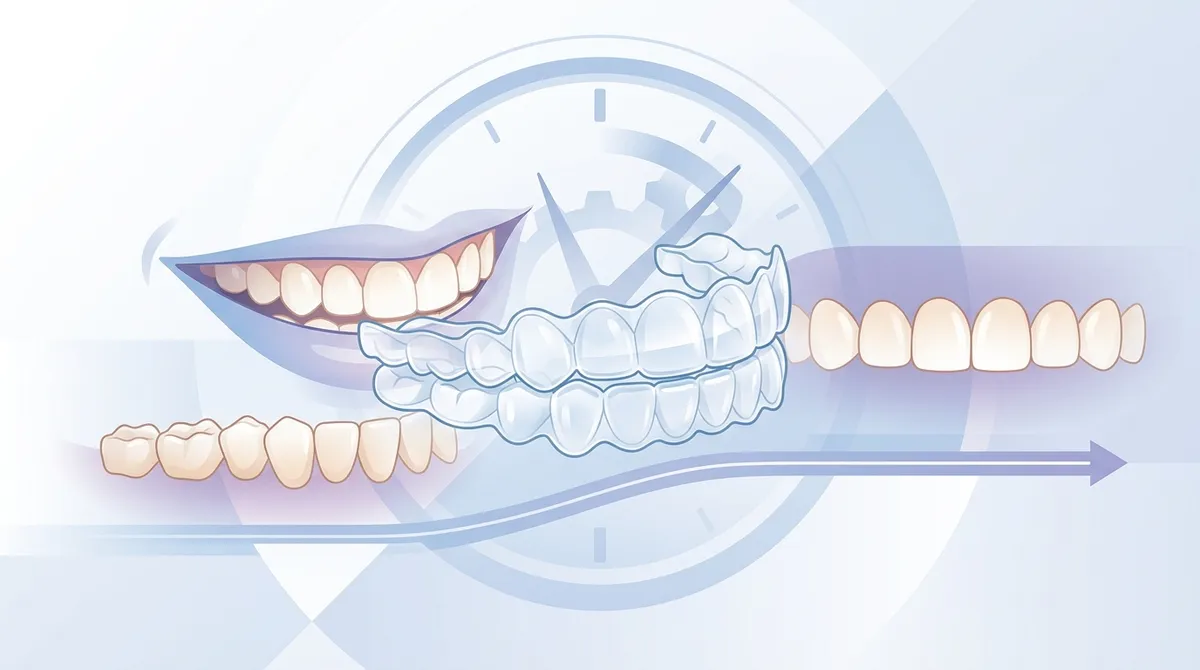
Removable aligners require consistent wear of 20-22 hours daily to be effective; skipping wear time is the most common reason treatment takes longer than expected.
-
Treatment typically takes 12-18 months for most patients, but success depends heavily on compliance—wearing aligners as directed is more important than the timeline itself.
-
Removable aligners work best for mild to moderate orthodontic issues like crowding, spacing, and certain bite problems; severe misalignment may require traditional braces instead.
-
Unlike fixed braces, aligners are removable for eating and cleaning, making oral hygiene easier and allowing unrestricted diet during treatment.
-
Retainers are critical after treatment ends because teeth naturally drift back to their original positions; consistent retainer wear preserves your results long-term.
-
Digital 3D imaging allows you to preview your final smile before treatment begins, providing clarity on expected outcomes and helping you make an informed decision.
Imagine straightening your teeth without anyone noticing. No metal brackets. No wires. Just clear, comfortable trays that quietly do their job. That’s exactly what removable aligners offer. In 2026, more people than ever are choosing this popular orthodontic option — and it’s easy to see why. They’re discreet, convenient, and fit into busy lifestyles without missing a beat. Whether you’re a working professional, a teenager heading into high school, or a parent exploring options for your child, removable aligners might be the smile solution you’ve been looking for. In this guide, we’ll walk you through everything you need to know — from how they work to who they’re best for, what to expect during treatment, and how to keep your results for the long haul. Let’s dive in!
What Are Removable Aligners?
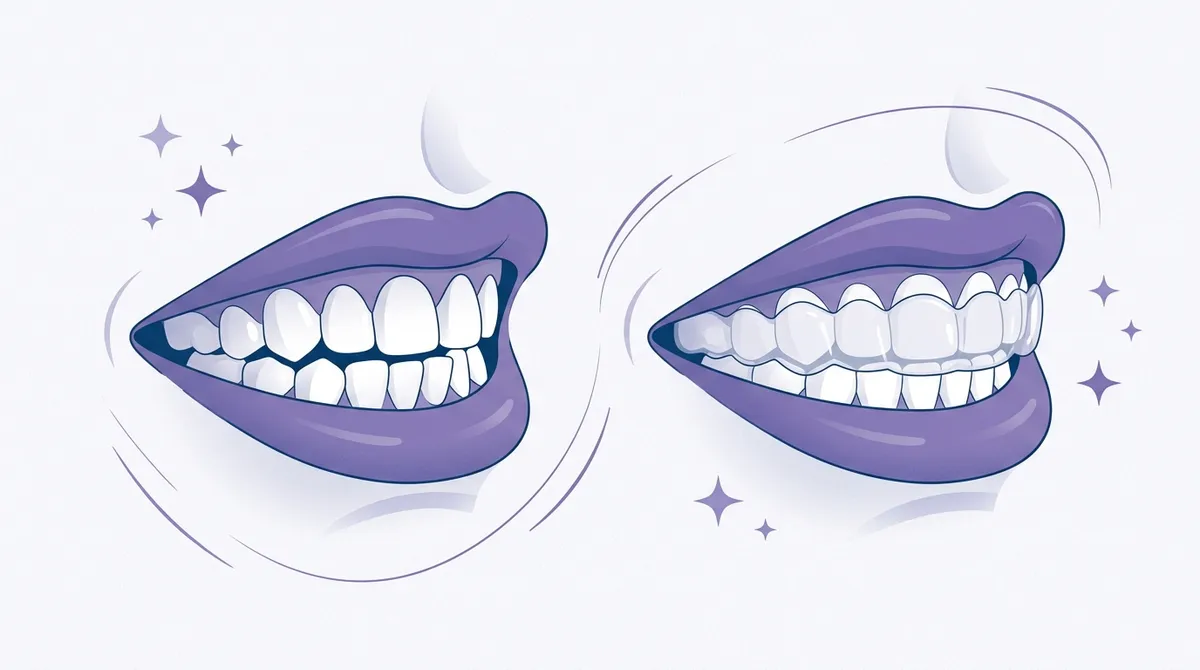
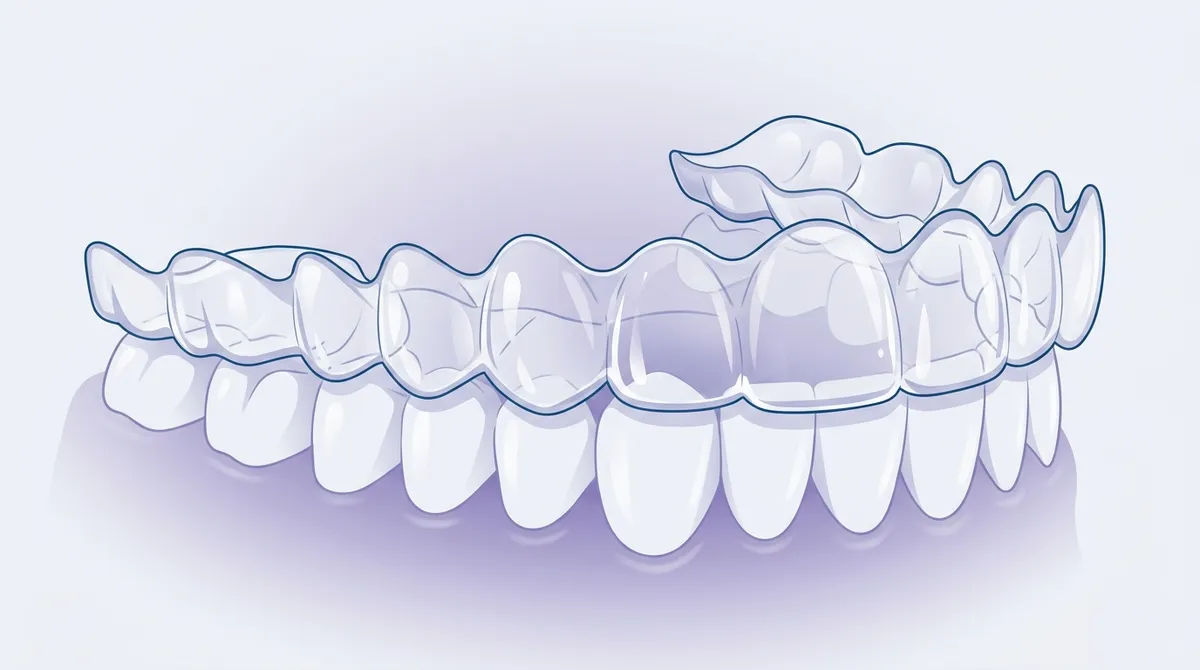
Removable aligners — also called clear aligners — are custom-made, transparent plastic trays that fit snugly over your teeth. They apply gentle, consistent pressure to gradually move your teeth into the correct position. Think of them like a series of small nudges, each one moving your smile a tiny step closer to perfect alignment.
Each tray is worn for about one week before you switch to the next one in your series. Over time, the trays guide your teeth into place — without a single bracket or wire. The global clear aligner market reached $5 billion in 2024 and is projected to exceed $13.4 billion by 2030, which tells you just how popular this treatment has become. Since Invisalign first introduced the concept in 1997, clear aligner technology has grown dramatically in both effectiveness and accessibility.
How Do Removable Aligners Work?
The process starts with a detailed evaluation by an orthodontist. Using advanced 3D digital imaging technology, your orthodontist maps out your entire treatment plan from start to finish. You can even see a preview of your final smile before treatment begins!
Here’s a simple step-by-step breakdown of how removable aligner treatment typically works:
- Consultation and imaging: Your orthodontist takes digital scans of your teeth to create a custom treatment plan.
- Custom tray fabrication: A full series of aligners is made specifically for your teeth and treatment goals.
- Wearing your aligners: You wear each tray for about one week, moving through the series as directed by your orthodontist.
- Check-in appointments: You’ll have periodic visits to make sure your teeth are moving as planned.
- Retainers: Once treatment ends, you’ll transition to retainers to keep your new smile in place.
Each aligner can move teeth just a fraction of a millimeter at a time. That gradual, controlled movement is what makes the process both gentle and effective.
Key Benefits of Removable Aligners
It’s no surprise that so many people love clear aligners. They come with a long list of benefits that make the entire orthodontic journey more enjoyable. Here are some of the biggest advantages:
- Nearly invisible: Most people won’t even know you’re wearing them.
- Comfortable: Smooth plastic means no sharp brackets or wires irritating your cheeks.
- Removable for meals: Eat whatever you want — just pop your trays out first.
- Easy to clean: Brush and floss normally without navigating around braces.
- Predictable results: Digital planning lets you see your projected outcome before you even begin.
- Great for busy lives: Fewer emergency visits and less impact on your daily routine.
For teens, this means no awkward school photos with metal braces. For adults and professionals, it means confidently presenting in meetings or attending social events. And for parents watching their child’s smile transform? It’s pure joy. You can explore what real patients have to say about their aligner experience to get a feel for what the journey is truly like.
What Conditions Can Removable Aligners Treat?
Removable aligners are incredibly versatile, but they work best for mild to moderate orthodontic issues. Here’s a quick overview of the conditions they commonly treat:
| Condition | Can Aligners Help? | Notes |
|---|---|---|
| Mild to moderate crowding | Yes | Very commonly treated with aligners |
| Spacing and gaps | Yes | Aligners work well for closing gaps |
| Overbite | Often yes | Depends on severity |
| Underbite | Sometimes | Mild cases may be treatable |
| Open bite | Sometimes | Case complexity matters |
| Crossbite | Sometimes | Depends on type and severity |
| Severe misalignment | Limited | May require custom braces instead |
If you’re unsure whether aligners are right for you, a free consultation with an orthodontist is the best first step. An expert can evaluate your bite and tooth positioning and recommend the treatment that fits your unique needs. You can also read more about how to understand teeth positioning and fix alignment issues to get a head start.
Removable Aligners vs. Traditional Braces
Both clear aligners and traditional braces can create beautiful smiles. But they’re different in some important ways. Here’s a side-by-side comparison to help you decide which might be the better fit:
| Feature | Removable Aligners | Traditional Braces |
|---|---|---|
| Visibility | Nearly invisible | Visible metal or ceramic brackets |
| Removability | Yes — for eating and cleaning | No — fixed until removed by orthodontist |
| Comfort | Smooth plastic, generally comfortable | Can cause irritation from wires and brackets |
| Diet restrictions | None — remove before eating | Yes — avoid hard, sticky foods |
| Oral hygiene | Easy — brush and floss normally | More challenging around brackets |
| Best for | Mild to moderate cases | Moderate to complex cases |
| Patient compliance needed | High — must be worn 20–22 hrs/day | Lower — always in place |
Not sure which option suits you best? The team at Chacon Orthodontics can help you weigh both options and find the right path forward for your smile goals. Learn more about orthodontic treatment options for adults or explore what’s available for teens and children.
How Long Does Treatment Take?
Treatment time with removable aligners varies based on the complexity of your case. In general, most patients complete aligner treatment in about 12 to 18 months. Some simple cases can wrap up in as few as 6 months, while more involved cases may take longer.
Here’s what affects your timeline:
- The severity of your crowding, spacing, or bite issue
- How consistently you wear your aligners (20–22 hours per day is the goal)
- How your teeth respond to the gradual pressure
- Whether any additional appliances are needed alongside aligners
One thing is crystal clear (pun intended): the more consistently you wear your trays, the faster and better your results will be. Skipping wear time is the most common reason treatment takes longer than expected.
The Importance of Wearing Your Aligners Consistently
This is honestly the most important section of this entire article. Unlike braces, which are fixed to your teeth 24/7, removable aligners only work when they’re actually in your mouth. That’s a big responsibility — and it makes all the difference.
Most orthodontists recommend wearing aligners for at least 22 hours per day. That means they come out only for eating, drinking anything other than water, brushing, and flossing. Here’s a simple daily wear guide:
| Activity | Keep Aligners In? |
|---|---|
| Sleeping | Yes |
| Drinking water | Yes |
| Eating meals or snacks | No — remove first |
| Drinking coffee, juice, or soda | No — remove to avoid staining |
| Brushing and flossing | No — remove before oral hygiene |
| Playing contact sports | Consult your orthodontist |
The good news? Most patients adjust quickly. Within a week or two, putting aligners in and taking them out becomes second nature. It’s just part of the routine!
Life After Aligners: The Role of Retainers
Here’s something important that many people don’t realize: your teeth naturally want to drift back toward their old positions after orthodontic treatment. That’s why retainers are such a critical final step.
After completing your aligner series, your orthodontist will fit you with a custom retainer to preserve your results. Retainers are typically worn full-time at first, then transitioned to nighttime wear. Wearing your retainer as instructed is the key to keeping your smile beautiful for years to come.
Think of your retainer as the guardian of your new smile. It protects everything you worked so hard to achieve during treatment!
Who Is a Good Candidate for Removable Aligners?
Removable aligners are a fantastic option for a wide range of patients — but they’re not for everyone. Here’s who tends to benefit most:
- Teens and adults who want a discreet treatment option
- Patients with mild to moderate crowding, spacing, or bite issues
- People who can commit to consistent daily wear
- Those who value easy oral hygiene during treatment
- Patients who want to see their results digitally planned out before starting
If you have more complex bite problems or severe misalignment, your orthodontist might recommend custom braces as a more effective solution. The key is getting a professional evaluation so you know which path is right for you. Check out what to expect on your first visit to understand how simple the process is to get started.
Starting Your Journey with Removable Aligners in Brandon, FL
If you’re in the Brandon or Westchase area of Florida and curious about removable aligners, you’re in great hands with the team at Chacon Orthodontics. Led by Dr. Omar Chacon, a board-certified orthodontist with over 10 years of experience, the practice offers personalized care for patients of all ages. Dr. Chacon is fluent in both English and Spanish, making the experience welcoming for bilingual families throughout the community.
The practice uses advanced 3D digital imaging to create customized treatment plans, so you’ll know exactly what your smile journey looks like from day one. You can also explore flexible payment plans and insurance options to make treatment as accessible as possible. Follow along on Chacon Orthodontics on Instagram or connect on Facebook for smile tips, patient stories, and office updates. You can also learn more about Dr. Chacon’s background and expertise on LinkedIn.
Ready to take the next step? Visit us on Google — Chacon Orthodontics Brandon to read real patient reviews and find directions to our Brandon location.
Your Confident Smile Is Waiting
Removable aligners have genuinely changed the way people experience orthodontic treatment. They’re discreet, comfortable, and incredibly effective when worn consistently. Whether you’re an adult who always wanted straighter teeth, a teen heading into a new school year, or a parent looking for the best option for your child, clear aligners might be the perfect fit.
The journey to a confident, healthy smile starts with one small step: a conversation with an experienced orthodontist. Don’t wait any longer to invest in yourself. Schedule your free consultation with Chacon Orthodontics today and discover what removable aligners can do for your smile. You deserve to love what you see in the mirror — and we’d love to help you get there!
FAQs
Q: What are removable aligners in orthodontics?
A: Removable aligners are clear, custom-fitted plastic trays that gently move your teeth into alignment over time. They’re a popular alternative to traditional braces because they’re nearly invisible and can be taken out for eating and cleaning. Think of them as a discreet, comfortable way to achieve the smile you’ve always wanted!
Q: How many hours a day do I need to wear removable aligners?
A: Most orthodontists recommend wearing your aligners for at least 20 to 22 hours per day for the best results. You’ll remove them only for meals, drinks (other than water), and your oral hygiene routine. Consistent wear is the secret ingredient to a successful treatment!
Q: Are removable aligners as effective as traditional braces?
A: For mild to moderate cases — like crowding, gaps, or certain bite issues — removable aligners can be just as effective as braces. However, more complex tooth movements may still require traditional braces or additional appliances. Your orthodontist will help you figure out which option is the best fit for your unique smile.
Q: How long does treatment with removable aligners usually take?
A: Most patients complete aligner treatment in about 12 to 18 months, though simpler cases can wrap up in as little as 6 months. Your treatment timeline depends on the complexity of your case and how consistently you wear your trays. The more diligent you are with wear time, the sooner you’ll be showing off your new smile!
Q: Do I need a retainer after finishing removable aligner treatment?
A: Yes — retainers are an essential step after completing your aligner series! Your teeth naturally want to drift back to their old positions, so wearing a retainer helps lock in your beautiful results. Your orthodontist will guide you on how long and how often to wear your retainer to keep your smile looking its best.