
Key Takeaways
-
Braces apply gentle, steady pressure to gradually move teeth into better positions over 18-24 months through a system of brackets, wires, and sometimes elastic bands.
-
Wearing retainers is crucial after braces to prevent teeth from shifting back to their original positions, with most orthodontists recommending 20-22 hours daily wear initially.
-
There are three main retainer types: Hawley (wire and acrylic), clear/Essix (transparent plastic trays), and fixed/bonded (thin wire attached behind teeth), each with unique benefits.
-
Proper braces care involves brushing after every meal, using special cleaning tools, and avoiding foods that can damage brackets and wires like sticky candy and hard nuts.
-
Orthodontic treatment works for all ages, with most people getting braces between ages 11-14, but adults can also successfully straighten their teeth.
-
Retainers need regular care including rinsing, gentle brushing, proper storage, and occasional soaking to prevent bacterial buildup and damage.
-
The cost of braces varies but typically includes initial consultation, placement, regular adjustments, emergency visits, and the first set of retainers.
If you’re thinking about straightening your teeth, you’ve probably heard about braces and retainers. But what’s the real difference between them? Many people get confused about these two orthodontic tools and how they work together. Braces are the active treatment that moves your teeth into the right position. Retainers are the follow-up devices that keep your teeth from shifting back after treatment ends. Both play important roles in creating a healthy, beautiful smile that lasts a lifetime. Understanding how each one works will help you know what to expect during your orthodontic journey. This guide explains everything you need to know about braces and retainers, from how they work to why wearing your retainer is so important.
How Do Braces Move Your Teeth?
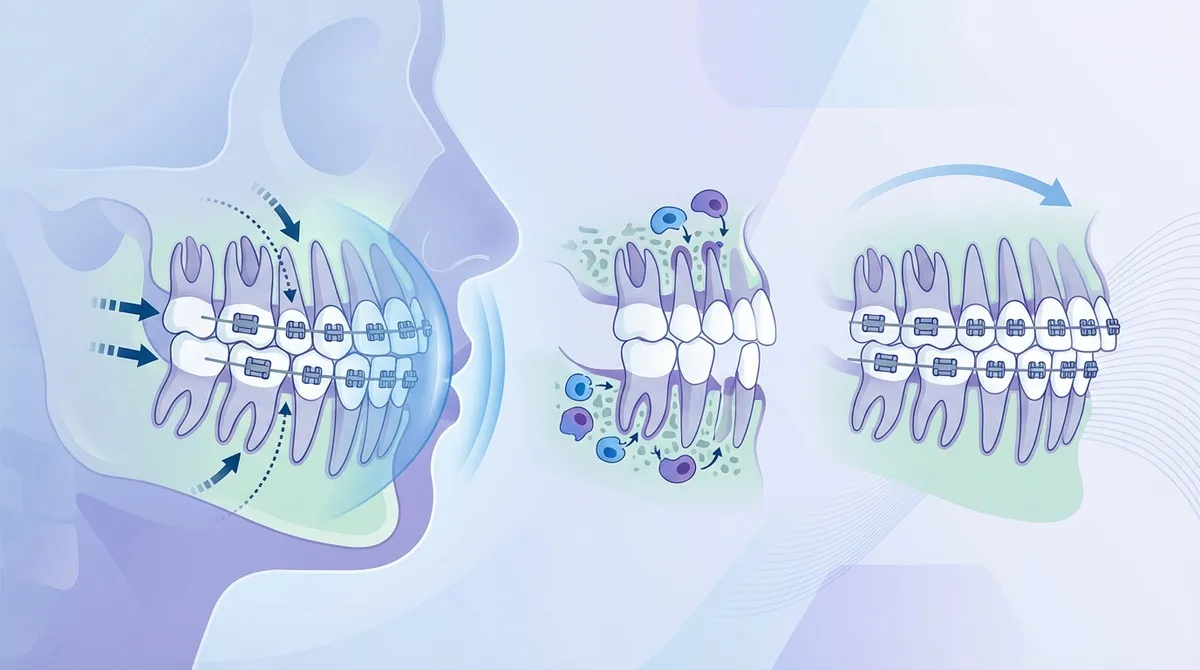
Braces work by applying gentle, steady pressure to your teeth over time. This pressure gradually moves teeth into better positions and can even influence how your jaw aligns. The system includes brackets bonded to each tooth, wires that connect the brackets, and sometimes elastic bands that add extra force in specific directions. As the wire pulls on the brackets, your teeth slowly shift through the bone. Your orthodontist adjusts the wire tension during regular visits, usually every 4-8 weeks, to keep your teeth moving in the right direction.
The process takes time because bone needs to reshape around your teeth as they move. On one side of a tooth, bone breaks down to make room. On the other side, new bone builds up to support the tooth in its new spot. This natural remodeling process is why orthodontics typically takes months or even years. Most people wear braces for 18 to 24 months, though some cases take longer. The good news is that this slow, controlled movement creates lasting results when followed by proper retention.
Types of Braces Available Today
Modern orthodontics offers several types of braces to fit different needs and preferences. Traditional metal braces are the most common and cost-effective option. They use stainless steel brackets and wires that are stronger and more durable than ever before. Ceramic braces work the same way but use tooth-colored or clear brackets that blend in better with your teeth. These are popular with teens and adults who want a less noticeable option.
Custom braces can be designed to fit your unique smile goals and lifestyle. Some people also choose clear aligners as an alternative to traditional braces. While aligners aren’t technically braces, they serve the same purpose of moving teeth into better alignment. Your orthodontist will help you decide which treatment option works best for your situation, age, and goals.
Why Retainers Are Essential After Braces
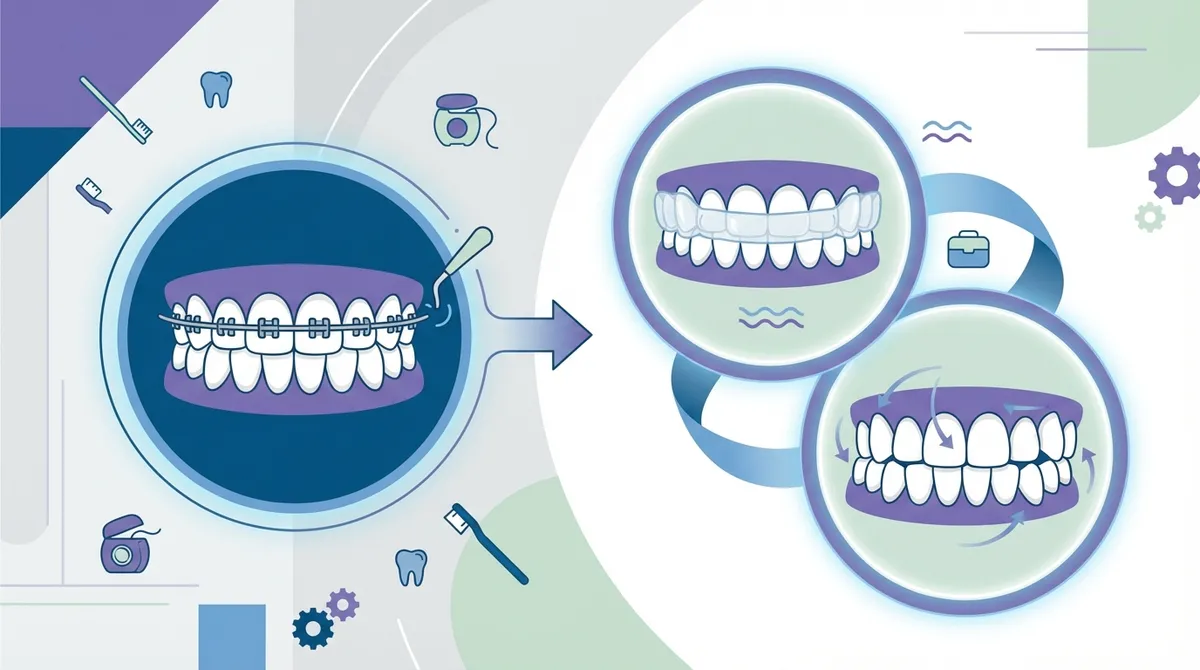
Getting your braces off is exciting, but your orthodontic journey isn’t over yet. Retainers are just as important as the braces themselves. After your teeth move into their new positions, they want to drift back to where they started. This happens because the bone and tissues around your teeth need time to stabilize. Without a retainer, your teeth can start shifting within just a few weeks. Some people notice changes in as little as days after stopping retainer wear.
Think of retention as a permanent phase of your orthodontic care. Your teeth can move at any age, which is why most orthodontists recommend wearing retainers indefinitely. In 2026, the standard advice is to wear your retainer 20-22 hours per day for the first several months after orthodontic braces come off. Then you gradually switch to nighttime-only wear. Many people continue wearing retainers every night for years or even for life to protect their investment in a straight smile.
What Happens If You Stop Wearing Your Retainer
Skipping your retainer is one of the most common reasons people need orthodontic treatment again. When you don’t wear your retainer as directed, your teeth can shift back toward their original positions. This is called orthodontic relapse. The front lower teeth are especially prone to crowding again because they’re small and easy to move. You might notice gaps opening up, teeth overlapping, or your bite feeling different.
The longer you go without wearing your retainer, the more your teeth will move. After a few weeks without a retainer, you might notice small changes. After several months, the shifting can become significant. At that point, your old retainer might not fit anymore. You may need to get new retainers made or even start orthodontic treatment over again. This is frustrating and expensive, which is why consistent retainer wear is so important from day one.
Types of Retainers and How They Work
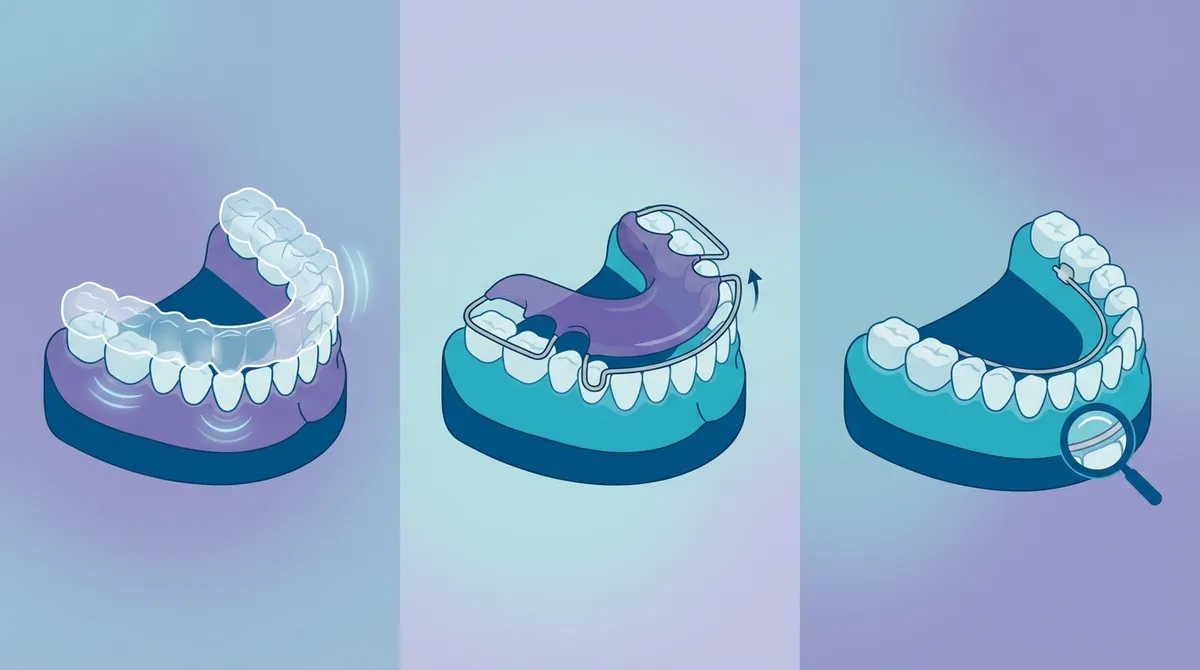
There are three main types of retainers, and each has its own benefits. Understanding the differences helps you know what to expect after your braces come off. Your orthodontist will recommend the best type based on your specific case, how much your teeth moved during treatment, and your personal preferences. Some people use a combination of retainer types for the best long-term results.
| Retainer Type | Description | Pros | Cons |
|---|---|---|---|
| Hawley Retainers | Wire across front teeth with acrylic base on palate or behind lower teeth | Durable, adjustable, repairable, long-lasting | More visible, may affect speech initially, bulkier feel |
| Clear/Essix Retainers | Thin, clear plastic trays that fit over teeth | Nearly invisible, comfortable, easy to wear | Can crack or wear out, need replacement every 1-5 years, can’t be adjusted |
| Fixed/Bonded Retainers | Thin wire bonded to back of front teeth | Works 24/7, no compliance needed, permanent protection | Makes flossing harder, can trap plaque, may break or come loose |
Hawley Retainers: The Traditional Choice
Hawley retainers have been around for decades and remain popular today. They feature a metal wire that runs across the front of your teeth and an acrylic piece that sits against the roof of your mouth or behind your lower teeth. The wire can be adjusted if your teeth shift slightly, which makes Hawley retainers flexible for minor corrections. They’re also very durable and can last many years with proper care. If a Hawley retainer breaks, it can often be repaired rather than completely replaced.
The downsides are that Hawley retainers are more visible than clear options and some people find them bulky at first. You might notice a slight lisp for the first few days as you get used to the acrylic piece. However, most people adjust quickly. These retainers are easy to clean with a toothbrush and can be soaked in retainer cleaning solution to stay fresh and odor-free.
Clear Retainers: The Invisible Option
Clear retainers, also called Essix or Vivera-style retainers, look similar to clear aligners. They’re made from thin, transparent plastic that fits snugly over your teeth. Because they’re nearly invisible, clear retainers are the most popular choice among teens and adults who want a discreet option. They’re also comfortable and don’t affect your speech the way Hawley retainers sometimes do.
The main drawback is durability. Clear retainers can crack, especially if you grind your teeth at night. They can also become cloudy or stained over time. Heat can warp them, so never leave your retainer in a hot car or wash it with hot water. Most clear retainers need to be replaced every 1-5 years depending on how well you care for them and how much you wear them. Despite needing occasional replacement, many people prefer clear retainers because of their comfort and appearance.
Fixed Retainers: Set It and Forget It
Fixed or bonded retainers consist of a thin wire glued to the back of your front teeth. These are most commonly placed behind the lower front four to six teeth, where relapse and crowding happen most often. The big advantage of fixed retainers is that they work all the time without requiring any effort from you. You don’t need to remember to put them in or worry about losing them. They provide constant protection against tooth movement.
The challenge with fixed retainers is keeping them clean. The wire makes flossing more difficult, though special floss threaders or water flossers can help. If plaque builds up around the wire, you’re at higher risk for cavities and gum problems. Fixed retainers can also break or come loose over time, especially if you bite into hard foods. Regular dental checkups help catch these issues early. Many orthodontists recommend using a fixed retainer on the lower teeth and a removable retainer on the upper teeth for the best combination of protection and convenience.
Caring for Your Braces During Treatment
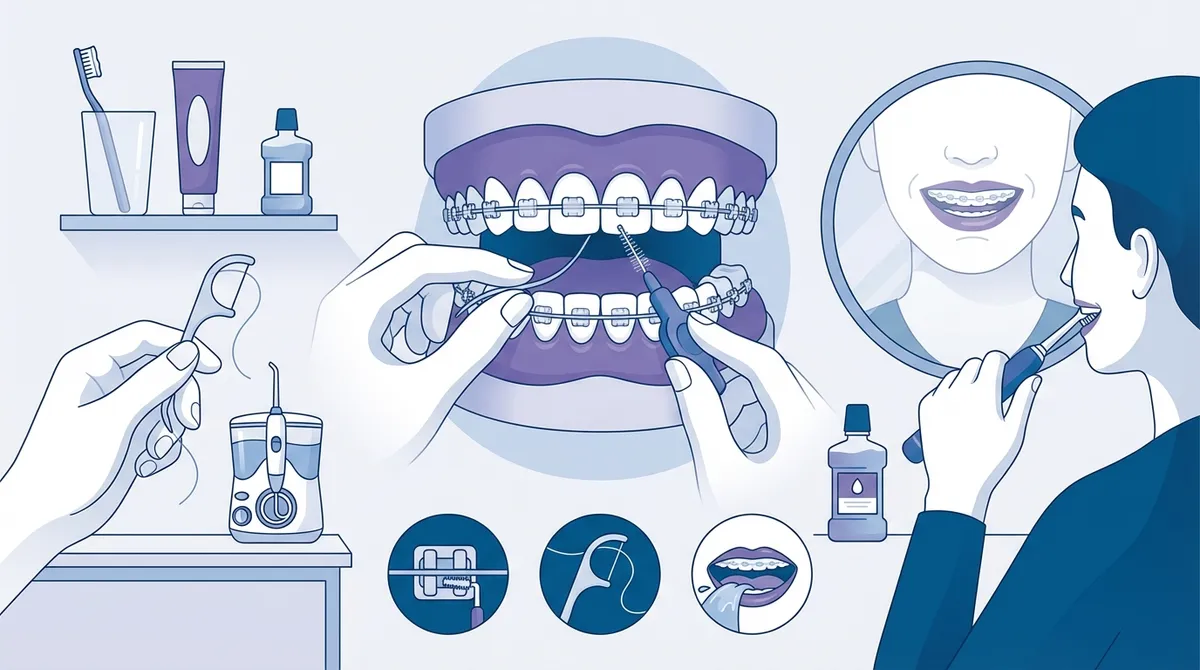
Taking good care of your braces helps treatment go smoothly and prevents delays. Food can easily get stuck in brackets and wires, so brushing after every meal is important. Use a soft-bristled toothbrush and take time to clean around each bracket. A water flosser or floss threader helps you clean between teeth and under wires. Your orthodontist might also recommend special interdental brushes that fit around brackets.
Avoid foods that can damage your braces. Sticky foods like caramel and taffy can pull brackets off. Hard foods like popcorn kernels, nuts, and ice can bend wires or break brackets. Chewy foods like bagels and tough meat should be cut into small pieces. When a bracket breaks or a wire comes loose, call your orthodontist right away. These problems can slow down your treatment if they’re not fixed promptly.
Foods to Eat and Avoid with Braces
| Safe Foods | Foods to Avoid |
|---|---|
| Soft fruits, yogurt, pasta, rice, eggs, cooked vegetables | Hard candy, popcorn, nuts, ice, whole apples, carrots |
| Soft bread, mashed potatoes, soup, smoothies, tender meat | Sticky candy, caramel, taffy, gum, chewy bagels |
| Soft cheese, pudding, pancakes, fish, ground meat | Corn on the cob, hard pretzels, pizza crust, tough steak |
How to Clean and Care for Your Retainer
Proper retainer care keeps it working well and prevents bad odors or damage. Rinse your retainer with cool water every time you take it out. This removes saliva and debris before they dry and stick. Brush your retainer gently with a soft toothbrush and mild soap or retainer cleaner. Avoid using toothpaste, which is too abrasive and can scratch plastic retainers. Scratches create spots where bacteria can hide and multiply.
Store your retainer in its case whenever you’re not wearing it. Never wrap it in a napkin or leave it sitting out where it could get damaged, thrown away, or chewed by a pet. These are the most common ways people lose retainers. Keep your retainer away from heat sources, including hot water, direct sunlight, and car dashboards. Heat can warp the plastic and ruin the fit. Once or twice a week, soak your retainer in a cleaning solution designed for retainers or dentures to keep it fresh and bacteria-free.
Signs Your Retainer Needs Replacement
Even with good care, retainers don’t last forever. Clear retainers typically need replacement every 1-5 years. Signs that you need a new retainer include cracks, holes, or rough edges. If your retainer feels loose or doesn’t fit snugly anymore, your teeth may have shifted slightly, and you need a new one made. White calcium deposits that won’t brush off mean minerals from your saliva have built up, and the retainer should be replaced.
A bad smell or taste that won’t go away even after cleaning suggests bacteria have taken hold in cracks or scratches. If your retainer causes pain or sore spots, it may be broken or warped. Don’t try to keep using a damaged retainer, as it might not hold your teeth in the right position. Contact your orthodontist as soon as you notice any problems so you can get a replacement quickly and prevent tooth movement.
The Cost and Time Commitment for Braces
Orthodontic treatment is an investment in your health and confidence. The cost of braces varies depending on how complex your case is and what type of braces you choose. Traditional metal braces are usually the most affordable option. Treatment typically takes 18 to 24 months, though some people need braces for a shorter or longer time. Your orthodontist will give you an estimate based on your specific needs during your initial consultation.
Most orthodontic offices offer flexible payment plans to make treatment affordable. Many accept insurance that covers part of the cost. Some offices offer discounts for paying in full upfront or for treating multiple family members. The key is to ask about all your options during your first visit. Don’t let cost concerns stop you from getting the smile you deserve. Most orthodontists work hard to find a payment solution that fits your budget.
What’s Included in Braces Treatment
When you pay for braces, you’re not just paying for the brackets and wires. The cost includes regular adjustment appointments, typically every 4-8 weeks throughout treatment. It also covers emergency visits if a bracket breaks or a wire comes loose. Most treatment packages include retainers when your braces come off. Some orthodontists include teeth whitening or other finishing touches to perfect your smile.
| Service | Typically Included |
|---|---|
| Initial consultation and exam | Yes, often free |
| X-rays and diagnostic records | Yes |
| Braces placement | Yes |
| Regular adjustment appointments | Yes |
| Emergency repair visits | Yes |
| Braces removal | Yes |
| First set of retainers | Usually yes |
| Replacement retainers | Usually additional cost |
Braces and Retainers for Different Ages
Orthodontic treatment works at any age, though the approach may differ. Children often start orthodontic evaluation around age 7, when permanent teeth begin coming in. Early treatment can guide jaw growth and make room for teeth, sometimes making later treatment shorter and easier. Most kids get braces between ages 11 and 14, when they have most of their permanent teeth but their jaws are still growing.
Teens are the most common age group for braces. Their bones are still developing, which allows teeth to move relatively quickly. Modern options like clear braces and aligners help teens feel more confident during treatment. Adults make up a growing percentage of orthodontic patients. While adult treatment may take slightly longer because bones are fully developed, the results are just as effective. Many adults choose clear aligners or ceramic braces for a more discreet appearance during treatment.
Special Considerations for Adult Orthodontics
Adults face unique challenges with orthodontic treatment. Bone density is higher in adults, so teeth move more slowly than in teens. Adults are also more likely to have dental work like crowns or implants that must be worked around. Gum disease is more common in adults and must be treated before starting braces. Adults also tend to be busier with work and family, making convenient appointment times important.
The good news is that adults often take better care of their braces and are more committed to wearing retainers. They understand the value of their investment and want to protect it. Many adults report that getting braces was one of the best decisions they made for their confidence and oral health. If you’re an adult considering orthodontics, modern treatment options make it easier than ever to achieve the smile you’ve always wanted.
Retreatment: When Teeth Shift After Braces
Sometimes people who had braces years ago find that their teeth have shifted. This usually happens because they stopped wearing their retainers consistently. The good news is that teeth can be straightened again. Retreatment is often faster than the original treatment because the teeth have been moved before. Your orthodontist will evaluate your current alignment and bite to create a new treatment plan.
Options for retreatment include traditional braces, clear aligners, or sometimes just new retainers if the shifting is minor. The key is to catch tooth movement early, before it becomes severe. If you notice your teeth shifting, don’t wait. Schedule a consultation to discuss your options. And once your teeth are straight again, make retainer wear a lifelong habit to avoid needing treatment a third time.
Questions to Ask Your Orthodontist
When you’re considering orthodontic treatment, come prepared with questions. Ask how long treatment will take and what type of braces or aligners are recommended for your case. Find out what the total cost will be and what payment options are available. Ask about the office’s emergency policy and how to handle problems like broken brackets between appointments.
Don’t forget to ask about retainers. Find out what type of retainer you’ll receive and how long you’ll need to wear it each day. Ask whether you’ll need a fixed retainer, a removable retainer, or both. Understanding the retention phase before treatment starts helps you commit to protecting your results. A good orthodontist will take time to answer all your questions and make sure you feel confident about your treatment plan.
Why Choose Professional Orthodontic Care
While you might see advertisements for at-home teeth straightening options, professional orthodontic care offers important advantages. Orthodontists complete years of specialized training beyond dental school. They understand not just how to move teeth, but how teeth, jaws, and facial structure work together. Professional care includes regular monitoring to make sure treatment is progressing safely and effectively.
At Chacon Orthodontics, we provide personalized care for patients of all ages in Westchase, Florida. Our experienced team uses the latest technology to create treatment plans tailored to each patient’s unique needs and goals. From the initial consultation through the retention phase, we’re with you every step of the way. Don’t just take our word for it—read our reviews on Google to see what our patients have to say about their experiences.
Your Smile Journey Starts Here
Understanding the difference between braces and retainers is the first step toward achieving your ideal smile. Braces do the active work of moving your teeth into better positions. Retainers protect that investment by keeping your teeth from shifting back. Both are essential parts of successful orthodontic treatment. With proper care and commitment to wearing your retainer, the results of your braces can last a lifetime.
Whether you’re considering treatment for yourself or your child, professional orthodontic care makes a real difference in your results and experience. Modern options make treatment more comfortable and convenient than ever before. Ready to start your journey to a healthier, more confident smile? Visit us on Google to learn more about our practice and see our patient reviews. Then schedule your free consultation with Chacon Orthodontics today. We’re here to answer your questions and help you achieve the smile you’ve always wanted.
FAQs
Q: How long do I need to wear a retainer after my braces come off?
A: Most orthodontists recommend wearing your retainer 20-22 hours per day for the first several months after braces removal, then switching to nighttime-only wear. However, retention is actually a lifelong commitment. Your teeth can shift at any age, so many people continue wearing retainers every night indefinitely to maintain their results and protect their investment in a straight smile.
Q: What happens if I stop wearing my retainer for a few weeks?
A: If you stop wearing your retainer, your teeth can start shifting back toward their original positions within just a few weeks or even days. The longer you go without wearing it, the more your teeth will move. After several weeks, your retainer might not fit anymore. This is called orthodontic relapse, and you may need new retainers made or even require orthodontic treatment again to straighten your teeth.
Q: Which type of retainer is better: fixed or removable?
A: Both fixed and removable retainers have advantages. Fixed retainers work continuously without requiring patient compliance and are great for preventing lower front teeth from crowding. However, they make flossing more difficult. Removable retainers are easier to clean and allow you to eat without restrictions, but you must remember to wear them consistently. Many orthodontists recommend using a combination of both types for optimal long-term results.
Q: Can my teeth shift years after braces even if I wore my retainer initially?
A: Yes, teeth can shift at any age, even years after orthodontic treatment. This is why orthodontists emphasize that retention is a permanent phase, not a temporary one. If you stop wearing your retainer after a few years, your teeth may gradually move out of alignment. Natural aging processes, wisdom teeth eruption, teeth grinding, and other factors can also contribute to tooth movement over time.
Q: How should I clean my retainer to prevent damage and bad odors?
A: Rinse your retainer with cool water every time you remove it. Brush it gently daily with a soft toothbrush and mild soap or retainer cleaner, but avoid using toothpaste as it can scratch plastic. Soak your retainer once or twice weekly in a retainer or denture cleaning solution. Always store it in its protective case and keep it away from heat sources, which can warp the plastic and ruin the fit.