Key Takeaways
-
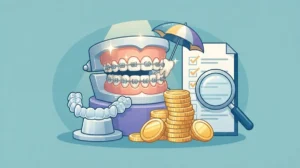
Increase professional dental cleanings to every 3-4 months during braces treatment instead of the standard 6-month schedule, as brackets and wires create more plaque buildup risk.
-
Brush teeth at a 45-degree angle toward the gumline using gentle circular motions after every meal for 2-3 minutes, since food particles trap quickly in brackets.
-
Orthodontists only straighten teeth while dentists handle cleanings and cavity prevention—both specialists are essential during treatment and skipping dental visits is a common costly mistake.
-
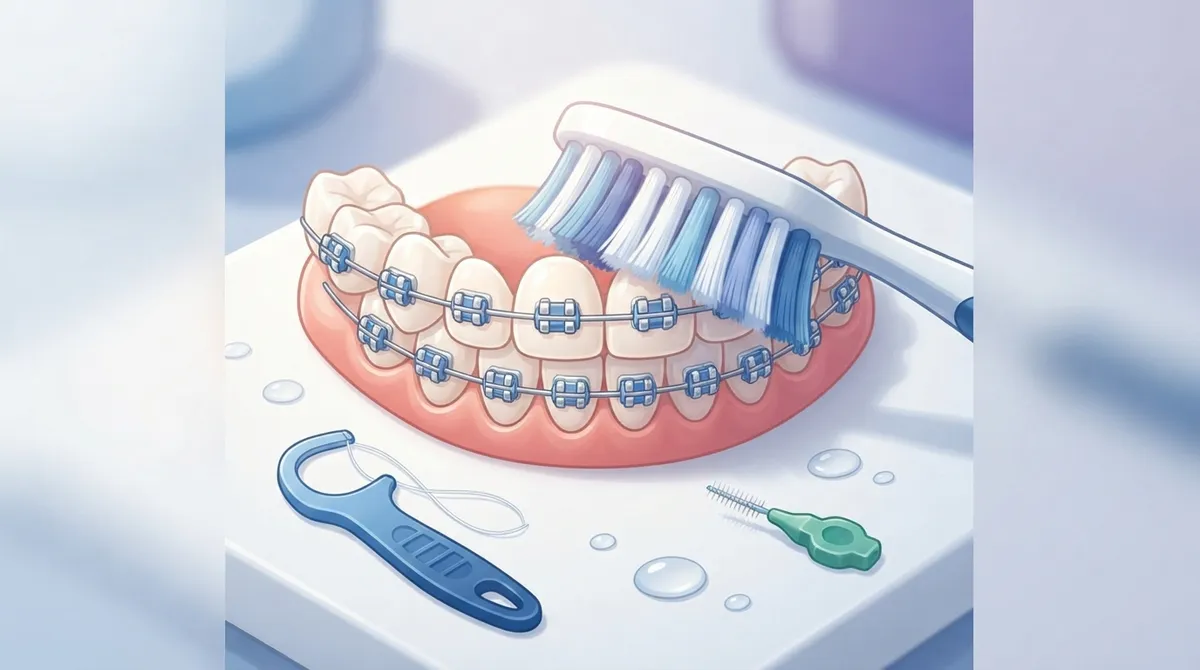
Use floss threaders, orthodontic floss, or interproximal brushes to floss daily, ideally before bed, since regular floss cannot effectively reach under wires and between brackets.
-
Skip professional cleanings during braces treatment and risk permanent white spot lesions, cavities, gum disease, and delayed orthodontic progress that are completely preventable with consistent care.
-
Add a daily fluoride mouthwash rinse for 1 minute to strengthen enamel and fight bacteria causing white spots, especially important since braces make teeth more vulnerable to decay.
Getting braces is exciting! You’re on your way to a smile you’ll love. But here’s something many patients don’t expect: teeth cleaning gets a lot more important once brackets and wires enter the picture. Food bits love to hide in braces, and plaque can build up faster than you think. The good news? A few simple habits keep your smile bright and healthy through every stage of treatment.
Whether you’re a parent watching over your child’s new braces, a teen juggling sports and school, or an adult professional squeezing in clear aligners between meetings, this guide breaks down exactly how to keep your teeth clean and cavity-free. We’ll also cover why your orthodontist and your dentist play very different roles in your care team. Let’s dig in.
Why Teeth Cleaning Matters More With Braces
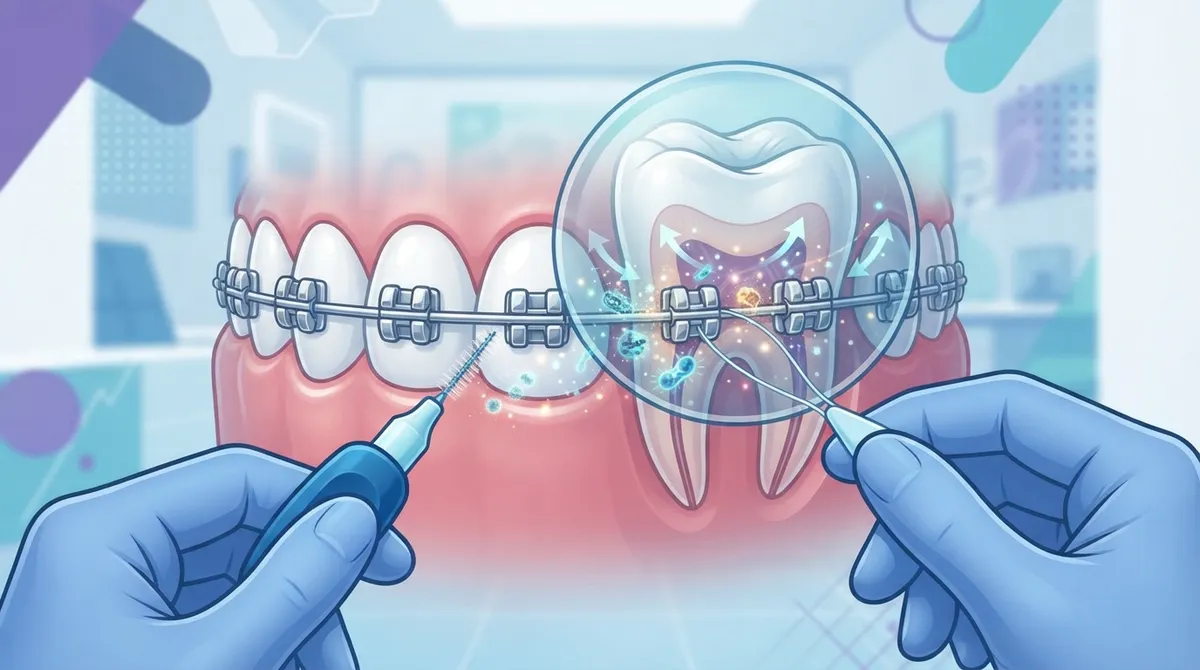
Brackets, wires, and aligner trays create tiny nooks where food and bacteria can hide. Without extra care, this leads to plaque buildup, white spots, and even cavities. Nobody wants to finish treatment with a straight smile that has stains or damage.
Patients wearing braces face a higher risk of plaque buildup than those without any appliances. That’s simply because brackets and wires give plaque more places to stick. This is why your daily habits matter so much during treatment. Learning how teeth positioning affects alignment issues can also help you understand why keeping teeth clean supports better treatment outcomes overall.
Do Orthodontists Clean Teeth? Here’s the Real Answer
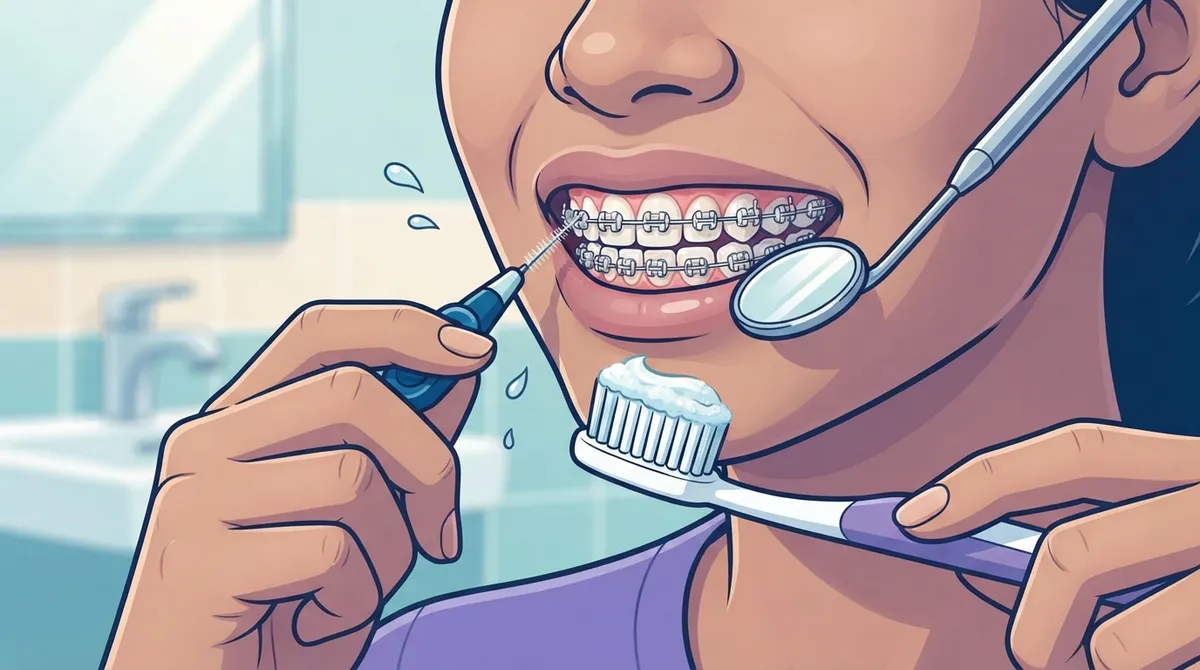
This is one of the most common questions we hear at Chacon Orthodontics. The answer might surprise you: orthodontists do not perform routine teeth cleanings. That job belongs to your general dentist or dental hygienist.
Orthodontists like Dr. Omar Chacon focus on moving your teeth into the right position using braces, clear aligners, and other tools. Dentists and hygienists are trained to remove plaque and tartar, especially in tricky spots around brackets and wires. Think of it as a team effort: your orthodontist straightens, your dentist cleans and protects.
Why You Need Both Specialists During Treatment
Skipping dental cleanings during orthodontic treatment is a mistake many patients make. Your orthodontist checks your progress and adjusts your braces or aligners. Your dentist checks for cavities, gum health, and removes buildup your toothbrush can’t reach. Both visits matter for a healthy, beautiful result.
How Often Should You Get Professional Cleanings With Braces?
Most patients without braces see their dentist twice a year. But once you have braces, that schedule needs to change. Here’s why more frequent visits matter so much.
| Patient Type | Recommended Cleaning Frequency | Reason |
|---|---|---|
| No braces or aligners | Every 6 months | Standard plaque and tartar removal |
| Braces patients | Every 3-4 months | Higher plaque risk around brackets and wires |
| Clear aligner patients | Every 4-6 months | Lower risk, but trays can trap bacteria if not cleaned |
Getting cleanings four times a year instead of two might sound like a hassle. But it’s a small investment that protects your smile from white spots, cavities, and gum disease. This is especially true for teens and kids who may need reminders to brush thoroughly.
The Best Way to Brush Teeth With Braces
Brushing with braces takes a bit more time and technique than brushing without them. Here’s a simple step-by-step approach that works for kids, teens, and adults alike.
Step-by-Step Brushing Technique
- Brush after every meal or snack. Aim for at least three times a day, since food particles get trapped in brackets quickly.
- Angle your toothbrush at 45 degrees. Point bristles toward the gumline to clean above and below each bracket.
- Use gentle, small circles. Avoid harsh scrubbing, which can loosen brackets or damage wires.
- Brush for 2 to 3 minutes minimum. Rushing through leaves plaque behind, especially near the gumline.
- Don’t forget your tongue and the back of your mouth. Bacteria loves to hide there too.
A soft-bristled toothbrush works best for cleaning around brackets without causing damage. Replace your toothbrush every three months, since worn bristles won’t clean as effectively. If you’re still deciding between braces and clear aligners, check out this helpful comparison on braces vs clear aligners for teens to see which cleaning routine might fit your lifestyle better.
Flossing With Braces: Yes, It’s Possible
Flossing with braces can feel tricky at first, but it’s one of the most important habits you can build. Wires make it harder to slide floss between teeth, but a few tools make the job much easier.
- Floss threaders: These help guide floss underneath the wire so you can clean between teeth normally.
- Orthodontic floss: Pre-cut floss with a stiff end designed specifically for braces wearers.
- Interproximal brushes: Small brushes that slide between teeth and around brackets to remove trapped food.
- Water flossers: A gentle stream of water can flush out debris that traditional floss might miss.
Try to floss at least once daily, ideally before bed. This removes the plaque that built up during the day and gives your teeth a fresh start each morning.
Mouthwash and Rinses: Extra Protection for Your Smile
Adding a fluoride or antimicrobial rinse to your routine gives your teeth extra protection against white spots and cavities. Products containing fluoride help strengthen enamel and fight the bacteria that cause decay.
Swish about two teaspoons of fluoride rinse for around one minute daily, ideally at a different time than brushing. This simple step can make a big difference over the course of your treatment, especially if you’re prone to white spots or sensitive teeth.
Essential Tools for Cleaning Teeth With Braces
Having the right toolkit makes daily cleaning so much easier. Here’s what we recommend keeping on hand, whether you’re at home or packing for school or work.
| Tool | Purpose | How Often to Use |
|---|---|---|
| Soft-bristled toothbrush | Removes plaque without damaging brackets | 3+ times daily |
| Floss threaders or orthodontic floss | Cleans between teeth and under wires | Once daily, minimum |
| Interproximal brush | Reaches tight spots around brackets | Daily or as needed |
| Fluoride mouth rinse | Strengthens enamel, fights cavities | Once daily |
| Travel dental kit | Keeps cleaning tools handy on the go | Carry daily |
Teens especially benefit from a compact travel kit they can toss in a backpack or gym bag. It makes sticking to a cleaning routine much easier between classes or after practice.
What Happens If You Skip Teeth Cleaning During Treatment
Skipping proper cleaning during orthodontic treatment can lead to a few unwanted surprises. Understanding these risks can help motivate better daily habits, especially for teens who might rush through brushing.
- White spot lesions. These permanent marks appear where plaque sat too long, often visible right after braces come off.
- Cavities. Trapped food and bacteria create the perfect environment for tooth decay.
- Gum disease. Swollen, bleeding gums are a sign plaque has built up along the gumline.
- Bad breath. Trapped food particles can cause lingering odor throughout the day.
- Delayed treatment. Severe decay or gum issues can sometimes pause orthodontic progress until they’re treated.
The good news is that all of these are preventable with consistent care. Our team at Chacon Orthodontics is always happy to share reminders and tips during your visits, whether you’re at our Westchase or Brandon location.
Special Tips for Parents of Younger Kids in Braces
Kids sometimes need a little extra encouragement to stick with their cleaning routine. Making it fun can go a long way toward building lifelong habits.
- Set a timer or play a two-minute song to make brushing feel less like a chore.
- Use a sticker chart to track daily brushing and flossing successes.
- Pick a fun-flavored fluoride rinse to make the routine more enjoyable.
- Check in with your child’s dentist every 3-4 months, just like the recommended schedule for braces patients.
If you’re not sure whether your child needs orthodontic care yet, this guide on early signs you need braces can help you spot common warning signs early.
Cleaning Tips for Adults With Clear Aligners
If you’re an adult professional wearing clear aligners, your cleaning routine looks a little different than traditional braces. Aligners need to be removed before eating and cleaned separately from your teeth.
- Brush and floss your teeth before putting your aligners back in.
- Rinse your aligners with lukewarm water every time you remove them.
- Avoid hot water, which can warp the plastic trays.
- Use a clear, unscented soap or aligner cleaning solution weekly for a deeper clean.
Curious about how clear trays work for busy schedules? This article on removable aligners and how clear trays straighten your smile covers everything you need to know.
Bilingual Care for Families in Westchase and Brandon
At Chacon Orthodontics, we understand that clear communication makes all the difference in your treatment journey. Dr. Omar Chacon and our team proudly offer care in both English and Spanish, so every family feels comfortable asking questions about their cleaning routine or treatment plan.
We believe every patient deserves to fully understand their care, no matter which language feels most natural. You can learn more about our approach on Instagram or follow along with patient stories on Facebook for tips and smile transformations.
Building a Daily Routine That Sticks
Consistency is really the secret ingredient here. Building small habits day by day adds up to a healthier, brighter smile by the time your braces come off.
- Brush after breakfast, lunch, and dinner using the 45-degree angle technique.
- Floss once daily, preferably at night, using threaders or interproximal brushes.
- Rinse with a fluoride mouthwash daily to protect enamel.
- Schedule dental cleanings every 3-4 months during treatment.
- Replace your toothbrush every three months for the best results.
According to the Illinois Department of Public Health, patients wearing braces face a higher risk of plaque buildup, making this routine even more essential. Following these steps consistently helps you avoid common pitfalls like white spots and cavities.
Why Choose Chacon Orthodontics for Your Smile Journey
Dr. Omar Chacon and our team bring over a decade of orthodontic expertise to every patient we treat. We combine advanced technology with a warm, personal touch, making sure every patient, from young kids to working professionals, feels supported throughout treatment.
We also love hearing from our community. Feel free to visit us on Google — Chacon Orthodontics West Chase to see how other patients describe their experience with our team. You can also connect with Dr. Chacon’s professional background on LinkedIn to learn more about his training and approach to patient care.
Ready to Start Your Journey to a Confident Smile?
Good teeth cleaning habits paired with expert orthodontic care make all the difference in your treatment results. Whether you’re exploring options for your child, considering aligners as a busy adult, or want a smile that boosts your confidence, our Westchase and Brandon teams are ready to help.
Ready to get started? Schedule your free consultation today and let’s build a cleaning and treatment plan that fits your life perfectly. You can also reach out to our friendly team with any questions about braces, aligners, or keeping your smile healthy along the way.
FAQs
Q: Do orthodontists clean teeth or just fix braces?
A: Great question! Orthodontists like Dr. Chacon focus on straightening your smile with braces or aligners, but they don’t do routine cleanings. That’s your dentist’s job, so keeping both appointments on your calendar is key to a healthy, beautiful result.
Q: How often should I get my teeth cleaned if I have braces?
A: We recommend visiting your dentist every 3 to 4 months while wearing braces, instead of the usual six-month schedule. This extra care helps prevent plaque buildup, white spots, and cavities around your brackets and wires.
Q: What is the best way to brush teeth with braces?
A: Angle your toothbrush at 45 degrees toward your gumline and brush gently in small circles above and below each bracket. Aim for at least three times a day, for 2 to 3 minutes each time, to keep everything squeaky clean.
Q: Can I floss with braces, and how do I do it?
A: Absolutely, and it’s easier than you might think with the right tools! Floss threaders, orthodontic floss, or interproximal brushes can help you clean between teeth and under wires every single day.
Q: What mouthwash is best for preventing white spots with braces?
A: A fluoride-based rinse is your best friend here, since it strengthens enamel and fights the bacteria that cause white spots. Swishing daily for about a minute adds an extra layer of protection to your smile during treatment.