Key Takeaways
-
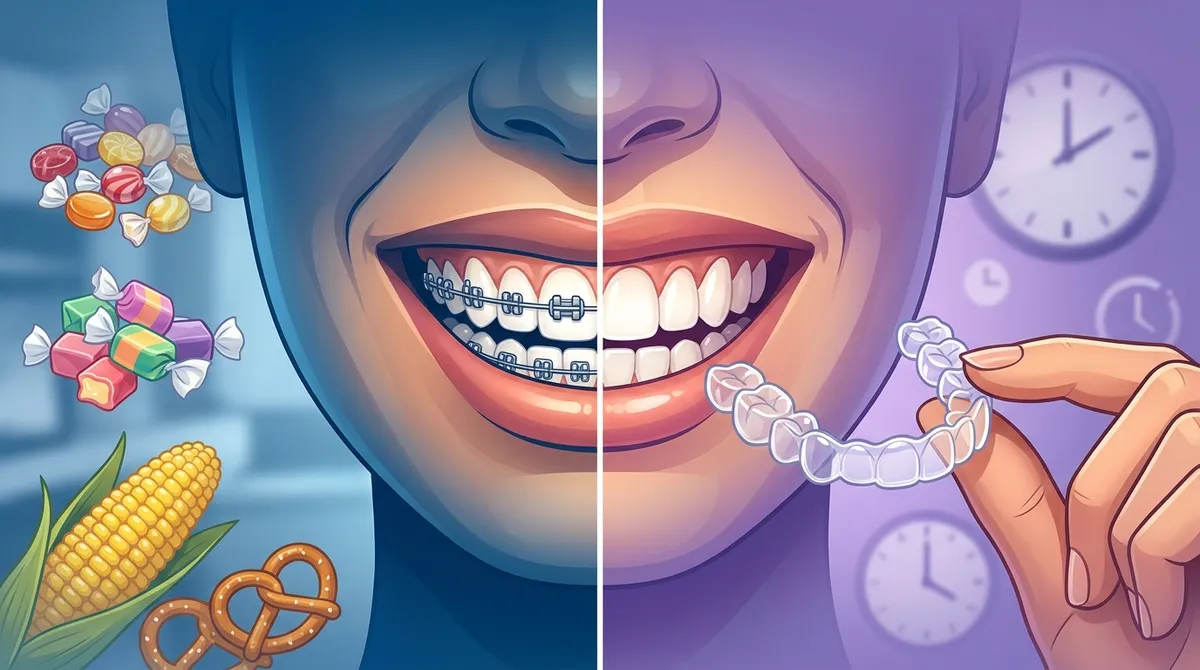
Clear aligners require strict 20-22 hour daily wear discipline to stay on schedule; skipping wear time can extend treatment or compromise results, while traditional braces work 24/7 with zero compliance risk.
-
Both treatments cost similarly ($4,000-$6,500) and succeed in ~90% of cases, but traditional braces suit complex issues while clear aligners work best for mild-to-moderate cases in aesthetically-conscious adults and teens.
-
Clear aligners typically take 18 months average vs. 24 months for braces, but the actual timeline depends on case complexity and, for aligners, consistent daily wear compliance.
-
Traditional braces cause dietary restrictions and require careful cleaning around brackets, while clear aligners allow normal eating and brushing but demand sustained daily commitment for optimal outcomes.
Choosing between traditional braces and clear aligners is one of the most important decisions you will make for your smile. Both treatments straighten teeth effectively, but they work in different ways and suit different lifestyles. Whether you are a parent researching options for your child, a teenager wanting a discreet solution, or an adult prioritizing a professional appearance, understanding the differences is essential. This guide breaks down everything you need to know — from cost and comfort to treatment time and effectiveness — so you can make a confident, informed decision. At Chacon Orthodontics, serving Westchase and Brandon, Florida, Dr. Omar Chacon helps patients of all ages find the best path to a healthier, straighter smile.
What Are Traditional Braces?
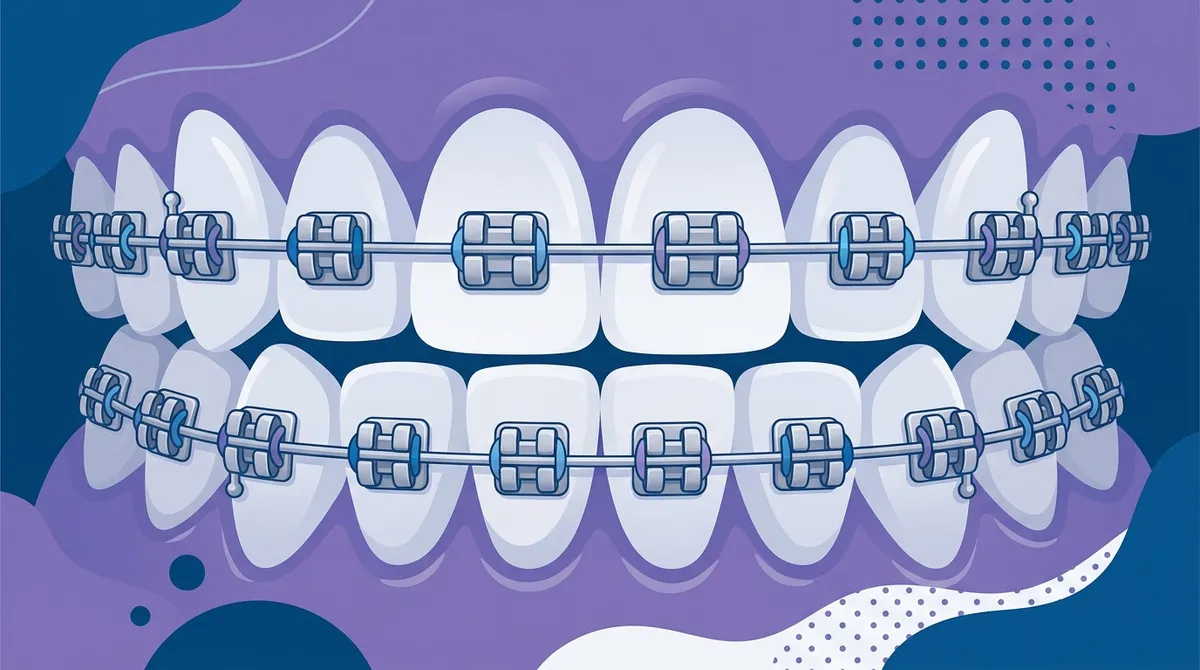
Traditional braces use metal brackets bonded directly to your teeth. A wire runs through each bracket and applies gentle, consistent pressure to move teeth into alignment. They are fixed in place and cannot be removed until treatment is complete. Modern braces are smaller and more comfortable than older versions, but they remain visible during treatment. Ceramic braces offer a more discreet alternative with tooth-colored brackets, though they function the same way.
Braces are highly effective for complex orthodontic cases. They provide precise control over tooth movement, including rotations, bite corrections, and significant crowding. Because they are non-removable, there is no compliance risk — they work 24 hours a day. You can learn more about custom braces options available at Chacon Orthodontics.
What Are Clear Aligners?
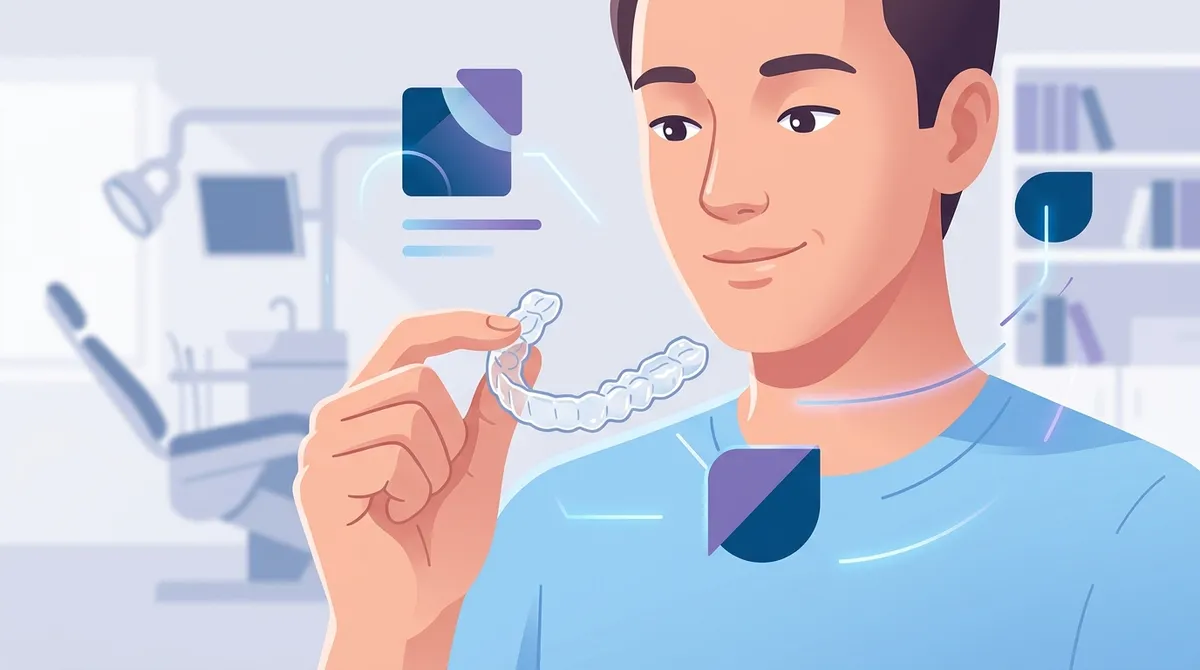
Clear aligners are a series of custom-made, transparent plastic trays. Each tray gradually shifts your teeth toward their ideal position. You wear each set for about one to two weeks before switching to the next. They are nearly invisible, making them a popular choice for teens and adults who want a discreet treatment experience.
One major advantage of clear aligners is that they are removable. You take them out to eat, brush, and floss. This makes daily hygiene much easier compared to fixed braces. However, they must be worn 20 to 22 hours per day for optimal results. Skipping wear time can extend your treatment or compromise your outcome. Explore clear aligner treatment details to see if this option fits your goals.
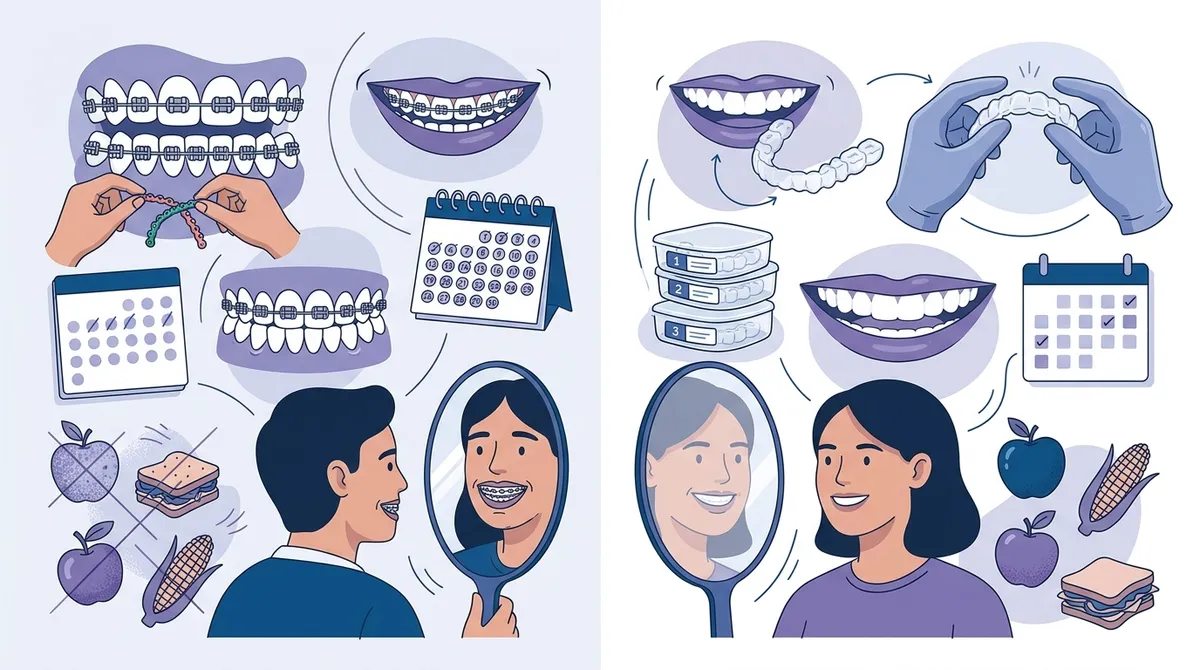
Key Differences at a Glance
The table below summarizes the most important differences between traditional braces and clear aligners to help you compare them side by side.
| Feature | Traditional Braces | Clear Aligners |
|---|---|---|
| Visibility | Visible (metal or ceramic) | Nearly invisible |
| Removability | Fixed — not removable | Removable for eating and hygiene |
| Diet Restrictions | Avoid sticky, hard foods | No food restrictions |
| Hygiene | Requires careful cleaning around brackets | Brush and floss normally |
| Compliance Required | None — always working | Must wear 20-22 hours/day |
| Best For | Complex cases, severe crowding, bite issues | Mild to moderate alignment issues |
| Office Visits | More frequent adjustments | Fewer visits required |
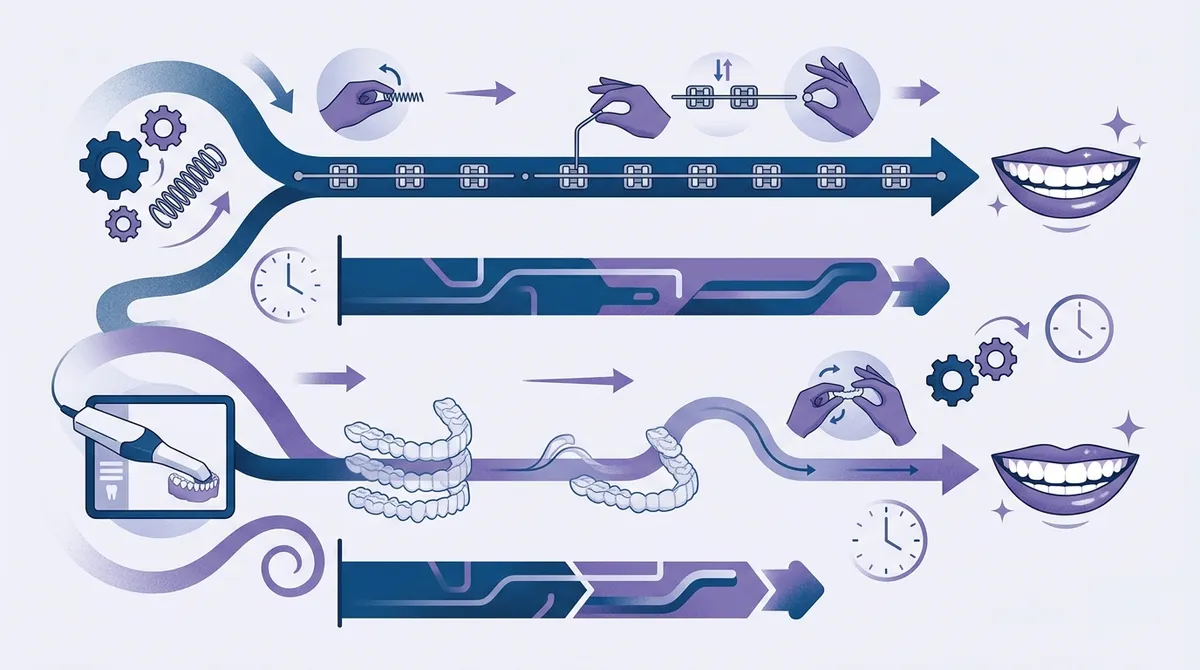
Treatment Duration: How Long Does Each Take?
Treatment time is a top concern for most patients. Clear aligners typically take 6 to 24 months, with an average of around 18 months. Traditional braces generally require 18 to 36 months, with an average of about 24 months. The actual duration depends on the complexity of your case and, for aligners, how consistently you wear them.
For milder cases, aligners can often deliver results faster. For more complex issues, braces may be the more efficient option because they offer more precise control. Your orthodontist will give you a realistic timeline after evaluating your specific needs. The advanced technology used at Chacon Orthodontics, including digital 3D exams, helps estimate treatment timelines with greater accuracy.
Cost Comparison
Many patients assume clear aligners cost significantly more than braces. In reality, both options fall within a similar price range. The table below outlines what you can generally expect to pay.
| Treatment Type | Average Cost Range | Monthly Payment Estimate |
|---|---|---|
| Traditional Braces | $4,000 – $6,500 | $99 – $175/month |
| Clear Aligners | $4,000 – $6,500 | $99 – $175/month |
Many orthodontic practices offer flexible payment plans to make treatment affordable. It is also worth checking your insurance coverage, as many dental and orthodontic plans cover a portion of either treatment. The American Dental Association recommends discussing financial options with your provider before starting treatment.
Effectiveness: Which Treatment Works Better?
Research shows that both traditional braces and clear aligners successfully straighten teeth in approximately 90% of cases. However, the best option depends on your specific orthodontic needs.
When Traditional Braces Work Best
Braces are the preferred choice for:
- Severe crowding or spacing issues
- Significant bite problems such as overbite, underbite, or crossbite
- Complex rotations and root movements
- Younger children who may struggle with aligner compliance
- Cases requiring maximum orthodontic control
Parents of younger children should consider scheduling an early evaluation. The children’s orthodontic page at Chacon Orthodontics outlines why early intervention — sometimes as young as age 7 — can prevent more complex problems later.
When Clear Aligners Work Best
Clear aligners are ideal for:
- Mild to moderate crowding or spacing
- Adults and teens who prioritize aesthetics
- Patients with active lifestyles or professional careers
- Those who want easier daily oral hygiene
- Patients with discipline to wear aligners consistently
Teens, in particular, benefit from aligner options that fit their social lives. Visit the teen orthodontic page to see how modern aligner solutions support busy, image-conscious teenagers. Working adults can also explore the adult treatment page for more information on discreet options.
Comfort and Daily Life
Both treatments involve some initial discomfort as your teeth adjust. However, the experience differs. Braces can cause irritation to the cheeks and lips, especially after adjustments. Clear aligners use smooth plastic, which tends to be gentler on soft tissue. That said, new aligner trays may cause temporary pressure or soreness.
Daily life is noticeably easier with aligners. You can eat whatever you like, and brushing and flossing remain completely normal. With braces, you must avoid sticky, hard, or crunchy foods and spend extra time cleaning around brackets and wires. These lifestyle factors often play a significant role in which treatment patients prefer. According to the American Association of Orthodontists, the best treatment is always the one that aligns with both your orthodontic needs and your lifestyle.
Stability and Retention After Treatment
Both treatments require retainers after completion to maintain results. Some evidence suggests braces may offer slightly better long-term stability in complex cases. However, consistent retainer use is the most important factor in preserving your new smile. Learn more about retainer options and how they protect your investment after treatment ends.
Choosing the Right Option for Each Age Group
The right treatment varies depending on age, lifestyle, and the severity of the orthodontic issue. The table below provides a quick reference guide for different patient types.
| Patient Type | Recommended Option | Reason |
|---|---|---|
| Young Children (7–10) | Traditional Braces | Greater control; compliance less of a concern |
| Teens | Either (case-dependent) | Aligners for aesthetics; braces for complex issues |
| Working Adults | Clear Aligners | Discreet, professional appearance during treatment |
| Spanish-Speaking Families | Either (consultation recommended) | Bilingual care ensures full understanding of options |
| Complex Cases (Any Age) | Traditional Braces | Precision required for severe issues |
Families in the Westchase and Brandon areas who prefer bilingual support will find that Chacon Orthodontics offers warm, personalized care in both English and Spanish. You can read about patient experiences on the patient testimonials page or visit Chacon Orthodontics on Google to see what local families are saying.
How to Decide: A Step-by-Step Approach
Not sure where to start? Follow these four steps to make a confident decision:
- Schedule a professional evaluation. Only a board-certified orthodontist can assess your teeth, bite, and jaw to recommend the right treatment.
- Discuss your lifestyle and goals. Share your concerns about visibility, diet, and daily routine. This helps your orthodontist recommend the most practical solution.
- Review your budget and insurance. Confirm what your plan covers and ask about payment options to find a financially comfortable path forward.
- Ask about digital treatment previews. Many orthodontic practices now offer 3D simulations so you can visualize your expected results before committing.
Dr. Omar Chacon and the team at Chacon Orthodontics walk every patient through this process with no pressure and complete transparency. Visit the why choose us page to learn more about what makes their approach unique. You can also browse frequently asked questions to get answers before your first visit.
Conclusion: The Best Choice Is a Personalized One
There is no universal winner in the traditional braces vs clear aligners debate. Both are proven, effective treatments that can deliver a straighter, healthier smile. The right option depends on your age, case complexity, lifestyle, and personal preferences. What matters most is getting a professional evaluation from a qualified orthodontist who takes the time to understand your unique needs.
Ready to find out which treatment is right for you or your child? Schedule your free consultation with Dr. Omar Chacon at Chacon Orthodontics today. With two convenient locations in Westchase and Brandon, Florida, and bilingual care in English and Spanish, getting started has never been easier.
FAQs
Q: Are clear aligners as effective as traditional braces for straightening teeth?
A: Clear aligners and traditional braces both achieve successful results in approximately 90% of orthodontic cases. However, braces tend to be more effective for complex issues such as severe crowding, significant bite problems, or cases requiring precise root movement. A board-certified orthodontist can determine which option will deliver the best outcome for your specific needs.
Q: How long does treatment take with traditional braces compared to clear aligners?
A: Clear aligner treatment typically averages around 18 months, while traditional braces average approximately 24 months. Both timelines depend on the complexity of the case and patient compliance. Consistently wearing aligners 20 to 22 hours per day is essential to staying on schedule.
Q: Which is more affordable: traditional braces or clear aligners?
A: Both treatment options generally fall within a similar cost range of $4,000 to $6,500. Monthly payment plans are available for both, typically ranging from $99 to $175 per month. It is advisable to verify your insurance coverage, as many plans contribute to the cost of either treatment.
Q: Can clear aligners fix severe bite problems or significant crowding?
A: Clear aligners work well for mild to moderate orthodontic issues, but traditional braces are generally more effective for severe crowding, major rotations, or complex bite corrections. Your orthodontist will evaluate your case and recommend the treatment with the greatest chance of achieving the results you need.
Q: What happens if you do not wear clear aligners enough hours per day?
A: Clear aligners must be worn 20 to 22 hours per day to move teeth according to the planned schedule. Wearing them for fewer hours can slow progress, extend treatment duration, or cause teeth to shift back toward their original positions. Consistent daily wear is the most critical factor in achieving successful results with clear aligners.